
Breakfast Casserole
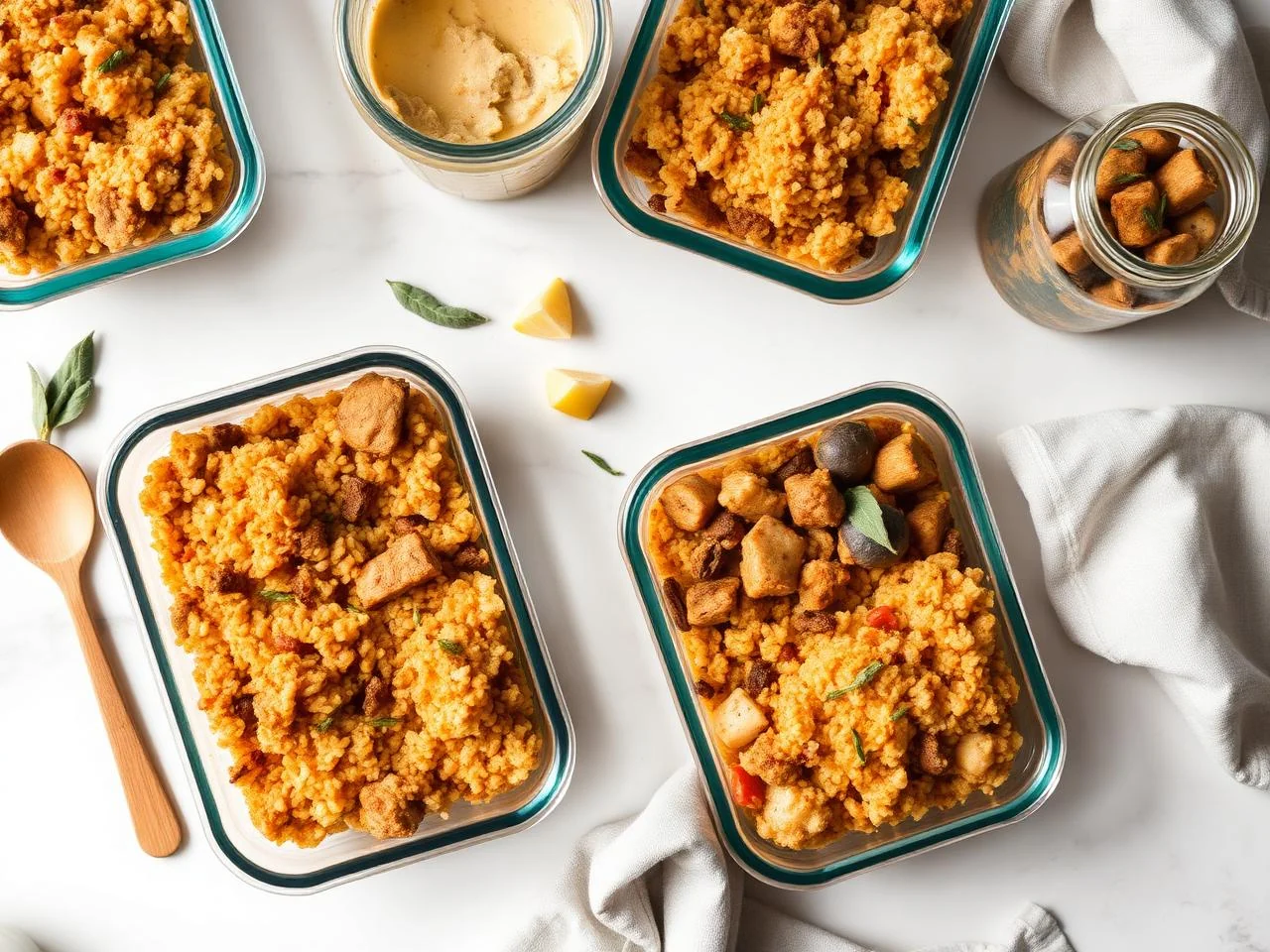
I still remember the first time I made a breakfast casserole for my family. It was a Sunday morning, and I wanted to create a dish that would be easy to prepare, delicious, and satisfying for everyone. After some experimentation, I came up with a recipe that has since become a staple in our household. This breakfast casserole is a make-ahead meal prep that stores and reheats well, making it perfect for busy mornings.
The best part about this recipe is its versatility. You can customize it to your taste by using different types of sausage, cheese, and vegetables. I've also experimented with various cooking methods, including baking and slow cooking, to find the one that works best for me. In this article, I'll share my favorite breakfast casserole recipe, along with some tips and variations to help you make it your own.
One of the things I love about this recipe is that it's perfect for meal prep. You can prepare the casserole on a Sunday evening, refrigerate or freeze it, and then reheat it throughout the week. It's also a great dish to serve at brunches or breakfast gatherings, as it's easy to scale up or down depending on the number of guests.
In addition to its convenience, this breakfast casserole is also a nutritious and filling meal. The combination of sausage, eggs, and cheese provides a good balance of protein, fat, and carbohydrates, while the vegetables add fiber and vitamins. Whether you're looking for a quick breakfast solution or a hearty brunch dish, this recipe is sure to become a favorite.
So, let's get started! In this article, I'll take you through the steps to make a delicious breakfast casserole, including the ingredients, equipment, and cooking techniques you'll need. I'll also share some tips and variations to help you customize the recipe to your taste.
Why You’ll Love This Recipe
- This breakfast casserole recipe is easy to make ahead and reheats well, making it perfect for busy mornings.
- The combination of sausage, eggs, and cheese provides a good balance of protein, fat, and carbohydrates, making it a nutritious and filling meal.
- The recipe is versatile and can be customized with different types of sausage, cheese, and vegetables to suit your taste.
- It's a great dish to serve at brunches or breakfast gatherings, as it's easy to scale up or down depending on the number of guests.
- The casserole can be refrigerated or frozen for later use, making it a convenient meal prep solution.
- The recipe is perfect for families, as it's easy to make and can be served with a variety of sides, such as toast, fruit, or hash browns.
Why This Recipe Works
This breakfast casserole recipe works because it combines the right ingredients in the right proportions. The sausage provides a savory flavor, while the eggs and cheese add creaminess and richness. The vegetables, such as bell peppers and onions, add natural sweetness and texture. By cooking the sausage and vegetables before adding the eggs and cheese, we create a flavorful and well-balanced dish.
The cooking technique is also important. By baking the casserole in a moderate oven, we cook the eggs and cheese slowly and evenly, preventing them from becoming overcooked or rubbery. The result is a creamy and smooth texture that's perfect for breakfast or brunch.
Another key factor is the resting time. After cooking the casserole, it's essential to let it rest for a few minutes before serving. This allows the eggs to set, the cheese to melt, and the flavors to meld together. By following these steps and using the right ingredients, we can create a delicious and satisfying breakfast casserole that's sure to please.
Ingredients You’ll Need
To make this delicious breakfast casserole, you'll need a few key ingredients. These include sausage, eggs, cheese, and vegetables, such as bell peppers and onions. You'll also need some basic pantry staples, like salt, pepper, and olive oil. In this section, we'll take a closer look at each ingredient and why it's essential to the recipe.
When shopping for ingredients, be sure to choose high-quality sausage and cheese. These will provide the best flavor and texture for your casserole. You can also customize the recipe by using different types of sausage or cheese, or by adding other vegetables, such as mushrooms or spinach.
- 1 lb (450g) sausage, casings removedYou can use any type of sausage you like, but I prefer a mild breakfast sausage. Be sure to remove the casings before cooking to ensure the sausage cooks evenly.
- 6 large eggsFresh eggs are essential for this recipe, as they will provide the best flavor and texture. You can also use egg substitutes, such as egg whites or egg replacers, if you prefer.
- 1 cup (115g) shredded cheddar cheeseI prefer a sharp cheddar cheese for this recipe, as it provides a rich and tangy flavor. You can also use other types of cheese, such as mozzarella or Monterey Jack, if you prefer.
- 1/2 cup (55g) diced bell pepperBell peppers add natural sweetness and crunch to the casserole. You can use any color bell pepper you like, but I prefer red or orange for their sweet flavor.
- 1/2 cup (55g) diced onionOnions add a pungent flavor to the casserole, but be sure to cook them until they're soft and translucent to avoid a raw flavor.
- 2 cloves garlic, mincedGarlic adds a rich and savory flavor to the casserole. Be sure to mince it finely to avoid any large chunks.
- 1/2 tsp (2g) saltSalt enhances the flavors of the other ingredients and helps to bring out the natural sweetness of the vegetables.
- 1/4 tsp (1g) black pepperBlack pepper adds a subtle kick to the casserole, but be sure not to overdo it, as it can quickly become overpowering.
- 2 tbsp (30g) olive oilOlive oil is used to cook the sausage and vegetables, and it adds a rich and fruity flavor to the casserole.
- 1 cup (120g) cubed breadCubed bread adds texture and crunch to the casserole. You can use any type of bread you like, but I prefer a crusty bread, such as baguette or ciabatta.

Equipment You’ll Need
How to Make Breakfast Casserole
- 1Preheat your oven to 350°F (180°C).
- 2Cook the sausage in a large skillet over medium-high heat, breaking it up with a spoon as it cooks, until it is no longer pink, about 5-7 minutes.
- 3Add the diced bell pepper and onion to the skillet and cook until they are soft and translucent, about 5 minutes.
- 4Add the minced garlic to the skillet and cook for 1 minute, until fragrant.
- 5In a large bowl, whisk together the eggs, salt, and pepper.
- 6Add the shredded cheese to the bowl and stir until it is well combined with the eggs.
- 7Add the cooked sausage and vegetables to the bowl and stir until they are well combined with the eggs and cheese.
- 8Add the cubed bread to the bowl and stir until it is well combined with the other ingredients.
- 9Pour the mixture into a 9x13 inch baking dish and smooth the top.
- 10Bake the casserole in the preheated oven for 35-40 minutes, or until it is golden brown and the eggs are set.
- 11Remove the casserole from the oven and let it rest for 10 minutes before serving.
- 12Use an instant-read thermometer to check the internal temperature of the casserole, it should be at least 160°F (71°C) in the center.
Expert Tips
- Use high-quality ingredients, such as fresh eggs and real cheese, to ensure the best flavor and texture.
- Don't overcook the sausage or vegetables, as this can make them dry and tough.
- Use a variety of vegetables, such as bell peppers, onions, and mushrooms, to add natural sweetness and texture to the casserole.
- Don't overmix the ingredients, as this can make the casserole dense and heavy.
- Let the casserole rest for 10-15 minutes before serving, as this allows the eggs to set and the flavors to meld together.
- Use a thermometer to check the internal temperature of the casserole, to ensure it is cooked to a safe temperature.
- Experiment with different types of cheese, such as cheddar, mozzarella, or feta, to find the one you like best.
- Add some heat to the casserole by using spicy sausage or adding diced jalapenos.
Common Mistakes to Avoid
- Overcooking the sausage or vegetables, which can make them dry and tough.
- Not using high-quality ingredients, such as fresh eggs and real cheese, which can affect the flavor and texture of the casserole.
- Overmixing the ingredients, which can make the casserole dense and heavy.
- Not letting the casserole rest for 10-15 minutes before serving, which can make it difficult to slice and serve.
- Not using a thermometer to check the internal temperature of the casserole, which can make it unsafe to eat.
- Not experimenting with different ingredients and flavors, which can make the casserole boring and uninteresting.
Variations and Substitutions
- Use different types of sausage, such as chorizo or Italian sausage, to add unique flavors to the casserole.
- Add some heat to the casserole by using spicy sausage or adding diced jalapenos.
- Use different types of cheese, such as mozzarella or feta, to add unique flavors to the casserole.
- Add some fresh herbs, such as parsley or basil, to add freshness and flavor to the casserole.
- Use different types of bread, such as baguette or ciabatta, to add texture and crunch to the casserole.
- Add some diced ham or bacon to the casserole for added protein and flavor.
- Use a variety of vegetables, such as bell peppers, onions, and mushrooms, to add natural sweetness and texture to the casserole.
What to Serve With Breakfast Casserole
This breakfast casserole is perfect for serving at brunches or breakfast gatherings. You can serve it with a variety of sides, such as toast, fruit, or hash browns. It's also great with a cup of coffee or tea, and it's a wonderful way to start the day.
Some other ideas for serving this casserole include serving it with a green salad, or with some roasted vegetables, such as asparagus or Brussels sprouts. You can also serve it with some yogurt or granola, for a healthier and more filling breakfast.
Make-Ahead, Storage, Freezing and Reheating
This breakfast casserole can be refrigerated for up to 3 days or frozen for up to 2 months. To refrigerate, simply cover the casserole with plastic wrap or aluminum foil and store it in the refrigerator. To freeze, wrap the casserole tightly in plastic wrap or aluminum foil and store it in the freezer.
To reheat the casserole, simply thaw it overnight in the refrigerator and then bake it in the oven at 350°F (180°C) for 20-25 minutes, or until it is hot and bubbly. You can also reheat it in the microwave, but be careful not to overheat it, as this can make it dry and tough.
One of the best things about this casserole is that it reheats beautifully, and it's perfect for meal prep. You can make it on the weekend and then reheat it throughout the week for a quick and easy breakfast.
When reheating the casserole, make sure to check the internal temperature to ensure it reaches 160°F (71°C) to guarantee food safety. Also, if you're reheating it in the microwave, make sure to cover it with a microwave-safe lid or plastic wrap to prevent drying out.
Frequently Asked Questions
Can I make this casserole ahead of time?
Yes, you can make this casserole ahead of time and refrigerate or freeze it for later use. Simply assemble the casserole, cover it with plastic wrap or aluminum foil, and store it in the refrigerator for up to 3 days or freeze it for up to 2 months.
Can I use different types of sausage?
Yes, you can use different types of sausage, such as chorizo or Italian sausage, to add unique flavors to the casserole.
Can I add some heat to the casserole?
Yes, you can add some heat to the casserole by using spicy sausage or adding diced jalapenos.
Can I use different types of cheese?
Yes, you can use different types of cheese, such as mozzarella or feta, to add unique flavors to the casserole.
Can I serve this casserole at a brunch or breakfast gathering?
Yes, this casserole is perfect for serving at a brunch or breakfast gathering. You can serve it with a variety of sides, such as toast, fruit, or hash browns.
Can I make this casserole in a slow cooker?
Yes, you can make this casserole in a slow cooker. Simply assemble the casserole, cover it with a lid, and cook it on low for 2-3 hours or on high for 1-2 hours.
Can I freeze this casserole?
Yes, you can freeze this casserole for up to 2 months. Simply wrap it tightly in plastic wrap or aluminum foil and store it in the freezer.
How do I reheat this casserole?
To reheat the casserole, simply thaw it overnight in the refrigerator and then bake it in the oven at 350°F (180°C) for 20-25 minutes, or until it is hot and bubbly. You can also reheat it in the microwave, but be careful not to overheat it, as this can make it dry and tough.

Ingredients
- 1 lb (450g) sausage, casings removed
- 6 large eggs
- 1 cup (115g) shredded cheddar cheese
- 1/2 cup (55g) diced bell pepper
- 1/2 cup (55g) diced onion
- 2 cloves garlic, minced
- 1/2 tsp (2g) salt
- 1/4 tsp (1g) black pepper
- 2 tbsp (30g) olive oil
- 1 cup (120g) cubed bread
Instructions
- Preheat your oven to 350°F (180°C).
- Cook the sausage in a large skillet over medium-high heat, breaking it up with a spoon as it cooks, until it is no longer pink, about 5-7 minutes.
- Add the diced bell pepper and onion to the skillet and cook until they are soft and translucent, about 5 minutes.
- Add the minced garlic to the skillet and cook for 1 minute, until fragrant.
- In a large bowl, whisk together the eggs, salt, and pepper.
- Add the shredded cheese to the bowl and stir until it is well combined with the eggs.
- Add the cooked sausage and vegetables to the bowl and stir until they are well combined with the eggs and cheese.
- Add the cubed bread to the bowl and stir until it is well combined with the other ingredients.
- Pour the mixture into a 9x13 inch baking dish and smooth the top.
- Bake the casserole in the preheated oven for 35-40 minutes, or until it is golden brown and the eggs are set.
- Remove the casserole from the oven and let it rest for 10 minutes before serving.
- Use an instant-read thermometer to check the internal temperature of the casserole, it should be at least 160°F (71°C) in the center.