
Egg Rolls
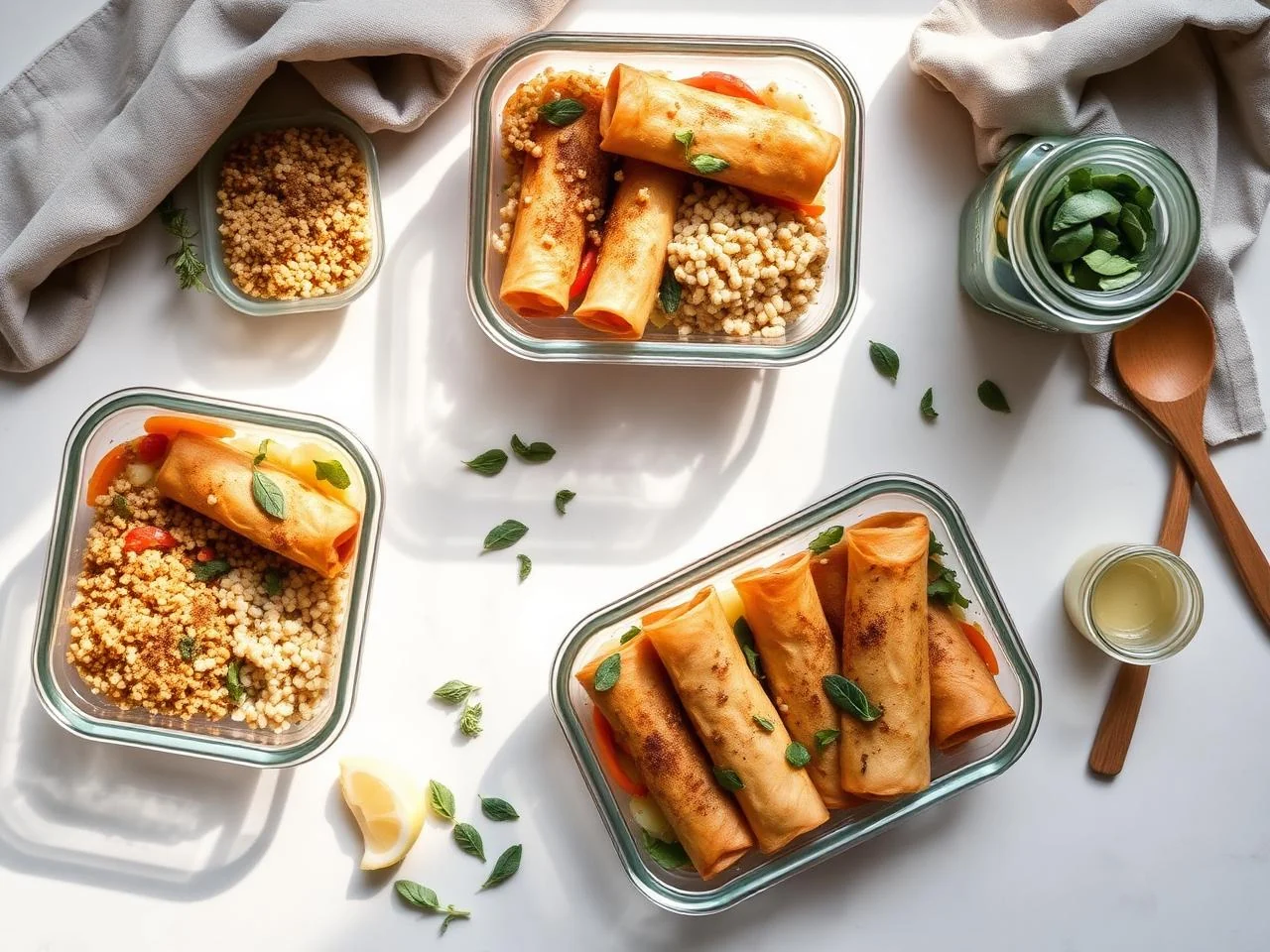
I still remember the first time I made egg rolls at home. It was a Sunday afternoon, and I was determined to master the art of wrapping and frying these delicious snacks. With a little practice, I perfected my technique, and now I'm excited to share it with you. Egg rolls are an excellent make-ahead meal prep option that stores and reheats well, making them perfect for busy weeknights or lunchboxes.
In this recipe, we'll cover the basics of making egg rolls from scratch, including the importance of using the right ingredients, wrapping techniques, and cooking methods. Whether you're a seasoned cook or a beginner, you'll find that making egg rolls is easier than you think, and the result is well worth the effort.
One of the best things about egg rolls is their versatility. You can fill them with a variety of ingredients, from classic pork and vegetables to more adventurous options like shrimp or tofu. In this recipe, we'll use a simple filling made with ground pork, cabbage, and carrots, but feel free to experiment with different combinations to find your favorite.
Egg rolls are also a great way to use up leftover ingredients. If you have leftover vegetables or meat, you can chop them up and add them to the filling. This makes egg rolls a fantastic option for meal prep, as you can make a big batch on the weekend and enjoy them throughout the week.
In the following sections, we'll dive into the details of making egg rolls, including the ingredients, equipment, and step-by-step instructions. We'll also cover some common mistakes to avoid and provide tips for making the perfect egg rolls every time.
Why You’ll Love This Recipe
- Egg rolls are easy to make and require minimal ingredients.
- They're perfect for meal prep and can be reheated for a quick snack or lunch.
- Egg rolls are a versatile dish that can be filled with a variety of ingredients.
- They're a great way to use up leftover ingredients and reduce food waste.
- Egg rolls are a crowd-pleasing dish that's perfect for parties and gatherings.
- They're a fun and interactive food that can be enjoyed by people of all ages.
Why This Recipe Works
The key to making great egg rolls is in the balance of flavors and textures. By using a combination of ground pork, cabbage, and carrots, we create a filling that's both savory and slightly sweet. The cabbage and carrots add a nice crunch, while the pork provides a rich, meaty flavor.
Another important factor is the wrapping technique. By using the right amount of filling and wrapping the egg rolls tightly, we ensure that they cook evenly and don't fall apart. This also helps to prevent the filling from escaping during cooking, which can make a mess and affect the texture of the egg rolls.
Finally, the cooking method is crucial. By frying the egg rolls at the right temperature, we achieve a crispy exterior and a tender interior. This is where the magic happens, and the egg rolls transform from a simple snack to a delicious, restaurant-quality dish.
Throughout this recipe, we'll explore the science behind making great egg rolls, from the chemistry of wrapping and frying to the importance of using the right ingredients. By understanding these principles, you'll be able to make egg rolls that are not only delicious but also consistent and reliable.
Ingredients You’ll Need
When it comes to making egg rolls, the ingredients are just as important as the technique. In this recipe, we'll use a combination of ground pork, cabbage, carrots, and other ingredients to create a delicious and authentic filling. We'll also need some basic pantry staples, such as soy sauce, garlic, and ginger, to add flavor and depth to the dish.
When shopping for ingredients, be sure to choose fresh and high-quality produce. The cabbage and carrots should be crisp and firm, while the ground pork should be lean and flavorful. You can also customize the filling to your taste by adding other ingredients, such as chopped scallions or grated ginger.
- 1 lb (450g) ground porkGround pork is the traditional filling for egg rolls, but you can also use ground chicken or beef if you prefer. Look for lean ground meat with a good balance of fat and protein.
- 1 cup (115g) finely chopped cabbageCabbage adds a nice crunch and flavor to the filling. You can use either green or napa cabbage, depending on your preference.
- 1/2 cup (55g) grated carrotsCarrots add a pop of color and sweetness to the filling. You can use either grated or finely chopped carrots, depending on your preference.
- 2 cloves garlic, mincedGarlic adds a rich and savory flavor to the filling. You can use either fresh or frozen garlic, depending on your preference.
- 1 tablespoon (15g) soy sauceSoy sauce adds a salty and umami flavor to the filling. You can use either light or dark soy sauce, depending on your preference.
- 1 tablespoon (15g) oyster sauce (optional)Oyster sauce adds a rich and savory flavor to the filling. You can omit it if you don't have it or prefer not to use it.
- 1 tablespoon (15g) sesame oilSesame oil adds a nutty and aromatic flavor to the filling. You can use either light or dark sesame oil, depending on your preference.
- 2 tablespoons (30g) cornstarchCornstarch helps to thicken the filling and prevent it from becoming too wet. You can use either cornstarch or flour, depending on your preference.
- 1 egg, beatenThe egg helps to bind the filling together and add moisture. You can use either a whole egg or just the egg white, depending on your preference.
- 1 package (20-24) egg roll wrappersEgg roll wrappers are the traditional wrapping material for egg rolls. You can find them in most Asian markets or online.
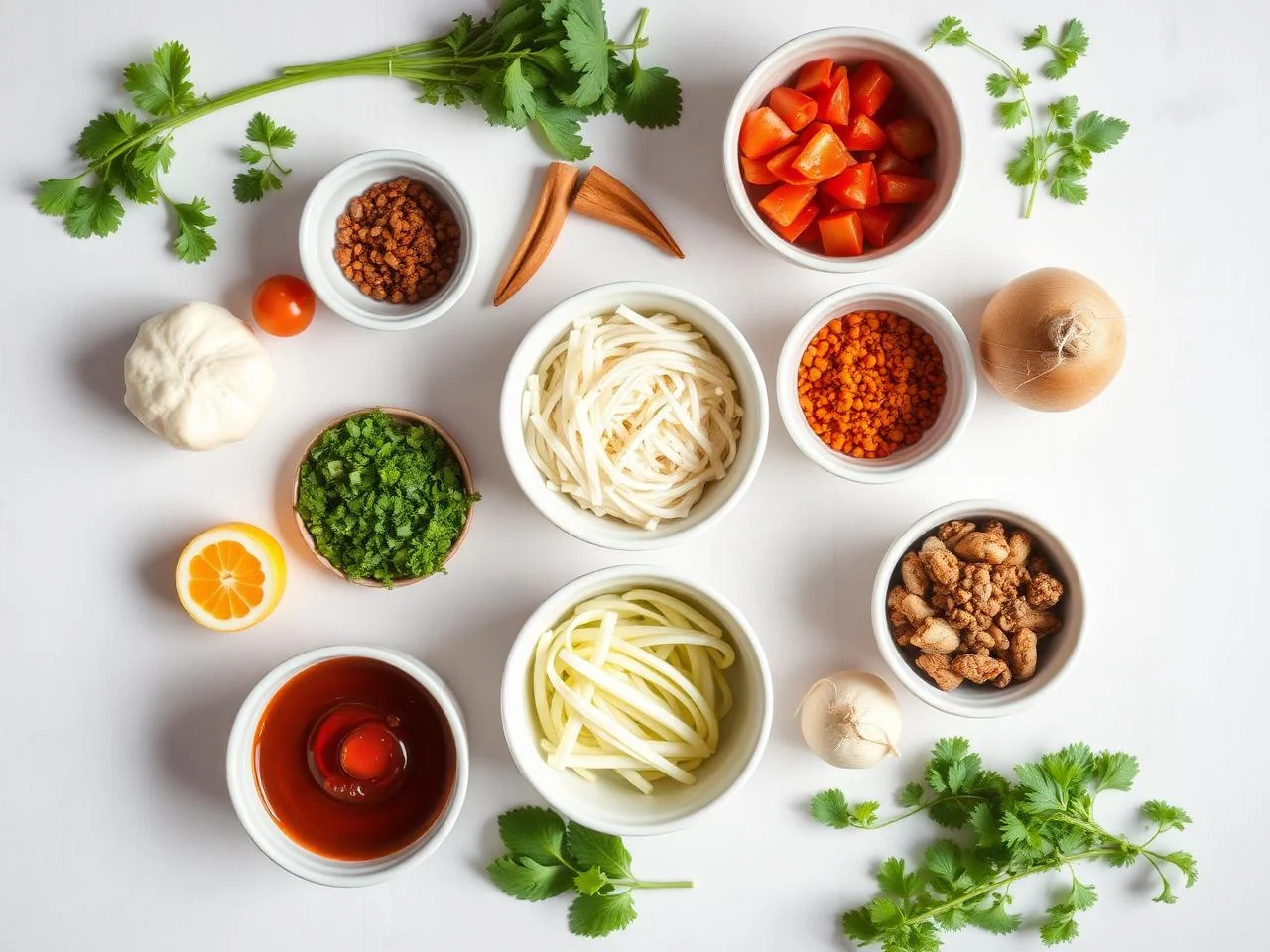
Equipment You’ll Need
How to Make Egg Rolls
- 1In a large mixing bowl, combine the ground pork, chopped cabbage, grated carrots, minced garlic, soy sauce, oyster sauce (if using), and sesame oil. Mix everything together until just combined, being careful not to overmix.
- 2Add the cornstarch and mix until the filling is well coated. This will help to thicken the filling and prevent it from becoming too wet.
- 3Beat the egg in a small bowl and add it to the filling mixture. Mix everything together until the filling is well combined and sticky.
- 4Lay an egg roll wrapper on a flat surface with one corner pointing towards you. Place about 1 tablespoon of the filling in the center of the wrapper.
- 5Brush the edges of the wrapper with a little water, then fold the bottom corner over the filling. Fold in the sides and roll up the wrapper to form a tight cylinder. Repeat with the remaining wrappers and filling.
- 6Heat about 2-3 inches (5-7.5 cm) of vegetable oil in a large skillet or wok over medium-high heat until it reaches 350°F (175°C). You can test the oil temperature by dropping a small piece of wrapper into the oil - if it sizzles and rises to the surface, the oil is ready.
- 7When the oil is hot, add a few of the egg rolls to the skillet (do not overcrowd). Fry the egg rolls until they're golden brown and crispy, about 3-4 minutes on each side.
- 8Remove the egg rolls from the oil with a slotted spoon and drain on paper towels. Repeat with the remaining egg rolls.
- 9Serve the egg rolls hot with your favorite dipping sauce. You can also refrigerate or freeze them for later use.
- 10To reheat the egg rolls, simply fry them in hot oil until crispy or bake them in a preheated oven at 400°F (200°C) for about 10-12 minutes, or until crispy and golden brown.
Expert Tips
- Use fresh and high-quality ingredients to ensure the best flavor and texture.
- Don't overfill the egg rolls, as this can cause them to burst open during frying.
- Make sure the oil is hot enough before adding the egg rolls, as this will help them cook evenly and prevent them from absorbing too much oil.
- Don't overcrowd the skillet, as this can cause the egg rolls to stick together. Fry them in batches if necessary.
- Experiment with different fillings and seasonings to find your favorite flavor combination.
- Consider adding other ingredients to the filling, such as chopped scallions or grated ginger, to add extra flavor and texture.
Common Mistakes to Avoid
- Overfilling the egg rolls, which can cause them to burst open during frying.
- Not heating the oil to the correct temperature, which can result in greasy or undercooked egg rolls.
- Overcrowding the skillet, which can cause the egg rolls to stick together.
- Not using the right type of oil, which can affect the flavor and texture of the egg rolls.
- Not draining the egg rolls properly after frying, which can make them soggy and greasy.
- Not storing the egg rolls properly, which can cause them to become stale or rancid.
Variations and Substitutions
- Add chopped scallions or grated ginger to the filling for extra flavor.
- Use different types of protein, such as ground chicken or beef, for a variation in flavor and texture.
- Add other ingredients to the filling, such as chopped mushrooms or grated carrots, to add extra flavor and texture.
- Use different types of wrappers, such as rice paper or wonton wrappers, for a variation in texture and flavor.
- Experiment with different seasonings and spices, such as soy sauce or chili flakes, to add extra flavor to the filling.
- Try baking the egg rolls instead of frying them for a healthier and lower-fat option.
What to Serve With Egg Rolls
Egg rolls are a versatile snack that can be served with a variety of dipping sauces. Some popular options include soy sauce, chili sauce, and sweet and sour sauce. You can also serve them with a side of steamed vegetables or a salad for a more substantial meal.
Consider serving the egg rolls at a party or gathering, as they're easy to eat and can be made in large quantities. You can also customize the filling to fit your theme or preferences, such as using different types of protein or adding other ingredients to the filling.
Make-Ahead, Storage, Freezing and Reheating
Egg rolls can be stored in the refrigerator for up to 3 days or frozen for up to 2 months. To store them in the refrigerator, simply place them in an airtight container and keep them refrigerated at 40°F (4°C) or below.
To freeze the egg rolls, place them in a single layer on a baking sheet and put them in the freezer until frozen solid. Then, transfer them to an airtight container or freezer bag and store them in the freezer at 0°F (-18°C) or below.
To reheat the egg rolls, simply fry them in hot oil until crispy or bake them in a preheated oven at 400°F (200°C) for about 10-12 minutes, or until crispy and golden brown.
It's also important to note that egg rolls can be made ahead of time and stored in the refrigerator or freezer until ready to cook. This makes them a great option for meal prep or for cooking in large quantities.
Frequently Asked Questions
What type of oil is best for frying egg rolls?
The best type of oil for frying egg rolls is a neutral-tasting oil with a high smoke point, such as vegetable or peanut oil. This will help to prevent the oil from burning or smoking during frying.
Can I bake egg rolls instead of frying them?
Yes, you can bake egg rolls instead of frying them. Simply preheat your oven to 400°F (200°C) and bake the egg rolls for about 10-12 minutes, or until crispy and golden brown.
How do I store egg rolls in the refrigerator or freezer?
Egg rolls can be stored in the refrigerator for up to 3 days or frozen for up to 2 months. To store them in the refrigerator, simply place them in an airtight container and keep them refrigerated at 40°F (4°C) or below. To freeze them, place them in a single layer on a baking sheet and put them in the freezer until frozen solid. Then, transfer them to an airtight container or freezer bag and store them in the freezer at 0°F (-18°C) or below.
Can I customize the filling to fit my dietary needs or preferences?
Yes, you can customize the filling to fit your dietary needs or preferences. Simply omit or substitute ingredients as needed, such as using gluten-free soy sauce or adding other ingredients to the filling.
How do I reheat egg rolls?
To reheat egg rolls, simply fry them in hot oil until crispy or bake them in a preheated oven at 400°F (200°C) for about 10-12 minutes, or until crispy and golden brown.
Can I make egg rolls ahead of time and store them in the refrigerator or freezer until ready to cook?
Yes, you can make egg rolls ahead of time and store them in the refrigerator or freezer until ready to cook. This makes them a great option for meal prep or for cooking in large quantities.
What is the best way to serve egg rolls?
Egg rolls are a versatile snack that can be served with a variety of dipping sauces. Some popular options include soy sauce, chili sauce, and sweet and sour sauce. You can also serve them with a side of steamed vegetables or a salad for a more substantial meal.
Can I use different types of wrappers for egg rolls?
Yes, you can use different types of wrappers for egg rolls, such as rice paper or wonton wrappers. Simply follow the same wrapping and cooking instructions as for traditional egg roll wrappers.
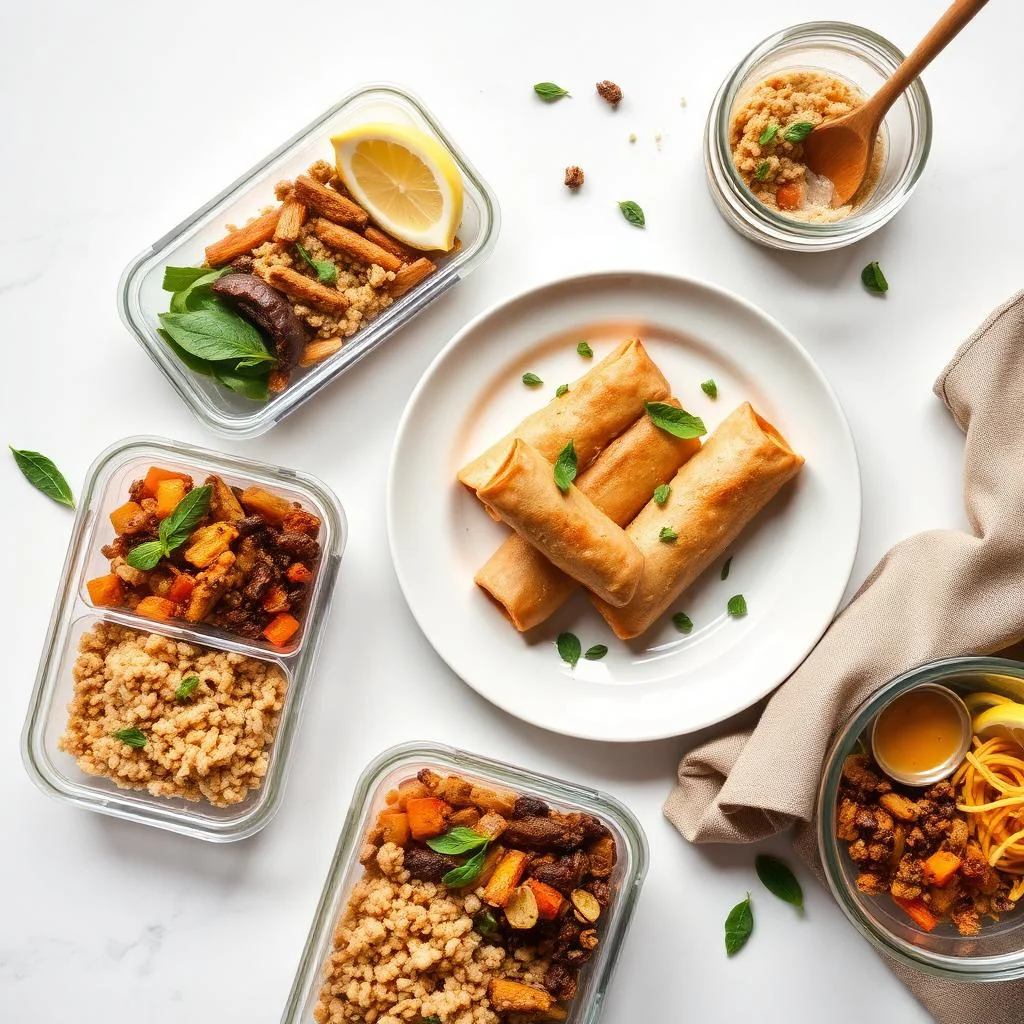
Ingredients
- 1 lb (450g) ground pork
- 1 cup (115g) finely chopped cabbage
- 1/2 cup (55g) grated carrots
- 2 cloves garlic, minced
- 1 tablespoon (15g) soy sauce
- 1 tablespoon (15g) oyster sauce (optional)
- 1 tablespoon (15g) sesame oil
- 2 tablespoons (30g) cornstarch
- 1 egg, beaten
- 1 package (20-24) egg roll wrappers
Instructions
- In a large mixing bowl, combine the ground pork, chopped cabbage, grated carrots, minced garlic, soy sauce, oyster sauce (if using), and sesame oil. Mix everything together until just combined, being careful not to overmix.
- Add the cornstarch and mix until the filling is well coated. This will help to thicken the filling and prevent it from becoming too wet.
- Beat the egg in a small bowl and add it to the filling mixture. Mix everything together until the filling is well combined and sticky.
- Lay an egg roll wrapper on a flat surface with one corner pointing towards you. Place about 1 tablespoon of the filling in the center of the wrapper.
- Brush the edges of the wrapper with a little water, then fold the bottom corner over the filling. Fold in the sides and roll up the wrapper to form a tight cylinder. Repeat with the remaining wrappers and filling.
- Heat about 2-3 inches (5-7.5 cm) of vegetable oil in a large skillet or wok over medium-high heat until it reaches 350°F (175°C). You can test the oil temperature by dropping a small piece of wrapper into the oil - if it sizzles and rises to the surface, the oil is ready.
- When the oil is hot, add a few of the egg rolls to the skillet (do not overcrowd). Fry the egg rolls until they're golden brown and crispy, about 3-4 minutes on each side.
- Remove the egg rolls from the oil with a slotted spoon and drain on paper towels. Repeat with the remaining egg rolls.
- Serve the egg rolls hot with your favorite dipping sauce. You can also refrigerate or freeze them for later use.
- To reheat the egg rolls, simply fry them in hot oil until crispy or bake them in a preheated oven at 400°F (200°C) for about 10-12 minutes, or until crispy and golden brown.