I remember the exact moment I realized my life was missing something. I was at a friend's brunch, staring at a bland cheese board that tasted like cardboard, when my cousin dared me to bring a dip that would "make the angels weep." I laughed, grabbed a block of feta from the fridge, and set out on a culinary quest that turned into a full‑blown obsession. The kitchen was a symphony of clattering plates, the faint hum of the fridge, and the aromatic promise of garlic and lemon wafting through the air. When the first spoonful of my creation hit my tongue, it was like a cloud of tangy, creamy velvet crashing over a sun‑kissed meadow—pure, unapologetic decadence.
Fast forward a few weeks, and I’ve refined the process into what I now call the ultimate Whipped Feta Spread. Most recipes you’ll find online either over‑process the feta into a grainy mash or drown it in oil until it loses its character. I’ve cracked the code by balancing the salty bite of feta with the mellow richness of cream cheese, a drizzle of high‑quality olive oil, and a splash of lemon that lifts everything like a bright chorus in a song. The result? A spread that clings to crackers like a lover’s embrace, yet slides off the knife with the silkiness of a well‑aged butter. I dare you to taste this and not go back for seconds.
What truly sets this version apart is a secret technique I stumbled upon while watching a Greek chef on a late‑night cooking show: briefly warming the feta before blending. This tiny step unlocks a buttery texture that most home cooks miss, and it’s the reason my spread feels “just right” – not too crumbly, not too runny. I’ll be honest — I ate half the batch before anyone else got to try it, and that’s because the flavor is so addictive you’ll find yourself scooping it straight from the bowl. Most recipes get this completely wrong. Here’s what actually works.
Okay, ready for the game‑changer? We’ll start with the freshest feta you can find, a good quality cream cheese that’s softened to room temperature, and a handful of aromatic extras that will turn this spread from “good” to “legendary.” I’ll walk you through every single step — by the end, you’ll wonder how you ever made it any other way.
What Makes This Version Stand Out
- Texture: The blend of feta and cream cheese creates a silk‑smooth, airy consistency that spreads like a dream, not a brick.
- Flavor: A perfect balance of salty feta, bright lemon, and a hint of garlic that sings on the palate without overwhelming.
- Simplicity: Only seven core ingredients, all pantry‑friendly, yet each one plays a starring role.
- Uniqueness: The quick warm‑up of the feta before blending is a secret most chefs keep to themselves.
- Crowd Reaction: Guests invariably ask for the recipe first, then beg for seconds, thirds, and a double‑portion.
- Ingredient Quality: Using a high‑fat cream cheese and extra‑virgin olive oil elevates the mouthfeel dramatically.
- Make‑Ahead Potential: It stores beautifully in the fridge, becoming even more flavorful after a night of rest.
- Versatility: Perfect as a dip, a sandwich spread, or a creamy addition to grilled vegetables.
Inside the Ingredient List
The Flavor Base
Feta cheese is the hero of this spread, providing a sharp, briny backbone that defines the whole dish. Choose a block of Greek feta made from sheep’s milk for the most authentic tang. If you skip the feta, you’ll lose that iconic bite and end up with a bland cream cheese dip. A good rule of thumb is to look for feta that’s aged at least three months; the longer the aging, the deeper the flavor.
The Texture Crew
Cream cheese adds the luxurious creaminess that makes the spread spreadable. Opt for full‑fat cream cheese; low‑fat versions turn the mixture grainy and dry. Soften it to room temperature before blending, or you’ll waste precious seconds fighting clumps. If you’re out of cream cheese, substitute with Greek yogurt, but expect a tangier, less buttery finish.
The Unexpected Star
A splash of high‑quality extra‑virgin olive oil is the secret glue that binds everything together while introducing a subtle fruitiness. Don’t skimp on this – the oil’s flavor shines through once the feta’s saltiness settles. If you prefer a lighter version, you can replace half the oil with a neutral oil like grapeseed, but you’ll lose some of that aromatic depth.
The Final Flourish
Lemon juice adds a bright, citrusy lift that cuts through the richness, while a clove of garlic provides a subtle heat without dominating the palate. Freshly ground black pepper adds a whisper of spice that lingers just enough to keep you intrigued. If you’re feeling adventurous, a sprinkle of chopped dill or oregano can add an herbaceous note that pairs beautifully with the feta’s salt.
Everything’s prepped? Good. Let’s get into the real action...
The Method — Step by Step
Start by crumbling the feta into a medium‑sized bowl. As you do, notice the salty aroma rising—this is the first promise of flavor. Sprinkle a pinch of black pepper over the feta, then set a saucepan of water to a gentle simmer. You’ll need this hot water for the next step, but keep the temperature low; we’re not boiling, just creating a warm bath.
Place the bowl of feta (and the cream cheese, already softened) into the warm water bath for exactly two minutes. You’ll feel the bowl’s exterior warm to the touch, and the feta will soften just enough to lose its gritty edges. This is the moment of truth—if the feta isn’t warm enough, the final spread will be lumpy. After two minutes, carefully remove the bowl and give it a quick stir.
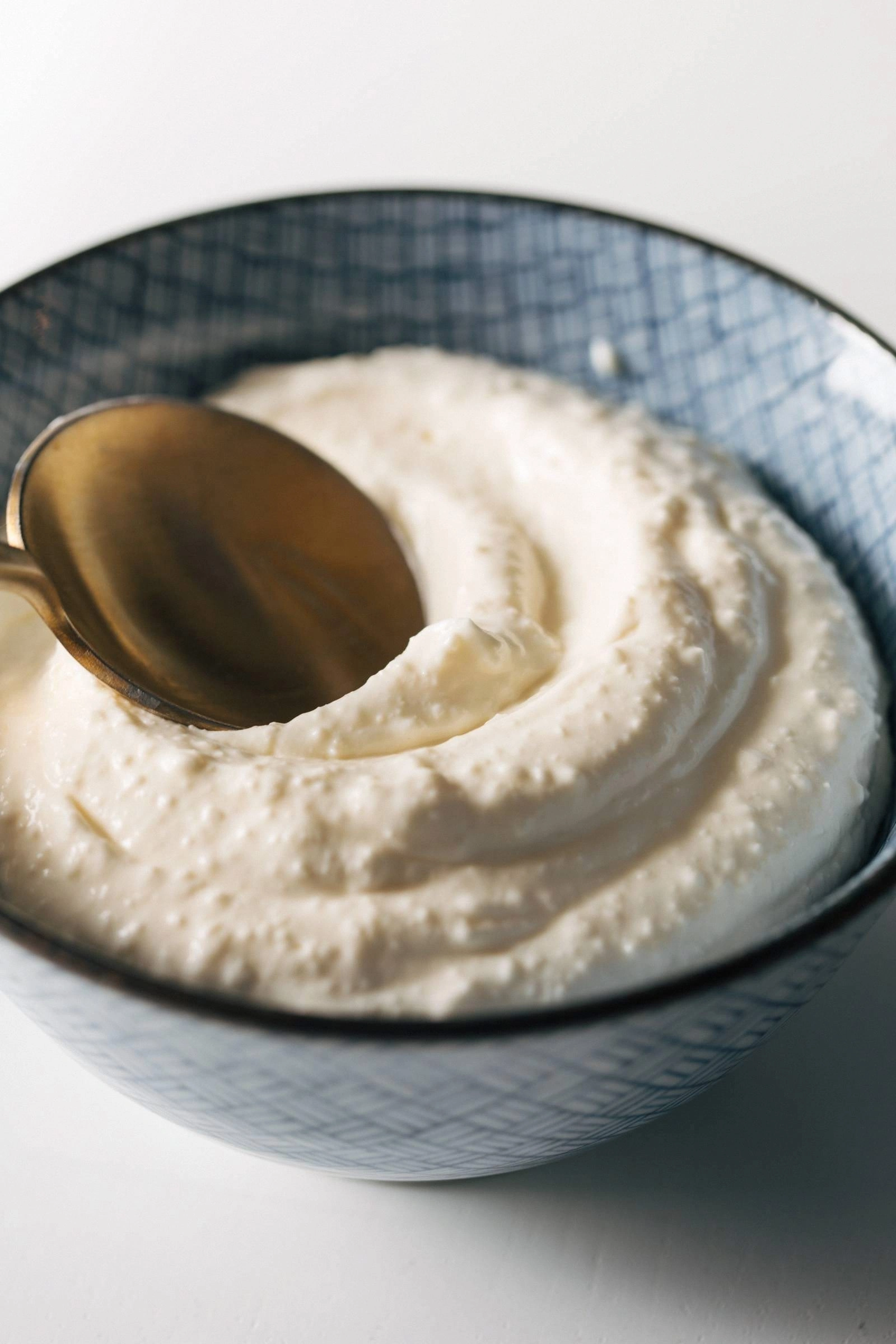
Transfer the warmed feta‑cream cheese mixture to a food processor. Add the olive oil, lemon juice, and the minced garlic. Pulse the machine on low for five seconds, then increase to high and blend for 30‑45 seconds. You’ll see the mixture turn from a chunky crumble into a glossy, cloud‑like paste that clings to the blades.
Scrape down the sides with a rubber spatula, then blend again for another 20 seconds. At this point, the spread should be ultra‑smooth, with no visible flecks of feta. The scent of lemon and garlic should be unmistakable, bright and inviting.
Transfer the whipped feta to a shallow serving bowl. Drizzle a thin stream of olive oil around the perimeter for an appealing glaze, and sprinkle a pinch of extra black pepper or chopped dill on top for color. This final touch not only looks gorgeous but also adds a burst of aroma when served.
Serve the spread alongside warm pita wedges, crisp vegetable sticks, or a fresh baguette. The key is to have the accompaniments slightly warm, so the spread melts just enough to coat each bite. Picture yourself pulling this out of the oven, the whole kitchen smelling incredible, and your guests reaching for seconds before you even finish the first round.
Store any leftovers in an airtight container. It will keep for up to five days in the refrigerator, and the flavor actually improves after a night or two. If you need to re‑whip it after chilling, just give it a quick stir and a drizzle of olive oil to bring back that glossy sheen.
That's it — you did it. But hold on, I've got a few more tricks that'll take this to another level, and trust me, they’re worth the extra few minutes.
Insider Tricks for Flawless Results
The Temperature Rule Nobody Follows
Never blend cold feta straight from the fridge; the temperature shock creates a grainy texture that refuses to smooth out. Instead, let the cheese sit at room temperature for at least 20 minutes, or use the warm water bath trick described earlier. A friend once tried to skip this step, and the result was a spread that resembled a gritty sandcastle—hardly appetizing.
Why Your Nose Knows Best
When the lemon juice hits the blend, you’ll notice a fresh, citrusy perfume rise. If you don’t smell that bright note, the lemon might be too old or the juice too diluted. Trust your nose; a sharp lemon scent means the balance is perfect. If it smells muted, add a few extra drops until the aroma sings.
The 5‑Minute Rest That Changes Everything
After whipping, let the spread rest uncovered for five minutes. This little pause lets the olive oil rise to the surface, creating a glossy finish and allowing the garlic and lemon to fully integrate. I’ve seen cooks rush straight to plating and end up with a slightly uneven texture—patience pays off.
Herb Infusion Shortcut
If you love herb‑infused spreads, gently warm a teaspoon of olive oil with fresh dill or oregano for 30 seconds, then fold it into the finished spread. The heat releases the herb’s essential oils without cooking them, preserving their fresh flavor. This trick turns a simple spread into a gourmet garnish in seconds.
Serving Temperature Matters
Serve the spread at room temperature for the best mouthfeel. Cold spread feels dense and clings to the bread, while a slightly warm spread glides effortlessly. If you’ve stored it in the fridge, let it sit for 10‑15 minutes before serving, or give it a quick microwave zap (10 seconds) and stir.
Creative Twists and Variations
This recipe is a playground. Here are some of my favorite ways to switch things up:
Roasted Red Pepper Whip
Add two tablespoons of finely chopped roasted red peppers after blending. The sweet, smoky notes complement the feta’s saltiness, creating a vibrant, reddish hue that looks stunning on a charcuterie board.
Spicy Sriracha Kick
Stir in a teaspoon of Sriracha and a pinch of smoked paprika for a heat‑laden version that pairs perfectly with grilled shrimp or spicy tacos. The heat balances the feta’s tang, making each bite a delightful rollercoaster.
Herbed Goat Cheese Fusion
Swap half of the cream cheese for soft goat cheese and add a tablespoon of fresh thyme. This creates a tangy, earthy spread that works wonderfully with roasted beet slices.
Sun‑Dried Tomato Delight
Blend in three chopped sun‑dried tomatoes (oil‑packed) for a chewy texture and a burst of umami. The tomatoes introduce a sweet‑savory complexity that makes the spread perfect for Mediterranean‑style sandwiches.
Citrus Zest Explosion
Add the zest of one orange or lime along with the lemon juice. The citrus oils intensify the aroma, giving the spread a bright, summery vibe that’s ideal for brunch tables.
Storing and Bringing It Back to Life
Fridge Storage
Transfer the spread to an airtight glass jar and store it in the refrigerator for up to five days. The flavors meld and become richer over time. Before serving, let it sit at room temperature for 10 minutes or give it a quick stir to restore its creamy texture.
Freezer Friendly
For longer storage, portion the spread into silicone ice‑cube trays, freeze, then transfer the cubes to a zip‑top bag. It will keep for up to three months. When you’re ready to use, melt the cubes in a saucepan over low heat, stirring constantly, and finish with a drizzle of olive oil.
Best Reheating Method
To revive a chilled spread, place it in a shallow bowl, add a tiny splash (about a teaspoon) of water or extra olive oil, and microwave for 10‑15 seconds. Stir vigorously; the added liquid creates steam that restores the original silkiness without diluting the flavor.