I was in the middle of a midnight snack crisis when my roommate dared me to turn a bland leftover rice bowl into something that would make even a meat‑lover weep with envy. I stared at the cold, sticky grains, the faint scent of yesterday’s soy sauce, and thought, “This is a disaster waiting to happen.” Then I remembered a tiny jar of white miso tucked away in the pantry, a slab of vegan butter that had been melting on the counter, and a stash of frozen mixed veggies begging for a comeback. I tossed the ingredients together, and the kitchen instantly transformed into a smoky, umami‑laden wonderland—like a Japanese izakaya collided with a cozy comfort‑food diner. I dare you to taste this and not go back for seconds.
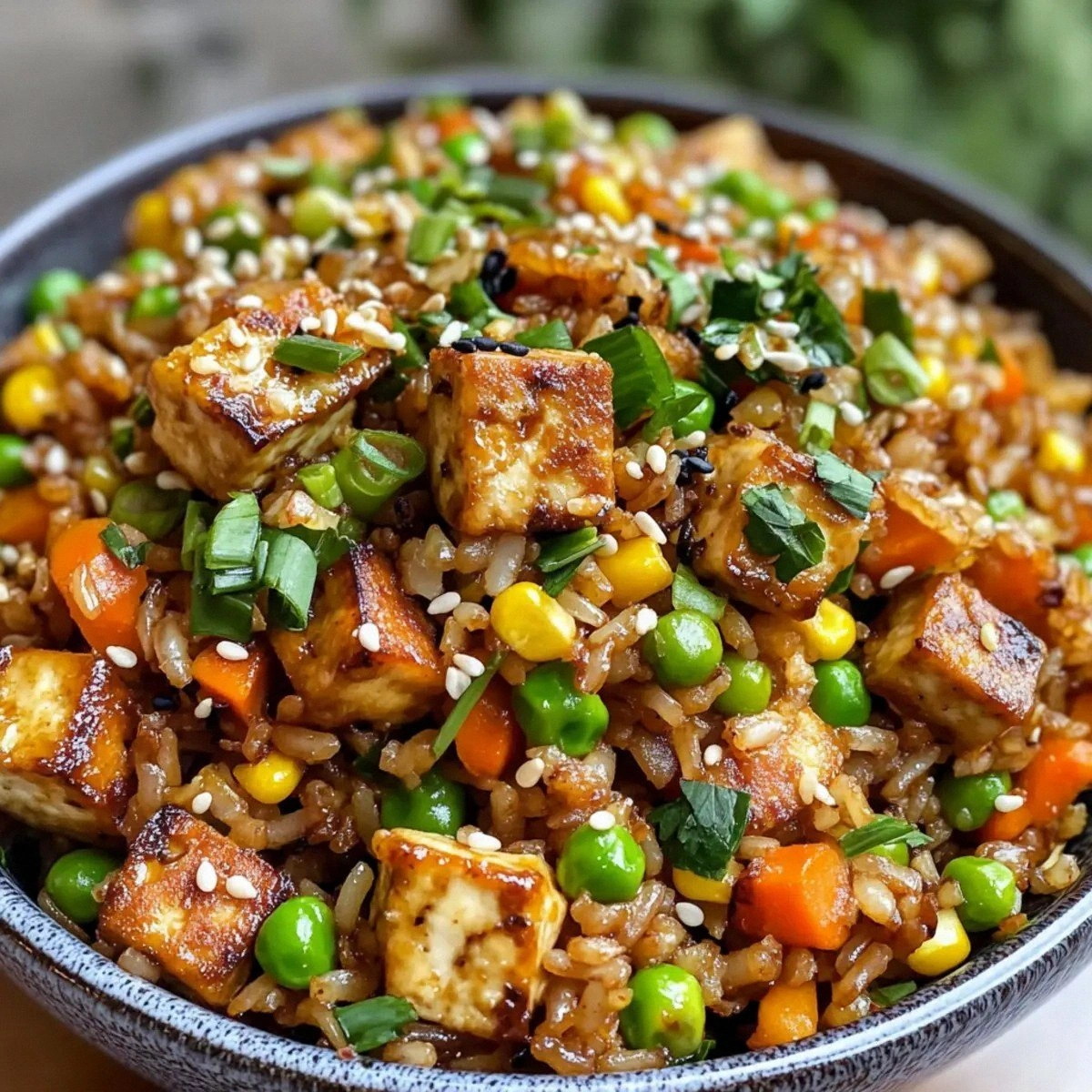
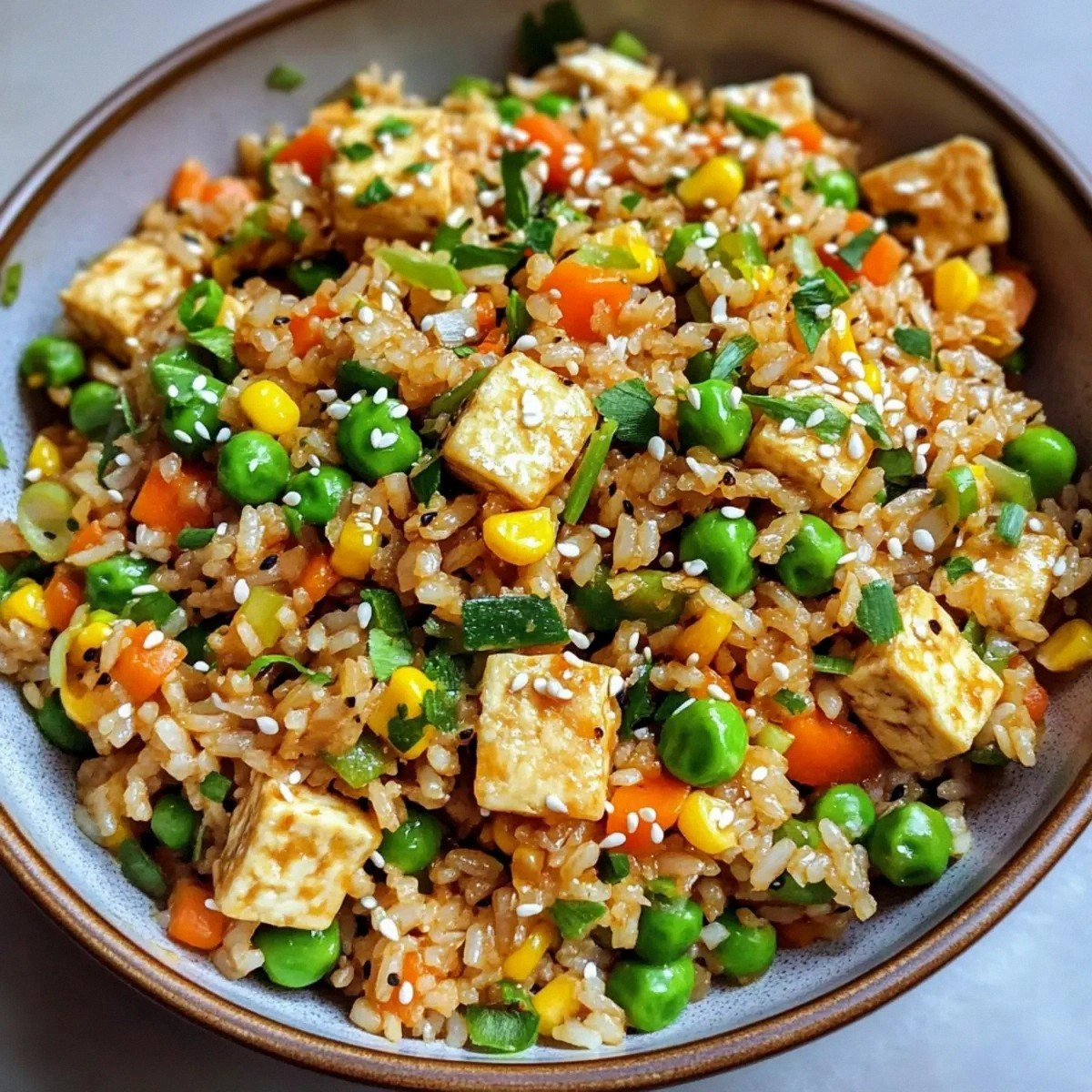
Picture this: the sizzle of butter hitting a hot wok, the aromatic swirl of onion and garlic dancing like a tango, and the deep, savory whisper of miso that coats each grain like a silken veil. The sound of the rice cracking at the edges is a crisp, satisfying pop, while the fragrance of dark soy sauce and toasted sesame seeds fills the air, making your nostrils tingle with anticipation. The texture? Imagine a perfect balance between the buttery richness of the miso‑infused rice and the tender bite of tofu and vegan ham, punctuated by the bright crunch of scallions and mixed vegetables. The dish feels warm and comforting, yet it carries a sophisticated depth that makes you feel like a culinary wizard.
Most fried‑rice recipes either drown the rice in sauce or leave it dry and lifeless. This version, however, flips the script by using miso as the secret umami engine, and vegan butter as the glossy, buttery conductor that unites every flavor. The result is a dish that is simultaneously creamy, smoky, salty, and bright—hands down the best version you’ll ever make at home. I’ll be honest — I ate half the batch before anyone else got to try it, and that’s a testament to how addictive this comfort dish truly is. Most recipes get the texture completely wrong; here’s what actually works: a high‑heat wok, a quick flash‑fry, and a careful timing of the miso addition.
Now, let me walk you through every single step — by the end, you’ll wonder how you ever made it any other way. Okay, ready for the game‑changer? This next part? Pure magic. Stay with me here — this is worth it.
What Makes This Version Stand Out
- Umami Boost: White miso adds a deep, fermented richness that no ordinary soy sauce can match, turning simple rice into a flavor powerhouse.
- Butter Gloss: Vegan butter creates a glossy coating that makes each grain glide smoothly on the palate, like a silk scarf over a winter coat.
- Texture Symphony: The combination of crispy tofu cubes, tender vegan ham, and crunchy veggies creates layers of contrast that keep every bite interesting.
- Simplicity Meets Sophistication: With just a handful of pantry staples you can achieve a restaurant‑level dish without any fancy equipment.
- Crowd‑Pleaser Factor: Even the most skeptical eaters are won over by the salty‑sweet balance and the comforting aroma that fills the kitchen.
- Ingredient Quality: Using extra‑firm tofu and high‑quality miso ensures the dish stays firm and flavorful, never mushy or bland.
- One‑Pan Efficiency: Everything happens in the same wok, meaning fewer dishes and more time to enjoy the final product.
- Make‑Ahead Magic: This dish reheats beautifully, and the miso butter actually deepens in flavor after a night in the fridge.
Inside the Ingredient List
The Flavor Base
Vegan Butter (2 tbsp): This is the golden glue that binds everything together. It melts into the rice, creating that luxurious sheen and a subtle buttery aroma that elevates the miso. If you skip it, the dish will feel dry and lack that comforting richness. Swap: Use coconut oil for a hint of tropical flavor, but you’ll lose some of the buttery depth.
White Miso Paste (2 tbsp): The star of the show, miso brings a salty‑sweet fermented punch that’s impossible to replicate with plain soy sauce. It also adds a slight nuttiness that rounds out the dish. Forget it, and you’ll end up with a flat, one‑dimensional fried rice. Swap: Red miso for a deeper, earthier tone, but use half the amount as it’s more intense.
Dark Soy Sauce (1 tbsp): Provides color and a deep umami backbone. It’s less salty than regular soy sauce, letting the miso shine without overwhelming the palate. If you use light soy sauce, the dish will look pale and the flavor will be too sharp.
The Texture Crew
Cooked Rice (4 cups): Day‑old rice works best because it’s drier, allowing each grain to crisp up without sticking. Freshly cooked rice will turn mushy and won’t achieve those coveted caramelized edges. Tip: Spread the rice on a tray and let it air‑dry for 20 minutes before cooking.
Extra Firm Tofu (1 cup): Provides a protein boost and a pleasant chew. Press the tofu to remove excess water, then cube and lightly pan‑fry for a golden crust. Skipping the press will make the tofu soggy and it will fall apart in the wok.
Vegan Ham (1 cup): Adds a smoky, meaty bite that mimics traditional ham without the animal product. It also contributes a salty crunch. If you can’t find vegan ham, substitute with tempeh strips or smoked tofu.
The Unexpected Star
Mixed Vegetables (2 cups): A medley of carrots, peas, corn, and bell peppers brings color, sweetness, and a slight snap. They balance the richness of the butter and miso. Overcooking will make them mushy, so keep the heat high and toss quickly.
Scallions (2 stalks): Added at the end for a fresh, oniony pop that cuts through the umami. They also add a vibrant green garnish. If you leave them out, the dish loses a bright finishing note.
The Final Flourish
Sesame Seeds (2 tbsp): Toasted sesame seeds bring a nutty aroma and a subtle crunch that finishes the dish with elegance. Skip them and you’ll miss that final layer of flavor complexity.
Nori Sheets (2 sheets): Crumbled nori adds a briny, oceanic depth that mimics the sea‑saltiness of traditional Japanese fried rice. It also contributes a beautiful dark speckle throughout. If you don’t have nori, a dash of seaweed flakes works in a pinch.
Onion (1 medium) & Garlic (3 cloves): These aromatics build the foundational flavor. The onion caramelizes slightly, adding sweetness, while garlic delivers that unmistakable punch. Missing either will make the dish feel flat.
Everything's prepped? Good. Let's get into the real action...
The Method — Step by Step
Heat a large wok or deep skillet over medium‑high heat until a drop of water sizzles and evaporates instantly. Add the vegan butter, letting it melt into a shimmering pool. When the butter starts to foam, you’ll hear a gentle crackle—that’s the signal to move on. Watch the butter closely; if it browns too quickly, lower the heat to avoid a burnt taste.
Kitchen Hack: Add a splash of water to the butter if it starts to smoke; it will instantly cool and keep the flavor buttery, not burnt.Dice the onion and mince the garlic. Toss them into the wok, stirring constantly. Within 30 seconds you’ll notice the onions turning translucent and the garlic releasing a fragrant perfume that makes your mouth water. This is the aromatic foundation—if you rush it, the garlic can turn bitter, so keep the heat lively but not scorching.
Add the cubed tofu and vegan ham. Let them sit undisturbed for about a minute to develop a golden crust on one side before flipping. The edges should start pulling away from the pan, creating that coveted crispy texture. Don’t stir too aggressively; you want each piece to get that caramelized kiss.
Stir in the mixed vegetables and sliced scallions. Keep the heat high; the vegetables should stay bright and retain a slight crunch. You’ll hear a faint sizzle as the water inside the veg evaporates. This is the moment where the dish stays vibrant rather than turning soggy.
Now, introduce the cooked rice. Break up any clumps with the back of your spoon, spreading the grains evenly across the wok. Let the rice sit for about 20 seconds without moving—this encourages the bottom layer to crisp up, creating those delightful, caramelized edges you’ve been dreaming of.
Create a well in the center of the wok and drop in the white miso paste and dark soy sauce. Let the miso melt for a few seconds, then quickly stir everything together, ensuring each grain is coated in the glossy, umami‑rich sauce. The rice should take on a deep amber hue, and you’ll smell a sweet‑savory perfume that’s absolutely intoxicating.
Watch Out: Adding miso directly to a very hot pan can cause it to scorch; lower the heat slightly before the miso goes in.Season with salt and pepper to taste. Remember, miso and soy sauce already bring a lot of saltiness, so start with just a pinch and adjust gradually. Taste the rice; you should feel a balanced harmony of salty, buttery, and umami notes, with a subtle hint of sweetness from the onion.
Finish by sprinkling toasted sesame seeds and crumbled nori over the top. Toss everything gently one last time so the seeds and seaweed distribute evenly. The sesame adds a nutty crunch, while the nori delivers that briny depth reminiscent of a seaside market.
Serve immediately, straight from the wok, while the rice is still steaming and the aromatics are at their peak. Picture yourself pulling this out of the pan, the whole kitchen smelling incredible, and a bowl of golden‑brown, buttery goodness waiting for you. That sizzle when it hits the pan? Absolute perfection.
That's it — you did it. But hold on, I've got a few more tricks that'll take this to another level...
Insider Tricks for Flawless Results
The Temperature Rule Nobody Follows
Keep your wok screaming hot the entire time. A medium‑high flame ensures that the rice crisps without steaming. If the temperature drops, the rice will start to stick and become soggy. I once tried to “save energy” by turning the burner down halfway through; the result was a mushy mess that no one wanted to eat. So, trust the heat and keep it consistent.
Why Your Nose Knows Best
Your sense of smell is the ultimate timer. When the butter first melts, you’ll smell a nutty, slightly caramelized scent. As you add the aromatics, the kitchen will fill with a sweet‑onion perfume. When the miso hits the pan, a deep, earthy aroma signals that the umami core is forming. If you ever feel unsure, follow your nose—it's the most reliable indicator that you’re on the right track.
The 5‑Minute Rest That Changes Everything
After you finish cooking, let the fried rice rest in the wok for about five minutes, uncovered. This brief pause allows the flavors to meld, and the residual heat continues to caramelize the edges. I once served the dish immediately, and while still delicious, the rice lacked that subtle depth that only a short rest can provide. Trust me, those five minutes are worth the wait.
The Secret Crunch Booster
If you crave an extra crunch, toss a handful of roasted peanuts or cashews into the final mix. The nuts add a buttery bite that complements the sesame seeds beautifully. Just be sure to chop them finely so they don’t overpower the delicate balance of the dish.
The No‑Mess Cleanup
Line your wok with a sheet of parchment paper before cooking the next batch. The paper catches any stubborn bits, making cleanup a breeze. I used this trick for a week and never had to scrub a stubborn rice crust again. It’s a small hack that saves you minutes of scrubbing.
Creative Twists and Variations
This recipe is a playground. Here are some of my favorite ways to switch things up:
Spicy Szechuan Spin
Add a teaspoon of Szechuan peppercorn oil and a pinch of chili flakes when you introduce the miso. The heat pairs beautifully with the buttery base, creating a tongue‑tingling experience that will make you reach for seconds.
Mushroom Medley
Swap half of the mixed vegetables for a blend of shiitake, oyster, and cremini mushrooms. Their earthy flavor deepens the umami profile, making the dish feel even more hearty and satisfying.
Citrus Burst
Finely grate a strip of lemon zest over the finished rice and drizzle a tiny splash of yuzu juice. The citrus brightens the richness, giving the dish a fresh, summer‑ready vibe.
Thai Twist
Replace the dark soy sauce with a splash of tamarind paste and add a handful of Thai basil leaves at the end. The tangy tamarind and aromatic basil create a fusion that’s both familiar and exotic.
Cheesy Vegan Delight
Stir in a quarter cup of nutritional yeast right after the miso so it melts into the sauce, adding a cheesy, nutty undertone that mimics a parmesan finish.
Storing and Bringing It Back to Life
Fridge Storage
Transfer the leftover fried rice into an airtight container and store it in the refrigerator for up to three days. The flavors actually improve after a night, as the miso butter continues to infuse the grains. When reheating, add a splash of water or vegetable broth to revive the moisture and prevent drying.
Freezer Friendly
Portion the rice into freezer‑safe bags, flatten them for even freezing, and store for up to two months. To reheat, thaw overnight in the fridge, then stir‑fry in a hot wok with a little extra butter or oil. The dish will retain its texture and flavor if you keep the heat high.
Best Reheating Method
The stovetop method is king: heat a non‑stick skillet over medium‑high, add a teaspoon of vegan butter, then toss the rice until it’s steaming and the edges re‑crisp. If you’re in a rush, a microwave works—just cover the bowl, heat in 30‑second bursts, and stir in a drizzle of soy sauce or miso to refresh the flavor.