I’ll be honest — I was in the middle of a rainy Sunday night, the kind that makes you stare at the pantry like it’s a crystal ball, when a friend dared me to create something that would make even the most skeptical seafood hater drool. I grabbed a bag of russet potatoes, a half‑pint of frozen crawfish tails, and a handful of spices that usually live in the back of my cabinet, and I thought, “What could possibly go wrong?” The kitchen filled with the sound of potatoes thudding onto a hot sheet pan, the sizzle of butter hitting the pan like tiny fireworks, and the unmistakable aroma of Cajun seasoning that made my nostrils do a little happy dance. That moment, with the rain tapping against the window, was the perfect backdrop for a culinary experiment that would become my new obsession.
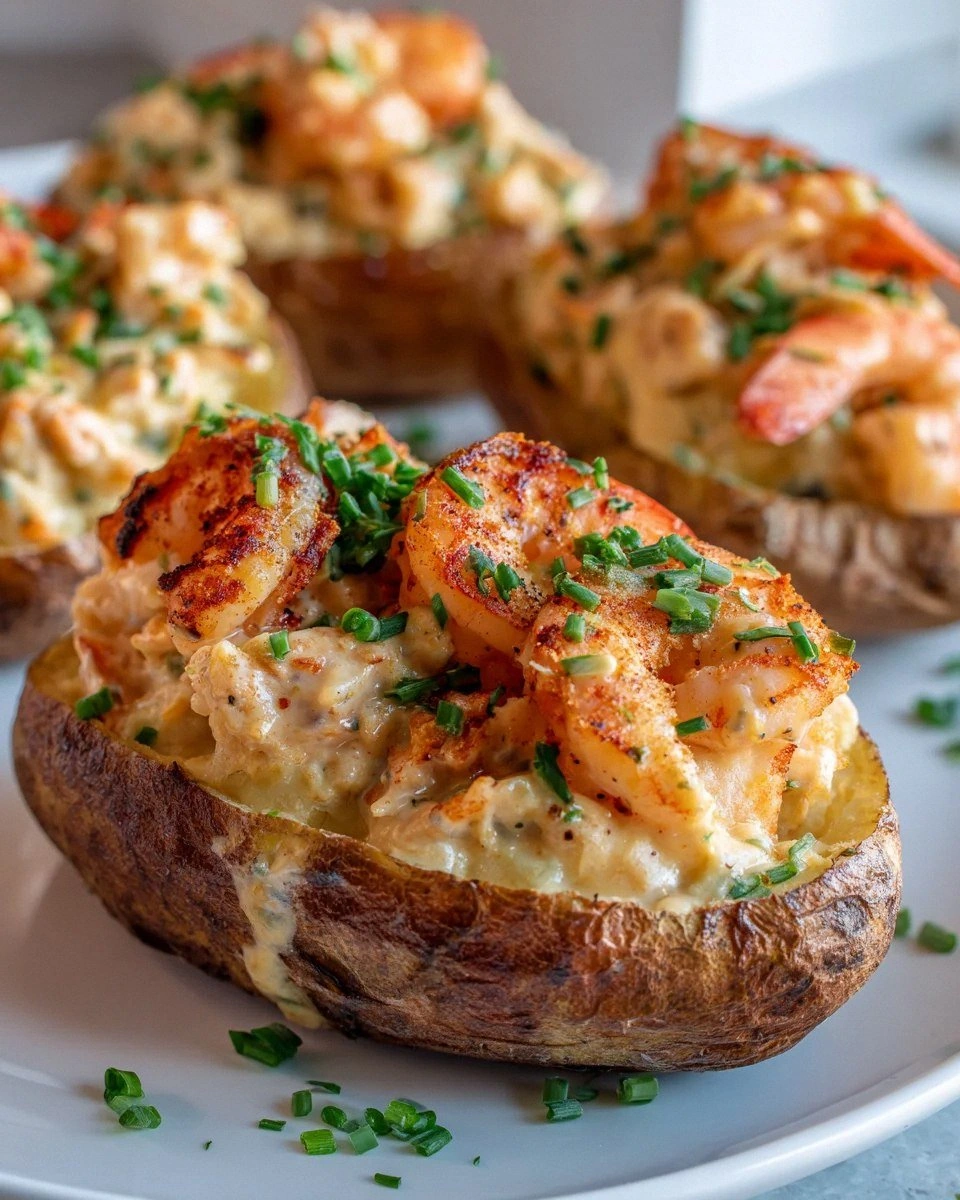
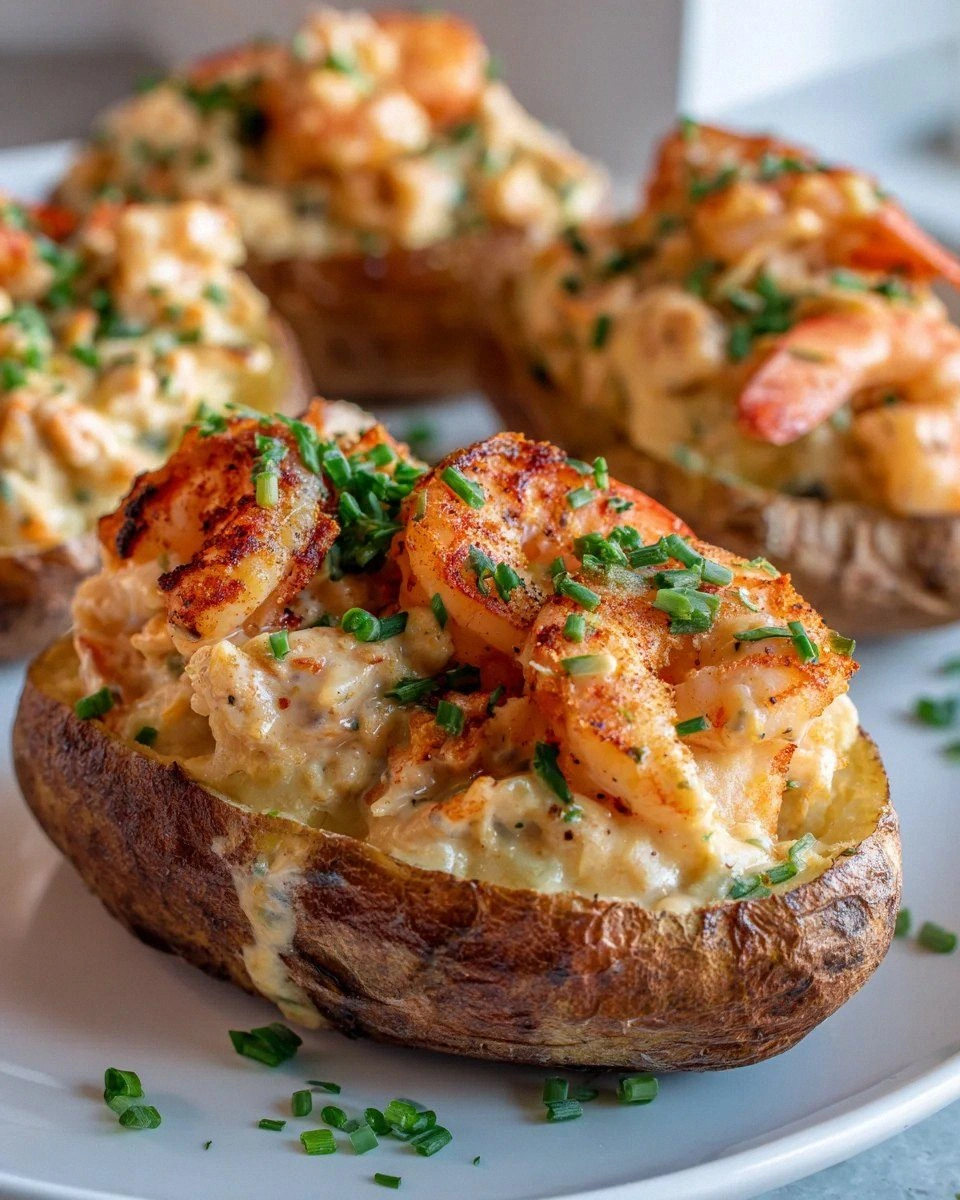
When the first batch of potatoes emerged from the oven, their skins were crisped to a golden‑brown perfection, and the interiors were as fluffy as a cloud on a summer day. I scooped out the flesh, mixed it with butter, sweet onion, and a generous splash of hot sauce, then folded in the crawfish tails that were still glistening with that sweet, briny oceanic perfume. The mixture was then stuffed back into the potato shells, crowned with a double‑cheese blend that melted into a glossy, bubbling top. The final bake transformed the dish into a masterpiece that looks like a work of art and tastes like a celebration in your mouth.
Most recipes for twice‑baked potatoes either drown the potato in cheese or skimp on the seafood, leaving you with a bland, one‑dimensional dish. This version, however, strikes the perfect balance: the buttery potato base, the creamy tang of sour cream, the subtle heat from Cajun seasoning, and the sweet‑savory burst of crawfish. The result is a symphony of textures — the crisp skin, the silky interior, and the tender seafood pockets that pop with each bite. I dare you to taste this and not go back for seconds; it’s that good.
And now, the game‑changer: I’m going to reveal a secret technique that most cooks overlook — a quick flash‑freeze of the crawfish tails before they hit the pan, which locks in moisture and gives them a snap that’s almost buttery. This tiny step elevates the entire dish from “pretty good” to “hands down the best version you’ll ever make at home.” Let me walk you through every single step — by the end, you’ll wonder how you ever made it any other way.
What Makes This Version Stand Out
- Flavor Explosion: The Cajun seasoning and hot sauce create a heat‑kissed backdrop that amplifies the natural sweetness of the crawfish without overwhelming it.
- Texture Harmony: Crispy potato skins meet a velvety interior, while the seafood adds a tender bite that contrasts beautifully with the cheesy crust.
- Simplicity Meets Sophistication: Only a handful of pantry staples are needed, yet the final presentation looks like it belongs on a five‑star menu.
- Ingredient Quality: Using fresh, large russet potatoes and high‑quality crawfish tails (or shrimp) guarantees that every mouthful feels luxurious.
- Crowd‑Pleaser: Whether it’s a family dinner or a game‑day snack, this dish draws compliments like a magnet — people keep asking for the recipe.
- Make‑Ahead Magic: You can prep the stuffing ahead of time, refrigerate, and finish the bake just before serving, saving you stress on busy nights.
- Versatile Base: The potato foundation can be swapped for sweet potatoes or even large baked squash for a seasonal twist.
- Visual Appeal: The golden‑brown cheese top, speckled with green onion confetti, makes the dish as Instagram‑worthy as it is tasty.
Inside the Ingredient List
The Flavor Base
Sweet onion and garlic are the dynamic duo that lay the foundation for any great dish. The onion adds a subtle caramelized sweetness, while garlic brings that unmistakable aromatic punch that makes your mouth water before the first bite. If you skip the onion, you’ll lose that depth; if you omit garlic, the dish can feel flat. A good swap for the onion is shallots, which lend a milder, more delicate flavor, while garlic powder can replace fresh cloves in a pinch, though you’ll miss the fresh bite.
Cajun seasoning is the heart‑throb of this recipe, delivering smoky paprika, earthy oregano, and a whisper of thyme. It’s the secret that turns a simple potato into a Southern‑style celebration. If you can’t find Cajun, try a blend of smoked paprika, garlic powder, and a pinch of cayenne — you’ll still get that warm, spicy hug.
The Texture Crew
Butter and sour cream are the creamy anchors that bind everything together. Butter adds richness and helps the potato mash achieve a silky texture, while sour cream introduces a tang that cuts through the richness, preventing the dish from feeling heavy. Skipping butter will make the mash dry; leaving out sour cream will mute the bright note that balances the cheese and spice.
The cheese duo — Fiesta blend and Monterey Jack — is a strategic pairing. Fiesta brings a colorful, slightly sharp flavor, while Monterey Jack melts like butter, creating that gooey pull‑apart texture. If you’re dairy‑intolerant, try a blend of dairy‑free cheddar and a plant‑based melt cheese; the flavor profile will shift but the meltiness stays.
The Unexpected Star
Crawfish tails (or shrimp) are the surprise celebrity in this dish. Their sweet, briny flavor is a perfect counterpoint to the earthy potatoes and spicy seasoning. Fresh crawfish is ideal, but frozen works just as well if you thaw them properly. Overcooking them turns them rubbery, so a quick flash‑freeze before sautéing keeps them tender and juicy.
If you’re not a fan of crawfish, large shrimp, scallops, or even diced lobster can step into the spotlight. Each brings its own nuance: shrimp adds a firmer bite, scallops melt in your mouth, and lobster offers an indulgent luxury.
The Final Flourish
Green onions, divided, provide a fresh, slightly sharp finish that brightens the dish after the rich, cheesy bake. The first half is folded into the stuffing, infusing the interior with subtle oniony notes, while the second half is sprinkled on top just before the final bake, adding a pop of color and a gentle crunch. If you’re out of green onions, chives or thinly sliced shallots work beautifully.
A dash of hot sauce (just half a teaspoon) is the secret weapon that adds a whisper of heat without overwhelming the palate. It’s the kind of subtle heat that makes you notice the flavor layers dancing together. Feel free to adjust based on your spice tolerance, but remember — a little goes a long way.
Everything's prepped? Good. Let's get into the real action...
The Method — Step by Step
Preheat your oven to 425°F (220°C). While the oven warms, scrub the potatoes clean, pat them dry, and prick each one a dozen times with a fork. Place them directly on the oven rack with a sheet pan on the lower rack to catch any drips. Bake for 45‑55 minutes, until the skins are crisp and a fork slides in with just a little resistance. That sizzle when it hits the pan? Absolute perfection.
While the potatoes are baking, melt 3 tablespoons of butter in a large skillet over medium heat. Add the chopped sweet onion and sauté for 3‑4 minutes, until it turns translucent and starts to caramelize. Then toss in the minced garlic and the first half of the green onions, cooking for another minute until fragrant. Watch Out: Garlic can burn quickly; keep the heat moderate and stir constantly.
- Kitchen Hack: Before adding the seafood, spread the thawed crawfish tails on a parchment sheet and flash‑freeze for 2 minutes. This creates a thin ice crust that locks in moisture during sautéing.
Increase the heat to medium‑high and add the crawfish tails (or shrimp). Sauté for 2‑3 minutes, just until they turn pink and opaque. They should still have a slight bite — overcooking will make them rubbery. Sprinkle in the Cajun seasoning and hot sauce, stirring to coat the seafood evenly. The aroma should become intoxicatingly spicy at this point.
Remove the skillet from heat. In a large mixing bowl, combine the butter‑onion‑seafood mixture with the sour cream, both cheese blends, and the remaining half cup of green onions. Mix until you have a creamy, slightly chunky stuffing. Season with salt and pepper to taste, remembering that the cheese already adds some saltiness.
When the potatoes are done, let them cool just enough to handle (about 5 minutes). Slice each potato lengthwise, being careful not to cut all the way through. Gently scoop out the interior, leaving about ¼‑inch of potato flesh attached to the skin for structural integrity. Transfer the scooped flesh to the mixing bowl and mash it together with the stuffing mixture, ensuring every bite will be uniformly flavored.
Carefully spoon the enriched mash back into each potato shell, mounding it slightly above the rim. This extra height ensures a beautiful, bubbly crust once baked. Sprinkle an additional handful of shredded cheese on top of each potato for that golden‑brown finish.
Return the stuffed potatoes to the oven, lowering the temperature to 375°F (190°C). Bake for 15‑20 minutes, until the cheese melts, turns a deep amber, and the edges of the potatoes start to pull away from the pan. You’ll know it’s ready when you see the cheese bubbling like a lava flow.
- Watch Out: If you over‑bake, the potatoes can dry out. Keep an eye on the cheese — once it’s golden and slightly crisp, pull the dish out.
Remove the potatoes from the oven and let them rest for 3‑4 minutes. This short rest allows the interior to settle, making the final bite creamy rather than runny.
Finish with a final garnish of the remaining chopped green onions for a fresh pop of color and a hint of sharpness. Serve immediately, and watch as your guests dive in, their faces lighting up with each bite. I dare you to taste this and not go back for seconds — the combination is that addictive.
That’s it — you did it. But hold on, I've got a few more tricks that'll take this to another level. Stay with me here — this is worth it.
Insider Tricks for Flawless Results
The Temperature Rule Nobody Follows
Never bake the potatoes at a low temperature hoping for a “slow cook.” High heat (425°F) creates a crisp skin while keeping the interior airy. If you start at a lower temperature, the skins become soggy, and you lose that satisfying crunch. I once tried 350°F and ended up with a mushy disaster — lesson learned.
Why Your Nose Knows Best
Your sense of smell is a more reliable indicator than a timer when it comes to the final bake. When the cheese starts to turn a deep amber and you catch that buttery, nutty aroma, the potatoes are ready. If you’re unsure, lift the pan slightly; the scent should be inviting, not burnt.
The 5‑Minute Rest That Changes Everything
Allowing the potatoes to rest after the final bake lets the cheese set and the interior steam settle. This short pause prevents the stuffing from sliding out when you cut into it, and it also intensifies the flavors as they meld together. Skipping this step often results in a sloppy, soggy mess.
Seasoning Layering Mastery
Season in layers: a pinch of salt in the potato mash, a dash of Cajun in the seafood sauté, and a final sprinkle of pepper just before serving. This technique builds depth, ensuring every bite hits multiple flavor peaks. I once tried seasoning only at the end and the dish tasted flat.
The Secret of the Double Cheese
Using two cheese varieties creates a flavor and texture contrast: Fiesta blend adds a mild sharpness and a splash of color, while Monterey Jack melts into a silky blanket. If you substitute a single cheese, you lose that dynamic interplay. The result? A less exciting, one‑note finish.
Creative Twists and Variations
This recipe is a playground. Here are some of my favorite ways to switch things up:
Spicy Chorizo Surprise
Swap the crawfish for crumbled chorizo and add a teaspoon of smoked paprika. The porky heat pairs beautifully with the creamy potato, and the dish takes on a bold, smoky character that’s perfect for game night.
Mediterranean Magic
Replace the Cajun seasoning with a blend of oregano, thyme, and a splash of lemon zest. Add chopped Kalamata olives and sun‑dried tomatoes to the stuffing. The result is a bright, tangy twist that feels like a seaside vacation.
Veggie‑Heavy Delight
Omit the seafood and double the green onions, add diced bell peppers, and fold in a cup of roasted corn kernels. Top with a sprinkle of cotija cheese for a Mexican‑inspired spin that’s still indulgent.
Cheesy Bacon Bomb
Crumble cooked bacon into the stuffing and increase the cheese ratio to ¾ cup each. The salty crunch of bacon melds with the creamy cheese, turning each bite into a decadent, comfort‑food explosion.
Herb‑Infused Sweet Potato
Swap russet potatoes for sweet potatoes, and add fresh rosemary and thyme to the mash. The natural sweetness of the tuber balances the Cajun heat, creating a harmonious sweet‑spicy profile.
Vegan Victory
Use plant‑based butter, coconut yogurt instead of sour cream, and a vegan cheese blend. Replace the crawfish with sautéed king oyster mushrooms for a meaty texture. The dish remains indulgent while being entirely plant‑based.
Storing and Bringing It Back to Life
Fridge Storage
Place the cooled, stuffed potatoes in an airtight container and store them in the refrigerator for up to 3 days. When ready to reheat, preheat the oven to 350°F (175°C), add a splash of water to the baking dish, cover with foil, and heat for 15‑20 minutes. The water creates steam that revives the fluffy interior.
Freezer Friendly
Wrap each stuffed potato tightly in plastic wrap, then place them in a freezer‑safe bag. They’ll keep for up to 2 months. To reheat, thaw overnight in the fridge, then follow the fridge reheating method, adding a little extra water if needed.
Best Reheating Method
For the crispiest skin, reheat uncovered on a preheated baking sheet at 375°F (190°C) for 10‑12 minutes. The cheese will re‑melt, and the skin will regain its golden crunch. If you prefer a softer skin, cover with foil for the first half of reheating.