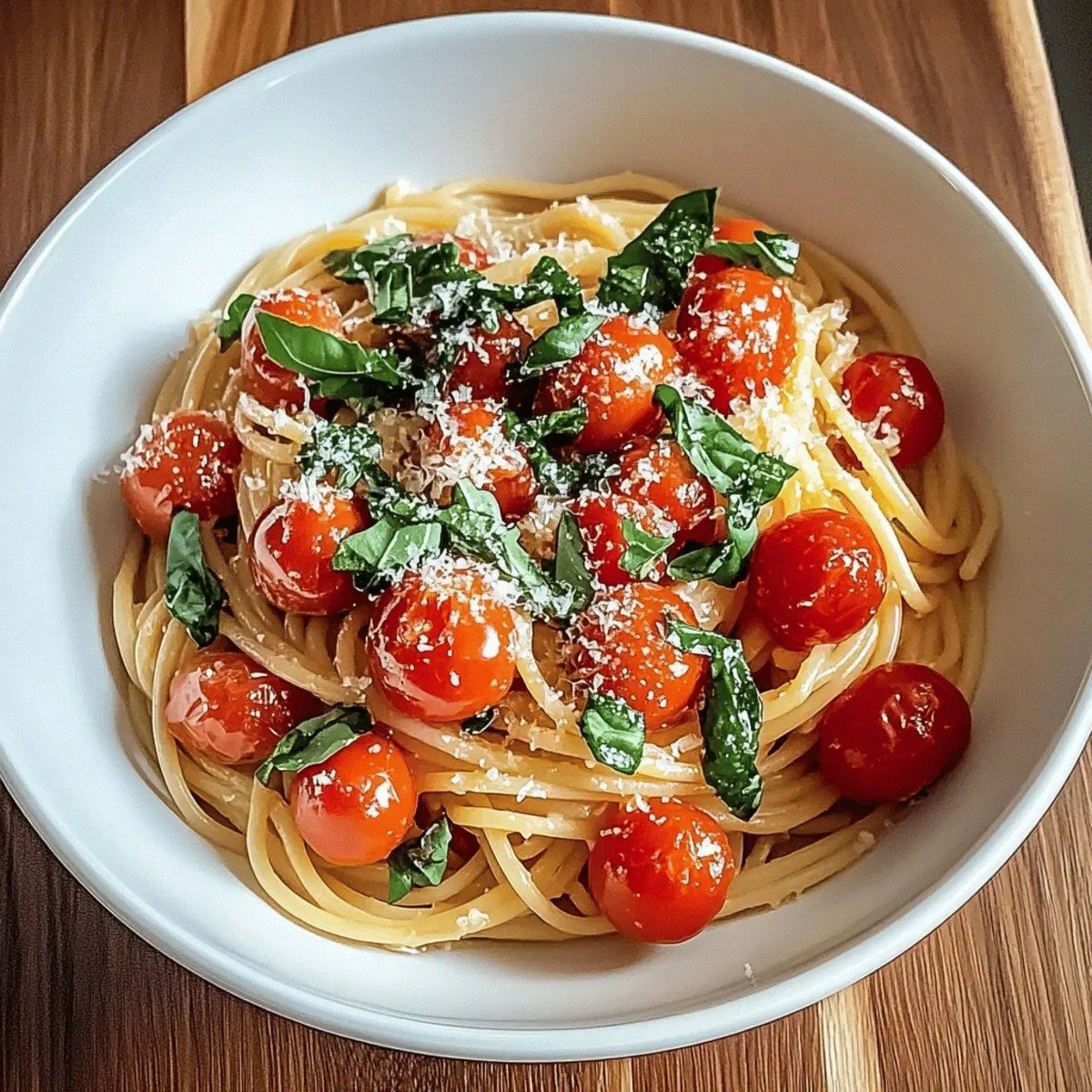
Last Tuesday at 7:03 p.m. I was standing in my kitchen wearing mismatched socks, hair in a tornado bun, absolutely starving and cursing the fact that I’d promised friends I’d bring “something good” to the rooftop potluck at eight. My original plan—slow-roasted tomato galette—was a bust because, surprise, the oven decided to stage a rebellion. The farmers-market tomatoes on my counter, however, were practically glowing, perfuming the air with that sun-warmed greenhouse scent that makes you think you’re on a hillside in Sicily instead of a cramped city apartment. I grabbed them like stolen treasure, muttering something dramatic about fate, and twenty-seven minutes later I was twirling silky strands of tomato-basil pasta straight from the skillet, sauce clinging like velvet, basil doing its floral little dance on top. The first bite nearly buckled my knees: sweet-tart tomatoes bursting into bright juice, garlic edges caramelized to candy, and a whisper of balsamic that makes your tongue do a double-take. I dare you to taste this and not go back for seconds; I’m pretty sure I ate half the batch before anyone else got to try it, standing over the pan with a fork like a raccoon over trash.
Picture yourself pulling this out of the oven—except there’s no oven involved, just a single skillet humming on your stove—the whole kitchen smelling like a seaside trattoria where calories don’t count and the tomatoes are always perfect. The sauce coats each noodle so completely it practically dyes the pasta ruby from the inside out, and when you grate that final snowfall of Parmesan on top it melts into lacy webs that shimmer under the light. If you’ve ever struggled with watery marinara or bland “fresh tomato” sauces that taste like watered-down salsa, you’re not alone—and I’ve got the fix. This is hands down the best version you’ll ever make at home, and it’s faster than ordering take-out, cheaper than a single fancy coffee, and so forgiving you could practically text it in. Stay with me here—this is worth it.
Okay, ready for the game-changer? We’re not just simmering tomatoes; we’re blistering them until their skins pop like tiny balloons, concentrating sugars into sticky syrup while the garlic turns into savory little golden nuggets. Instead of dumping everything together, we layer flavor like a soundtrack: first the peppery olive oil hitting hot metal with that hiss that means business, then chili flakes for a subtle drumbeat, balsamic for bass, basil for high notes, and Parmesan for the applause at the end. Most recipes get this completely wrong and dump basil in too early (hello, muddy swamp color) or skip the final splash of pasta water (gluey sauce tragedy). We’re doing it right, and we’re doing it in one pan because dishes are the enemy of summer joy. Let me walk you through every single step—by the end, you’ll wonder how you ever made it any other way.
What Makes This Version Stand Out
- Lightning Speed: From zero to face-plant in thirty minutes flat, including the time it takes to boil water. You could literally watch a sitcom episode and finish dinner before the credits roll.
- Flavor Layering Magic: We start with cold oil and sliced garlic so the cloves infuse every drop, then crank the heat to blister tomatoes—sweet meets smoky in one seamless move.
- No-Sieve Sauce: The natural juices emulsify with starchy pasta water into a glossy coat that clings better than static; no blender, no straining, no fancy gear.
- Summer in a Bowl: Fresh cherry tomatoes keep things bright; basil goes in off-heat so it stays neon green and explosively fragrant.
- One-Pan Wonder: Pasta cooks while sauce happens; everything marries in the same skillet, meaning you can spend the extra minutes outside chasing sunset instead of scrubbing pots.
- Make-Ahead Friendly: Double the tomato base, stash half in the fridge, and you’ve got weeknight dinner faster than microwaving pizza rolls—just reheat and toss with fresh pasta.
Alright, let’s break down exactly what goes into this masterpiece—and why each player matters more than you think.
Inside the Ingredient List
The Flavor Base
Olive oil gets the party started, but not just any glug from the back of the cabinet. Reach for the good stuff—fruity, peppery, something you’d happily dip bread into. When it hits the cool pan with raw garlic it has time to slowly perfume the oil, so every subsequent ingredient tastes like it’s been vacationing in an Italian grove. Skimp here and the whole dish tastes flat, like listening to a symphony with dampened strings.
The Texture Crew
Cherry tomatoes are the sweetheart of summer, but size matters: smaller ones (think gumball, not golf ball) have a higher skin-to-juice ratio, meaning they blister faster and release just enough liquid without turning everything into soup. If all you’ve got are larger varieties, halve them, but keep the cut side down for maximum caramel contact. Salt early to draw moisture, then crank the heat; water evaporates, flavor concentrates, and you’ll get those crispy edges that shatter like thin ice.
The Unexpected Star
Balsamic vinegar is the clandestine weapon your sauce never knew it needed. A single tablespoon amplifies tomato sweetness the way a pinch of salt makes chocolate sing. Go easy—too much and you’re in salad-dressing territory—but skip it and the dish tastes one-dimensional, like a joke without a punchline.
The Final Flourish
Basil goes in off the heat so its volatile oils don’t ghost away, and Parmesan—freshly grated, pre-shredded bagged stuff need not apply—melts into tiny pockets of umami. Think of basil as confetti and Parm as the glue that makes everything stick together in delicious harmony.
Everything’s prepped? Good. Let’s get into the real action...
The Method — Step by Step
- Fill your biggest pot with water, salt it until it tastes like the sea, and bring to a boil over high heat. Don’t be shy—under-salted water is the number-one reason home pasta tastes meh even when the sauce rocks. While the water heats, rinse your tomatoes and pat them dry; excess moisture delays blistering. You should hear the pot rumbling like distant thunder by the time you’ve finished slicing garlic into paper-thin slivers.
- Drop the pasta into the now-roiling water, give it a confident stir so nothing clumps, and set a timer for two minutes less than package directions. We’re finishing it in the sauce, so think of the boil as pre-gaming. Meanwhile, place a large skillet on medium-low and add the olive oil and garlic. Cold-pan start equals gentle infusion; the garlic should sigh, not shriek.
- When the garlic turns translucent and you can smell it across the kitchen—about three minutes—crank the heat to medium-high and tumble in the tomatoes. They should sizzle like applause. Sprinkle with salt and a few cracks of pepper; the crystals draw out juices, which become the broth of your sauce. Resist the urge to stir too much; letting them sit develops those gorgeous charred spots.
- After four minutes the tomato skins blister and split, releasing ruby juice. Smash a few gently with the back of a spoon to create saucy pockets while leaving others whole for textural pop. Add red-pepper flakes now so their heat blooms in the oil rather than harshly biting at the end. The aroma should be heady, almost wine-like; if not, your tomatoes need a pinch of sugar to wake them up.
- Ladle out a cup of pasta water—liquid gold, remember—then drain the pasta. Add noodles straight into the skillet along with the balsamic. Toss like you mean it; starch plus tomato juices equal cling-factor nirvana. If things look tight, splash in water a tablespoon at a time until everything slips and slides. The sauce should coat but never puddle.
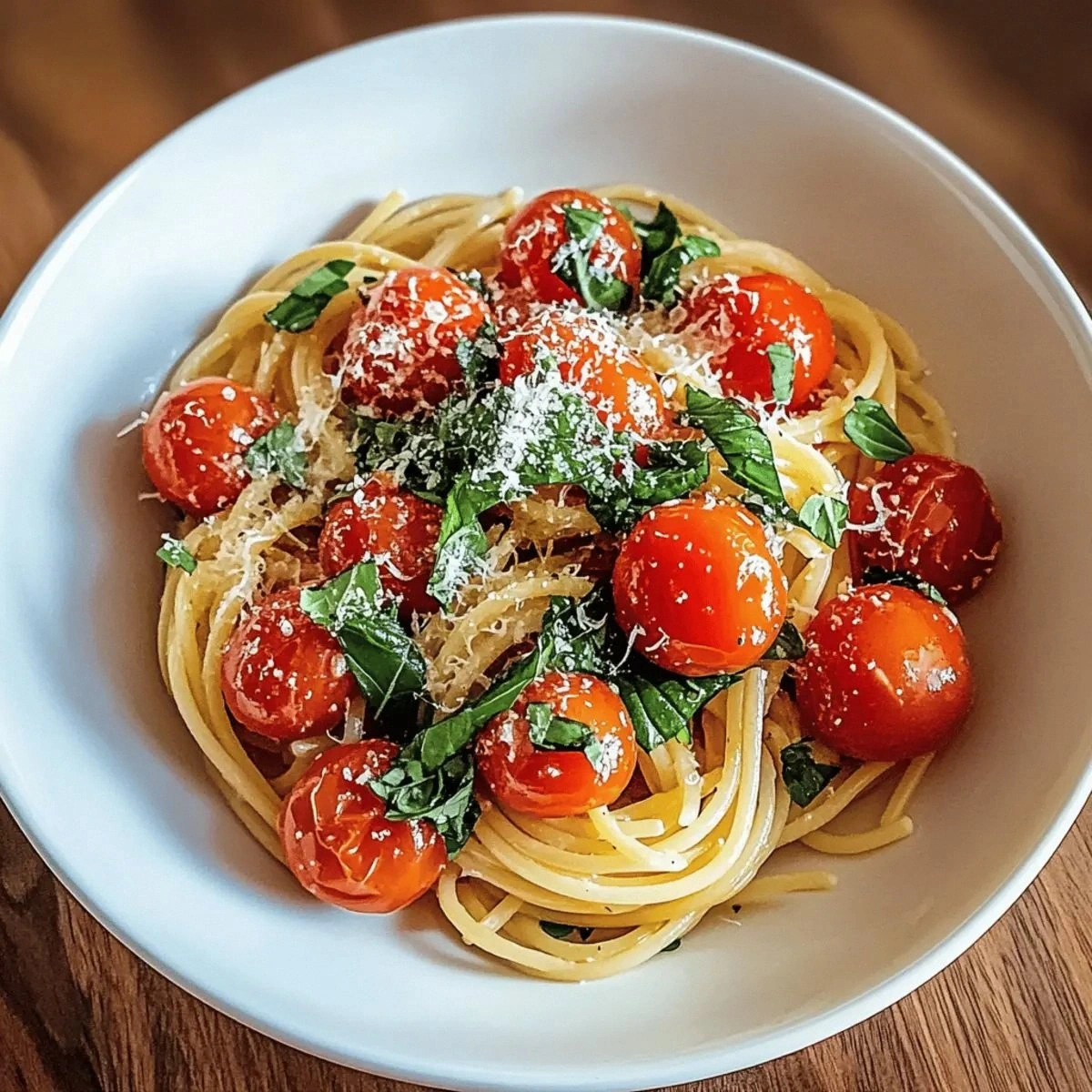
- Kill the heat, scatter the basil over the top, and fold once—twice if you’re fancy. The residual warmth wilts leaves just enough to release perfume without turning them into army-green mush. Add Parmesan and keep tossing until you see strings form, like cheese pulling a tiny mozzarella stunt. Taste, adjust salt, and prepare for applause.
- Serve immediately in warmed bowls because cold ceramics steal heat faster than a pickpocket in Naples. Garnish with extra basil ribbons and a final snow of Parm. Listen for that satisfied silence around the table—the one where chewing is the only conversation.
That’s it—you did it. But hold on, I’ve got a few more tricks that’ll take this to another level...
Insider Tricks for Flawless Results
The Temperature Rule Nobody Follows
Keep your burner at medium-high, not volcanic. Too-hot oil burns garlic before it infuses, leaving bitter shards that overpower sweet tomatoes. If you see smoke curling before the garlic turns translucent, yank the pan off heat and let it calm down. Patience equals sweet, mellow garlic oil; haste equals acrid disappointment.
Why Your Nose Knows Best
Trust aroma checkpoints more than timers. When the tomatoes start smelling like warm strawberry jam, they’re ready for pasta; if they still smell raw and grassy, give them another minute. A friend tried skipping this step once—let’s just say it didn’t end well, and her sauce tasted like watered-down gazpacho.
The 5-Minute Rest That Changes Everything
Let the finished pasta sit off heat for five minutes before serving. Starches absorb excess moisture, flavors mingle like guests at a cocktail party, and the temperature drops to that perfect “shovel without burning tongue” zone. Cover loosely with a lid so steam doesn’t slide down and waterlog your glossy sauce.
Creative Twists and Variations
This recipe is a playground. Here are some of my favorite ways to switch things up:
Caprese Remix
Toss in mini mozzarella balls after the heat is off so they soften into creamy pockets. Finish with a drizzle of pesto for herb-overload glory. Kids love the treasure-hunt element of finding melty cheese pearls.
Smoky Bacon Vibe
Start by rendering two strips of diced pancetta in the pan until crisp; remove to a paper towel and sprinkle on top at the end. The porky oil replaces olive oil and adds campfire depth.
Seafood Splash
Fold in a handful of raw shrimp during the tomato blister stage; they turn coral-pink in about three minutes and drink up the sauce. A squeeze of lemon over the top makes the whole thing taste like a beach vacation.
Vegan Dream
Swap Parmesan for toasted pine nuts ground with a pinch of nutritional yeast; you’ll get nutty richness without dairy. Finish with a glug of peppery olive oil instead of cheese.
Spicy Midnight Edition
Double the red-pepper flakes and add a diced Calabrian chili for back-of-throat warmth that blooms slowly. Perfect for those nights you want dinner to taste like mischief.
Autumn Comfort
Sub cherry tomatoes for diced heirloom plus a tablespoon of tomato paste; cook paste in the oil for one minute before adding fresh tomatoes. You’ll get deeper umami that pairs beautifully with a crusty loaf on cool evenings.
Storing and Bringing It Back to Life
Fridge Storage
Pack leftovers into a shallow airtight container and refrigerate up to four days. The flavors actually intensify overnight, so day-two lunch can be even better. Let the container come to room temp for fifteen minutes before reheating; sudden heat shocks starch and causes sauce separation.
Freezer Friendly
Freeze portions in zip-top bags pressed flat; they thaw in minutes under warm tap water. Note: basil darkens in the freezer, so stir in fresh leaves after reheating for brightest flavor. Keeps two months without quality drop.
Best Reheating Method
Warm a non-stick skillet over medium, add pasta, then drizzle two tablespoons of water and cover for two minutes. The steam revives silkiness without extra oil. Stir once, top with fresh Parm, and you’d swear it was just made.