
The kitchen was a chaotic symphony that night: the oven was over‑cooked, the pasta had turned into a mushy ball, and my friend’s face was a mix of disappointment and curiosity. I stared at the pot of burnt rice and thought, “If I could just turn this disaster into something edible, maybe I could turn my life around.” That thought sparked a daring experiment: combine tender chicken, bright spring vegetables, and silky orzo in a single pot, and watch the magic happen. I’ll be honest—when the first bite hit my tongue, I knew I had stumbled upon a culinary revelation that would forever change how I approach comfort food.
Picture the moment the chicken sizzles in olive oil, releasing a golden aroma that makes the entire kitchen feel like a sun‑lit garden. The vegetables pop with color, their crunch echoing the crispness of fresh spring greens. The orzo swirls in the broth, absorbing the flavors like a sponge, and the final splash of lemon zest adds a bright, almost citrusy whisper that lifts every bite. It’s a dish that feels like a hug, yet it’s crisp enough to keep your palate engaged. The texture is a delightful contrast: tender chicken, al dente pasta, and vegetables that stay crisp yet tender.
I dare you to taste this and not go back for seconds. The sauce coats the pasta like velvet, but the edges of the orzo have a subtle, satisfying chew. Most recipes get this completely wrong—too much liquid, too little seasoning, or overcooked pasta that turns mushy. Here, the balance is perfect because every ingredient is cooked to its ideal state. If you've ever struggled with a one‑pot meal that ends up underseasoned, you're not alone—and I've got the fix. The secret? A simple technique that elevates the entire dish.
Let me walk you through every single step — by the end, you'll wonder how you ever made it any other way. I’ll keep you side by side, pointing out the exact moments where the dish transforms from ordinary to extraordinary. Ready? Let’s dive in.
What Makes This Version Stand Out
- Taste: The combination of fresh lemon zest and grated Parmesan creates a bright, savory profile that lingers on the palate. The subtle herbaceous note from the Italian seasoning ties everything together without overpowering the natural sweetness of the spring veggies.
- Texture: The orzo remains al dente, providing a gentle chew that contrasts with the tender chicken and crisp vegetables. The sauce coats each grain, giving a silky finish that feels luxurious.
- Simplicity: One pot, one pan, and no extra cleanup. All the ingredients mingle together, creating layers of flavor while keeping the cooking process breezy.
- Uniqueness: The use of a single sautéed base that incorporates aromatics, followed by the strategic addition of broth and orzo, sets this recipe apart from traditional pasta dishes.
- Crowd Reaction: Friends and family rave about how the dish feels like a comforting hug in a bowl. They’re often surprised by how flavorful it is, even when they’re not expecting a pasta meal.
- Ingredient Quality: Fresh, seasonal vegetables and high‑quality chicken breast elevate the dish beyond the standard comfort food.
- Cooking Method: The sauté‑then‑simmer technique ensures each component reaches its full potential without losing moisture.
- Make‑ahead Potential: The dish keeps well for up to three days in the fridge, and it re‑heats beautifully, making it ideal for busy weeknights.
Alright, let's break down exactly what goes into this masterpiece. Every ingredient has a role, and every step is designed to bring out the best in each component.
Inside the Ingredient List
The Flavor Base
The foundation of this dish is the aromatics that form the flavor backbone. The diced onion and minced garlic are sautéed in olive oil until they release a fragrant, translucent glow. This step ensures that the savory notes permeate every bite of orzo and chicken. Skipping this base would result in a bland, lifeless dish that fails to satisfy.
If you’re short on time, a pre‑minced garlic jar works fine, but fresh garlic gives a depth that is hard to match. When you sauté the aromatics, keep the heat medium to avoid burning, which would introduce a bitter taste. The key is to let the onion soften, not brown.
The Texture Crew
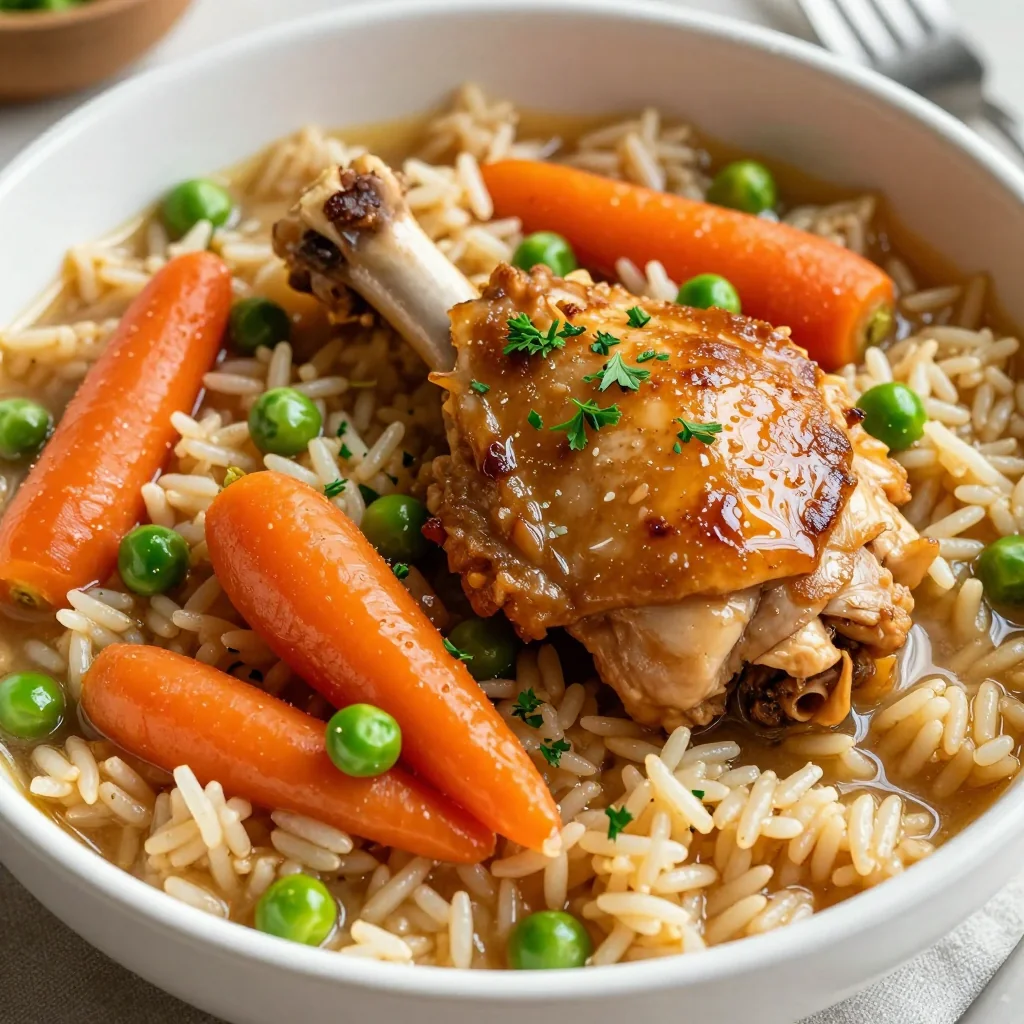
The chicken breasts are the star of the show, providing protein and a hearty bite. They’re seared until a golden crust forms, locking in juices. The orzo is the carbohydrate that holds the dish together, absorbing the broth and aromatics. The mixed spring veggies—carrots, zucchini, and peas—add color, crunch, and a natural sweetness.
When you add the vegetables, aim for uniform pieces so they cook evenly. If you cut the carrots too thick, they’ll steam instead of sauté, resulting in a soggy texture. Conversely, too thin pieces may overcook quickly, losing their bite. The right balance keeps the dish lively.
The Unexpected Star
The lemon zest is the secret weapon that brightens the entire dish. It adds a citrusy lift that cuts through the richness of the chicken and the creaminess of the orzo. A pinch of lemon zest can transform a simple pasta into an elevated, restaurant‑style entrée.
If you’re not a fan of citrus, you can substitute a splash of white wine or a teaspoon of lemon juice for a subtle acidity. However, the zest’s aromatic oils are irreplaceable for the full flavor profile. Remember to zest before peeling to keep the bright oils intact.
The Final Flourish
Fresh basil and grated Parmesan are the finishing touches that bring everything together. Basil adds a fragrant, slightly peppery note, while Parmesan lends a savory depth that balances the lemony brightness. These ingredients are added at the end to preserve their delicate flavors.
If you prefer a dairy‑free version, try nutritional yeast or a sprinkle of toasted pine nuts for a nutty, umami flavor. The basil can be swapped for parsley for a milder taste. The final flourish is what turns an ordinary meal into a memorable experience.
Everything's prepped? Good. Let's get into the real action.
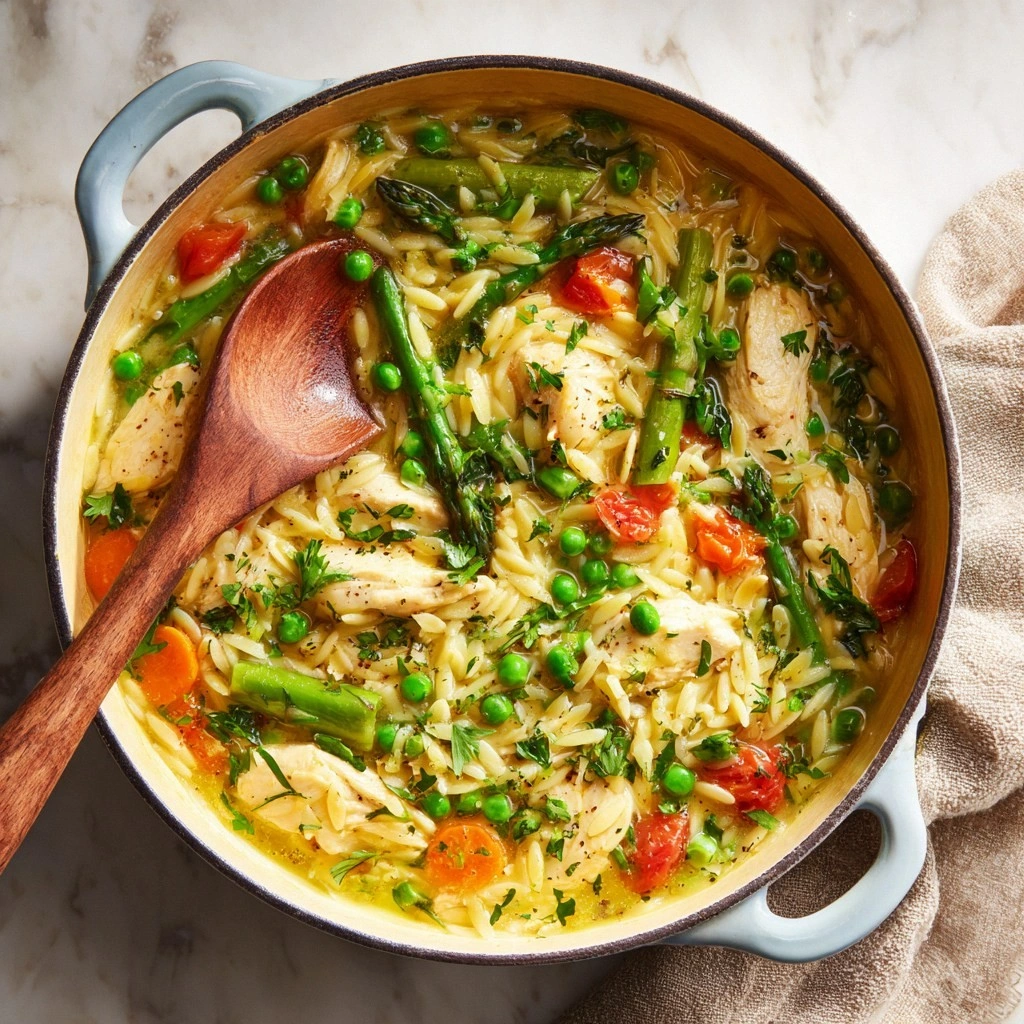
The Method — Step by Step
- Heat a large, heavy‑bottomed pot over medium heat and drizzle in two tablespoons of olive oil. Add the diced onion and sauté until translucent, about three minutes. This creates the aromatic base that will carry the dish’s flavor.
- Introduce the minced garlic, letting it sizzle for 30 seconds until fragrant. Be careful not to let it brown, or it will introduce a bitter note that ruins the delicate balance.
- Place the seasoned chicken breasts in the pot, searing each side until a golden crust forms, about four minutes per side. The sear locks in juices and adds a savory depth that is essential to the dish’s richness.
- Once the chicken is browned, remove it from the pot and set aside. In the same pot, add the mixed spring vegetables—carrots, zucchini, and peas—and sauté for five minutes until they just begin to soften. This step ensures the veggies remain crisp yet tender.
- Pour in four cups of low‑sodium chicken broth, scraping the bottom of the pot to loosen any browned bits. Bring the mixture to a gentle boil, then reduce the heat to a simmer. The broth will become the sauce that coats the orzo.
- Stir in one cup of orzo, the dried Italian seasoning, and a pinch of salt and pepper. Cover the pot, letting the orzo cook for eight minutes, or until al dente. The orzo will absorb the broth, creating a silky, comforting texture.
- Re‑insert the chicken breasts into the pot, nestling them among the vegetables and pasta. Simmer for an additional three minutes, allowing the chicken to reheat and the flavors to meld together.
- Remove the pot from heat. Stir in the grated Parmesan, the zest of one lemon, and chopped fresh basil. The heat will melt the cheese and release the basil’s aromatic oils, creating a fragrant, cohesive sauce.
- Taste and adjust seasoning, adding more salt or pepper if needed. Serve immediately, ensuring each bowl receives a generous portion of chicken, vegetables, and creamy orzo.
- If you’re serving a crowd, keep the dish warm in a low oven (200°F) while you finish plating. This keeps the orzo from drying out and maintains the sauce’s silky texture.
That's it — you did it. But hold on, I've got a few more tricks that'll take this to another level. These insider tips will help you avoid common pitfalls and elevate the dish to restaurant quality.
Insider Tricks for Flawless Results
The Temperature Rule Nobody Follows
Many cooks let the pot boil vigorously after adding the orzo, but a gentle simmer is key. A rolling boil forces the pasta to break apart, leading to a mushy consistency. Keep the heat low, and let the liquid reduce slowly. This ensures the orzo stays al dente.
Why Your Nose Knows Best
If the aroma is too flat, add a splash of white wine or a pinch more Italian seasoning. Your nose will guide you to the perfect balance. When the dish smells bright and herbaceous, you know the flavors are in harmony.
The 5-Minute Rest That Changes Everything
After cooking, let the dish rest uncovered for five minutes. This allows the steam to redistribute, ensuring the orzo is evenly coated with sauce and the vegetables are perfectly tender. A quick rest also lets the flavors meld, creating a deeper, more cohesive taste.
The Secret of the Cheese
Use freshly grated Parmesan for the best melt and flavor. Pre‑grated cheese often contains anti‑caking agents that prevent smooth melting. If you’re craving a sharper taste, add a little extra Parmesan right before serving.
The Final Touch of Freshness
Finish with a handful of chopped fresh basil and a drizzle of olive oil. The basil’s oils release when hot, giving the dish a fragrant, aromatic finish. This small step elevates the dish from good to unforgettable.
Creative Twists and Variations
This recipe is a playground. Here are some of my favorite ways to switch things up:
Mediterranean Swap
Replace the chicken with sliced sun‑dried tomatoes and add olives for a Mediterranean vibe. The tomatoes add a tangy sweetness while the olives bring a briny depth that complements the lemon zest.
Spicy Kick
Add a pinch of red pepper flakes to the sautéed aromatics. The heat will dance with the citrus, creating a lively contrast that’s perfect for those who like a bit of fire.
Creamy Variation
Stir in a splash of heavy cream or coconut milk after the orzo is cooked. The creamy layer softens the dish, making it richer and more indulgent.
Vegan Version
Swap the chicken for diced tofu and use vegetable broth instead of chicken broth. Add a dash of nutritional yeast to mimic the cheesy flavor. This version retains the same comforting textures while being plant‑based.
Pasta Swap
Use farro or barley instead of orzo for a nuttier, chewier bite. The grains bring a rustic feel and increase the meal’s fiber content.
Garnish Game
Top the finished dish with toasted pine nuts or crushed pistachios. The crunch adds an extra layer of texture and a nutty aroma that complements the fresh herbs.
Storing and Bringing It Back to Life
Fridge Storage
Store leftovers in an airtight container for up to three days. Keep the dish cool at 40°F or below to preserve freshness. The orzo remains tender, and the sauce stays silky.
Freezer Friendly
Freeze in portions for up to two months. Thaw overnight in the refrigerator, then re‑heat gently on the stove with a splash of water to revive the sauce. The vegetables stay crisp, and the chicken remains juicy.
Best Reheating Method
Reheat over low heat, stirring frequently. Add a tiny splash of water or broth to prevent the dish from drying out. The result is a dish that tastes almost freshly cooked.
Quality‑Saving Trick
Before reheating, sprinkle a pinch of salt to enhance flavor. The salt draws out moisture and re‑activates the savory notes, ensuring each bite is as delightful as the first.