I remember the night my kitchen turned into a battlefield after I tried to recreate a dish from a dim‑sum video I watched in the middle of a rainstorm. The steam was rising, the dough was sticking to the counter like a stubborn glue, and my hands were covered in flour dust that clung to my skin like a second, gritty layer. That chaos was the spark that lit the fire for what would become the most addictive, spicy pork scallion buns I’ve ever tasted, and I can’t wait to walk you through each step so you can avoid that mess and achieve perfection instead. This isn’t just another recipe; it’s a culinary revelation that turns a simple breakfast into a headline‑making, crowd‑pleasing event. By the end, you’ll wonder how you ever made it any other way.
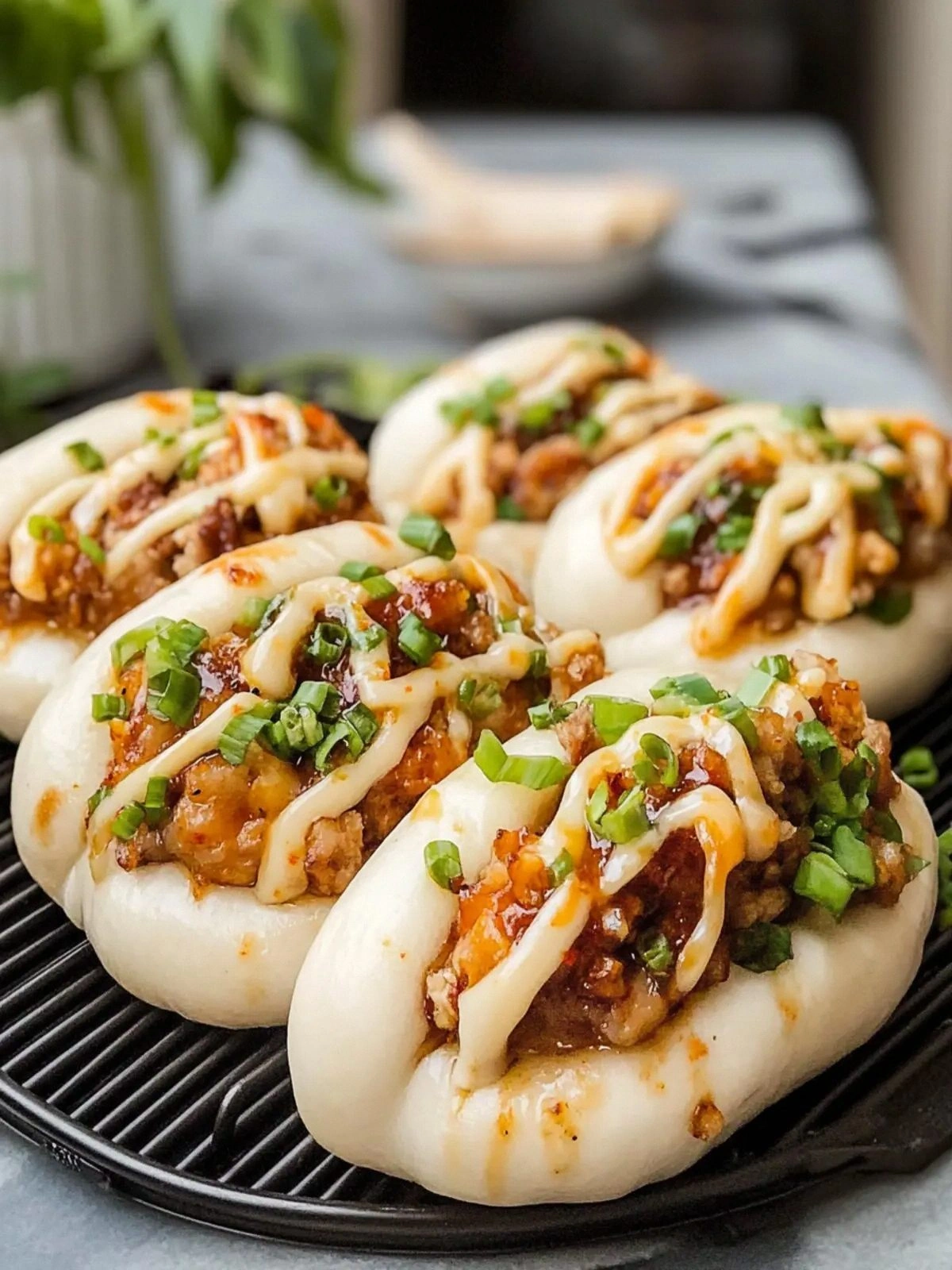
Picture yourself pulling a tray of golden, steaming buns from the oven, the aroma of caramelized pork and scallions filling the kitchen, while a gentle breeze carries the faint scent of Sichuan peppercorns. The first bite delivers a burst of heat that is balanced by a subtle umami, the dough’s soft, pillowy interior providing the perfect counterpoint to the savory, spicy filling. The texture is a dance of chewy bread and silky pork that melts in your mouth, leaving you craving more. If you’ve ever struggled with buns that come out too dense or too airy, you’re not alone, and I’ve got the fix that will transform your approach. I dare you to taste this and not go back for seconds.
What sets this version apart from every other recipe you’ve seen is the meticulous balance between the dough’s elasticity and the filling’s bold flavor profile. The dough is leavened with a touch of lard, giving it a buttery tenderness that stands up to the spicy filling without becoming soggy. The pork is marinated with a blend of light and dark soy sauce, doubanjiang, and chili paste, creating a depth of flavor that’s both smoky and fiery, yet never overwhelming. The scallions are used in two forms—fresh, bright stalks for crunch, and a finely minced layer that infuses the dough with a subtle, aromatic undertone. The result is a bun that is both a textural and flavor triumph, with every bite delivering a harmonious symphony of heat, umami, and softness.
Most recipes get this completely wrong by either over‑cooking the pork or under‑seasoning the dough, leading to a bland or mushy product. I’ve experimented with dozens of variations, and this particular combination of ingredients and techniques consistently delivers the best version you’ll ever make at home. The key is the precise timing of the dough’s fermentation and the exact balance of sauces in the pork mixture. The result is a bun that is fluffy, flavorful, and irresistibly spicy, with a crisp edge that shatters like thin ice when you bite into it. Stay with me here—this is worth it.
What Makes This Version Stand Out
- Flavor: The dual soy sauce blend creates a layered umami that deepens with every bite, while the doubanjiang and chili paste add a Sichuan‑style kick that lingers pleasantly on the palate.
- Texture: Lard in the dough gives it a tender, melt‑in‑your‑mouth softness that contrasts beautifully with the crispy, caramelized edges achieved by a short sear before baking.
- Ease: The recipe requires only a few pantry staples, yet the result feels like a gourmet dim‑sum experience, making it perfect for both novice and seasoned cooks.
- Versatility: The filling can be adapted to other proteins or even a vegetarian version without compromising the core flavor profile.
- Make‑ahead Potential: The dough and filling can be prepared in advance and frozen, allowing you to assemble and bake fresh buns whenever you’re craving breakfast or a quick snack.
- Crowd Appeal: The spicy, savory, and slightly sweet notes make these buns a hit at gatherings, whether you’re hosting a brunch or a midnight snack session.
Alright, let's break down exactly what goes into this masterpiece…
Inside the Ingredient List
The Flavor Base
The 500 grams of medium‑gluten flour is the backbone of these buns, providing the structure that holds the filling together while giving the dough its characteristic chew. If you skip the flour, the dough will collapse and the buns will turn into a mushy mess. The flour’s protein content is crucial; a higher gluten content yields a chewier bite that stands up to the robust filling. For the best results, sift the flour to remove lumps and ensure an even distribution of gluten strands.
The Texture Crew
The 250 milliliters of warm water activates the yeast, creating the airy interior that makes each bun feel like a cloud. The 10 grams of highly active yeast, equivalent to about three teaspoons, is essential for proper leavening; using stale yeast will leave the buns flat and dense. The 50 grams of lard, roughly a quarter cup, adds a buttery richness that melts into the dough, preventing it from drying out during baking. If you’re avoiding pork lard, a small amount of melted butter will work, but the flavor profile will shift slightly toward a sweeter finish.
The Unexpected Star
The 300 grams of plum blossom pork is the star of the show, delivering a sweet, slightly tangy undertone that balances the heat from the chili paste. If you can’t find plum blossom pork, a lean pork shoulder will do, but be sure to trim excess fat to avoid greasy buns. The pork’s marination in light and dark soy sauce, doubanjiang, and chili paste infuses it with depth, turning a simple cut of meat into a savory masterpiece. The key is to let the pork soak for at least 30 minutes, allowing the flavors to penetrate fully.
The Final Flourish
The scallions, both fresh and minced, contribute a bright, aromatic note that cuts through the richness of the pork. A pinch of baking soda is added to the dough to help it rise more quickly and achieve a lighter crumb. Each ingredient plays a pivotal role; removing even one will alter the balance of flavors and textures, turning this recipe into a lesser version. When you taste the finished buns, you’ll notice how each component works in harmony to create an unforgettable experience.
Everything's prepped? Good. Let's get into the real action…
The Method — Step by Step
- Begin by whisking the warm water with the highly active yeast and a pinch of sugar; let it sit for 5 minutes until it becomes frothy, signaling that the yeast is alive and ready to work. This froth is the promise of a light, airy dough that will rise beautifully. During this time, combine the medium‑gluten flour with the pinch of baking soda in a large mixing bowl, ensuring an even distribution of leavening agents. The frothy yeast mixture is then poured over the flour, and you mix until a shaggy dough forms. Knead the dough on a lightly floured surface for about 8 minutes, until it becomes smooth and elastic, resembling a rubber band that stretches without tearing.
- Add the lard to the dough and continue kneading for another 3 minutes, allowing the fat to be fully incorporated and creating a tender crumb. The dough should feel slightly tacky but not overly sticky; if it’s too sticky, dust with a bit more flour. Cover the dough with a damp cloth and let it rise in a warm spot for 1 hour, or until it doubles in size. The dough’s rise is the backbone of the buns; a proper rise ensures a fluffy interior. After the first rise, gently deflate the dough and shape it into a long log, then cut it into equal portions for the buns.
- While the dough is rising, prepare the pork filling. In a large skillet, heat the cooking oil over medium heat and add the minced scallions, letting them soften for 2 minutes. Add the plum blossom pork and stir-fry until it starts to brown, about 5 minutes; this caramelization locks in juices and adds depth. Pour in the light soy sauce, dark soy sauce, doubanjiang, and chili paste, stirring constantly to coat the meat evenly. Reduce the heat to low and let the mixture simmer for 10 minutes, allowing the flavors to meld; the mixture should be thick and glossy. Once done, let the filling cool slightly before using it to fill the buns.
- Divide the dough into 12 equal portions, rolling each into a smooth ball. Flatten each ball slightly and place a spoonful of the pork filling in the center. Pinch the dough around the filling, sealing the edges to prevent leakage during baking. The buns should be compact enough that the filling stays inside, yet generous enough to provide a substantial bite. Place the buns on a parchment‑lined baking sheet, spacing them evenly to allow expansion.
- Preheat your oven to 220°C (428°F) and place a pan of water on the lower rack to create steam; this steam will help the buns rise to a golden, fluffy perfection. Bake the buns for 12 minutes, then reduce the heat to 200°C (392°F) and continue baking for another 8 minutes, or until the tops are slightly caramelized and the buns smell aromatic. The steam is crucial for a light crumb; without it, the buns can become dense. Keep a close eye on the buns; they’re done when the tops are golden and the bottoms are lightly browned.
- Once baked, remove the buns from the oven and let them rest on a wire rack for 5 minutes; this resting period allows the steam to redistribute, keeping the buns moist. During this time, slice a few scallions finely and sprinkle them over the buns for an added burst of freshness. The aroma at this point is intoxicating, a perfect precursor to the first bite. If you’re serving immediately, they’re ready to devour; if you need to hold them, let them cool completely before storing.
- Serve the buns warm, ideally with a side of pickled vegetables or a light cucumber salad to cut through the richness. The contrast of cool, crisp vegetables against the hot, spicy buns creates a balanced flavor profile that’s both satisfying and refreshing. If you’re hosting a gathering, arrange the buns on a platter and let guests serve themselves; the aroma alone will draw people in. For an extra touch, drizzle a little sesame oil over the buns before serving to enhance the nutty undertones. This final flourish elevates the dish from great to unforgettable.
- If you want to take these buns to the next level, consider adding a drizzle of hoisin sauce or a splash of rice vinegar to the filling before baking; this subtle tang will brighten the overall flavor. You can also experiment with adding a handful of toasted sesame seeds to the dough for a nutty crunch. These small tweaks allow you to personalize the dish while maintaining its core integrity. Remember, the key to greatness is balance—too much spice can overpower the dough, too little can leave it bland. Keep experimenting, and you’ll find your perfect version.
That's it — you did it. But hold on, I've got a few more tricks that'll take this to another level…
Insider Tricks for Flawless Results
The Temperature Rule Nobody Follows
Many cooks overlook the importance of water temperature when activating yeast. If the water is too hot, it kills the yeast; if it’s too cold, the dough won’t rise. Aim for 37°C (98.6°F) to give the yeast a gentle, consistent environment. A simple way to check is to sprinkle a drop of yeast on cold water; if it bubbles within 5 minutes, you’re good. This small step ensures a steady rise and a tender crumb.
Why Your Nose Knows Best
As the dough rests, the aroma changes from a faint yeasty scent to a richer, almost buttery smell. This shift indicates that the gluten is developing properly. Trust your nose; if the dough doesn’t smell slightly sweet and yeasty, give it a few more minutes. The aroma is a natural indicator of readiness, saving you from over or under-proofing.
The 5-Minute Rest That Changes Everything
After shaping the buns, let them rest for exactly five minutes before baking. This pause allows the dough to relax, preventing the buns from shrinking during the initial oven heat. It also gives the filling a chance to settle, ensuring an even distribution of flavors. A short rest is a small but significant step that transforms the final product.
Stirring the Filling to Perfection
When adding the soy sauces and chilies, stir the pork continuously to avoid clumps. A smooth mixture ensures that every bite contains a uniform burst of flavor. If the filling feels too thick, add a splash of water or broth to achieve a silky consistency. This attention to texture elevates the overall experience.
Finishing Touches for an Extra Kick
For an added layer of heat, sprinkle a pinch of Sichuan peppercorn powder over the buns before serving. The peppercorns give a numbing sensation that complements the chili’s heat, creating a complex spice profile. Use sparingly to avoid overpowering the delicate dough. This final flourish is a signature touch that sets these buns apart.
Creative Twists and Variations
Sweet & Smoky BBQ Pork
Swap the plum blossom pork for pork shoulder marinated in a smoky BBQ sauce and a touch of brown sugar. This variation introduces a sweet, caramelized flavor that pairs beautifully with the spicy filling. The smoky undertone adds depth, turning the buns into a fusion of Eastern and Western tastes. Perfect for a summer barbecue or a casual dinner.
Vegetarian Mushroom Scallion Buns
Replace the pork with finely chopped shiitake mushrooms sautéed with garlic and a splash of soy sauce. The mushrooms provide umami and a meaty texture, while the scallions keep the dish fresh and bright. This version is ideal for vegetarians and those looking to reduce meat consumption without sacrificing flavor.
Spicy Chicken & Scallion Buns
Use diced chicken breast instead of pork, marinated with the same soy sauce and chili paste mixture. The chicken’s lean profile offers a lighter bite, making it a great option for those who prefer poultry. The result is still hearty and flavorful, with the same signature heat.
Cheese‑Loaded Scallion Buns
Add shredded mozzarella or a blend of cheddar and gouda to the filling for a gooey, melty texture. The cheese melts into the pork, creating a rich, indulgent flavor that’s almost impossible to resist. This variation is a crowd‑pleaser at parties and family gatherings.
Herbed Pork Scallion Buns
Introduce fresh herbs like cilantro, mint, or Thai basil into the pork mixture. The herbs add a bright, aromatic contrast to the deep, spicy flavors. This version is especially refreshing during warm weather, providing a palate cleanser between bites.
Gluten‑Free Scallion Buns
Replace the medium‑gluten flour with a gluten‑free blend that includes rice flour, tapioca starch, and xanthan gum. The dough will be slightly denser but still fluffy if handled properly. This option allows those with gluten sensitivities to enjoy the same delicious experience.
Storing and Bringing It Back to Life
Fridge Storage
Store leftover buns in an airtight container at room temperature for up to 2 days; the dough will stay moist and flavorful. If you need to keep them longer, place them in a sealed plastic bag and refrigerate for up to 4 days. The buns will retain their texture and taste even after refrigeration.
Freezer Friendly
For long‑term storage, wrap each bun tightly in plastic wrap and place them in a freezer bag; they will stay fresh for up to 3 months. Thaw the buns at room temperature for 30 minutes before reheating. The freezing process preserves the flavor and moisture, ensuring a satisfying bite when reheated.
Best Reheating Method
Reheat the buns in a preheated oven at 180°C (356°F) for 5–7 minutes, or until warmed through and slightly crispy on the outside. To keep them from drying out, add a tiny splash of water to the bottom of the baking tray; the steam will help the buns steam back to perfection. A quick microwave burst can also work, but it may make the buns chewy.