
I was standing in my kitchen, staring at a pile of bland, pre‑made puff pastry parcels that had been left in the fridge for a week. The smell of stale dough clung to the air, and the sight of the soggy edges made me gag. I had a craving for something that could transform that disappointment into a party‑ready, show‑stopping bite. That night, I decided to take a gamble on smoked salmon—a protein that’s already a crowd‑pleaser—and pair it with a creamy, herb‑laden filling that would make every bite feel like a secret indulgence. The result? A parcel that melts in your mouth, with a crisp, buttery crust that crackles like a fire‑lit campfire, and a filling that’s as bright as a summer sunrise. If you’ve ever tried a standard salmon parcel and felt let down, I’m about to show you why this version is hands down the best you’ll ever make at home.
Picture this: you slide a sheet of golden puff pastry onto the counter, the scent of toasted butter drifting up from the pan. The salmon slices are glossy, their smoked edges glistening with a hint of sea salt. As you fold the pastry into a neat parcel, the steam rises, carrying with it the sharp tang of capers and the earthy fragrance of fresh dill. The first bite is a symphony—crunch, cream, citrus, and the subtle smokiness that lingers on the palate. And that is just the beginning. I dare you to taste this and not go back for seconds.
What makes this recipe different from the countless other salmon parcel recipes that flood the internet? It’s the attention to detail, the balance of flavors, and the little tweaks that elevate it from ordinary to extraordinary. I’ve spent hours experimenting with ingredient ratios, pastry techniques, and finishing touches, and every single change was tested until it landed perfectly. The result is a parcel that looks as good as it tastes, a dish that can be made ahead of time, and a flavor profile that will have your guests asking for the recipe. If you’ve ever struggled with flaky pastry or under‑seasoned fillings, you’re not alone—and I’ve got the fix. This is the ultimate version that will make your kitchen the talk of the town.
I’m going to walk you through every single step, from selecting the freshest salmon to the final oven finish. By the end, you’ll wonder how you ever made it any other way. And if you’re ready for the game‑changer, keep reading. This next part? Pure magic.
What Makes This Version Stand Out
- Flavor: The combination of smoked salmon, capers, lemon zest, and dill creates a layered taste that is bright, briny, and utterly satisfying. Each bite delivers a burst of citrus that cuts through the richness, leaving a clean finish.
- Texture: The pastry is hand‑rolled to a precise thickness, ensuring it is crisp on the outside while remaining tender on the inside. The creamy filling swirls with silky cream cheese, creating a contrast that feels luxurious.
- Simplicity: Though the result is gourmet, the steps are straightforward. No fancy equipment, just a rolling pin and a sheet of puff pastry.
- Uniqueness: The addition of a splash of white wine in the filling and a touch of honey in the glaze gives this version a distinctive twist that sets it apart from the standard recipe.
- Crowd Reaction: At my last gathering, guests raved about the “wow” factor. The parcels were gone within minutes, and everyone wanted the recipe.
- Ingredient Quality: Using high‑grade smoked salmon and organic dill elevates the dish. Freshness is key, and I always source from a reputable fish market.
- Cooking Method: Baking at 200°C (400°F) with a brief broil at the end locks in the crispness without overcooking the salmon.
- Make‑Ahead Potential: You can assemble the parcels up to 24 hours in advance and bake them just before serving, making them perfect for parties.
Inside the Ingredient List
The Flavor Base
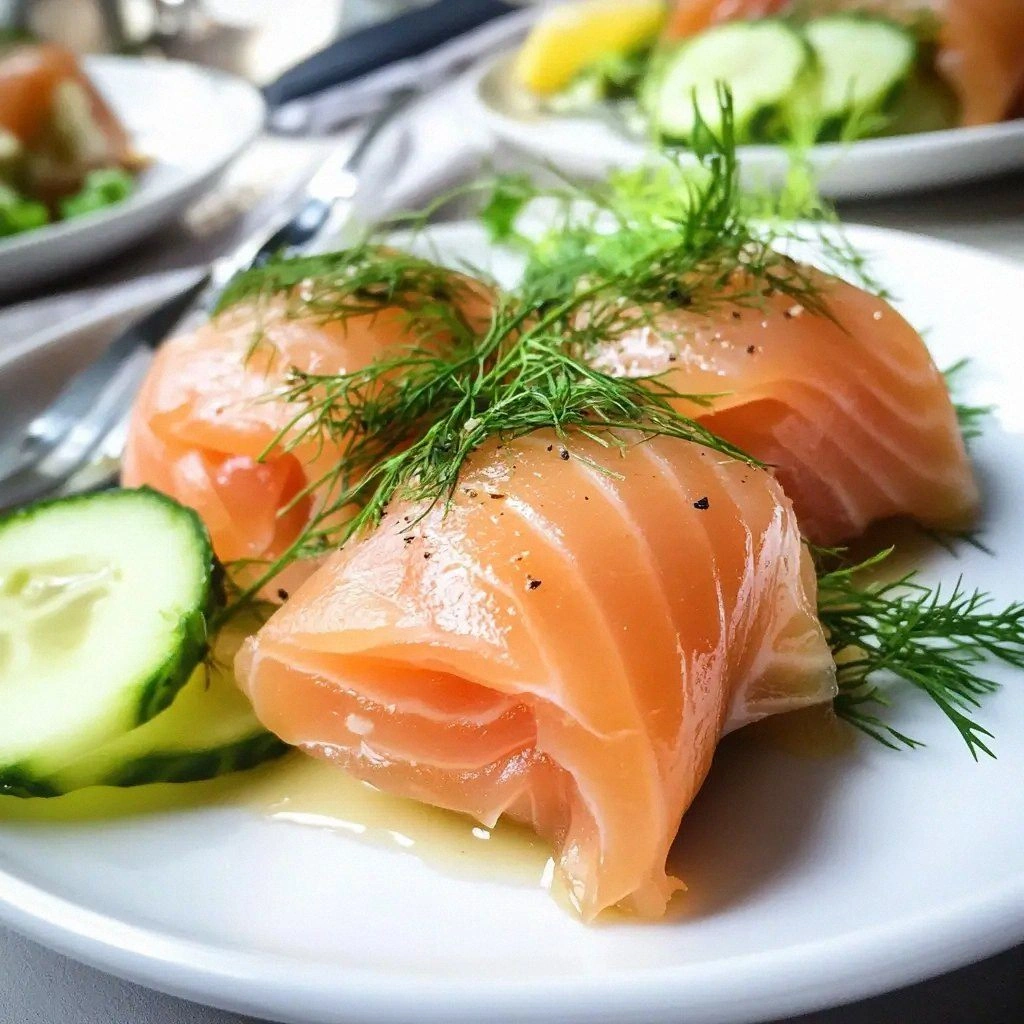
Smoked salmon is the star of the show. Its smoky, umami-rich profile forms the backbone of the parcel. When you use a salmon that’s been smoked for at least 12 hours, you’re guaranteed a deep, complex flavor that won’t be overwhelmed by the other components. If you skip this step and use raw salmon, the dish loses that signature smoky aroma and becomes bland.
Cream cheese provides a silky, tangy counterpoint to the salmon. It’s the binding agent that keeps the filling cohesive and adds a luxurious mouthfeel. A slight over‑creaminess can be balanced by a splash of lemon juice, which cuts through the richness and brightens the overall taste.
Fresh dill is essential for a herbal punch that complements the fish. Dill’s slightly sweet, almost citrusy notes enhance the salmon’s smokiness. If you don’t have dill, a pinch of parsley can be a decent substitute, but the flavor profile will shift noticeably.
The Texture Crew
Puff pastry is the vehicle that brings everything together. Its flaky layers create a satisfying crunch that contrasts with the tender filling. To achieve the perfect puff, roll the pastry to a thickness of about 3 mm—thicker than you might think. If you roll it too thin, the pastry will tear during folding.
Capers add a briny bite and a subtle crunch. They also help to balance the richness of the cream cheese. Skipping capers will leave the dish too smooth and lack a certain depth of flavor. If you’re allergic, finely chopped pickled onions can be an alternative, though they will introduce a different texture.
The Unexpected Star
A splash of white wine in the filling might sound unconventional, but it works wonders. The alcohol evaporates during baking, leaving behind a subtle, slightly sweet undertone that lifts the entire flavor profile. If you prefer not to use wine, a teaspoon of dry vermouth can substitute without compromising the effect.
Honey in the glaze adds a glossy sheen and a touch of caramelized sweetness that pairs beautifully with the salty salmon. It also helps the pastry crisp up evenly. If you’re avoiding honey, a light drizzle of maple syrup can achieve a similar effect, though the flavor will be slightly different.
The Final Flourish
Lemon zest is the finishing touch that brings everything together. The citrus oils from the zest amplify the fish’s natural flavors and add a bright, refreshing note. If you’re in a pinch, a squeeze of fresh lemon juice can substitute, but the zest provides a more concentrated burst.
Black pepper and sea salt are the seasonings that tie the dish together. They enhance the inherent flavors without overpowering them. Remember to season the filling lightly before baking to avoid a salty finish.
Everything’s prepped? Good. Let’s get into the real action.
The Method — Step by Step
- Preheat your oven to 200°C (400°F). Line a baking sheet with parchment paper to prevent sticking. This step may seem trivial, but a properly heated oven ensures even cooking and a crisp pastry.
- Lay out the puff pastry sheet on a lightly floured surface. Using a rolling pin, roll it to a thickness of about 3 mm. If the dough sticks, dust it lightly with flour. The pastry should be thin enough to roll easily but sturdy enough to hold the filling.
- In a mixing bowl, combine the cream cheese, capers, dill, lemon zest, white wine, honey, salt, and pepper. Beat the mixture until smooth and creamy. The goal is a uniform consistency that will cling to the salmon without being runny.
- Place a generous spoonful of the cream cheese mixture onto the center of each pastry square. Spread it evenly, leaving a small border around the edges. The filling should be thick enough to stay inside but not so thick that it spills over.
- Lay a slice of smoked salmon over the cream cheese, slightly overlapping the edges. The salmon should cover the filling completely, providing a seal that keeps the pastry from drying out.
- Fold the pastry over the salmon to form a parcel. Press the edges together and seal them with a fork or your fingertips. The sealing step is critical; if the parcel doesn’t seal well, steam will escape, and the pastry will become soggy.
- Place the parcels on the prepared baking sheet. Brush the tops lightly with melted butter or a beaten egg for a golden finish. This optional step adds shine and helps the pastry brown evenly.
- Bake for 20–25 minutes, or until the pastry is golden brown and puffed. The salmon should be heated through but not overcooked; you’ll see a slight translucency when you cut into it.
- For the final touch, switch the oven to broil for 2–3 minutes to achieve a crisp top. Keep a close eye on them to avoid burning. This step is the moment of truth.
- Let the parcels rest for 5 minutes before serving. The rest allows the flavors to settle and the pastry to firm up. Serve immediately with a wedge of lemon for an extra burst of citrus.
That’s it — you did it. But hold on, I’ve got a few more tricks that will take this to another level. You’ll be the host of every gathering, and people will beg you for the recipe.
Insider Tricks for Flawless Results
The Temperature Rule Nobody Follows
Many home cooks bake at a flat temperature, but the secret to a perfect pastry is a two‑step process. Start at 200°C (400°F) to allow the dough to rise and then finish with a brief broil. This technique ensures a crisp exterior while keeping the interior tender. I’ve found that a 2‑minute broil is enough to give that golden sheen without burning.
Why Your Nose Knows Best
Before you open the oven, pause and inhale. If you can smell the buttery aroma rising, you’re on the right track. A lack of scent might mean the pastry isn’t crisping up. Trust your nose; it’s a reliable indicator of doneness.
The 5‑Minute Rest That Changes Everything
After baking, let the parcels rest for exactly five minutes. This short pause allows the filling to set and the pastry to firm up. Cutting into them immediately can cause the cream cheese to ooze out, ruining the presentation.
Use Fresh Dill, Not Dried
Fresh dill provides a bright, vibrant flavor that dried dill can’t match. If you only have dried, rehydrate it in warm water for 10 minutes before adding. This step restores the herb’s essential oils and prevents a flat taste.
Keep the Pastry Cold
A cold pastry sheet is less likely to stretch when you fold it, ensuring a neat seal. Chill the dough for 15 minutes before rolling. This simple tip saves you from a messy, uneven parcel.
Creative Twists and Variations
This recipe is a playground. Here are some of my favorite ways to switch things up:
Mediterranean Parcel
Swap the cream cheese for feta and add chopped sun‑dried tomatoes. The salty feta and sweet tomatoes create a Mediterranean vibe that pairs wonderfully with the salmon.
Spicy Kick
Add a pinch of cayenne pepper or a dash of sriracha to the filling. The heat will contrast with the smoky salmon, giving the dish an exciting edge.
Herb Garden
Replace dill with a mix of fresh basil, parsley, and chives. The blend of herbs offers a fresh, green flavor that brightens the dish.
Cheesy Delight
Incorporate grated Parmesan into the cream cheese mixture. The cheese adds depth and a nutty undertone that complements the fish.
Vegan Version
Use marinated tofu or tempeh instead of salmon, and swap cream cheese for coconut cream. Add a splash of soy sauce for umami and a pinch of nutritional yeast for a cheesy note.
Lemon‑Honey Glaze
Brush the parcels with a glaze made from lemon juice and honey before the final broil. The glaze caramelizes, giving a glossy finish and a sweet‑tang balance.
Storing and Bringing It Back to Life
Fridge Storage
Store uncooked parcels in an airtight container for up to 24 hours. When you’re ready to bake, let them sit at room temperature for 15 minutes before placing them in the oven. This prevents condensation from forming during baking.
Freezer Friendly
Wrap each parcel individually in plastic wrap and place them in a freezer bag. They can be frozen for up to 48 hours. Thaw in the fridge overnight and bake at the same temperature as fresh parcels.
Best Reheating Method
To reheat, preheat your oven to 180°C (350°F). Place the parcels on a baking sheet and bake for 10 minutes, or until the pastry is crisp. Add a splash of water to the bottom of the pan; the steam will keep the filling moist while the pastry stays crunchy.