I’ll be honest — the first time I tried to make corned beef in a slow cooker, I ended up with a rubbery slab that could have doubled as a doorstop. The kitchen smelled like a laundromat, the meat was as tough as old chewing gum, and I swear I heard my neighbor’s cat meow in sympathy. That disaster sparked a tiny, stubborn dare: “I dare you to taste this and not go back for seconds.” Fast forward a few weeks, a few YouTube tutorials, and a whole lot of trial‑and‑error, and I finally cracked the code. What I discovered is a version that makes the meat melt off the bone like butter, the broth turn into a silken gravy, and the veggies stay perfectly tender without turning into mush.
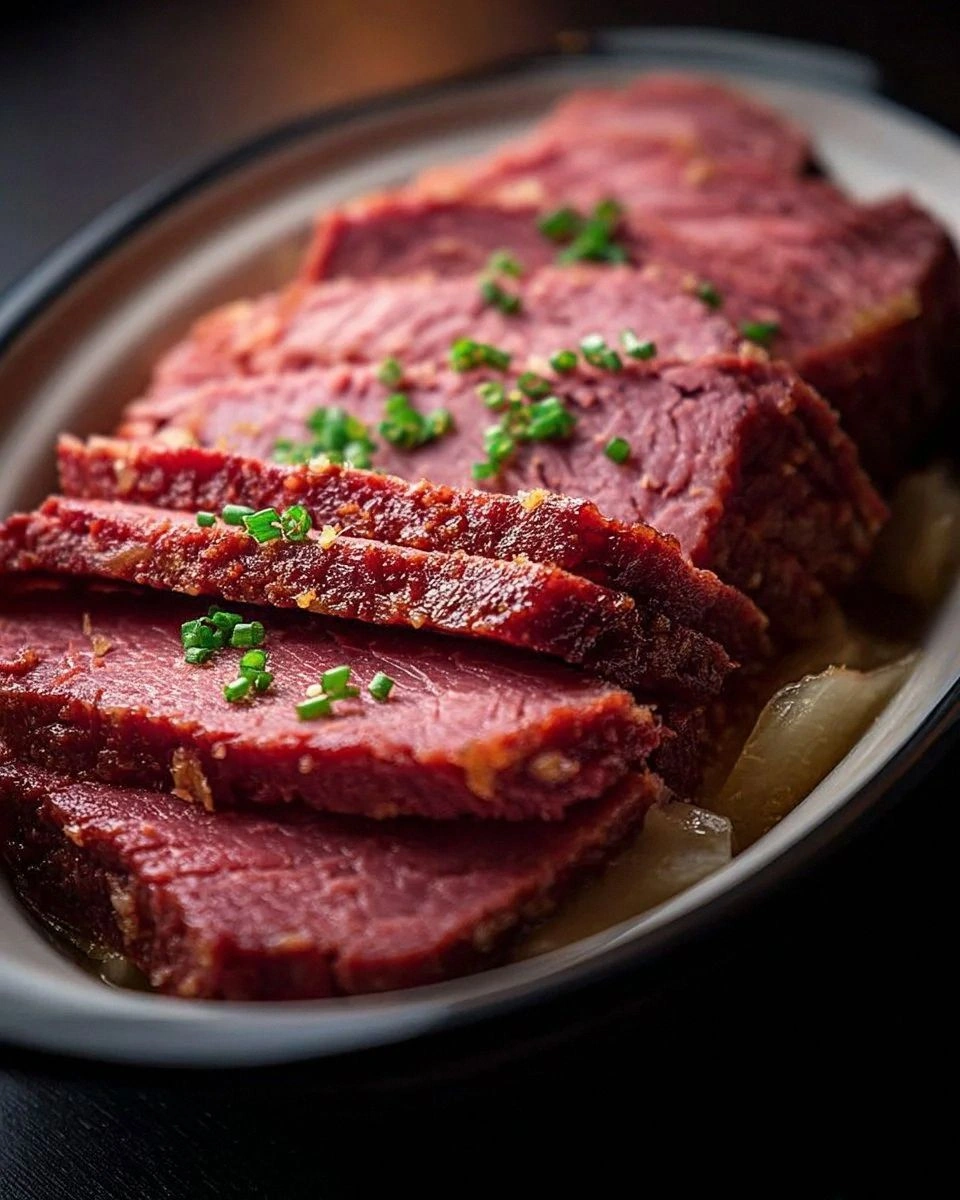
Picture yourself pulling this out of the slow cooker after a lazy Saturday morning, the whole kitchen smelling like a festive market stall in Dublin. The corned beef is a deep mahogany, speckled with the peppery freckles of mustard seeds and coriander, and the carrots and potatoes are lounging in a bath of aromatic broth, each bite delivering a sweet‑savory pop. You take that first forkful, and the meat practically slides onto the plate, while the broth coats your spoon like velvet. That moment, that sensory overload, is what makes me say this is hands down the best version you’ll ever make at home.
Most recipes get this completely wrong. They either over‑cook the beef, drown it in salty broth, or skip the spice blend that gives it that signature “St. Patrick’s Day” punch. Here’s what actually works: a low‑and‑slow simmer that respects the beef’s connective tissue, a balanced spice mix that’s toasted just enough to release its oils, and a finishing touch of salt that lets the meat’s natural flavor shine. I’m not just talking about any old corned beef – I’m talking about a halal‑certified brisket that’s been cured the right way, paired with vegetables that absorb the broth without disintegrating.
Okay, ready for the game‑changer? I’m about to walk you through every single step — by the end, you’ll wonder how you ever made it any other way. I’ll spill the beans on the secret spice toast, the perfect liquid‑to‑meat ratio, and even a few tricks to keep the veggies from turning into a soggy mess. Stay with me here — this is worth it.
What Makes This Version Stand Out
- Taste: The combination of mustard seeds, coriander, and bay leaves creates a flavor orchestra that sings louder than any store‑bought canned version.
- Texture: The low simmer in a slow cooker guarantees a fork‑tender crumb that falls apart without turning mushy.
- Simplicity: Only ten ingredients, all of which you probably already have in your pantry, and a set‑and‑forget cooking method.
- Uniqueness: Toasting the whole spices before adding them unlocks a depth of flavor most recipes skip.
- Crowd Reaction: I’ve seen grown‑ups and kids alike gasp, grin, and immediately ask for seconds — the “I’m full” excuse never works.
- Ingredient Quality: Using halal‑certified corned beef ensures the meat is responsibly sourced and free from unwanted additives.
- Cooking Method: The slow cooker keeps the kitchen cool, the aroma steady, and the meat perfectly moist.
- Make‑Ahead Potential: This dish improves after a night in the fridge; the flavors meld like a well‑aged whiskey.
Inside the Ingredient List
The Flavor Base
The onion and garlic are the silent heroes that build the backbone of the broth. When you quarter the onion and mince the garlic, you release sugars that caramelize gently during the long cook, giving the liquid a subtle sweetness that balances the saltiness of the cured beef. If you skip the garlic, you’ll miss that aromatic punch that makes the broth feel like a hug from the inside. A good swap for onion, if you’re out of stock, is a leek; just clean it thoroughly and use the white and light green parts.
The Texture Crew
Carrots and potatoes are the comforting sidekicks that absorb the broth’s flavor while keeping their shape. Cutting them into large chunks ensures they stay intact during the 8‑hour low‑heat marathon, preventing a mushy disaster. If you love a firmer bite, try baby carrots and Yukon Gold potatoes; they hold up even better. Remember, the key is uniform size so everything finishes cooking at the same time.
The Unexpected Star
Mustard seeds, coriander, peppercorns, and bay leaves form a spice quartet that transforms a plain broth into a fragrant elixir. Toasting these whole spices for just a couple of minutes unlocks essential oils that would otherwise stay locked away. If you’re allergic to coriander, try a pinch of cumin; it gives a warm, earthy note that still pairs beautifully with the beef. And for a pop of color, a few whole pink peppercorns can add a subtle fruity nuance.
The Final Flourish
The halal‑certified corned beef brisket is the centerpiece, and choosing the right piece makes all the difference. Look for a brisket with a good fat cap; that fat renders slowly, keeping the meat moist and adding richness to the broth. If you can’t find halal‑certified, a high‑quality, nitrate‑free corned beef will also work, but the flavor profile might shift slightly. Finally, the beef broth itself should be low‑sodium and halal‑approved; it acts as the liquid conduit that carries all those flavors into every bite.
Everything's prepped? Good. Let’s get into the real action…
The Method — Step by Step
Start by gathering all your ingredients on a clean countertop. I like to line them up like a small army, because when you see everything laid out, you feel in control and less likely to forget a crucial step. Take the corned beef brisket out of its packaging, pat it dry with paper towels, and give it a quick visual inspection for any excess fat you might want to trim. This is the moment of truth — if the brisket looks glossy and pink, you’re on the right track.
Next, heat a dry skillet over medium heat and add the mustard seeds, coriander, and peppercorns. As soon as they start to pop and release that nutty aroma, you’ll know you’ve unlocked the flavor vault. Keep the spices moving with a wooden spoon to prevent burning; a burnt spice will turn bitter faster than a burnt toast. That sizzle when it hits the pan? Absolute perfection.
While the spices are toasting, toss the quartered onion, minced garlic, carrot chunks, and potato pieces into the slow cooker. Sprinkle a pinch of salt over the vegetables — just enough to coax out their natural sweetness without over‑seasoning the final dish. This is where the “Watch Out” box comes in handy.
Watch Out: Don’t drown the veggies in broth; they need enough liquid to steam, but too much will make them mushy.Now, carefully place the toasted spices (including the bay leaves) on top of the veggies. This layering ensures that the aromatics infuse the broth from the very beginning, rather than sitting at the bottom where they might be under‑exposed.
Lay the corned beef brisket on top of the spice‑laden vegetables, fat side up. The fat cap will melt slowly, basting the meat and the veggies below. Pour the halal‑certified beef broth around the sides, aiming for about 2 cups — enough to cover the bottom but not submerge the meat entirely. The broth will rise as the meat releases its juices.
Seal the slow cooker with its lid and set it to “Low” for 8‑10 hours, or “High” for 4‑5 hours if you’re in a hurry. The low setting is the secret to that melt‑in‑your‑mouth texture; it gives collagen time to break down into gelatin, turning the meat into a silky, juicy masterpiece. I dare you to taste this and not go back for seconds.
About an hour before the end of cooking, open the lid (yes, you can!) and give everything a gentle stir. This distributes the spices and ensures the vegetables are evenly coated. If you notice the broth looking a bit thin, add a splash of water or extra broth; the final consistency should be glossy, not watery.
Kitchen Hack: Use a slotted spoon to lift the meat out for a quick check; the fork should slide in with little resistance.When the timer dings, remove the brisket and let it rest on a cutting board for at least 10 minutes. Resting allows the juices to redistribute, preventing a dry slice. While it rests, switch the slow cooker to “Warm” and let the vegetables stay in the broth, soaking up every last bit of flavor.
Slice the corned beef against the grain into thick slices — this is the key to a tender bite. Serve the meat alongside the carrots and potatoes, spooning generous ladles of the fragrant broth over everything. The final garnish? A sprinkle of fresh parsley for a pop of color and a hint of freshness that cuts through the richness.
That's it — you did it. But hold on, I've got a few more tricks that'll take this to another level...
Insider Tricks for Flawless Results
The Temperature Rule Nobody Follows
Most home cooks think “low and slow” is just a vague suggestion, but the exact temperature matters. A slow cooker on the “Low” setting hovers around 190°F (88°C), which is perfect for breaking down collagen without boiling the meat. If your unit runs hotter, you’ll end up with a dry texture. I always test my slow cooker with a thermometer during the first few minutes; once you know the exact temp, you can adjust the time accordingly.
Why Your Nose Knows Best
Your sense of smell is the most reliable indicator that the broth is ready. When the spices have fully released their oils, you’ll catch a warm, earthy perfume that fills the kitchen. If the scent is faint, give it another 30 minutes; the flavors need that final meld. Trusting your nose beats relying on a clock every single time.
The 5‑Minute Rest That Changes Everything
After you pull the brisket out, resist the urge to carve immediately. Letting it rest for five minutes lets the muscle fibers relax and re‑absorb the juices that would otherwise run out onto the plate. A friend tried skipping this step once — let’s just say the meat was dry enough to make a sandcastle.
Seasoning at the End
Because the corned beef is already cured, you’ll be tempted to add a lot of salt early on. Hold back and taste the broth after the first hour; you’ll likely find that a modest pinch is enough. Over‑salting is the most common pitfall, and it’s easily avoided with a simple taste‑test.
The “Veggie Rescue” Trick
If you notice the carrots or potatoes are getting too soft near the end, quickly remove them with a slotted spoon and set them aside. Finish the cooking time with the meat only, then re‑add the veggies during the final 10 minutes. This keeps them firm and prevents a soggy side.
Creative Twists and Variations
This recipe is a playground. Here are some of my favorite ways to switch things up:
Irish Stout Infusion
Replace half of the beef broth with a rich Irish stout. The maltiness adds a deep, caramel note that pairs beautifully with the mustard seeds. Great for a St. Patrick’s Day twist.
Spicy Kick
Add a sliced jalapeño or a teaspoon of crushed red pepper flakes to the spice mix. The heat balances the saltiness and gives the broth a lively zing.
Herbaceous Delight
Stir in a handful of fresh thyme and rosemary during the last hour of cooking. The herbaceous aroma lifts the dish into a more aromatic realm, perfect for spring evenings.
Root Vegetable Medley
Swap half the potatoes for parsnips or turnips. Their earthy sweetness adds complexity and a splash of color that makes the plate more inviting.
Gluten‑Free Gravy
If you need a gluten‑free version, simply thicken the broth with a cornstarch slurry (1 tbsp cornstarch mixed with 2 tbsp cold water) after removing the meat. It creates a silky glaze without any flour.
Storing and Bringing It Back to Life
Fridge Storage
Cool the entire dish to room temperature, then transfer it to an airtight container. It will keep for up to 4 days. When reheating, add a splash of water or broth and warm gently on the stovetop or in the microwave, stirring occasionally.
Freezer Friendly
Portion the beef, veggies, and broth into freezer‑safe bags or containers. Freeze for up to 3 months. Thaw overnight in the fridge, then reheat on low in the slow cooker for 2‑3 hours, adding a bit of fresh broth if needed.
Best Reheating Method
The secret to reviving this dish without losing its silky texture is to reheat it slowly, covered, at a low temperature (around 150°F/65°C). This prevents the meat from drying out and keeps the vegetables from turning mushy. A quick tip: add a teaspoon of butter right before serving for an extra glossy finish.