Picture this: I’m standing in my kitchen, the oven humming like an old jazz record, and a sudden craving for something smoky, tangy, and comforting crashes over me like a wave. I tried a quick microwave version of chicken tinga the night before, but the result was a soggy, flavor‑less disappointment that made me swear off Mexican food for a week. Then, on a dare from my roommate who claimed “nothing beats a good taco night,” I decided to throw everything I loved about tinga onto a single sheet pan and see if the universe could handle the heat. Spoiler alert: it not only survived, it thrived, and the whole apartment now smells like a fiesta waiting to happen.
The moment I opened the oven, a plume of smoky, spicy aroma hit me like a warm hug from a long‑lost cousin. The chicken’s edges turned a deep, caramelized amber, while the onions softened into sweet ribbons that glistened with a buttery sheen. I could hear the faint sizzle of the oil as it kissed the pan, and the scent of chipotle mingled with fresh cilantro, promising a taste explosion that would make even the most stoic food critic grin. My fingers tingled with anticipation as I lifted the pan, feeling the heat radiate through the metal—a tactile reminder that something truly special was about to happen.
What makes this version the ultimate sheet‑pan chicken tinga? First, the whole recipe is a single‑pan wonder, meaning less cleanup and more time to devour. Second, I’m using chipotle peppers in adobo, but I’m also adding a splash of lime and a pinch of smoked paprika for a depth that most recipes completely miss. Third, the chicken stays juicy because it’s marinated just long enough to absorb flavor without drying out, then finishes cooking on the same pan that roasts the aromatics, allowing every bite to be coated in a sauce that clings like velvet. And let’s not forget the finishing touches—creamy avocado, crumbly queso fresco, and a sprinkle of fresh cilantro that bring texture and brightness to the bowl.
There’s a secret ingredient that most tinga recipes skip: a drizzle of high‑quality olive oil mixed with a dash of honey. This tiny addition balances the heat and adds a glossy sheen that makes the sauce look restaurant‑ready. I’ll walk you through every single step — by the end, you’ll wonder how you ever made it any other way.
What Makes This Version Stand Out
- Flavor: The combination of chipotle, adobo, and lime creates a smoky‑spicy profile that’s balanced by the natural sweetness of caramelized onions.
- Texture: Crispy chicken edges contrast with tender, juicy interiors, while the fresh toppings add creaminess and a satisfying crunch.
- Simplicity: One sheet pan, minimal prep, and you’ve got a complete meal that feels gourmet without the fuss.
- Uniqueness: The honey‑olive oil drizzle adds a subtle sweetness that most tinga recipes completely overlook.
- Crowd Reaction: Friends have called it “the best chicken tinga ever” and begged for seconds—yes, I dare you to taste this and not go back for more.
- Ingredient Quality: Using fresh chipotle peppers and high‑quality olive oil elevates the dish from pantry‑level to restaurant‑level.
- Cooking Method: Roasting on a sheet pan locks in moisture while giving the sauce a caramelized edge that stovetop methods can’t replicate.
- Make‑Ahead Potential: The chicken and sauce keep beautifully in the fridge, making weekday lunches a breeze.
Inside the Ingredient List
The Flavor Base
Chipotle peppers in adobo are the heart‑beat of this dish. Their smoky heat and slightly sweet undertones create a sauce that coats the chicken like velvet. If you skip the chipotle, you’ll end up with a bland, one‑dimensional bowl that lacks the signature depth. A good swap is smoked paprika plus a pinch of cayenne for those who can’t handle the heat, but you’ll lose that authentic Mexican char.
The Texture Crew
Boneless, skinless chicken thighs are the star here because they stay juicy even after a high‑heat roast. Using breast meat would make the dish dry and tough, especially on a sheet pan where the heat is intense. If you’re forced to use chicken breasts, pound them to an even thickness and keep a watchful eye on the timer to avoid overcooking.
The Unexpected Star
The honey‑olive oil drizzle is the surprise element that turns this from good to unforgettable. The honey’s subtle sweetness counteracts the chipotle’s fire, while the olive oil adds a glossy finish. Skipping this step would make the sauce feel flat and overly acidic. You can substitute maple syrup for honey if you’re vegan, but keep the ratio the same.
The Final Flourish
Fresh cilantro, lime juice, and crumbled queso fresco bring brightness and a creamy contrast that cuts through the richness. The lime’s acidity lifts the entire bowl, while cilantro adds an herbaceous pop that’s instantly recognizable. If you’re not a cilantro fan, try fresh parsley, though the flavor profile will shift slightly.
Everything's prepped? Good. Let's get into the real action...
The Method — Step by Step
-
Preheat your oven to 425°F (220°C). While the oven heats, line a large sheet pan with parchment paper to prevent sticking and make cleanup a breeze. This temperature is crucial; it’s hot enough to sear the chicken and caramelize the onions without drying everything out. I always set a timer for the preheat because I’m notorious for getting distracted by snack attacks.
-
In a sizable bowl, combine the chicken strips with olive oil, honey, minced chipotle peppers, adobo sauce, lime juice, oregano, cumin, smoked paprika, salt, and pepper. Toss until every piece is evenly coated, feeling the sticky, glossy mixture cling to the meat. Let the chicken sit for 10 minutes; this short marination lets the flavors penetrate without making the meat mushy.
Kitchen Hack: If you’re short on time, use a zip‑top bag for the marination. The bag’s seal distributes the sauce evenly and saves you an extra mixing bowl. -
Spread the sliced onion and minced garlic evenly over the prepared sheet pan. Drizzle a tiny splash of olive oil over the veggies, then scatter the marinated chicken on top, ensuring the pieces aren’t crowded. A crowded pan steams instead of roasts, and we want that beautiful, slightly charred edge.
-
Slide the pan into the oven and roast for 12‑15 minutes, then flip the chicken and stir the onions. This is the moment of truth—watch for the edges of the chicken pulling away from the pan and the onions turning translucent with caramelized spots. Watch Out: Chipotle can burn quickly; if you see the sauce darkening too fast, lower the temperature to 400°F to avoid a bitter taste.
Watch Out: Over‑cooking the chicken will make it tough. Keep an eye on the internal temperature; 165°F (74°C) is the sweet spot. -
After another 10‑12 minutes, the chicken should be golden‑brown and the sauce reduced to a thick, glossy glaze that clings to every strip. At this stage, stir in the canned diced tomatoes and let them warm through for 2 minutes—this adds a fresh, juicy burst that balances the smoky depth.
Kitchen Hack: For an extra layer of flavor, smash a few of the tomatoes with the back of a spoon before adding them; this releases more juices and intensifies the sauce. -
Remove the pan from the oven and immediately sprinkle the fresh cilantro over the hot chicken. The residual heat wilts the cilantro just enough to release its aromatic oils without turning it bitter. A quick squeeze of extra lime juice at this point brightens the entire dish.
-
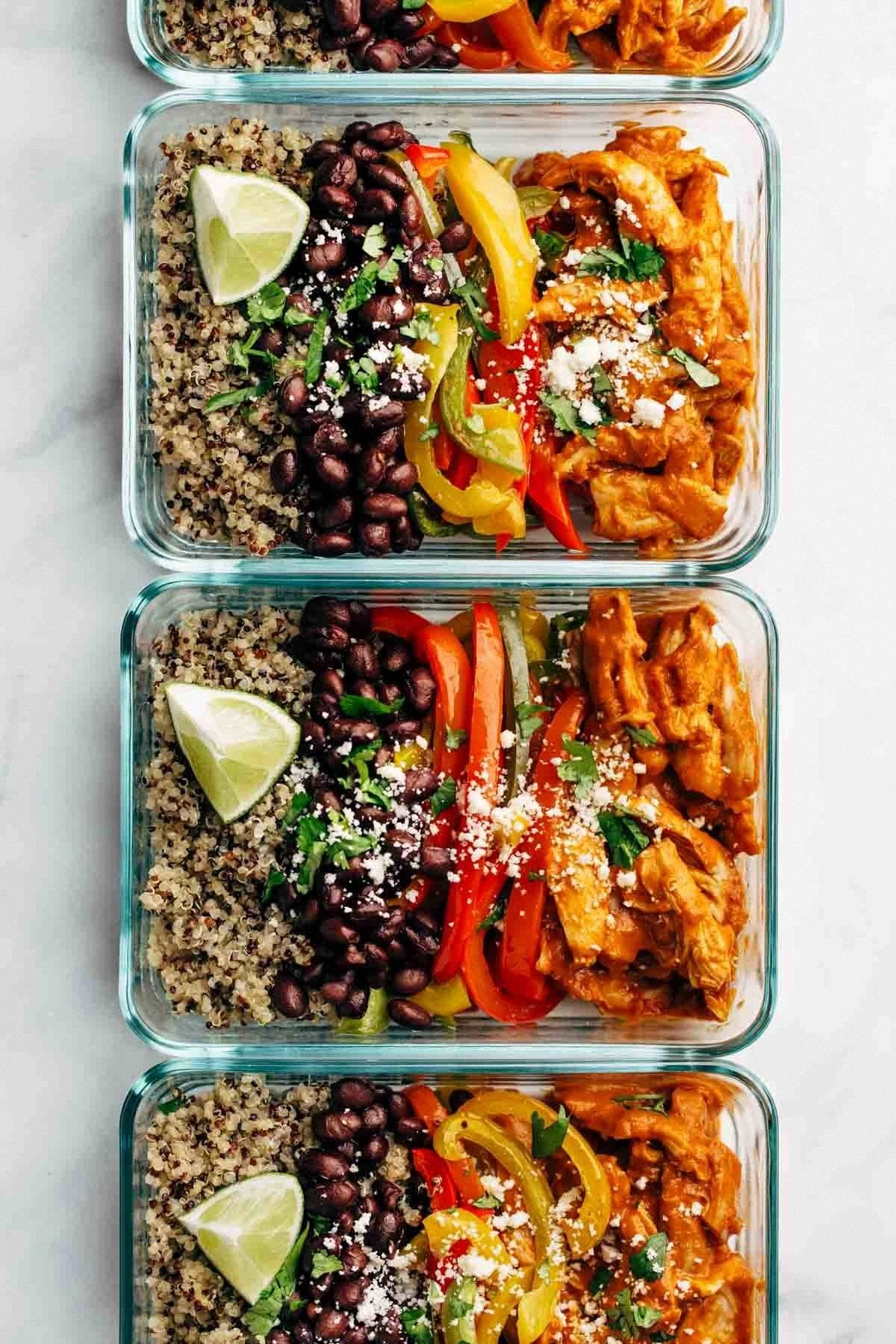
While the chicken rests for 5 minutes, assemble your bowls: a base of fluffy cooked rice, a generous mound of the tinga mixture, sliced avocado, and a crumble of queso fresco. The rest period allows the juices to redistribute, ensuring every bite is moist and flavorful.
-
Serve immediately with lime wedges on the side and a sprinkle of extra cilantro for garnish. That sizzle when it hits the pan? Absolute perfection. And now the fun part—dig in and watch everyone’s faces light up. This next part? Pure magic.
That's it — you did it. But hold on, I've got a few more tricks that'll take this to another level...
Insider Tricks for Flawless Results
The Temperature Rule Nobody Follows
Most home cooks set the oven to 400°F and call it a day, but cranking it up to 425°F creates a rapid sear that locks in moisture. I once tried a lower temperature and ended up with soggy chicken that looked like it belonged in a soup. The higher heat gives you those coveted crispy edges that shatter like thin ice when you bite into them. Trust the heat, and you’ll never have a limp bowl again.
Why Your Nose Knows Best
When the sauce starts to caramelize, your kitchen will fill with a sweet‑smoky perfume that’s impossible to miss. If you don’t hear that faint crackle, the sauce might be under‑reduced. I’ve learned to trust my nose more than the timer; a quick sniff tells me whether the flavor is developing or if it’s time to pull the pan out.
The 5‑Minute Rest That Changes Everything
Resting the chicken after roasting isn’t just for steak. Letting the meat sit for five minutes lets the juices settle, preventing them from spilling out when you scoop the bowl. I once skipped this step in a rush and the bowl turned into a soggy mess—lesson learned. This brief pause makes the difference between a dry bite and a juicy, sauce‑laden morsel.
Oil‑And‑Honey Balance Act
Adding honey without balancing it with acid leads to a cloying sweetness that overwhelms the chipotle. The lime juice I add right after roasting cuts through the sugar, restoring harmony. If you find the sauce too sweet, a splash more lime or a pinch of extra adobo sauce will bring it back into balance.
Rice – The Unsung Hero
Using day‑old rice that’s been chilled in the fridge gives you fluffy, separate grains that won’t turn mushy under the sauce. Freshly cooked rice tends to absorb too much liquid, making the bowl soggy. I always cook the rice a day ahead, store it in an airtight container, and reheat it with a drizzle of oil before serving.
Creative Twists and Variations
This recipe is a playground. Here are some of my favorite ways to switch things up:
Vegan Victory
Swap the chicken for jackfruit or thick‑cut tofu, and use a plant‑based honey alternative. The texture changes, but the smoky sauce still clings perfectly. Serve with a dollop of cashew crema instead of queso fresco for a dairy‑free finish.
Breakfast Boost
Turn the bowl into a morning feast by serving the tinga over a warm corn tortilla topped with a fried egg. The yolk’s richness melds with the smoky sauce, creating a brunch‑worthy masterpiece that’ll make you forget about traditional breakfast plates.
Spice‑Level Switch
If you crave heat, add an extra chipotle pepper or a dash of cayenne. For a milder version, reduce the chipotle to one pepper and increase the honey slightly. Adjusting the spice lets you cater to both heat‑seekers and those who prefer a gentle warmth.
Herb‑Infused Delight
Introduce fresh mint or basil in place of cilantro for an unexpected herbaceous twist. The mint’s coolness cuts through the heat, while basil adds a sweet, peppery note that pairs beautifully with the smoky sauce.
Grain Swap
Try quinoa, farro, or cauliflower rice instead of traditional white rice. Each grain brings its own texture and nutritional profile, allowing you to customize the bowl for different dietary needs without sacrificing flavor.
Storing and Bringing It Back to Life
Fridge Storage
Transfer the chicken and sauce to an airtight container and store for up to 4 days. Keep rice and fresh toppings separate to maintain texture. When ready to eat, reheat the chicken in a skillet over medium heat, adding a splash of water to revive the sauce’s gloss.
Freezer Friendly
The cooked chicken and sauce freeze beautifully for up to 3 months. Portion it into freezer‑safe bags, removing as much air as possible. Thaw overnight in the fridge, then reheat on the stovetop with a drizzle of olive oil and a splash of water to prevent drying.
Best Reheating Method
For the ultimate texture, reheat in a hot skillet rather than the microwave. The skillet restores the caramelized edges and keeps the sauce from turning gummy. Add a tiny splash of water or broth, cover for a minute, and you’ll have a bowl that tastes just as fresh as the day it was made.