Picture this: I’m standing in a cramped kitchen, the lights flickering, the stove humming, and a friend’s dare echoing in my ears: “Make the best ginger chicken ever, or I’ll never eat your food again.” I grabbed a bag of boneless chicken thighs, a jar of sesame oil, and a handful of spices, and what followed was a culinary revelation that turned a simple dinner into an instant legend. The first bite was a symphony—sweet, salty, and the sharp bite of fresh ginger dancing across the palate like a well‑tuned violin. I swear the aroma alone could have convinced a room full of skeptics to taste it. And that’s just the beginning.
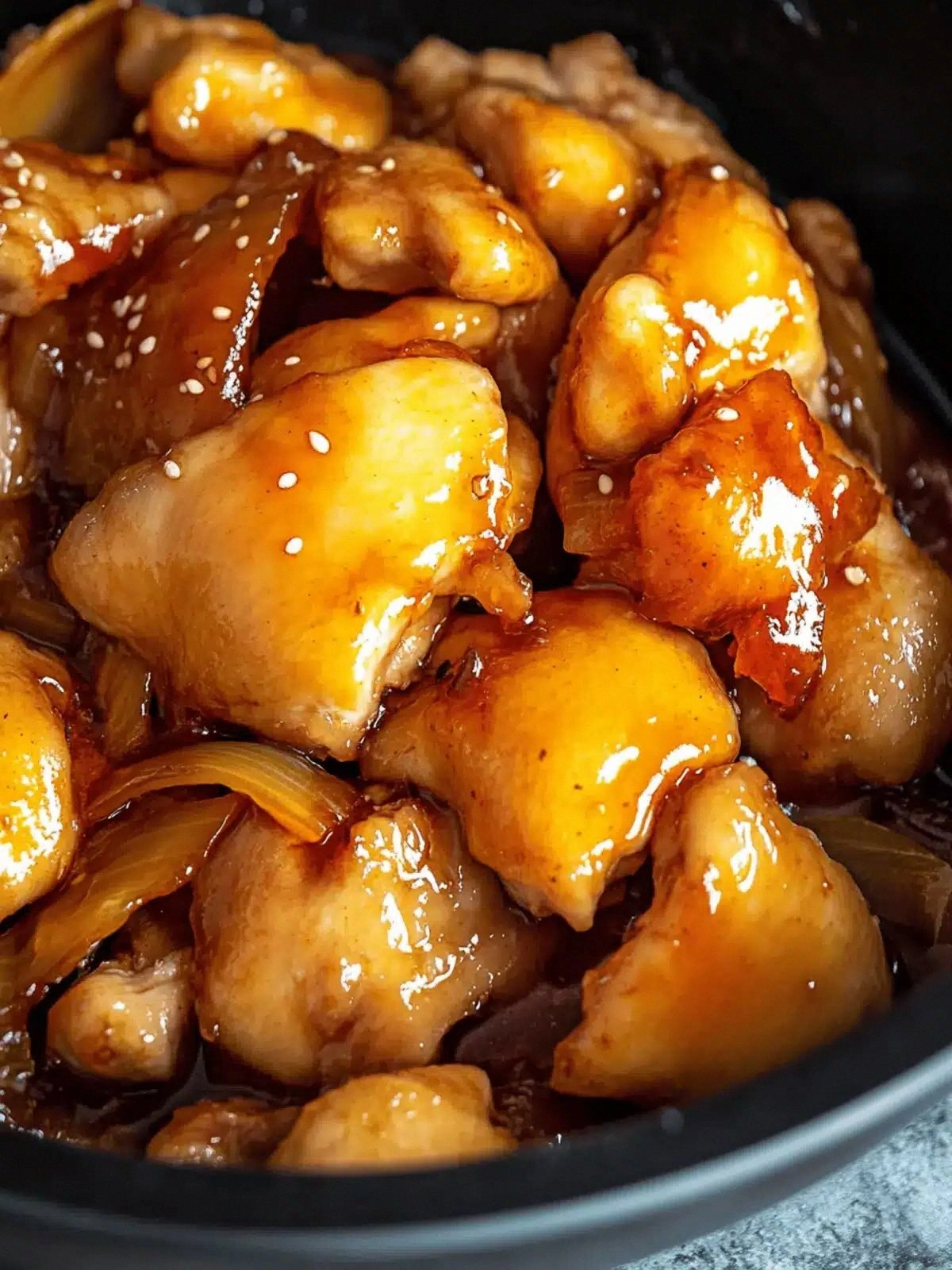
Let’s dive in. From the moment the ginger hits the pan, you’ll hear that satisfying sizzle that says, “this is happening.” The sound is a promise of caramelized edges and a glaze that will cling to the chicken like a second skin. The colors shift from a pale ivory to a glossy amber as the sugars melt and the sesame oil coats each piece. The scent is a heady mix of toasted sesame, umami from oyster sauce, and the bright zing of ginger, making your nose do a little happy dance. If you’ve ever been disappointed by bland chicken, trust me—this is a game changer that will have you reaching for seconds, then thirds, and maybe even a fourth.
Why is this version a standout? Because it’s a masterclass in balance: the sweetness of sugar and rice wine counteracts the saltiness of soy sauce, while the fresh ginger adds a punch that’s both aromatic and sharp. The sesame oil isn’t just a cooking fat; it’s a flavor carrier that gives the dish that nutty, slightly toasted undertone that elevates every bite. And the technique—quick searing followed by a quick glaze—locks in moisture without overcooking. This is the kind of dish that turns a regular weeknight into a memorable feast, and it’s surprisingly simple to pull off. I dare you to taste this and not go back for seconds. It’s hands down the best version you’ll ever make at home.
But there’s a twist. Most recipes for ginger chicken rely on a long simmer or a dry pan technique that strips away the glossy sheen. I’ve discovered that a quick, high‑heat sear followed by a quick glaze in a small amount of liquid gives the chicken a beautiful caramelized exterior while keeping the inside tender. That little secret sauce—soy, oyster, sugar, and a splash of rice wine—creates a glossy coat that’s both sticky and flavorful. Picture yourself pulling this out of the pan, the whole kitchen smelling incredible, and a plate of perfectly glazed chicken that looks like it belongs in a Michelin‑star restaurant. That’s the power of this recipe, and I’m about to walk you through every single step—by the end, you’ll wonder how you ever made it any other way.
What Makes This Version Stand Out
- Flavor: The blend of soy, oyster, and rice wine creates a depth that feels both familiar and exotic, giving the dish a complex umami profile that lingers on the tongue.
- Texture: The quick sear locks in juices, while the glaze forms a glossy, slightly sticky coating that clings to every bite without being overpowering.
- Simplicity: With only eight ingredients and a single pan, you can deliver a restaurant‑quality meal in under 30 minutes.
- Uniqueness: The use of fresh ginger slices, rather than minced ginger, adds a subtle, fragrant aroma that sets this dish apart from the usual minced‑ginger recipes.
- Crowd Reaction: Friends who’ve tried this say it’s “the best chicken I’ve ever had” and they keep asking for the recipe—proof that it’s a crowd‑pleaser.
- Ingredient Quality: Choosing high‑quality sesame oil and oyster sauce transforms a simple dish into an indulgent experience.
- Cooking Method: The combination of high‑heat searing and a quick glaze is a technique that delivers maximum flavor in minimal time.
- Make‑Ahead Potential: This dish can be prepared a few hours ahead; the glaze will only deepen the flavor when reheated.
Alright, let's break down exactly what goes into this masterpiece. And before we jump into the meat, here’s a quick kitchen hack that will elevate your cooking game.
Inside the Ingredient List
The Flavor Base
Soju (Rice Wine): This subtle, slightly sweet alcohol brings depth without overpowering. It also helps tenderize the meat, ensuring each bite is juicy. If you can’t find rice wine, a dry sherry or even a splash of white wine will do the trick, though the flavor profile will shift slightly.
Oyster Sauce: A concentrated umami booster that gives the dish its savory backbone. Its slightly sweet undertone balances the saltiness of soy sauce. If you’re vegan, try a mushroom-based soy sauce for a similar depth.
The Texture Crew
Sesame Oil: More than just a cooking fat, sesame oil adds a nutty aroma that permeates the dish. It also helps create a glossy glaze that clings to the chicken. If you’re sensitive to sesame, use toasted coconut oil, but the flavor will change.
Chicken Thighs: Boneless thighs are the star—they’re naturally juicy and hold up well to high heat. If you prefer breast, use it, but be prepared for a slightly drier result unless you’re careful with the cooking time.
The Unexpected Star
Fresh Ginger Slices: Whole slices release a gentle, aromatic steam that infuses the sauce. They’re easier to remove after cooking and give the dish a polished look. If you only have ground ginger, use 1 teaspoon, but the aroma won’t be as pronounced.
The Final Flourish
Sugar: A touch of sugar caramelizes during the glaze phase, creating a glossy sheen and balancing the savory elements. If you’re watching sugar intake, replace with a natural sweetener like honey or agave syrup, but adjust the quantity to avoid over‑sweetening.
Water: A small amount of water helps create a light sauce that coats the chicken without drowning it. It also helps the glaze thicken slightly when reduced.
Everything's prepped? Good. Let's get into the real action.
The Method — Step by Step
- Prep the Chicken: Pat the thighs dry with a paper towel to ensure a crisp sear. Season lightly with salt and pepper. Slice each thigh into bite‑sized pieces, leaving them slightly uneven to help the glaze cling. This step is critical; a wet surface will steam rather than sear.
- Heat the Skillet: Place a heavy skillet over medium‑high heat. Add sesame oil and let it shimmer—just until it’s almost smoking. The high heat will create a caramelized crust that locks in juices.
- Seared the Chicken: Add the chicken pieces in a single layer, avoiding overcrowding. Let them sear undisturbed for 2–3 minutes until a golden crust forms. Flip once, then sear the other side for another 2 minutes. The goal is a caramelized exterior, not a fully cooked interior.
- Add Ginger: Toss in the fresh ginger slices and stir quickly. The ginger will release its aroma, adding a bright note to the sizzling mixture. Watch for the first signs of the ginger releasing steam—this indicates the sauce is starting to form.
- Deglaze: Pour in the rice wine, scraping up any browned bits from the pan. The wine will deglaze the pan, creating a flavorful base for the glaze. Let it simmer for a minute to reduce slightly.
- Combine the Sauce: In a small bowl, whisk together soy sauce, oyster sauce, sugar, and water until the sugar dissolves. Pour the mixture into the skillet. The sauce should start to thicken and coat the chicken as it simmers.
- Finish the Glaze: Reduce heat to medium and let the sauce reduce for 3–4 minutes, stirring occasionally. The glaze should be glossy and slightly thick, coating the chicken like a silk ribbon. Watch for the edges pulling away from the pan; that’s the cue to finish.
- Final Touches: Remove the ginger slices (they’re done) and give the dish a quick stir. Plate the chicken, drizzle any remaining glaze over the top, and garnish with a sprinkle of sesame seeds or chopped scallions if desired. Serve immediately, and enjoy the aroma that will fill your home.
That's it— you did it. But hold on, I've got a few more tricks that'll take this to another level.
Insider Tricks for Flawless Results
The Temperature Rule Nobody Follows
Many chefs swear by low, slow cooking for chicken, but for this recipe, high heat is the secret weapon. Keep the skillet at medium‑high to ensure a quick sear that locks in moisture. If the skillet drops below 350°F (175°C), you’ll end up with a soggy exterior. A good way to gauge heat is to flick a few drops of water into the pan—if they dance and evaporate instantly, you’re ready.
Why Your Nose Knows Best
During the glaze reduction, listen for that sweet, caramel scent. When the aroma shifts from sharp to sweet, it’s a sign the sugars are caramelizing. Don’t rely solely on the color; the smell is the real indicator that the glaze is at the right consistency.
The 5-Minute Rest That Changes Everything
After you finish cooking, let the chicken rest for five minutes before plating. This allows the juices to redistribute, making each bite more succulent. If you’re in a rush, a quick 30‑second rest still helps, but the 5‑minute mark is the sweet spot.
The Right Pan Matters
A heavy skillet—preferably cast iron or stainless steel—ensures even heat distribution. Lighter pans can cause hot spots that burn the glaze. If you don’t have a heavy skillet, a non-stick pan works, but be prepared to adjust the heat more carefully.
The Secret Ingredient Swap
If you’re craving a smoky twist, add a pinch of smoked paprika to the sauce. It adds depth without overpowering the ginger. Alternatively, a splash of rice vinegar can brighten the dish if you prefer a tangier profile.
The Final Garnish Trick
Just before serving, drizzle a tiny amount of toasted sesame oil over the top. The oil’s nutty aroma will elevate the dish’s fragrance and add a glossy finish that’s impossible to resist.
Creative Twists and Variations
This recipe is a playground. Here are some of my favorite ways to switch things up:
Crispy Sesame Crunch
After searing, coat the chicken pieces in a thin layer of cornstarch before adding the glaze. The cornstarch creates a crispy exterior that contrasts nicely with the silky glaze. Serve with a sprinkle of toasted sesame seeds for extra crunch.
Spicy Szechuan Kick
Add 1 teaspoon of Szechuan peppercorns and a pinch of red pepper flakes to the sauce. The peppercorns give a numbing heat that pairs wonderfully with the ginger’s brightness. This version is perfect for those who like a bit of heat.
Thai Coconut Twist
Replace the rice wine with coconut milk and add a splash of fish sauce. The coconut milk gives a creamy base, while the fish sauce adds a deeper umami flavor. Garnish with fresh cilantro and lime wedges for a tropical feel.
Asian Fusion Wraps
Serve the glazed chicken over lettuce leaves with shredded carrots, sliced cucumber, and a drizzle of hoisin sauce. Roll into lettuce cups for a low‑carb, fresh take on the dish. The crunchy veggies provide a refreshing contrast to the sweet glaze.
Glazed Chicken Skewers
Thread the chicken onto bamboo skewers and grill them instead of pan‑searing. Brush with the glaze during the last few minutes of cooking. The smoky char from the grill adds an extra layer of flavor that’s hard to beat.
Vegetarian Version
Swap the chicken for firm tofu or tempeh. Marinate the protein in a mixture of soy sauce and a splash of rice wine before searing. The tofu will absorb the glaze, delivering a savory, protein‑rich alternative.
Storing and Bringing It Back to Life
Fridge Storage
Cool the chicken to room temperature, then place it in an airtight container. Store in the refrigerator for up to 3 days. The glaze will thicken slightly, so stir before reheating to redistribute the sauce.
Freezer Friendly
Pack the chicken and glaze in a freezer‑safe bag, removing as much air as possible. Freeze for up to 2 months. Thaw overnight in the refrigerator before reheating.
Best Reheating Method
Reheat in a skillet over medium heat, adding a splash of water or chicken broth to loosen the glaze. Stir gently until the chicken is heated through. Finish with a quick drizzle of sesame oil for that fresh, glossy finish.