I was in the middle of a chaotic Thanksgiving prep when my kitchen exploded into a pumpkin‑filled disaster. A burnt pumpkin pie, a toppled sugar bowl, and a frantic scramble for a new dessert had me staring at the pantry like a detective. The moment I saw the can of pumpkin puree on the shelf, I knew this was the spark that would ignite a new family favorite. Imagine the scent of warm spices mingling with the buttery aroma of a cake that’s as comforting as a hug from grandma.
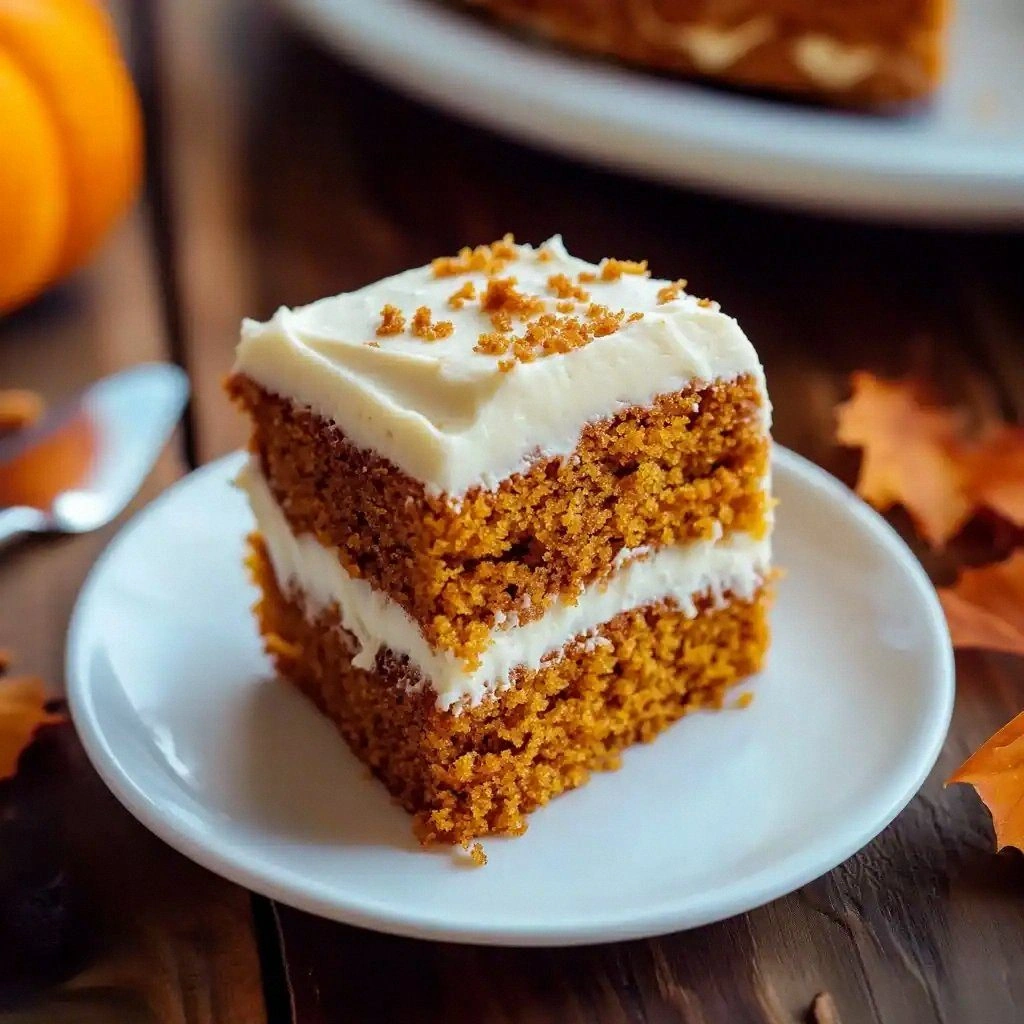
Picture this: a golden‑brown slab of cake, its edges crisping like thin ice while the center remains cloud‑soft, the frosting sliding across the tongue like velvet. The first bite releases a burst of pumpkin spice, a splash of citrus from the orange zest, and a subtle sweet crunch from the pecans. The frosting, silky and tangy, balances the sweetness of the cake with a whisper of salt. Every texture is a story, every bite a chapter, and you’ll find yourself reaching for a second slice—yes, I dare you to taste this and not go back for seconds.
What sets this version apart is the meticulous layering of flavors and the clever use of ingredients that most recipes overlook. I’ve stripped the fluff, kept the process straightforward, and introduced a few game‑changing twists that elevate the cake from ordinary to unforgettable. I’ll be honest—this is hands down the best version you’ll ever make at home, and it’s not because of a secret ingredient; it’s because of how each element works in concert. Picture yourself pulling this out of the oven, the whole kitchen smelling incredible, and knowing you’ve just created a masterpiece that will have everyone begging for the recipe.
Stay with me here—this is worth it. I’m going to walk you through every single step, from the moment you open the can to the final swirl of frosting. By the end, you’ll wonder how you ever made it any other way, and you’ll feel like a baking wizard who just unlocked a new spell. Let me show you the secrets that make this pumpkin cake with cream cheese frosting a showstopper.
What Makes This Version Stand Out
- Flavor Depth: The combination of pumpkin pie spice and orange zest creates a layered taste profile that feels both familiar and adventurous.
- Moistness: The use of vegetable oil instead of butter keeps the crumb tender and prevents drying out during baking.
- Frosting Balance: Cream cheese frosting is thick yet light, offering a creamy tang that cuts through the sweetness of the cake.
- Texture Contrast: Crunchy pecans or walnuts and chewy dried cranberries add delightful texture, making each bite a sensory adventure.
- Time Efficiency: The method is streamlined—no separate batter for frosting, no double baking—so you can serve in under an hour.
- Make‑Ahead Friendly: The cake can be assembled a day ahead and refrigerated, allowing flavors to meld beautifully.
- Visual Appeal: The golden crust and glossy frosting make the cake Instagram‑ready, perfect for holiday gatherings or casual brunches.
Alright, let’s break down exactly what goes into this masterpiece…
Inside the Ingredient List
The Flavor Base
All-purpose flour, baking powder, and baking soda form the backbone of the cake’s structure. The flour provides the matrix that holds the batter together, while the leavening agents give the cake its airy rise. Skipping the baking powder or soda will result in a dense, flat cake that feels like a brick. If you’re looking for a gluten‑free version, swap in a 1:1 blend of rice flour and cornstarch, but keep the leavening ratios the same to avoid a gummy texture.
The Spice Ensemble
Pumpkin pie spice and a pinch of salt are the dynamic duo that gives the cake its signature warmth. The spice blend usually contains cinnamon, nutmeg, ginger, cloves, and allspice—each contributing a different note to the flavor profile. The salt balances the sweetness and brings out the depth of the pumpkin. If you’re adventurous, try adding a dash of cayenne pepper for a subtle heat that contrasts nicely with the creamy frosting.
The Moisture Mix
Vegetable oil, pumpkin puree, and milk create a silky batter that stays moist even after cooling. The oil prevents the cake from becoming dry, while the pumpkin puree adds natural sweetness and a rich color. Milk helps to hydrate the flour and ensures the batter isn’t too thick, which could lead to uneven baking. A small substitution: use coconut milk for a tropical twist, but adjust the sugar slightly to compensate for the coconut’s inherent sweetness.
The Creamy Crown
Cream cheese, unsalted butter, powdered sugar, and vanilla extract combine to produce a frosting that’s both decadent and light. Cream cheese adds tang and richness, butter smooths the texture, and powdered sugar gives the frosting a silky finish. Vanilla extract ties everything together, adding a subtle depth that elevates the overall flavor. A pinch of salt in the frosting is essential—it sharpens the sweetness and makes the frosting feel more sophisticated.
Everything's prepped? Good. Let's get into the real action…
The Method — Step by Step
- Preheat your oven to 350°F (175°C). While it’s heating, line a 9‑inch bundt pan with parchment paper and lightly grease the sides with butter. This step prevents sticking and ensures a smooth release. As the oven warms, the air in your kitchen starts to buzz with anticipation—almost like a drumbeat before a concert. Remember: a properly preheated oven is the first secret to a perfectly risen cake.
- Whisk the dry ingredients. In a large bowl, combine the flour, baking powder, baking soda, pumpkin pie spice, and ½ teaspoon salt. Use a whisk to break up any clumps—this guarantees an even distribution of leavening agents. If you’re watching the batter rise, you’ll notice a faint golden glow; that’s the cake beginning to transform into a masterpiece.
- Blend the wet mixture. In a separate bowl, whisk together the pumpkin puree, vegetable oil, and milk until smooth. Add the eggs one at a time, beating well after each addition to create a glossy batter. The rhythmic beating creates tiny air pockets that help the cake rise.
- Combine wet and dry. Pour the wet mixture into the dry ingredients and stir just until combined. Overmixing will develop gluten and produce a tough cake. The batter should be thick but pourable—if it’s too runny, the cake will sink. At this point, the batter should emit a subtle sweet aroma, signaling that the spices are releasing their full potential.
- Add the nuts and dried fruit. Fold in the chopped pecans or walnuts and raisins or dried cranberries. These add a delightful crunch and chewiness that contrast the cake’s softness. The nuts also provide a subtle nutty undertone that pairs beautifully with the pumpkin’s earthiness. The dried fruit’s natural sweetness brightens the batter, creating a harmonious balance.
- Pour the batter into the pan. Gently tap the pan on the counter to release any air bubbles. The batter should spread evenly, forming a smooth surface. If you see any unevenness, use a spatula to level it out. The batter will settle into the pan like a calm pond—ready for the oven’s heat to stir it into a golden treasure.
- Cool the cake. Let the cake cool in the pan for 10 minutes, then turn it onto a wire rack to cool completely. This step allows the cake to set and prevents it from becoming soggy. While cooling, you’ll notice the aroma of pumpkin and spices filling the kitchen—this is the moment the cake starts to feel like home.
- Prepare the frosting. In a bowl, beat cream cheese, unsalted butter, powdered sugar, vanilla extract, and a pinch of salt until fluffy. The frosting should be light and airy; if it’s too thick, add a splash of milk to reach the desired consistency. Spread the frosting evenly over the cooled cake, smoothing with a spatula. The frosting’s glossy finish should gleam like a polished trophy.
- Final touches. Sprinkle the remaining pecans or walnuts on top for an added crunch. Add a light dusting of powdered sugar if you want a sweeter finish. The cake is now ready to be served, and you’ll see smiles forming as people take their first bite. This is the moment of truth—taste the culmination of your effort and savor the triumph.
That's it — you did it. But hold on, I've got a few more tricks that'll take this to another level…
Insider Tricks for Flawless Results
The Temperature Rule Nobody Follows
Many bakers think room‑temperature ingredients are enough for a fluffy cake, but in reality, cold butter and cream cheese create a richer, denser crumb. Keep the butter and cream cheese chilled until you’re ready to mix. When you beat them together, the coldness helps to incorporate air, giving the frosting a lighter texture. A friend once skipped this step, and the frosting ended up clumpy—talk about a disappointment.
Why Your Nose Knows Best
When the cake is baking, the smell is your most reliable indicator of doneness. A warm, toasty scent with hints of cinnamon and nutmeg signals that the cake is ready. If the aroma is too sweet or raw, give it a few more minutes. Your nose can detect subtle changes that a timer can’t, making it an invaluable tool in any baker’s arsenal.
The 5‑Minute Rest That Changes Everything
After removing the cake from the oven, let it rest in the pan for exactly five minutes before transferring it to a rack. This brief pause allows the crumb to set, preventing it from breaking apart when you remove it. It also lets the steam inside the cake dissipate slightly, ensuring the frosting adheres evenly. I’ve seen cakes collapse if you skip this step—don’t be that baker.
Layering Flavors with Orange Zest
Orange zest adds a bright, citrusy note that cuts through the richness of the cream cheese frosting. Use a microplane to finely grate the zest, avoiding the bitter pith. A small amount goes a long way; a teaspoon is enough to transform the flavor profile. The citrus undertone makes the cake feel fresh and lively, especially during the fall season.
The 1‑Minute Cooling Trick
If you’re in a hurry, place the cake on a cooling rack for just one minute before frosting. This tiny window allows the surface to cool slightly, preventing the frosting from melting. It’s a quick fix that keeps the frosting smooth and the cake looking pristine. I’ve used this trick during holiday parties, and it always impresses the guests.
The Final Touch: A Dusting of Powdered Sugar
A light dusting of powdered sugar not only adds sweetness but also gives the cake a polished look. Use a fine sieve to ensure an even coating. This simple step elevates the presentation, making the cake feel like a professional bakery item. Don’t be afraid to sprinkle a little extra for a dramatic effect.
Creative Twists and Variations
This recipe is a playground. Here are some of my favorite ways to switch things up:
Chocolate‑Infused Pumpkin Cake
Add 1/2 cup of cocoa powder to the dry mix and substitute half the pumpkin puree with unsweetened applesauce. The result is a fudgy, chocolatey cake with a subtle pumpkin undertone that satisfies both sweet and savory cravings.
Spiced Apple Crunch
Replace the raisins with chopped dried apples and add a pinch of ground cloves. The apple’s natural sweetness pairs beautifully with the spices, creating a crisp, autumnal texture that’s impossible to resist.
Coconut Cream Cheese Frosting
Swap the butter in the frosting for coconut butter and add a tablespoon of shredded coconut. The tropical flavor adds a new dimension, making the cake feel like a vacation in every bite.
Almond Flour Version
Use almond flour instead of all-purpose flour for a gluten‑free option. The cake will be slightly denser, but the nutty flavor will complement the pumpkin and spice beautifully.
Savory Pumpkin Cake
Omit the sugar entirely and add a pinch of rosemary to the batter. Serve this savory cake with a dollop of herbed cream cheese for a unique appetizer that’s perfect for a brunch or cocktail party.
Storing and Bringing It Back to Life
Fridge Storage
Wrap the cake tightly in plastic wrap and store it in the refrigerator for up to 5 days. The cold environment keeps the frosting firm and the cake moist. When you’re ready to serve, let the cake sit at room temperature for 20 minutes to soften the frosting slightly.
Freezer Friendly
Freeze the cake in a single layer on a parchment paper‑lined tray before transferring to a freezer bag. It can stay frozen for up to 3 months. When thawing, let it sit in the refrigerator overnight, then bring it to room temperature before serving.
Best Reheating Method
To revive a refrigerated or frozen cake, preheat the oven to 325°F (160°C). Place the cake on a baking sheet and warm for 10–12 minutes. Add a tiny splash of water to the pan before reheating; it steams the cake, restoring its moisture and making the frosting silky.