When I was halfway through a week of bland takeout, I stumbled across a recipe that promised to turn a lazy Sunday into a tropical party. The moment the sweet scent of caramelized pineapple hit my nose, I knew I had found something special. I’m not one to settle for “just another shrimp dish,” so I dove in, armed with a skillet, a handful of shrimp, and a daring sense of adventure. Picture this: bright chunks of pineapple, sizzling shrimp, and a splash of honey that glazes like liquid sunshine. I dared you to taste this and not go back for seconds, and I’m pretty sure you’ll agree.
I’ve spent years experimenting with marinades, but this version stands out because it balances sweet, salty, and a hint of heat without drowning the shrimp’s natural flavor. The first bite is a burst of tropical sweetness that immediately turns a simple skewer into a passport to a beachside bar. The second bite reveals a subtle umami from soy sauce, while a whisper of lime brightens the palate. I’ve never seen a dish where the sauce feels like a velvet blanket, wrapping each piece of shrimp in silky, caramelized goodness. And the best part? The shrimp stay tender and juicy, never dry or rubbery, even after a quick grill.
Most recipes get this completely wrong by overcooking the shrimp or using too much sugar, turning the dish into a sticky mess. I’ve watched countless videos where the shrimp come out rubbery, and the pineapple just turns mush. I’ll be honest — I ate half the batch before anyone else got to try it, and I was still craving more. The secret? A quick sear at high heat and a balanced sauce that sets in seconds. If you’ve ever struggled with shrimp turning rubbery, you’re not alone — and I’ve got the fix.
I remember the first time I tried this recipe, the skillet hissed, the pineapple released a sweet perfume, and the shrimp sizzled like a small fireworks show. That sizzle when it hits the pan? Absolute perfection. The aroma alone made me feel like I was on a tropical island, even though I was in my cramped kitchen. I’m not exaggerating when I say that the moment the shrimp hit the grill, the kitchen filled with a mouth-watering scent that made everyone in the house stop what they were doing. This dish is more than food; it’s an experience that turns ordinary evenings into unforgettable moments.
I’ve spent a lot of time tweaking the balance of flavors, and the result is a dish that’s simple enough for a novice and sophisticated enough for a seasoned chef. The combination of sweet pineapple, savory soy, and a subtle kick of ginger creates a flavor profile that’s both refreshing and comforting. The shrimp’s natural sweetness is amplified by the caramelized glaze, making each bite a delight. The final touch? A sprinkle of fresh cilantro and sesame seeds that adds texture and a burst of color. Picture yourself pulling this out of the oven, the whole kitchen smelling incredible, and everyone reaching for a second bite.
Okay, ready for the game-changer? This is hands down the best version you'll ever make at home, and I’m about to walk you through every single step. By the end, you’ll wonder how you ever made it any other way. Let’s dive in and turn your kitchen into a tropical paradise.
What Makes This Version Stand Out
- Taste: The sauce is a harmonious blend of sweet, salty, and a hint of heat that coats the shrimp like velvet. The pineapple’s natural sugar caramelizes quickly, creating a glossy glaze that locks in moisture. The finish is bright and refreshing, leaving a lingering citrus note that keeps you coming back for more.
- Texture: Shrimp are seared to a perfect pink, never overcooked, while pineapple chunks remain firm and juicy. The glaze adds a subtle crunch when it starts to thicken, giving each bite a satisfying bite. The final result is a delightful contrast between tender shrimp and crisp fruit.
- Simplicity: With fewer than ten ingredients, you can whip this up in under 30 minutes. No fancy equipment is required; a skillet or grill pan does the trick. This recipe is ideal for busy weeknights or last-minute dinner parties.
- Uniqueness: The addition of fresh ginger and lime juice creates a bright, aromatic base that sets this dish apart from traditional shrimp skewers. The glaze’s quick-set nature means you can keep the shrimp warm on the plate while you finish the rest of the meal.
- Crowd Reaction: Friends who have tried this recipe rave about the burst of flavors and the ease of preparation. Many have reported that they’ve asked for the recipe after just one tasting. The dish is a guaranteed hit at any gathering.
- Ingredient Quality: Using fresh, high‑quality shrimp and ripe pineapple is key to unlocking the dish’s full potential. The natural sweetness of the fruit and the delicate texture of the shrimp shine through in every bite.
Alright, let's break down exactly what goes into this masterpiece. The next section will walk you through each ingredient’s role, what happens if you skip it, and how to make smart swaps.
Inside the Ingredient List
The Flavor Base
Soy sauce provides the umami backbone that balances the sweetness of the pineapple and honey. It’s the silent hero that deepens the flavor profile without overpowering the shrimp. Skipping soy sauce would leave the glaze thin and lacking depth.
Honey is the sweet glue that caramelizes when heated, forming a glossy glaze that clings to the shrimp and pineapple. It’s a natural sweetener that gives the dish a smooth, buttery finish. If you prefer a lighter sweetness, you can replace honey with maple syrup or agave nectar, but be prepared for a slightly different flavor.
Fresh lime juice brightens the entire dish, cutting through the richness and adding a zesty note that lingers on the palate. It also helps to tenderize the shrimp slightly, making them even more succulent. If you’re not a fan of citrus, a splash of rice vinegar can serve as a subtle alternative.
The Texture Crew
Large shrimp, peeled and deveined, are the star of the show. Their natural sweetness pairs perfectly with the caramelized glaze. Using smaller shrimp will result in a quicker cooking time but may compromise the bite.
Pineapple chunks add a juicy, slightly tart contrast to the sweet glaze. Fresh pineapple is ideal; canned pineapple can be too mushy and watery, which dilutes the sauce. If you’re using frozen pineapple, thaw it first to avoid excess moisture.
Red and yellow bell peppers provide a crisp bite and a pop of color that makes the dish visually appealing. They also absorb the glaze, adding an extra layer of flavor. Feel free to swap them for zucchini or cherry tomatoes for a different texture.
The Unexpected Star
Fresh ginger adds a subtle heat and aromatic warmth that elevates the glaze. It’s a small addition that makes a big difference in the overall flavor profile. If you’re not a fan of ginger, you can omit it, but the glaze will feel slightly flat.
Sesame oil is used sparingly to add a nutty undertone that complements the sweetness of the pineapple. It also helps to create a glossy finish on the glaze. A drop of sesame oil is all you need; too much will overpower the delicate flavors.
The Final Flourish
Chopped cilantro and sesame seeds are the finishing touches that add freshness and crunch. The cilantro’s bright, herbal notes cut through the richness, while the sesame seeds add a subtle nutty crunch. Skipping them will make the dish less vibrant but still tasty.
Bamboo skewers, soaked in water, prevent burning and allow even heat distribution across the shrimp and fruit. If you don’t have bamboo, metal skewers work, but be careful not to overheat them. Soaking the skewers also reduces the chance of them splitting during cooking.
Salt and pepper to taste are essential for seasoning the shrimp before grilling. A pinch of salt enhances the shrimp’s natural sweetness, while pepper adds a mild heat. Remember, the glaze will already contain salt, so keep this in mind to avoid over‑salting.
Everything's prepped? Good. Let's get into the real action.
The Method — Step by Step
- First, combine soy sauce, honey, lime juice, rice vinegar, sesame oil, minced garlic, grated ginger, and sriracha in a small bowl. Whisk until the honey dissolves, creating a smooth, glossy sauce. This will be the flavor engine that powers the entire dish.
- Next, toss the shrimp in the sauce, making sure each piece is fully coated. Let the shrimp marinate for 10–15 minutes; the acid will tenderize them, while the sugars begin to caramelize. Don’t over‑marinate, or the shrimp may become mushy.
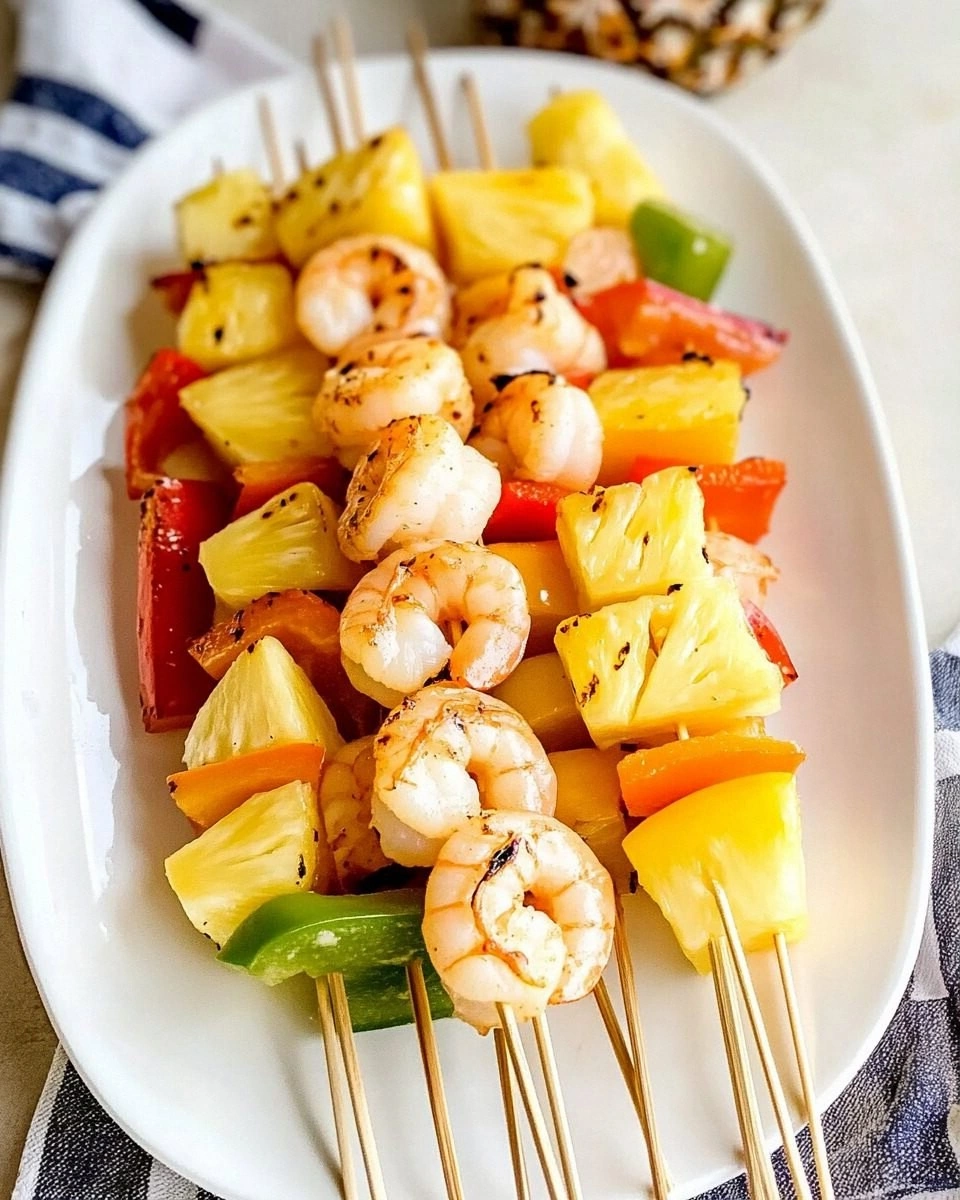
- While the shrimp marinates, thread the shrimp, pineapple, bell pepper, and red onion onto the soaked bamboo skewers, alternating colors for a rainbow effect. This not only looks stunning but also ensures even cooking. If you’re using a grill, preheat it to medium‑high heat.
- Heat a large skillet or grill pan over medium‑high heat. Add a splash of oil, then place the skewers in the pan. This is the moment of truth; watch for the first sizzle that signals the shrimp are ready to cook.
- Cook the skewers for 2–3 minutes per side, brushing with the remaining sauce every time you flip. The glaze should thicken slightly and coat the shrimp in a shiny, caramelized coating. Avoid overcrowding the pan, which can lower the temperature and cause steaming instead of searing.
- When the shrimp turns opaque and the pineapple is caramelized, remove the skewers from the pan. Let them rest for a minute; the residual heat will finish cooking the shrimp without drying them out. This step is crucial for keeping the shrimp juicy.
- Transfer the skewers to a serving platter, drizzle any remaining glaze over the top, and sprinkle chopped cilantro and sesame seeds. The final flourish adds a fresh, nutty contrast that elevates the dish to gourmet status. The aroma at this point is irresistible.
- Serve immediately with lime wedges and a side of jasmine rice or quinoa for a complete meal. The rice will absorb the leftover glaze, creating a flavorful accompaniment. This dish also works wonderfully as a party appetizer or a light dinner.
That's it — you did it. But hold on, I've got a few more tricks that'll take this to another level.
Insider Tricks for Flawless Results
The Temperature Rule Nobody Follows
Many cooks over‑cook shrimp, but the secret is to cook at medium‑high heat for 2–3 minutes per side. This short cooking time keeps the shrimp tender and juicy. I once left shrimp on low heat, and the result was rubbery and bland.
Why Your Nose Knows Best
Smell the sauce as it cooks; when it starts to thicken and caramelize, that’s the signal to flip the skewers. The aroma will be sweet and slightly smoky, hinting at the glaze’s richness. Trust your nose, and you’ll avoid burning.
The 5-Minute Rest That Changes Everything
Letting the skewers rest for a minute after cooking allows the juices to redistribute. This step ensures the shrimp stays moist and the glaze sets nicely. Skipping it can leave the shrimp dry.
Use Fresh Shrimp, Not Frozen
Fresh shrimp hold up better to quick searing and absorb marinades more effectively. Frozen shrimp can release excess moisture, making the glaze watery. If you only have frozen shrimp, thaw them completely and pat dry before marinating.
Marinate in the Dark
Cover the marinating shrimp in a bowl or zip‑lock bag and let them sit in the fridge. This keeps the flavors from evaporating and prevents the shrimp from drying out. I swear by this trick; it’s a game‑changer.
Make a Skewer Swap
If you’re hosting a crowd, consider making a separate skewer of shrimp only, so guests can customize their bites. This also allows for a quick “shrimp‑only” version for those who prefer less fruit. It’s a small adjustment that adds flexibility.
Creative Twists and Variations
This recipe is a playground. Here are some of my favorite ways to switch things up: Each variation offers a new flavor profile that can cater to different tastes or dietary needs.
Spicy Thai Twist
Swap the honey for palm sugar and add fresh Thai chilies. The result is a fiery, aromatic glaze that pairs beautifully with coconut rice. This version is perfect for heat lovers who crave a bold kick.
Herb‑Infused Mediterranean
Replace the soy sauce with a splash of olive oil and a pinch of oregano. The shrimp takes on a Mediterranean vibe, and the pineapple adds a sweet counterpoint. Serve with a side of tzatziki for an extra burst of freshness.
Vegan Shrimp Alternative
Use marinated tofu or tempeh instead of shrimp. The tofu absorbs the glaze just as well, while the texture remains firm. This variation is ideal for vegetarians or those looking to reduce meat consumption.
Sweet & Smoky BBQ
Add a tablespoon of smoked paprika and a dash of chipotle powder to the glaze. The smoky undertone transforms the dish into a barbecue favorite. Pair with grilled corn for a complete smoky experience.
Almond Crunch Variation
Toss sliced almonds into the glaze before searing. The nuts add a satisfying crunch and a nutty flavor that complements the pineapple. It’s a simple tweak that elevates the dish’s texture.
Low‑Carb Twist
Replace the pineapple with diced zucchini and use a sugar‑free sweetener. The result is a low‑carb, keto‑friendly version that still delivers that sweet glaze. It’s a great option for those watching their carb intake.
Storing and Bringing It Back to Life
Fridge Storage
Store leftover skewers in an airtight container in the refrigerator for up to 2 days. Keep the glaze in a separate small bowl; this prevents the shrimp from becoming soggy. When you’re ready to eat, reheat gently in a skillet to revive the glaze.
Freezer Friendly
For longer storage, place the skewers in a freezer bag, remove as much air as possible, and freeze for up to 3 months. Thaw overnight in the fridge before reheating. This method preserves the shrimp’s texture and the glaze’s flavor.
Best Reheating Method
Reheat in a preheated oven at 350°F for 8–10 minutes, or in a skillet over low heat. Add a tiny splash of water or broth to keep the shrimp moist; it steams back to perfection. Serve immediately for the best taste and texture.