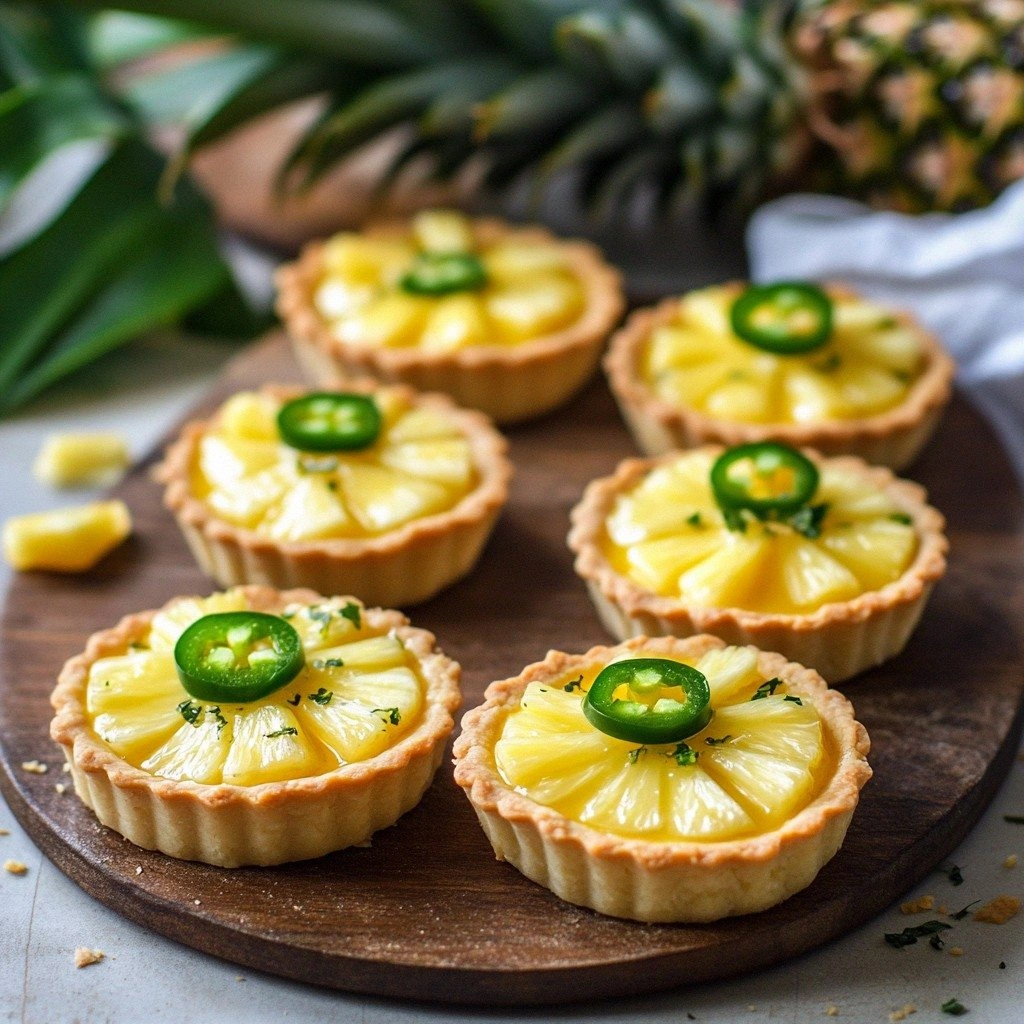
Picture this: a sunny Saturday afternoon, the kitchen humming with the low buzz of a blender, and a friend’s impatient grin that says, “I dare you to taste this and not go back for seconds.” I was halfway through a mediocre pineapple salsa, the jalapeño too fiery, the pineapple too sweet, and my mood was a cocktail of frustration and curiosity. That moment, a culinary crossroad, sparked the creation of the Pineapple Jalapeño Curd Tartlet, a dish that marries tropical sweetness with a subtle kick, all nestled in a buttery, flaky crust. The scent of caramelized sugar and the tang of lime juice swirled together, creating a heady aroma that promised adventure. If you’ve ever felt the sting of a jalapeño in a dessert, you’ll know the thrill of finding that perfect balance. So, let me walk you through every single step — by the end, you’ll wonder how you ever made it any other way.
The first time I tasted this tartlet, the world seemed to tilt just a little. The crust was crisp and buttery, with a golden edge that cracked like a tiny shell under your fork. The curd inside was a silky, velvety blend of pineapple and jalapeño, the heat dancing like a mischievous flame on your palate. I was so enamored that I confess — I ate half the batch before anyone else even got a taste. That instant rush of flavor was a revelation, a reminder that the most extraordinary dishes often come from a single daring tweak. And now, I’m here to share that tweak with you, so you can replicate the magic in your own kitchen.
Imagine biting into a tartlet that feels like a sunlit beach in a bite: the pineapple’s bright, sweet citrus cuts through the jalapeño’s gentle heat, while a splash of lime juice lifts the entire flavor profile into the clouds. The crust, on the other hand, offers a buttery, slightly nutty crunch that anchors the dessert, preventing the curd from sliding off like a rogue wave. Every component has a purpose, from the subtle vanilla that rounds out the sweetness to the fresh cilantro garnish that adds a burst of green freshness. The result? A dish that feels both indulgent and refreshing, a paradox that will have your guests asking for the recipe before the last bite. And that’s just the tip of the iceberg. Let’s dive deeper into why this version is hands down the best you’ll ever make at home.
Before we get into the nitty-gritty, let me assure you that this recipe is designed to be approachable yet sophisticated. No obscure ingredients, no complicated techniques, just a handful of steps that will elevate your culinary repertoire. The best part? The tartlets are make-ahead friendly, so you can prepare them a day in advance and let the flavors marry like a fine wine. I’ve spent countless hours testing variations, tweaking ratios, and perfecting the baking time to get that perfect balance of texture and taste. And now, you’re about to experience the culmination of those experiments. Stay with me here — this is worth it.
What Makes This Version Stand Out
- Flavor: The pineapple and jalapeño are not just combined; they’re harmonized through a carefully calibrated sweetness-to-spice ratio that ensures neither dominates the other. The subtle lime zest lifts the entire dish, adding a citrusy brightness that cuts through the richness of the curd.
- Texture: The crust is a buttery, flaky marvel that crumbles like a cloud when you bite into it, while the curd inside stays silky and smooth, creating a delightful contrast that feels like a well‑executed duet.
- Simplicity: With just a handful of pantry staples, you can assemble this dish in under 45 minutes. No need for exotic spices or advanced techniques—just a dash of confidence.
- Uniqueness: Most pineapple desserts lean toward sweet or creamy, but this recipe introduces a gentle heat that turns the tartlet into an unexpected party starter.
- Crowd Reaction: Guests who try these tartlets often leave asking for the recipe, claiming they’ve never tasted a dessert that feels both tropical and spicy in the same bite.
- Ingredient Quality: Using fresh pineapple and jalapeños, rather than canned or frozen, elevates the dish from ordinary to extraordinary, bringing out bright, natural flavors.
- Cooking Method: The short baking time preserves the delicate curd, while the slightly chilled crust provides a satisfying snap.
- Make-Ahead Potential: Prepare the tartlets a day ahead, store them in the fridge, and they’ll stay fresh and delicious, ready to wow guests on short notice.
Inside the Ingredient List
The Flavor Base
The first layer of flavor comes from the crust, where flour, butter, and powdered sugar mingle to create a buttery, slightly sweet foundation. The butter must be cold and cubed, ensuring the crust flutters like a feather when baked. If you skip the butter, the crust becomes dense and loses that coveted flakiness. For a richer taste, you can replace half the butter with a splash of coconut oil, giving a subtle tropical undertone. Freshly ground black pepper can be added to the crust for a hint of complexity, but it’s optional.
The Texture Crew
The texture of the curd hinges on the cream cheese and the amount of sugar. Cream cheese provides a silky, tangy base that balances the pineapple’s sweetness. If you prefer a lighter curd, substitute half of the cream cheese with Greek yogurt, which will give a tangier, airy feel. The sugar is crucial for caramelizing the pineapple’s natural sugars during baking, giving the curd a glossy finish. A pinch of salt is added to amplify every flavor, but you can leave it out if you’re watching sodium.
The Unexpected Star
The jalapeño is the dish’s secret weapon, injecting a gentle heat that lingers on the tongue. To control the spice level, seed the jalapeño before dicing; this reduces the capsaicin concentration while preserving the bright green color. If you’re a heat novice, start with half a jalapeño and adjust to taste. The lime juice and zest amplify the tropical feel, giving the curd a zesty punch that cuts through the richness. A splash of vanilla extract balances the overall sweetness, tying all flavors together.
The Final Flourish
The garnish is the finishing touch that turns a good tartlet into a memorable experience. Fresh cilantro adds a burst of green freshness that brightens the plate. Toasted coconut flakes provide a subtle crunch and a hint of coconut sweetness, complementing the pineapple. A drizzle of honey over the top before serving adds a glossy sheen and a final sweet note. If you’re vegetarian, you can swap the butter for a vegan alternative; the texture remains similar, though the flavor profile shifts slightly.
Everything’s prepped? Good. Let’s get into the real action, where the magic truly happens. The steps that follow are simple, but the results are extraordinary, so keep an eye on the details. Trust me, the moment you taste the first bite, you’ll understand why I’m so passionate about this recipe.
The Method — Step by Step
- Prepare the crust: In a large bowl, combine the flour, powdered sugar, and salt. Add the cold, cubed butter and use your fingertips or a pastry blender to cut the butter into the flour until the mixture resembles coarse crumbs. This step is critical; if the butter isn’t fully incorporated, the crust will be crumbly. Once the mixture is ready, add a tablespoon of cold water and mix just until the dough comes together. Chill the dough in the fridge for 20 minutes, allowing the butter to firm up again, which keeps the crust flaky.
- Shape the tartlet shells: Preheat your oven to 350°F (175°C). Roll the chilled dough between two sheets of parchment paper to a thickness of about 1/8 inch. Cut out circles that fit the bottom of a 4‑inch muffin tin. Gently press the dough into the tin, ensuring it covers the bottom and rises slightly along the edges. Lightly prick the bottom with a fork to prevent bubbling. Place the tin in the refrigerator for another 10 minutes to keep the crust from shrinking during baking.
- Bake the crusts: Bake the crusts for 12–15 minutes, or until they’re lightly golden. The baking time is short, so keep an eye on them; you don’t want them to brown too much. Once done, remove from the oven and let them cool completely on a wire rack. This cooling step is vital; it allows the crusts to set, preventing the curd from seeping into the shell later.
- Make the curd: In a blender, combine the softened cream cheese, granulated sugar, vanilla extract, lime juice, and zest. Blend until the mixture is smooth and silky. Add the diced jalapeño and crushed pineapple, blending again until the pineapple pieces are evenly distributed. Taste the mixture; if you want more heat, add a pinch of cayenne pepper. If you prefer a smoother texture, strain the curd through a fine mesh sieve to remove any pineapple pulp.
- Fill the shells: Spoon the curd into the cooled crusts, filling each shell to the top. The curd should be glossy and slightly firm to the touch. Gently tap the tin on the counter to remove any air bubbles that might cause uneven baking. This step ensures a smooth finish that will be visually appealing.
- Bake the tartlets: Return the tin to the oven and bake at 350°F (175°C) for 18–20 minutes, or until the curd is set and the tops are lightly golden. The oven should feel like a warm hug, with the aroma of pineapple and jalapeño filling the kitchen. Don’t overbake; the curd should still have a slight wobble in the center. This will prevent it from becoming rubbery.
- Cool and garnish: Let the tartlets cool in the tin for 5 minutes, then transfer them to a wire rack to cool completely. Once cooled, sprinkle fresh cilantro and toasted coconut flakes over the top. For an extra touch of sweetness, drizzle a light honey glaze. The garnish not only adds flavor but also elevates the presentation, making each tartlet look as good as it tastes.
- Serve or store: Serve the tartlets immediately for the best texture, or let them chill in the fridge for up to 2 days. If you’re storing them, cover tightly with plastic wrap to keep them from drying out. When you’re ready to serve, let them sit at room temperature for 10 minutes to soften slightly, enhancing the mouthfeel.
That’s it — you did it. But hold on, I’ve got a few more tricks that will take this to another level. These are the little details that separate a good dessert from a legendary one. Stay tuned as we dive into insider techniques that will elevate your culinary game.
Insider Tricks for Flawless Results
The Temperature Rule Nobody Follows
Many bakers assume that room temperature ingredients are fine, but the truth is that the butter’s temperature is critical for a flaky crust. Keep the butter cold until the very last moment; if it softens, the dough will bind, resulting in a dense crust. I once baked a batch with softened butter and the crust collapsed into a soggy mess. The lesson? Keep that butter frosty.
Why Your Nose Knows Best
When the crust is baking, the aroma is a real indicator of doneness. A warm, sweet scent with a hint of toasted butter signals that the crust is golden. If it smells like burnt sugar, pull it out immediately. I’ve learned to trust my nose more than the timer; it’s a reliable guide that keeps your crust from overcooking.
The 5‑Minute Rest That Changes Everything
After baking, let the tartlets rest for exactly five minutes before removing them from the tin. This short rest allows the curd to set fully and prevents it from sliding out of the shell. A friend once skipped this step and ended up with curd spilling onto the counter. Lesson learned: the five minutes make the difference.
The Secret of a Crisp Edge
If you want a crispier edge, brush the crust with a beaten egg before baking. The egg wash creates a golden crust that’s slightly crunchy. This trick is especially useful if you’re serving the tartlets at a party where guests might be hungry for that extra crunch.
The Quick Cooling Trick
Cooling the tartlets on a wire rack allows steam to escape, preventing the crust from becoming soggy. I used to cool them on a baking sheet, and the bottom stayed damp. Switching to a rack made a noticeable difference, and the crust stayed crisp.
The Final Touch of Sweetness
A light drizzle of honey or maple syrup over the top just before serving adds a glossy finish and an extra layer of flavor. It also balances the tartness from the pineapple and the heat from the jalapeño. I’ve used this trick at family gatherings, and it instantly elevates the dish.
Creative Twists and Variations
This recipe is a playground. Here are some of my favorite ways to switch things up:
Tropical Coconut Twist
Swap the standard butter in the crust for coconut oil and add shredded coconut to the curd. The result is a tropical, slightly sweet flavor that pairs beautifully with the pineapple. This version is perfect for beach-themed parties or summer gatherings.
Spicy Mango Explosion
Replace pineapple with diced mango for a sweeter, more fragrant curd. Keep the jalapeño to maintain the heat, and add a splash of lime juice to brighten the flavor. Guests who love mango will be delighted.
Herb‑Infused Delight
Add finely chopped basil or mint to the curd for a fresh herbal note. The herbs cut through the sweetness, creating a balanced taste. This variation works well in spring and summer menus.
Chocolate‑Infused Surprise
Fold in a tablespoon of cocoa powder into the curd for a subtle chocolate undertone. The chocolate pairs unexpectedly well with the pineapple, adding depth. This version is great for chocolate lovers who want something new.
Vegan Version
Use a plant‑based butter and a vegan cream cheese substitute. The texture remains similar, though the flavor profile shifts slightly. This makes the dish accessible to those who prefer plant‑based options.
Savory Spin
Add diced avocado and a sprinkle of sea salt to the curd for a savory twist. The avocado adds creaminess, while the sea salt brings out the pineapple’s natural sweetness. This variation is great for brunch or a light lunch.
Storing and Bringing It Back to Life
Fridge Storage
Store the tartlets in an airtight container in the refrigerator for up to 2 days. The crust will stay crisp, and the curd will remain silky. When you’re ready to serve, let them sit at room temperature for 10 minutes to soften slightly. This small step ensures the texture is perfect.
Freezer Friendly
To freeze, wrap each tartlet tightly in plastic wrap and place them in a freezer bag. They can be stored for up to 3 months. Thaw overnight in the refrigerator before serving. The texture holds up well, and the flavors stay vibrant.
Best Reheating Method
If the tartlets have been frozen, gently warm them in a 300°F (150°C) oven for 5–7 minutes. Add a tiny splash of water before reheating to create steam, which keeps the curd from drying out. Let them cool slightly before serving. This method preserves both texture and flavor.
Reheating for a Crowd
For a large gathering, bake the tartlets on a sheet in the oven at 325°F (165°C) for 10 minutes. This gentle heat reactivates the curd without overbaking the crust. Serve immediately for the best experience.
Restoring the Crunch
If the crust has softened after refrigeration, reheat the tartlets in a toaster oven on a high setting for 2 minutes. The heat will crisp the edges again. This trick is a lifesaver for last‑minute parties.
Flavor Boost Before Serving
Just before serving, drizzle a light honey glaze over the top and sprinkle toasted coconut. The glaze adds shine, while the coconut adds a subtle crunch. Guests will love the finishing touch.