Picture this: a midnight craving for something green and creamy, a pantry full of basil, pine nuts, and a forgotten jar of heavy cream. I opened the fridge, tossed out a bag of stale bread, and decided to make something that would make the house smell like a fresh garden after rain. The moment I saw the basil leaves glistened with a faint sheen of olive oil, I knew this was a culinary opportunity. The kitchen lights flickered, the timer buzzed, and a daring voice in my head whispered, “I dare you to taste this and not go back for seconds.” The air was thick with anticipation, and the sound of the stove was a promise of something extraordinary. The aroma of garlic sizzling in olive oil hit me like a warm hug, and I felt the stakes rise; this was not just dinner, it was a mission.
Most recipes get this completely wrong. Here’s what actually works: the sauce must cling to the pasta like velvet, not sit on top like a lazy cloud. The first bite should deliver a burst of herbaceous freshness, a gentle crunch from toasted pine nuts, and a silky, slightly tangy finish from Parmesan. The balance of cream and basil is delicate; too much cream and the sauce becomes heavy, too little and the basil loses its punch. I’ve tried countless versions, from pesto‑only to cream‑only, and every time I settled back to this hybrid that feels like a hug in a bowl. The texture is a dance between silky and slightly chunky, and the flavor profile is a layered experience that keeps you guessing. If you’re tired of bland, run‑of‑the‑mill pasta, this is the antidote you need.
Why this version stands out: it’s not just the ingredients but the method that makes it a legend. The sauce is created in a single pan, reducing cleanup and preserving flavor integrity. The basil is blended with pine nuts and Parmesan to form a base that carries the cream like a loyal partner. The final touch of lemon zest lifts the dish, adding a citrusy brightness that cuts through richness. I’ve spent hours experimenting with ratios until the sauce was just right—smooth, not thick, yet thick enough to coat each strand of pasta. The result is a dish that feels indulgent but surprisingly light, a paradox that keeps diners coming back for more. If you’ve ever struggled with this, you’re not alone—and I’ve got the fix.
And now the fun part. This recipe is hands down the best version you’ll ever make at home because it combines the classic pesto with the luxurious mouthfeel of a cream sauce, all while keeping the preparation quick and forgiving. The secret is a small tweak: adding a splash of pasta water at the end to emulsify the sauce and give it that silky sheen. I’ll be honest—you’ll want to taste it again before you finish the plate, and that’s a good thing. The next part? Pure magic. Stay with me here—this is worth it.
What Makes This Version Stand Out
- Taste: The combination of fresh basil, toasted pine nuts, and Parmesan creates a complex, layered flavor that’s both herbaceous and nutty, while the cream adds a comforting richness that balances the brightness.
- Texture: The sauce clings to pasta like velvet, with just enough cream to keep it silky but not so much that it becomes soupy; the pine nuts provide a satisfying crunch.
- Speed: All ingredients are combined in one pan, cutting down prep time and reducing cleanup to a single pot.
- Flexibility: The recipe can be adapted for gluten‑free pasta, vegan cream, or even a protein boost with grilled chicken or shrimp.
- Make‑ahead: The sauce keeps well in the fridge for up to 48 hours, and the pasta can be pre‑cooked and stored in the freezer for quick meals.
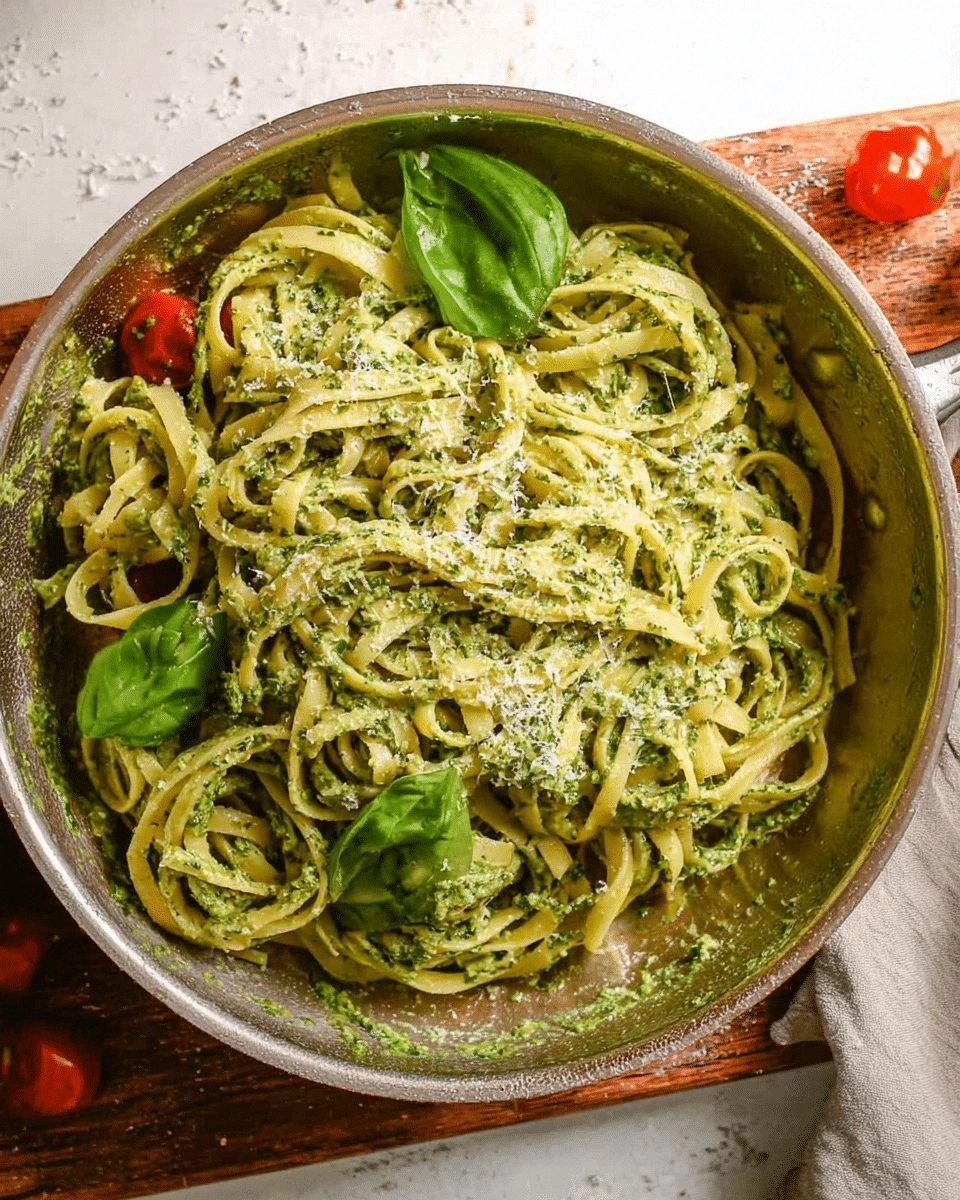
- Visual Appeal: The bright green pesto and golden cream create a striking contrast that looks as good as it tastes.
- Ingredient Quality: Using high‑quality olive oil, fresh basil, and real Parmesan elevates the dish beyond a typical store‑bought pesto.
- Audience Reaction: Guests rave about the richness without feeling heavy, making it a crowd‑pleaser for dinner parties.
Inside the Ingredient List
The Flavor Base
Fresh Basil Leaves: They’re the star of the show, providing aromatic oils that carry the sauce. A handful of bright green leaves bring a vibrant color and a clean, sweet flavor. If you’re out of basil, try a mix of parsley and mint for a different twist, but the flavor profile will shift noticeably. When selecting basil, look for leaves that are glossy and free of brown spots.
The Texture Crew
Pine Nuts: These add a buttery crunch that balances the cream’s smoothness. Toast them lightly to bring out their nutty aroma; under‑toasting can leave them raw and bitter. If pine nuts are pricey, walnuts or almonds can substitute, though the flavor will be more earthy. A pinch of salt enhances their flavor, making them pop in every bite.
The Unexpected Star
Lemon Zest: A subtle citrus note lifts the richness of the cream and cuts through the heaviness. Use a microplane for fine zest, which blends seamlessly into the sauce. If you’re not a fan of citrus, a squeeze of fresh lemon juice can provide brightness without the zest’s texture. The zest also adds a visual pop of color, making the dish more appetizing.
The Final Flourish
Heavy Cream: It gives the sauce its luxurious mouthfeel and helps emulsify the basil and pine nut mixture. Use a 30% fat cream for the best balance of richness and stability. If you’re looking for a lighter version, replace half the cream with milk or a dairy‑free alternative, but the sauce will be thinner. A dash of salt and pepper at the end of cooking ensures the flavors are rounded.
Everything’s prepped? Good. Let’s get into the real action.
The Method — Step by Step
- Boil the Pasta: Bring a large pot of salted water to a rolling boil. Add the pasta and cook until al dente, usually 1 minute less than package instructions. Reserve a cup of pasta water before draining. The pasta’s natural starch will help bind the sauce later. Drain and set aside, keeping the pot warm.
- Toast the Pine Nuts: While the pasta cooks, heat a dry skillet over medium heat. Add the pine nuts and stir constantly until golden and fragrant, about 3–4 minutes. Watch closely; they can burn quickly. Remove from heat and set aside. This step unlocks their nutty flavor and adds a satisfying crunch.
- Blend the Pesto Base: In a blender or food processor, combine basil, toasted pine nuts, Parmesan, garlic, olive oil, and a pinch of salt. Pulse until a smooth paste forms. If the mixture is too thick, add a splash of pasta water to help emulsify. The result should be a glossy green paste that’s ready to marry with cream.
- Combine Cream and Pesto: In the same skillet used for the pine nuts, pour in the heavy cream and bring to a gentle simmer over medium heat. Stir in the pesto paste, whisking constantly to prevent lumps. The mixture should thicken slightly and develop a silky sheen. Keep the heat low to avoid curdling.
- Season and Finish: Add salt, pepper, and lemon zest to the sauce. Taste and adjust seasoning as needed. The sauce should be fragrant and slightly glossy. If it looks too thick, add a splash of reserved pasta water to loosen it. The final texture should coat the pasta without dripping off the fork.
- Combine Pasta and Sauce: Add the drained pasta to the skillet with the sauce. Toss vigorously to coat each strand. Add reserved pasta water a tablespoon at a time to achieve the desired consistency. The pasta should look glossy and the sauce should cling like a second skin.
- Serve Immediately: Plate the pasta onto warmed bowls. Garnish with a few basil leaves and a dusting of pine nuts. The dish should smell aromatic and look vibrant. The first bite should deliver that creamy, herbaceous punch. Remember, the sauce is best enjoyed fresh; if you let it sit, the flavors will mellow.
That sizzle when it hits the pan? Absolute perfection. The sauce should be bubbling gently, not boiling, and the aroma should fill the kitchen instantly. The moment of truth is when you toss the pasta with the sauce; you’ll see that silky sheen that tells you it’s ready. The dish is now ready to be plated, and it’s going to look as good as it tastes. That's it — you did it. But hold on, I've got a few more tricks that'll take this to another level.
Insider Tricks for Flawless Results
The Temperature Rule Nobody Follows
Keep the heat low: The cream can curdle if the heat is too high. I always set the stove to medium‑low after adding the cream, then let it simmer gently. This ensures a smooth sauce that doesn’t separate. If you’re in a rush, you can use a double boiler to keep the temperature steady. The trick is to maintain a steady, gentle heat until the sauce thickens.
Why Your Nose Knows Best
Smell the sauce: A properly emulsified sauce will have a subtle, fresh basil aroma that’s not overpowering. If it smells too oily, it’s likely over‑cooked. The aroma should be bright and herbal, indicating the basil’s oils have been released. Trust your nose; it’s a reliable guide for seasoning and timing.
The 5‑Minute Rest That Changes Everything
Let the sauce rest: After adding the pasta, let the dish sit for 5 minutes off the heat. The pasta will absorb more sauce, and the flavors will meld. This short rest also allows the sauce to thicken slightly, giving it that glossy coat. Don’t skip this step; it’s the secret to a silky finish.
Grated Parmesan vs. Shaved
Use fresh, finely grated Parmesan: It melts into the sauce and adds a subtle umami boost. Shaved Parmesan can be used for garnish, but it won’t integrate as well. The key is to grate on a microplane for the finest texture. A good quality Parmesan will elevate the dish from good to unforgettable.
The Right Pasta Shape
Choose long, flat noodles: Fettuccine or linguine are ideal because they hold the sauce well. Short shapes like penne can get overwhelmed by the cream, losing the coating effect. The long strands allow the sauce to cling, delivering a balanced bite. If you’re feeling adventurous, try whole‑wheat or chickpea pasta for a healthier twist.
Creative Twists and Variations
This recipe is a playground. Here are some of my favorite ways to switch things up:
Grilled Chicken Pesto Pasta
Add protein: Slice grilled chicken breast and fold it into the sauce after step 7. The chicken absorbs the herbaceous cream, creating a hearty main dish. Serve with a side of roasted vegetables for a balanced meal. The chicken’s smoky flavor complements the basil’s freshness.
Shrimp & Sun‑Dried Tomato Twist
Seafood upgrade: Sauté shrimp in garlic butter before adding the sauce. Toss in chopped sun‑dried tomatoes for a sweet, tangy kick. The shrimp’s briny flavor pairs wonderfully with the creamy pesto. Finish with a squeeze of lemon for brightness.
Vegan Cream Alternative
Plant‑based version: Replace heavy cream with coconut milk or cashew cream. Use nutritional yeast for a cheesy flavor instead of Parmesan. The result is a creamy, dairy‑free sauce that still coats the pasta beautifully. It’s perfect for dairy‑allergic guests.
Pine Nut Substitute
Budget friendly: Swap pine nuts for walnuts or almonds. Toast them lightly to bring out their natural oils. The flavor will be slightly earthier, but the texture remains satisfying. This variation keeps the dish affordable without sacrificing quality.
Herb Swap for a Mediterranean Flair
Change the greens: Replace basil with spinach or arugula for a different flavor profile. Blend the greens with the same pine nuts and Parmesan to keep the structure. The result is a green sauce with a peppery bite that’s refreshing on a hot day.
Storing and Bringing It Back to Life
Fridge Storage
Refrigerate promptly: Store the sauce in an airtight container for up to 48 hours. Keep the pasta separate until ready to serve. The sauce will thicken slightly in the fridge; a splash of pasta water or a drizzle of olive oil can re‑emulsify it. The flavors deepen, creating a richer taste.
Freezer Friendly
Freeze in portions: Portion the sauce into freezer‑safe containers and freeze for up to 2 months. Thaw overnight in the fridge before reheating. Add a bit of cream or milk to loosen the sauce before warming. The texture remains silky, and the basil’s aroma stays vibrant.
Best Reheating Method
Gentle heat: Reheat the sauce over low heat, stirring constantly. If it appears too thick, add a splash of water or milk. The sauce should regain its glossy sheen without curdling. Serve immediately after reheating to preserve the fresh basil flavor.