Love this? Pin it for later! 📌
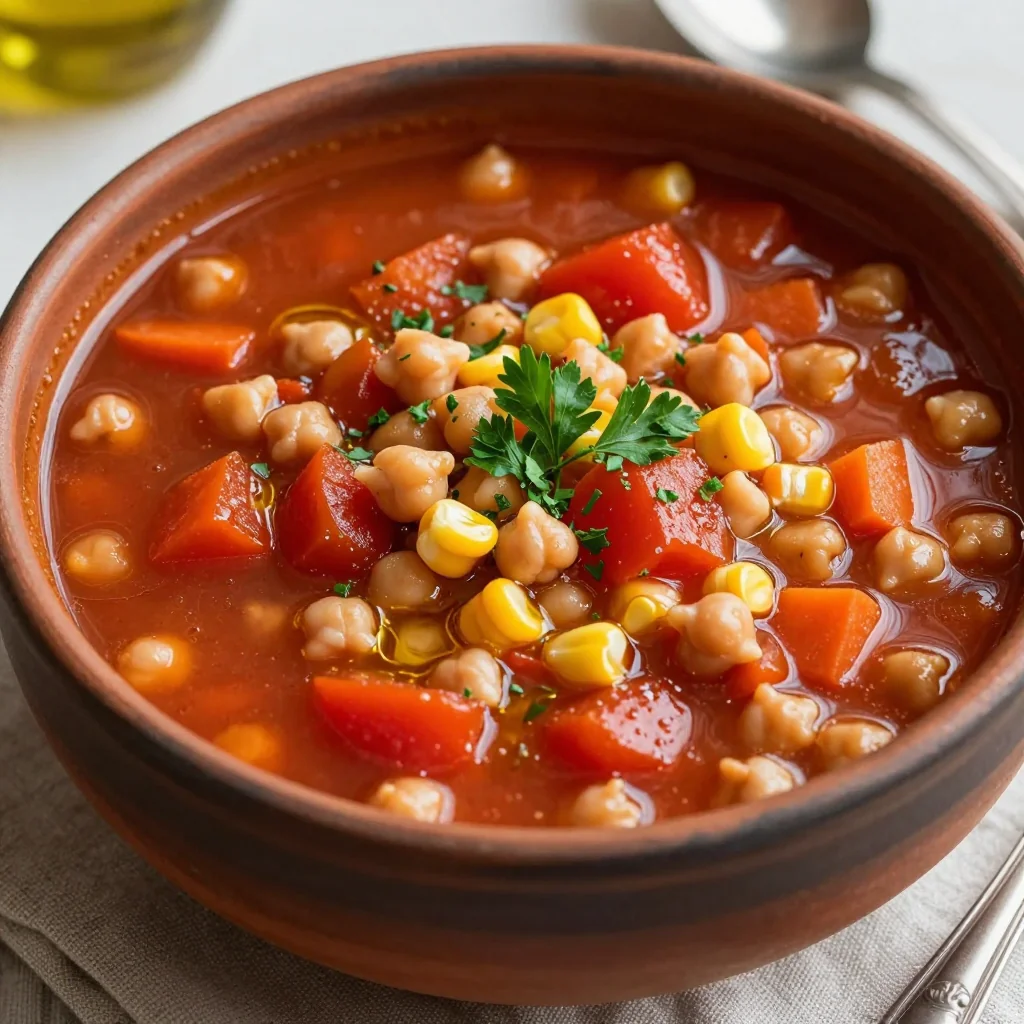
Last Tuesday I opened my pantry and was greeted by a precarious tower of canned tomatoes threatening to avalanche onto my toes. Sound familiar? Between the half-used bags of lentils, the trio of chickpeas I swore I'd turn into hummus, and those random cans of mixed vegetables I bought "just in case," my pantry had become a game of culinary Jenga. That's when I decided enough was enough—time to turn this chaos into dinner. What started as a desperate attempt to clear shelf space became my family's new favorite weeknight ritual: a vibrant, soul-warming vegetable soup that tastes like I planned it weeks in advance. The best part? You probably have everything you need right now, and the results taste nothing like the humble canned beginnings.
Why This Recipe Works
- Zero Waste Hero: Transform forgotten canned goods into a restaurant-worthy meal that clears pantry clutter while feeding your family.
- Flavor Layering Magic: Simple techniques like blooming spices and caramelizing tomato paste create depth that tastes like it simmered all day.
- Infinitely Adaptable: Swap vegetables, adjust spices, add proteins—this recipe bends to whatever your pantry holds.
- Budget Champion: Costs less than $1 per serving using staples you already own, proving delicious doesn't require expensive ingredients.
- Meal Prep Master: Makes 8+ servings that taste even better the next day, perfect for busy week ahead.
- Family-Friendly: Mild, comforting flavors that picky eaters love, with optional add-ins for adventurous palates.
- One-Pot Wonder: Minimal cleanup required, because nobody needs more dishes after a long day.
Ingredients You'll Need
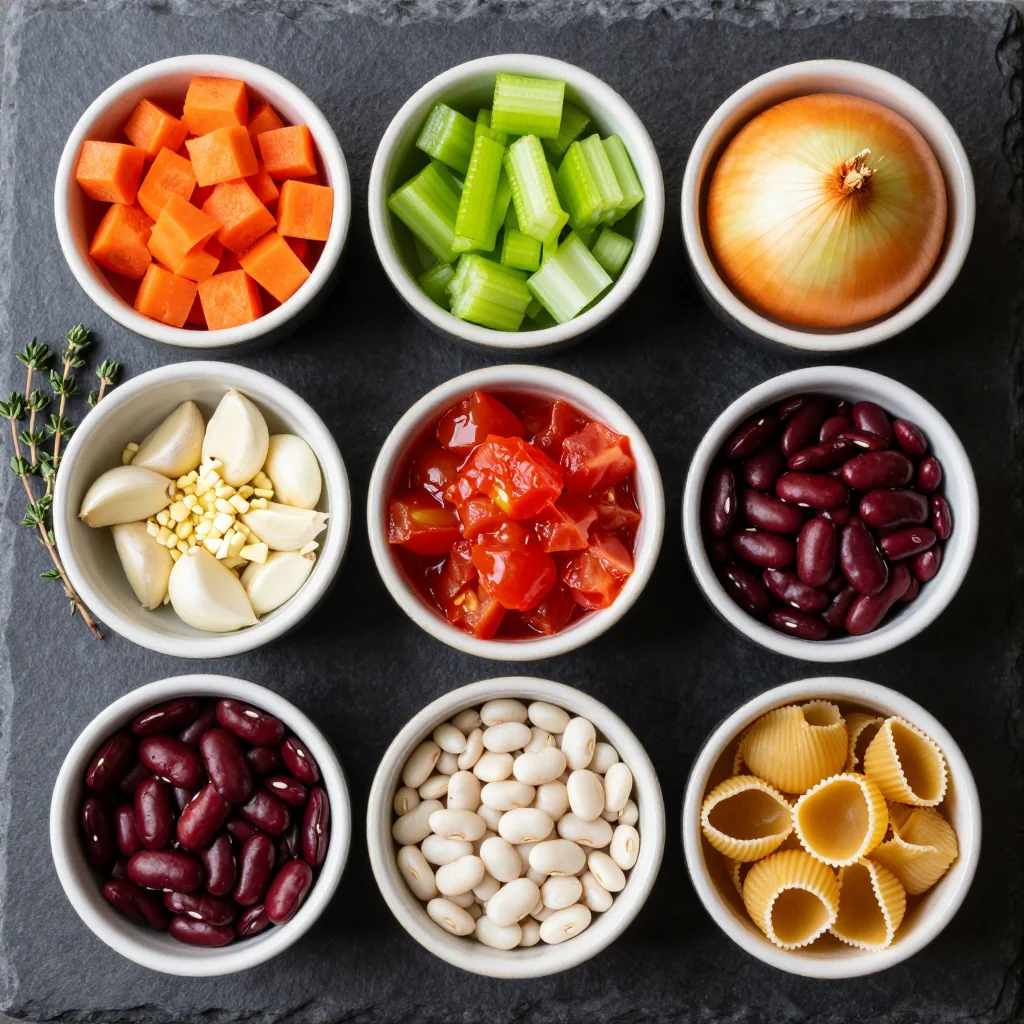
Let's talk about the beauty of this soup: every ingredient has a purpose, and most have been sitting patiently in your pantry waiting for this moment. The canned tomatoes form the backbone—don't skimp here. I prefer whole peeled tomatoes that I crush by hand; they break down into silky ribbons that give body to the broth. If you only have diced, they'll work, but the texture won't be quite as luxurious.
Those cans of mixed vegetables? They're not just filler. When added at precisely the right moment, they retain a pleasant bite while soaking up all the aromatic flavors we build. Look for cans without added salt when possible, since we'll control the seasoning ourselves. If your mixed vegetables include potatoes, give yourself a pat of luck—they'll release starch that naturally thickens the soup.
The humble can of chickpeas transforms from overlooked legume to creamy, protein-packed jewels. Don't you dare drain that aquafaba (the liquid in the can). It adds body and a subtle richness that water simply can't replicate. If you've only got white beans or kidney beans, they'll substitute beautifully, each bringing their own personality to the party.
Here's where it gets exciting: that half-box of small pasta that's been rolling around your pantry? Perfect. Those broken lasagna noodles? Even better—they create interesting textures. I keep a "soup jar" where I toss the last handful of various pastas, and this recipe was made for those random bits. They'll cook right in the soup, releasing starch that gives the broth a satisfying heft.
The spice blend might seem modest, but it's deliberate. Dried oregano and thyme bloom in olive oil, releasing oils that perfume the entire kitchen. That bay leaf hiding in the back of your drawer? It's time has come. These aren't afterthoughts—they're the difference between ho-hum and "wow, what did you put in this?"
How to Make Pantry Clean Out Vegetable Soup with Canned Goods
Build Your Flavor Foundation
Heat 3 tablespoons olive oil in a heavy-bottomed Dutch oven over medium heat until shimmering. Add 1 large diced onion with a pinch of salt. Cook 5-6 minutes, stirring occasionally, until the edges turn golden and translucent. This isn't just softening—it's building the flavor base that will carry through the entire soup. Push the onions to the sides, creating a well in the center.
Bloom Your Aromatics
Add 3 minced garlic cloves, 2 bay leaves, 1 teaspoon dried oregano, ½ teaspoon dried thyme, and ½ teaspoon smoked paprika to the center well. Let them sizzle for 30 seconds, stirring constantly. You'll smell when the garlic turns fragrant and the herbs release their oils—this is liquid gold happening in your pot. Be careful not to let the garlic brown; bitter garlic means bitter soup.
Transform the Tomatoes
Stir in 2 tablespoons tomato paste, coating everything in the pot. Cook 2 minutes, stirring frequently, until the paste darkens from bright red to brick red. This caramelization concentrates flavors and adds subtle sweetness. Pour in one 28-ounce can whole tomatoes with their juice. Use your spoon to break them into rustic pieces—leave some chunks for texture.
Create Your Broth
Add 6 cups water, 2 vegetable bouillon cubes, and 1 tablespoon soy sauce. The soy sauce might seem odd, but it adds umami depth that makes people ask for your secret ingredient. Bring to a boil, then reduce to a lively simmer. Let it bubble for 10 minutes, allowing flavors to meld and the broth to reduce slightly.
Strategic Vegetable Addition
Drain one 15-ounce can mixed vegetables, but reserve ¼ cup of the liquid. Add the vegetables and their reserved liquid plus one 15-ounce can drained chickpeas. The timing matters: adding them now means they'll stay tender-crisp instead of turning mushy. If your mixed vegetables include potatoes, they'll start releasing starch that naturally thickens the soup.
Pasta Perfect Timing
Add 1 cup small pasta shapes—elbow, ditalini, or those random bits you've been saving. Stir well to prevent sticking. Cook 8-10 minutes, stirring occasionally, until pasta is al dente. The starch from the pasta will give your broth body and richness. If you prefer a brothy soup, cook the pasta separately and add just before serving.
Final Seasoning
Taste and adjust seasoning. You'll likely need 1-2 teaspoons salt and ½ teaspoon black pepper. The soup should taste slightly over-seasoned—flavors will mellow as it cools. For brightness, stir in 1 tablespoon lemon juice or ½ teaspoon red wine vinegar. Remove bay leaves. Let stand 5 minutes before serving; this allows the pasta to absorb flavors and the broth to thicken slightly.
Expert Tips
Control Your Heat
Maintain a gentle simmer, not a rolling boil. Aggressive heat breaks down vegetables into mush and makes pasta gummy. If it starts bubbling too hard, partially cover the pot and reduce heat.
Better with Age
Make this soup a day ahead. Overnight refrigeration allows flavors to marry and deepen. The pasta will continue absorbing broth, so add extra water when reheating.
Freeze Smart
Freeze portions before adding pasta. Cook pasta fresh when reheating for best texture. Frozen soup keeps 3 months; thaw overnight in refrigerator.
Color Pop
Add a handful of frozen peas or corn during the last 2 minutes for bright color and sweet pops. They'll defrost instantly in the hot soup.
Richness Boost
Stir in a Parmesan rind while simmering. Remove before serving. It adds incredible umami depth and subtle nuttiness that makes restaurant-quality broth.
Fresh Finish
Top each bowl with fresh herbs just before serving. Parsley, basil, or chives add brightness that canned ingredients can't provide. Even dried herbs sprinkled on top wake up the soup.
Variations to Try
Mediterranean Escape
Add 1 teaspoon dried basil, ½ cup chopped sun-dried tomatoes, and ¼ cup sliced Kalamata olives. Finish with crumbled feta and fresh oregano.
Smoky Southwest
Swap paprika for chipotle powder. Add 1 cup frozen corn, 1 teaspoon cumin, and 1 diced bell pepper. Top with crispy tortilla strips and avocado.
Protein Power
Add a drained can of tuna or shredded rotisserie chicken during the last 5 minutes. The protein makes it a complete meal that satisfies even teenagers.
Creamy Comfort
Stir in ½ cup heavy cream or coconut milk during the last 2 minutes. This transforms the broth into silky, luxurious comfort in a bowl.
Storage Tips
Proper storage transforms this from a one-night meal into a week's worth of lunches. Let the soup cool completely before storing—hot soup in sealed containers creates condensation that leads to soggy vegetables and diluted flavors. I divide it into quart containers, each holding exactly two generous servings.
Refrigerated soup keeps 5 days, but here's the key: store the pasta separately if possible. Cooked pasta continues absorbing liquid, turning from al dente to mushy. Keep pasta in a zip-top bag with a drizzle of olive oil, then add to individual portions when reheating. If you've already combined them, no worries—just expect a thicker, more stew-like consistency that's equally delicious.
For freezing, skip the pasta entirely. Freeze soup in labeled quart bags laid flat—they'll stack neatly and thaw quickly. Frozen soup maintains peak quality for 3 months, though it's safe indefinitely. Thaw overnight in the refrigerator, never at room temperature where bacteria can multiply.
When reheating, always add liquid. The pasta and vegetables continue absorbing broth, so you'll need ½ cup water or broth per serving. Warm gently over medium heat, stirring occasionally. Microwave works in a pinch, but stovetop reheating preserves texture better. Bring just to a simmer—boiling makes vegetables fall apart and chickpeas turn to mush.
Frequently Asked Questions
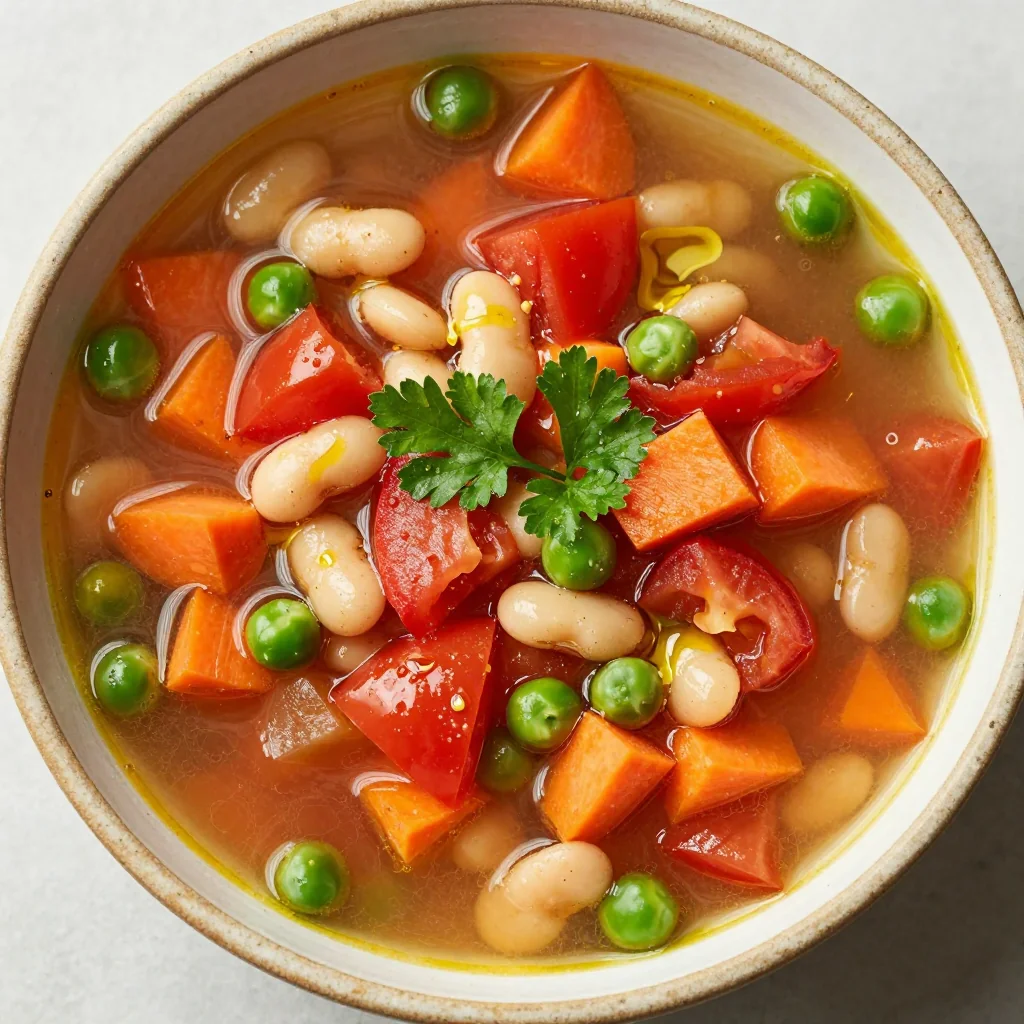
Pantry Clean Out Vegetable Soup with Canned Goods
Ingredients
Instructions
- Sauté aromatics: Heat olive oil in Dutch oven over medium heat. Cook onion with pinch of salt 5-6 minutes until translucent.
- Bloom spices: Add garlic, bay leaves, oregano, thyme, and paprika. Cook 30 seconds until fragrant.
- Caramelize tomato paste: Stir in tomato paste, cook 2 minutes until darkened. Add tomatoes, breaking into pieces.
- Build broth: Pour in water, bouillon cubes, soy sauce. Simmer 10 minutes.
- Add vegetables: Stir in mixed vegetables with reserved liquid and chickpeas.
- Cook pasta: Add pasta, simmer 8-10 minutes until al dente, stirring occasionally.
- Season and finish: Add salt, pepper, and lemon juice. Remove bay leaves, let stand 5 minutes before serving.
Recipe Notes
For brothy soup, cook pasta separately. Soup thickens as it stands; add water when reheating. Taste and adjust seasoning before serving—canned goods vary in salt content.