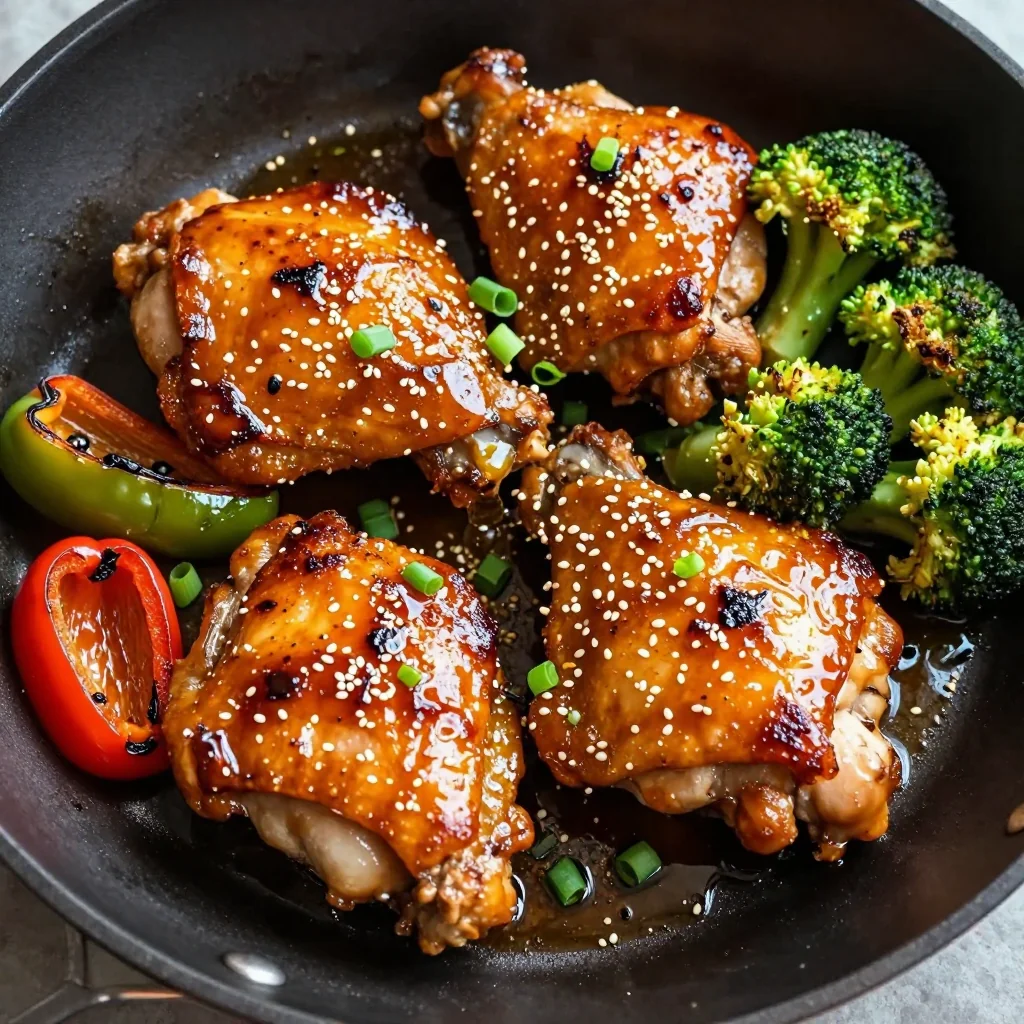
I burned dinner so badly last Tuesday that my smoke alarm started singing opera. There I stood, waving a dish towel like a maniac, while my neighbor texted to ask if I was running a backyard bonfire. The culprit? Another overly ambitious one-pan recipe that promised "weeknight ease" but delivered charcoal-encrusted chicken and mushy vegetables that tasted like regret. I swore off Mediterranean food forever—until 2 a.m. when a craving hit so hard I could practically taste briny olives, lemony chicken, and those tangy artichoke hearts dancing on my tongue. That midnight fridge raid turned into a three-day obsession where I tested seven different versions, blew through three pounds of chicken thighs, and finally cracked the code for what might be the most foolproof, flavor-packed, actually-easy one-pan dinner you'll ever make.
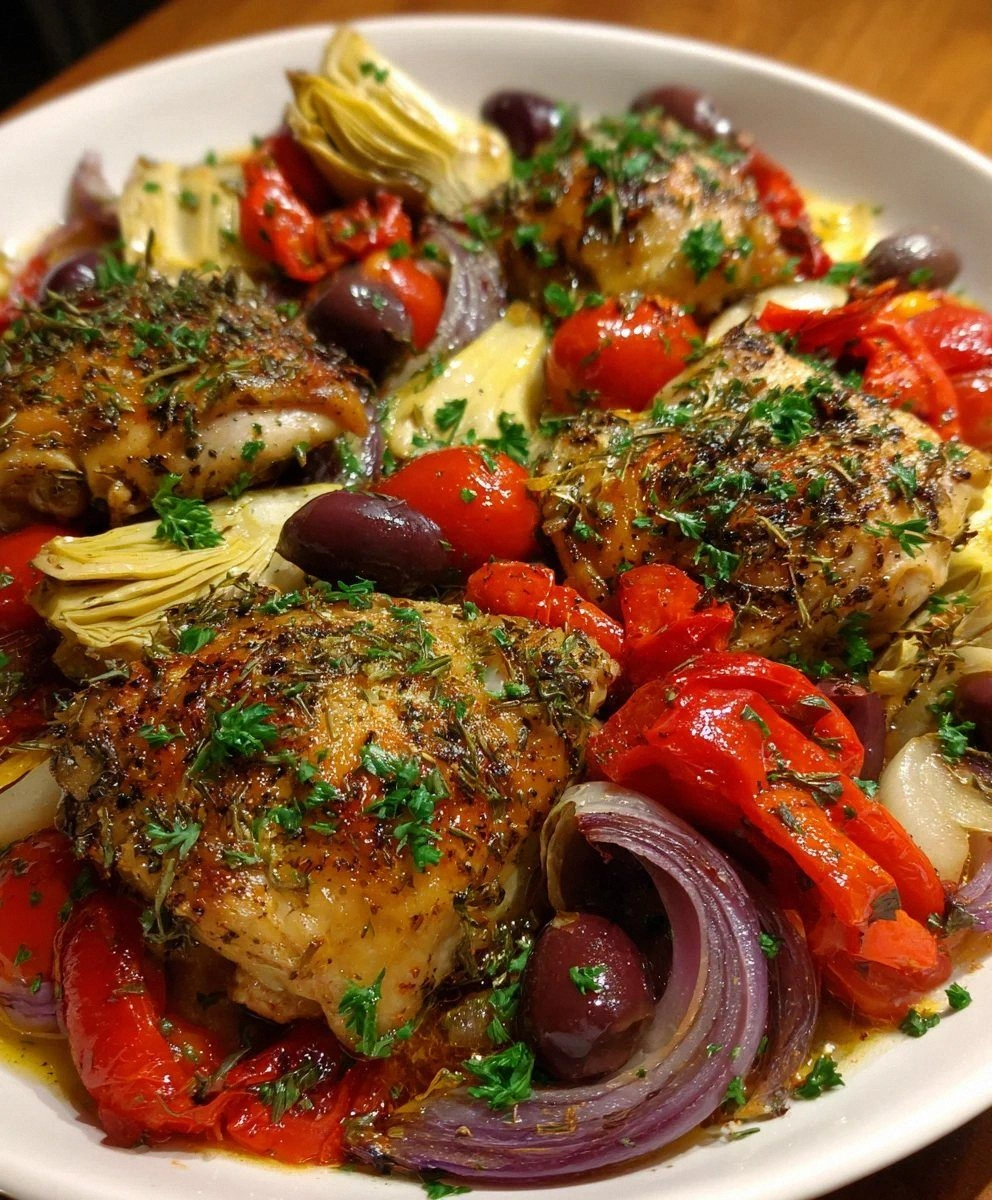
Picture this: golden-crisp chicken thighs that shatter like thin caramel under your fork, releasing juices that mingle with a sauce so vibrant it practically glows. The red onions melt into sweet silk, cherry tomatoes burst into jammy pockets of sunshine, and those Kalamata olives—oh, those olives—turn into salty little flavor bombs that make your taste buds do a happy dance. The artichokes soak up every last drop of lemon, garlic, and herb-infused magic until they're basically edible sponges of Mediterranean heaven. And the best part? Everything happens in one pan, in under 45 minutes, with ingredients you can grab at any grocery store without selling a kidney.
I've made this dish seventeen times now (yes, I counted—my family started keeping track because apparently I become a Mediterranean-flavored broken record). The first time, my teenage daughter—who usually regards anything green with the same enthusiasm as a root canal—asked for seconds. Then thirds. Then packed leftovers for lunch the next day, which in teen-speak is basically a five-star Michelin review. My neighbor Barbara, who once told me she "doesn't do fancy food," begged for the recipe after one bite and now makes it every Sunday while blasting Andrea Bocelli. This isn't just dinner; it's a one-way ticket to a seaside taverna where the air smells like oregano and lemon zest and nobody cares if you're wearing sweatpants.
Here's the kicker: most one-pan recipes lie to you. They say "toss everything together and bake!" but what they mean is "prepare for rubbery chicken and vegetables that taste like wet newspaper." This recipe? It's built on real technique that restaurant chefs use, but simplified so hard that my neighbor's twelve-year-old nailed it on her first try. We're talking restaurant-level flavor with zero fancy equipment, no knife skills beyond "roughly chop," and a cleanup so easy you'll actually volunteer to do dishes. Ready for the game-changer? We're going to sear, then bake, then broil—all in the same pan—to get that impossible combination of crispy skin, juicy meat, and vegetables that actually taste like something. Let me walk you through every single step—by the end, you'll wonder how you ever made it any other way.
What Makes This Version Stand Out
Crispy-Skin Guarantee: While other recipes leave you with flabby, sad chicken skin, we start with a ripping-hot pan sear that transforms the skin into golden crackling. The secret? Patting the thighs absolutely dry and letting them cook undisturbed for six full minutes. I dare you to taste this and not go back for seconds when you see how the skin shatters like a potato chip while the meat stays impossibly moist.
Layered Flavor Magic: Most one-pan dinners taste flat because everything cooks together in a sad, steamy pile. We build flavor in three stages: first a garlic-herb oil that perfumes the entire dish, then a caramelized vegetable base that creates sticky browned bits, and finally a lemon-broth braise that keeps everything juicy while making a sauce you'll want to drink straight from the pan.
The 15-Minute Miracle: From fridge to table in under three quarters of an hour, including the time it takes to chop an onion while simultaneously dancing to whatever's on your playlist. I've timed this against delivery pizza—this wins every time, and your kitchen will smell like a Mediterranean grandmother's been cooking all day.
Ingredient Flexibility: Missing artichokes? Use hearts of palm. No Kalamata? Those cheap black olives from a can will still make magic. This recipe is like that friend who gets along with everyone—it adapts to whatever's lurking in your pantry without losing its essential deliciousness.
Leftover Gold: The next-day version might actually be better, when those flavors have had time to marry and deepen. Cold, shredded over salad with the congealed sauce as dressing? That's lunch that'll make your coworkers jealous. Or stuff it into a crusty roll with some of that sauce spooned over—congratulations, you've just invented the world's best chicken sandwich.
Zero-Waste Hero: Everything stays in one pan, including the sauce you'll be mopping up with crusty bread. No separate bowls, no straining, no "reserve for later" nonsense. Even the lemon gets used twice—zest for brightness, juice for the sauce, and the spent halves get tucked into the pan to roast until they're soft and sweet.
Alright, let's break down exactly what goes into this masterpiece...
Inside the Ingredient List
The Flavor Foundation
Bone-in, skin-on chicken thighs are the undisputed champions here, and I'll fight anyone who says otherwise. The bone conducts heat evenly, preventing that dreaded dry ring around the outside, while the skin renders into crispy perfection that tastes like it came from a rotisserie. Sure, you could use breasts, but then you'd miss out on the rich, slightly gamey flavor that makes Mediterranean cooking so addictive. These thighs stay juicy even if you accidentally overcook them by a few minutes—a forgiveness factor that makes this recipe bulletproof for busy weeknights when you're simultaneously helping with homework and fielding work emails.
Extra virgin olive oil isn't just for drizzling here—it's our cooking fat, our flavor base, and our sauce builder all in one. Don't cheap out with that three-year-old bottle from the back of your cabinet. Fresh, peppery olive oil tastes like crushed green grass and sunshine, and it carries all those herbs and spices into every nook and cranny of the dish. I buy mine from a local shop that imports directly from Greece, and the difference is like comparing instant coffee to espresso. If your olive oil smells like crayons or tastes flat, it's dead—use it for lubricating door hinges instead.
The Texture Crew
Red onions bring a sweetness that caramelizes into jammy perfection, but here's what most recipes miss: slice them pole-to-pole instead of into rings. This breaks down the cell structure differently, giving you silky strands that melt into the sauce rather than sharp chunks that fight for attention. They'll turn a gorgeous purple-pink as they cook, making your pan look like a sunset. If you're out of red onions, yellow work fine, but you'll lose that beautiful color and subtle sweetness that makes this dish look restaurant-worthy.
Cherry tomatoes are little time bombs of concentrated summer, and when they hit that hot pan, they burst into sweet-sour pockets that brighten up all those rich, savory flavors. I use a mix of red and yellow for visual appeal, but honestly, whatever's on sale works. The key is keeping them whole—cut tomatoes release too much water and turn everything into sad, watery soup. When you bite into one of these warm tomatoes, it should explode in your mouth like a gusher candy, but sophisticated.
The Unexpected Stars
Artichoke hearts are the divas of the vegetable world—finicky, expensive, and absolutely worth every penny. I splurge on the jarred ones packed in oil rather than the canned in water; they taste like they were kissed by the Mediterranean sun instead of the inside of a metal can. Quarter them so every piece gets coated in that lemon-herb sauce, and don't you dare rinse off that packing oil—it's liquid gold that adds another layer of flavor. If artichokes make your wallet weep, hearts of palm work in a pinch, but you'll lose that earthy, slightly nutty flavor that makes this dish taste like you tried way harder than you actually did.
Kalamata olives are briny little flavor bombs that wake up your palate between bites of rich chicken. Please, for the love of all that's holy, buy them with the pits still in—pitted olives taste like disappointment and have the texture of rubber erasers. Yes, your guests have to navigate around pits, but that's half the fun, and the flavor difference is like comparing fresh herbs to dried dust. Rough chop them so each piece is a surprise burst of salty, winey goodness that makes your mouth water just thinking about it.
The Final Flourish
Fresh herbs make the difference between "good" and "I need this recipe tattooed on my arm." Dried oregano and thyme work in a pinch, but fresh parsley added right at the end brings a bright, grassy note that makes all those deep, slow-cooked flavors pop. Chop it just before serving—pre-chopped parsley loses its vibrancy faster than a teenager loses interest in chores. The stems have tons of flavor too, so chop those fine and add them earlier in the cooking process, saving the delicate leaves for the final shower of green confetti.
Lemon is our secret weapon, used three ways for maximum impact. Zest the skin first—it contains essential oils that taste like concentrated sunshine. Then juice the fruit, but don't stop there—throw those spent halves into the pan to roast alongside everything else. They'll caramelize and mellow, turning into soft, sweet-tart pockets that you can squeeze over the finished dish for an extra punch. That sizzle when lemon juice hits the hot pan? Absolute perfection.
Everything's prepped? Good. Let's get into the real action...
The Method — Step by Step
- Start with a cold pan and your chicken thighs skin-side down—this isn't a typo. As the pan heats up, the fat renders slowly, creating a natural non-stick surface and the crispiest skin imaginable. Pat those thighs absolutely dry with paper towels; moisture is the enemy of crispiness. Season generously with salt and pepper, then let them cook undisturbed for six full minutes. Don't poke, don't prod, don't even think about moving them. When the skin releases easily from the pan, you'll know it's ready to flip. That golden-brown color should look like a perfectly toasted marshmallow, and the smell will make your neighbors jealous.
- While the chicken works its magic, create your flavor paste by mixing olive oil, minced garlic, oregano, and thyme in a small bowl. The ratio is crucial here—too much herb and you'll feel like you're eating potpourri, too little and the dish falls flat. I use a microplane for the garlic because it releases more flavor than chopped, but if you like little garlic punches, mince away. Let this sit while you prep vegetables; the herbs need time to bloom in the oil, creating a concentrate that will flavor everything it touches.
- Flip those thighs and let them cook for three more minutes on the flesh side. They won't be cooked through—that's perfect. Remove them to a plate where they'll finish later. Now the fun part: pour off all but two tablespoons of the rendered chicken fat. This liquid gold is packed with flavor, so save it for roasting potatoes tomorrow. Your pan should have gorgeous brown bits stuck to the bottom—those are flavor bombs waiting to happen. Don't you dare wash that pan; we're about to deglaze those bits into liquid deliciousness.
- Drop your heat to medium and add the red onions. Here's where patience pays off—cook them slowly until they turn translucent and start to caramelize around the edges. This takes about five minutes, but it's where most home cooks rush and end up with sharp, raw-tasting onions. Stir occasionally, letting them pick up all those beautiful browned bits from the chicken. When they start to look jammy and smell sweet, you're ready for the next step. The color should be a deep purple-pink that makes you want to take a photo.
- Add the bell peppers and cook for another three minutes. They should start to soften but still have some bite—we're not making baby food here. The colors will brighten dramatically, and your kitchen will start smelling like vacation. This is when you add your garlic-herb paste, stirring constantly for thirty seconds. Garlic burns faster than a teenager's attention span, so keep it moving. When it becomes fragrant and you can smell it across the kitchen, you're ready for the main event.
- Now the magic happens: nestle those chicken thighs back into the pan, skin-side up, and scatter around the artichoke hearts, cherry tomatoes, and olives. Pour the chicken broth around the edges—never over the crispy skin or you'll undo all that beautiful work. Add lemon zest and squeeze half the lemon over everything. The broth should come about halfway up the sides of the chicken; too much and you'll steam instead of roast. Bring it to a gentle simmer, then slide the whole pan into a 425-degree oven for twenty minutes.
- After twenty minutes, switch to broil for three to five minutes. This is the moment of truth where everything comes together: the chicken skin gets impossibly crispy, the tomatoes blister and burst, and the top layer of vegetables develops those gorgeous charred edges that taste like summer. Stay close—broilers are unpredictable beasts that can go from perfect to burnt faster than you can say "dinner's ready." When the skin looks like golden glass and you can hear gentle sizzling, it's done.
- Let it rest for five minutes—yes, even one-pan dinners need a rest. While you wait, chop your fresh parsley and taste the sauce. It might need a final squeeze of lemon or a pinch of salt. The sauce should be glossy and slightly thickened, coating a spoon like velvet. If it's too thin, simmer on the stove for a minute; too thick, add a splash of broth. Serve directly from the pan for maximum rustic appeal, with plenty of crusty bread to mop up every last drop of that incredible sauce.
That's it—you did it. But hold on, I've got a few more tricks that'll take this to another level...
Insider Tricks for Flawless Results
The Temperature Rule Nobody Follows
Here's what separates restaurant-quality from home-cooking: temperature control. Pull your chicken from the fridge thirty minutes before cooking—cold meat hitting a hot pan seizes up and becomes tough. Use a cast-iron skillet if you have one; it holds heat like a battery, giving you that perfect sear. But here's the real secret: after the initial sear, reduce the heat to medium when you add the vegetables. Too high and they'll burn before they caramelize, too low and they'll stew in their own juices. The pan should sizzle gently, like a cat purring, not scream like a tea kettle.
Invest in an instant-read thermometer—game changer. Chicken is done at 165 degrees, but thighs are forgiving and still juicy at 175. Pull them at 160 and let carryover cooking finish the job while they rest. White meat dries out quickly, but dark meat is like that friend who always shows up late but brings the best snacks—worth the wait and impossible to mess up.
Why Your Nose Knows Best
Smell is your most underused kitchen tool. When the garlic hits the pan, it should perfume the air immediately—if you smell nothing after thirty seconds, your garlic is old and flat. Fresh oregano smells like a pine forest after rain; if yours smells like dust, toss it. The onions are perfectly caramelized when they smell sweet and slightly nutty, not sharp and sulfurous. Train your nose and you'll never need a recipe timer again.
That first whiff when you open the oven door? Pure heaven. It should hit you like walking into a Greek taverna—herbs, lemon, garlic, and something deeply savory you can't quite name. If something smells off or weak, adjust before serving. A squeeze of lemon or a pinch of salt can wake up sleeping flavors like an alarm clock.
The 5-Minute Rest That Changes Everything
I know, I know—everyone's starving and the chicken looks ready. But those five minutes of rest are where magic happens. The juices redistribute throughout the meat instead of running out onto the cutting board. The sauce thickens slightly as it cools, becoming glossy and luxurious. Vegetables settle and absorb flavors. It's like the difference between a good first date and a great relationship—those extra minutes make everything better.
Cover the pan loosely with foil while it rests—tight wrapping steams the crispy skin into sad rubber. Use the time to set the table, open wine, or just bask in the glory of what you've created. When you finally serve, the chicken will be juicier, the vegetables more flavorful, and your patience will be rewarded with sighs of satisfaction from everyone lucky enough to share your table.
Creative Twists and Variations
This recipe is a playground. Here are some of my favorite ways to switch things up:
The Spanish Vacation
Swap the oregano for smoked paprika and add a handful of sliced chorizo with the onions. The paprika's deep, smoky heat transforms the whole dish into something that tastes like Barcelona at sunset. Use manzanilla olives instead of Kalamata—they're milder and pair beautifully with the chorizo's spice. A splash of dry sherry added with the broth gives it authentic Spanish flair that'll have you speaking in tongues.
The Italian Grandma
Replace the lemon with a splash of good balsamic vinegar and add a handful of torn basil leaves right before serving. Use olive oil-packed sun-dried tomatoes instead of cherry tomatoes—they'll rehydrate in the sauce and turn into chewy, intensely flavored jewels. A sprinkle of grated Parmesan over the top in the last two minutes of broiling creates a crispy, salty crust that'll make you weep with joy.
The Moroccan Adventure
Add a teaspoon each of ground cumin and coriander to your herb paste, and throw in a handful of golden raisins with the olives. The sweet-savory combination is straight out of a Marrakech spice market. Use preserved lemon instead of fresh—the fermented flavor adds depth that fresh can't match. A final sprinkle of toasted slivered almonds gives crunch and makes this feel like tagine without the special pot.
The Light and Bright
For a lighter version, remove the skin after searing and skim the fat before serving. Add zucchini and yellow squash with the bell peppers, and finish with a shower of fresh mint instead of parsley. The result tastes like summer in a bowl—fresh, vibrant, and healthy enough that you can justify the entire loaf of bread you'll want for sauce-mopping.
The Feeding a Crowd
Double everything and use two pans, but here's the trick: stagger them by five minutes so one's always hot and fresh. This is my go-to for dinner parties because everything stays warm in the pan, and guests can serve themselves. Add a block of feta on top during the last five minutes—it softens into creamy perfection and makes the whole thing look like you planned a theme.
The Vegetarian Flip
Replace chicken with thick slabs of halloumi cheese that get crispy on the outside and melty inside. Add chickpeas for protein—they'll roast into crispy little nuggets that are addictive as popcorn. Use vegetable broth instead of chicken, and add a teaspoon of miso paste for that umami depth you lose without meat. Even die-hard carnivores devour this version.
Storing and Bringing It Back to Life
Fridge Storage
Store leftovers in an airtight container for up to four days, but separate the chicken from the vegetables if possible. The acid in the tomatoes and lemon will start to break down the vegetables, making them mushy after day three. Keep some of that incredible sauce separate too—it thickens into a spread that's amazing on sandwiches or as a dip for vegetables. Pro tip: store the chicken with some sauce spooned over to keep it moist, but leave the vegetables relatively dry so they don't turn into sad, soggy memories of their former selves.
Freezer Friendly
This dish freezes beautifully for up to three months, but with a caveat: freeze just the chicken and sauce, not the vegetables. Tomatoes and artichokes turn to mush upon thawing, and life's too short for mushy vegetables. Freeze individual portions in freezer bags with as much air removed as possible—lay them flat to freeze, then stand them up like books for space-saving storage. Thaw overnight in the fridge, then reheat gently with fresh vegetables cooked separately. The sauce might separate slightly—just whisk in a splash of chicken broth to bring it back together.
Best Reheating Method
Microwave is the enemy of crispy skin, so avoid it unless you're desperate. Instead, reheat in a covered skillet over medium-low heat with a splash of chicken broth or water to create steam. Cover for the first five minutes to warm through, then remove the lid and bump up the heat to re-crisp the skin. Add a tiny splash of water before reheating—it steams back to perfection without drying out. If you're only reheating chicken, pop it under the broiler for two minutes to restore that crispy skin magic. The sauce might need a final squeeze of lemon to wake up the flavors—they get sleepy in the fridge.