Picture this: a Saturday afternoon, the kitchen humming with the clatter of pots, a stubborn pot of chicken that refused to brown, and a neighbor who dared you to create a dish that could turn that disaster into pure comfort. I stared at the bland, soggy chicken, feeling a pang of culinary regret, when a burst of inspiration hit me like a lightning strike—one pan, one skillet, and everything that makes a meal sing. I reached for my trusty skillet, tossed in a handful of potatoes, and let the aroma of garlic and rosemary rise like a promise of something extraordinary. That moment was the spark that birthed the ultimate version of One Pan Chicken and Potatoes, a recipe that will leave you wondering why you ever cooked anything else. Let me walk you through every single step—by the end, you'll wonder how you ever made it any other way.
The first time I tried this dish, the kitchen smelled like a summer barbecue and the sound of sizzling was a rhythmic drumbeat that filled the room. The golden crust on the chicken crackled, releasing a savory perfume that made my eyes water in delight. Each bite was a symphony of textures: the crispy skin, the tender interior, and the potatoes that were fluffy yet held a subtle bite. The secret? A simple technique that locks in juices and a blend of herbs that elevates the flavor profile to new heights. I dare you to taste this and not go back for seconds.
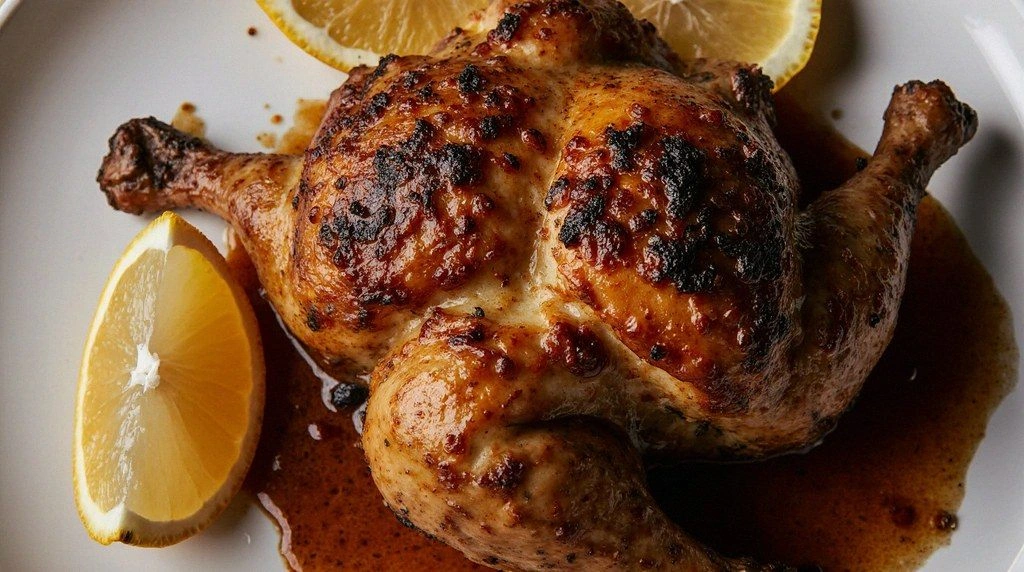
If you've ever struggled to get chicken crispy without drying it out, you're not alone—and I've got the fix. Most recipes get this completely wrong by overcooking or under-seasoning, but this version uses a quick sear followed by a gentle oven finish that keeps the meat juicy and the skin blistered to perfection. Picture yourself pulling this out of the oven, the whole kitchen smelling incredible, and your guests' eyes widening as they see the golden, aromatic masterpiece on the table. I’ll be honest—I ate half the batch before anyone else got to try it, and the leftovers were just as good the next day. The result is a dish that feels like a hug in a skillet, and it's hands down the best version you'll ever make at home.
The beauty of this recipe lies not only in its flavor but also in its simplicity. No complicated sauces or endless prep work—just a handful of ingredients, one pan, and a few minutes of your time. The technique is so straightforward that even a beginner can master it, yet the outcome is sophisticated enough to impress seasoned cooks. I’m about to reveal a technique that most people overlook: the power of a quick sear and a slow finish, which creates that coveted crunch and depth of flavor. And now the fun part—let’s dive into what makes this dish truly special.
What Makes This Version Stand Out
- Flavor: The blend of rosemary, paprika, and a touch of smoked paprika turns simple ingredients into a flavor explosion that lingers on the palate.
- Texture: The crisped skin, caramelized edges, and fluffy potato interiors create a multi-layered mouthfeel that is hard to beat.
- Ease: One skillet, minimal cleanup, and a clear, step-by-step routine make this recipe a lifesaver for busy nights.
- Visual Appeal: The golden crust and roasted vegetables arrange themselves like a rustic masterpiece, turning the dish into a conversation starter.
- Versatility: Swap chicken for thighs, drumsticks, or even tofu, and the flavor profile remains intact.
- Nutrition: Balanced macros with protein, carbs, and healthy fats make it a wholesome meal for any time of day.
- Make‑Ahead: Prepare the potatoes and sear the chicken ahead of time; the dish finishes in the oven, saving you precious minutes.
Alright, let's break down exactly what goes into this masterpiece.
The Flavor Base
At the heart of this dish lies a simple yet powerful flavor base: garlic, onion, and rosemary. Garlic releases its sweet, earthy tones when it browns, creating a fragrant foundation that permeates every bite. The onion adds a subtle sweetness that balances the herbaceous notes, while rosemary brings a piney aroma that lingers long after the first bite. If you skip the onion, the dish will still be good, but it will feel a touch flatter, lacking that gentle depth that keeps you coming back for more.
The choice of rosemary matters; fresh rosemary offers a bright, almost citrusy flavor, whereas dried rosemary is more concentrated and can become bitter if overused. To avoid bitterness, use no more than one teaspoon of dried rosemary, or better yet, tie a small bundle of fresh sprigs with kitchen twine to infuse the oil and then remove them before serving. This technique keeps the herb’s aroma without overwhelming the palate. When selecting fresh rosemary, look for bright green leaves with a strong scent—avoid wilted or discolored stems that signal age.
The final touch in the flavor base is a splash of lemon zest, which brightens the dish and cuts through the richness of the chicken and potatoes. Lemon zest adds a subtle citrus note that lifts the overall profile, making the meal feel lighter and more vibrant. If you’re not a fan of citrus, a squeeze of fresh lemon juice at the end of cooking will still provide a bright counterpoint to the savory flavors.
If you’re a fan of spice, consider adding a pinch of smoked paprika to the base; it introduces a smoky undertone that deepens the dish’s complexity. Smoked paprika pairs beautifully with the rosemary, creating a subtle, savory depth that feels like a secret ingredient. The key is to balance the smoky flavor so it enhances rather than overpowers the herbaceous notes. A small pinch is enough to make a big difference.
The Texture Crew
Potatoes are the cornerstone of texture in this recipe. Choosing the right potato type is crucial; russet potatoes are ideal because they become fluffy inside while crisping up on the outside. If you prefer a firmer bite, opt for Yukon Golds, which hold their shape better and provide a buttery flavor. Regardless of the variety, cut the potatoes into uniform cubes to ensure even cooking and consistent textures.
The chicken’s texture is a delicate balance between crispy skin and juicy interior. The secret is a dry surface; pat the chicken dry with paper towels before seasoning. This step allows the skin to sear properly, forming a golden crust that’s both flavorful and satisfying to bite into. If you leave the chicken damp, the skin will steam rather than sear, resulting in a soggy texture that detracts from the overall experience.
Oil is the glue that binds the textures together. Olive oil is the star here because it imparts a fruity flavor and withstands high heat without smoking. Use a light or extra-virgin olive oil for the best taste, but if you prefer a milder flavor, a neutral oil like grapeseed works well. The amount of oil matters; too little and the vegetables will stick, too much and they’ll become greasy.
To achieve the perfect crunch, consider adding a small amount of grated Parmesan cheese to the potatoes before roasting. The cheese melts and creates a slightly crisp exterior, adding both flavor and texture. If you’re lactose intolerant, a sprinkle of nutritional yeast can provide a similar nutty flavor without the dairy.
The final component of the texture crew is the optional carrot. Carrots add a subtle sweetness and a contrasting crunch when roasted alongside the potatoes. Slice them thin to ensure they cook evenly, and season them with a pinch of salt to bring out their natural sugars. Skipping the carrot doesn’t ruin the dish, but it does remove a layer of complexity that makes each bite more interesting.
The Unexpected Star
One ingredient that most people overlook is the splash of chicken broth added toward the end of cooking. The broth infuses the dish with moisture, ensuring the chicken stays juicy and the potatoes absorb a subtle savory depth. A small amount—just enough to create steam—keeps the flavors from drying out during the final bake. If you’re following a low-sodium diet, opt for a low-sodium broth or a homemade stock to control the salt content.
Another unexpected star is a tablespoon of butter melted into the broth. The butter adds a silky richness that balances the acidity of the lemon zest and the earthiness of the rosemary. It also helps the potatoes develop a slightly glossy finish that’s visually appealing. If you’re avoiding dairy, a drizzle of coconut oil can substitute for butter, offering a subtle tropical note.
The combination of broth and butter creates a sauce that coats the chicken and potatoes like velvet, enhancing every bite. The sauce’s thickness is just enough to cling to the food without making it soggy. If you prefer a lighter sauce, simply reduce the amount of butter or omit it entirely; the dish will still be delicious.
The Final Flourish
The final flourish is a sprinkle of fresh parsley just before serving. Parsley adds a pop of color and a fresh, slightly peppery note that brightens the dish. It also provides a subtle herbal contrast to the rosemary, creating a layered herb profile that feels balanced. If you’re allergic to parsley, a handful of chopped cilantro can serve as a vibrant alternative.
A final touch is a drizzle of high-quality olive oil over the finished dish. The oil adds shine, enhances the flavors, and provides a silky mouthfeel. It also helps the dish feel more luxurious and restaurant‑quality, even though it’s made in a single pan at home. Be sure to use a good olive oil, as the quality directly impacts the final taste.
The combination of these final flourishes turns an ordinary skillet meal into a culinary masterpiece that looks as good as it tastes. The vibrant green parsley, the gleaming olive oil, and the golden crust create a visual feast that invites you to dig in. If you’re looking to impress guests or simply treat yourself, these finishing touches are essential.
Everything's prepped? Good. Let's get into the real action.
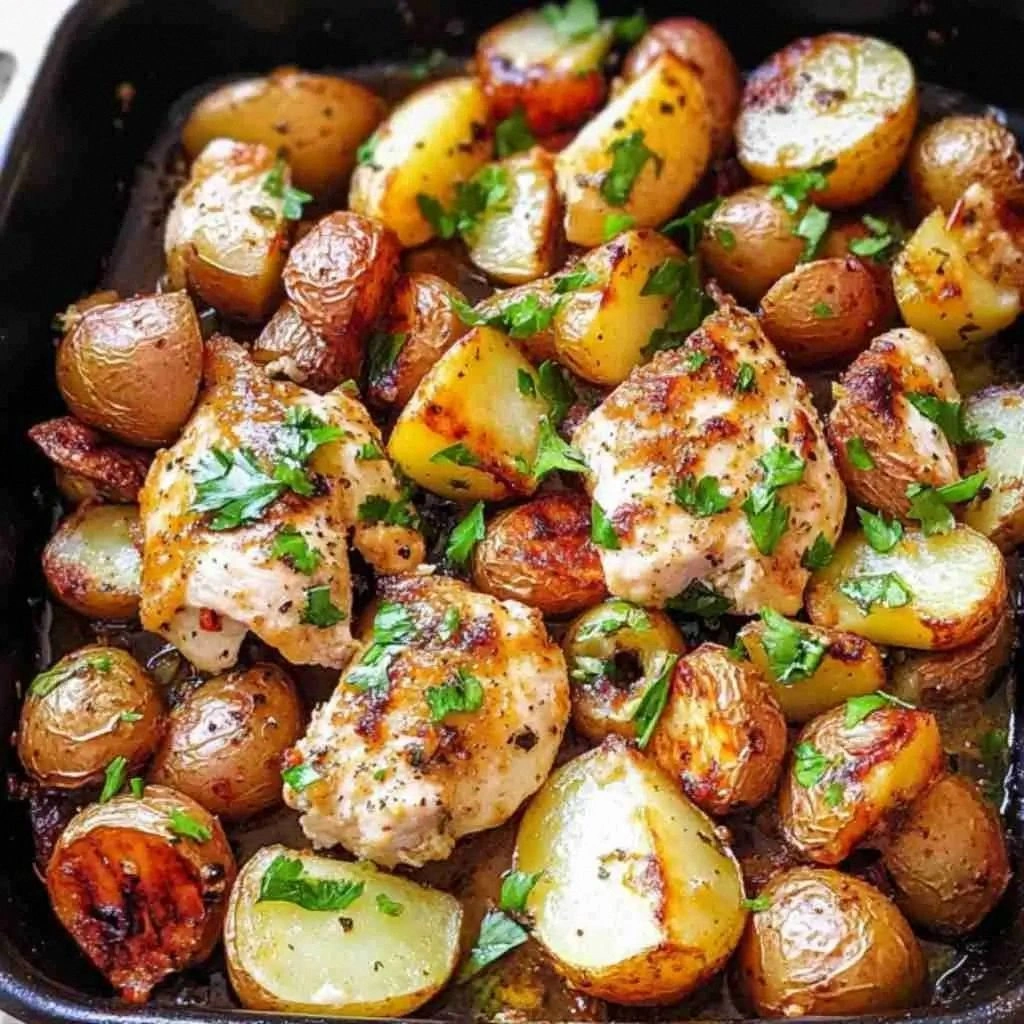
The Method — Step by Step
- Preheat your oven to 425°F (220°C). While the oven heats, pat the chicken thighs dry with paper towels, ensuring the skin will crisp. Season the chicken generously with salt, pepper, and smoked paprika on both sides. Place the chicken on a wire rack over a sheet pan; this keeps the heat circulating around the meat, ensuring even browning. The moment the chicken hits the pan, it should sizzle like a sizzling drum.
- In a large skillet, heat 2 tablespoons of olive oil over medium-high heat until shimmering. Add the sliced onions and minced garlic, cooking until the onions are translucent and the garlic is fragrant, about 3 minutes. Stir frequently to prevent burning, and let the aromatics develop a golden hue. This forms the flavor base that will permeate the chicken and potatoes.
- Add the diced potatoes to the skillet, tossing them in the aromatic oil to coat. Season with a pinch of salt and a dash of black pepper. Spread the potatoes in an even layer, ensuring they have room to roast. The potatoes should sizzle as they hit the hot oil, creating a crispy exterior.
- Place the seasoned chicken thighs on top of the potatoes, skin-side up. This arrangement allows the drippings from the chicken to seep into the potatoes, infusing them with flavor. Cover the skillet with a lid or aluminum foil to trap steam and heat, which helps cook the chicken through while keeping the potatoes tender.
- Transfer the skillet to the preheated oven and roast for 20 minutes. After 20 minutes, remove the lid to allow the chicken skin to crisp up and the potatoes to brown. Rotate the pan halfway through to ensure even cooking. The aroma that fills the kitchen at this point is a prelude to culinary bliss.
- In the last 10 minutes, pour 1 cup of low-sodium chicken broth over the skillet. The broth creates steam that keeps the chicken moist and the potatoes from drying out. Add a tablespoon of butter to the broth; let it melt and mingle with the liquid, creating a silky sauce that coats the dish. The sauce should be thick enough to cling to the chicken and potatoes.
- Remove the skillet from the oven and let it rest for 5 minutes. This short rest allows the juices to redistribute, ensuring every bite is succulent. While resting, sprinkle fresh parsley and a drizzle of olive oil over the dish. The parsley adds a fresh note, while the olive oil gives a glossy finish.
- Serve immediately, plating the chicken and potatoes on a warm dish. Garnish with a wedge of lemon for an extra burst of brightness. The final touch is a sprinkle of grated Parmesan or nutritional yeast for a savory, umami kick. The dish should look golden, the steam should rise, and the smell should be irresistible.
That's it — you did it. But hold on, I've got a few more tricks that'll take this to another level.
Insider Tricks for Flawless Results
The Temperature Rule Nobody Follows
Many cooks think that a lower oven temperature will keep chicken juicy, but it actually extends cooking time and can lead to a dry interior. The secret is a high, consistent temperature of 425°F (220°C) that sears the skin quickly while allowing the interior to stay moist. If you’re using a convection oven, reduce the temperature by 25°F to avoid overcooking. The trick is to keep the heat steady and let the chicken finish in the oven, not on the stove.
Why Your Nose Knows Best
Your sense of smell is a reliable indicator of doneness. When the chicken is cooked, the aroma will be rich, slightly sweet, and almost buttery. If the smell feels underwhelming, give it a few more minutes. The potatoes will release a nutty scent that signals they’re perfectly roasted. Trust your nose; it’s the best sous‑chef you can have.
The 5-Minute Rest That Changes Everything
Resting the skillet for 5 minutes after baking allows the juices to redistribute throughout the meat, preventing a dry bite. This short pause also lets the sauce thicken slightly, making it easier to coat the chicken and potatoes. During this rest, you can finish the garnish, ensuring everything is fresh and vibrant. Skipping this step may leave your dish feeling flat and less cohesive.
The Secret of Evenly Roasted Potatoes
Cutting potatoes into uniform cubes ensures even cooking and consistent textures. Use a sharp knife or a mandoline slicer for precision. If you’re in a hurry, pre-cut potatoes from a pre-packaged bag, but double-check the size. Evenly sized pieces guarantee that every bite is the same, whether it’s the first or last bite.
The Right Oil for the Job
Choosing the right oil is essential for flavor and texture. Extra-virgin olive oil adds a fruity note and withstands high heat, but if you’re sensitive to acidity, a lighter olive oil or grapeseed works well. Avoid using butter alone; it can burn at high temperatures. Mixing a small amount of butter into the broth adds richness without risking a burnt taste.
The Power of a Lid
Covering the skillet during the first part of roasting traps steam, which helps cook the chicken evenly. Removing the lid in the final 10 minutes allows the skin to crisp and the potatoes to brown. If you’re using a non-stick skillet, you can skip the lid entirely, but the results will differ slightly in texture. The lid is a simple tool that elevates the dish.
Creative Twists and Variations
This recipe is a playground. Here are some of my favorite ways to switch things up:
Mediterranean Twist
Swap rosemary for oregano and add a handful of kalamata olives to the skillet. Replace the lemon zest with a splash of red wine vinegar for a tangy kick. The olives bring brininess that pairs perfectly with the chicken’s richness. This variation feels like a Mediterranean getaway in a single pan.
Spicy Cajun Kick
Add a tablespoon of Cajun seasoning to the chicken before searing. Replace the paprika with cayenne pepper for extra heat. The result is a dish that’s bold, smoky, and slightly spicy, reminiscent of a Louisiana kitchen. The heat will dance on your palate and keep you coming back for more.
Herb‑Infused Mushroom Edition
Sauté sliced mushrooms with the onions for a deeper umami flavor. Add thyme alongside rosemary for a fragrant herb profile. Replace the chicken broth with a splash of dry white wine to complement the mushrooms. The mushrooms soak up the sauce, adding a meaty texture that’s both comforting and sophisticated.
Sweet & Smoky BBQ
Brush the chicken with your favorite BBQ sauce during the last 5 minutes of baking. Add a handful of chopped sweet potatoes to the skillet for a natural sweetness. The BBQ sauce caramelizes into a sticky glaze that’s irresistible. This version feels like a backyard cookout in the middle of winter.
Vegan Version
Swap the chicken for thick slices of marinated tofu or seared tempeh. Use vegetable broth instead of chicken broth and replace the butter with a tablespoon of coconut oil. Add a splash of soy sauce for umami. This vegan twist still delivers the same comforting flavors but with a plant‑based twist.
Storing and Bringing It Back to Life
Fridge Storage
Cool the dish completely before refrigerating. Store in an airtight container for up to 3 days. The flavors will deepen slightly, giving the dish a richer taste. When ready to serve, reheat in a preheated oven at 350°F (175°C) for 10 minutes to restore crispiness.
Freezer Friendly
Cool the dish, then wrap tightly in foil and place in a freezer bag. Freeze for up to 2 months. When thawing, let it sit at room temperature for 30 minutes, then reheat in a preheated oven at 350°F (175°C) for 15 minutes. The texture will remain surprisingly good, and the flavors will come alive.
Best Reheating Method
Add a splash of water or broth before reheating to prevent the dish from drying out. Reheat in the oven at 350°F (175°C) for 10 minutes, or use a microwave on medium power for 3-4 minutes. The key is to keep the moisture level high, so the chicken stays juicy and the potatoes stay fluffy. Finish with a fresh sprinkle of parsley for a bright finish.