I remember the night I tried to make a mango key lime pie for my roommate’s birthday, and the kitchen turned into a tropical disaster zone. The sugar exploded, the crust collapsed into a soggy mess, and the key lime juice seemed to have a mind of its own. I laughed, I cried, and I vowed that I would never again let a pie dictate my mood. That single, chaotic evening became the spark that lit my culinary fire.
The smell of toasted graham crackers hit me first, a buttery sweetness that promised a crisp foundation. The sharp citrus of key lime juice cut through the air, brightening the room with its zesty promise. I could already taste the silky, mango-infused custard coating my tongue like velvet. The sound of the oven timer ticking was the soundtrack to a new culinary adventure. My fingers tingled with anticipation, feeling the cool, buttery crumbs beneath my fingertips.
What makes this version stand out is that it balances the tartness of key lime with the tropical sweetness of mango, creating a flavor profile that sings. The crust is buttery, not overly sweet, giving the pie a sturdy, satisfying bite. The custard is silky, not heavy, thanks to the use of heavy cream and the gentle cooking method that preserves the mango’s bright flavor. The result is a pie that feels like a vacation in every bite.
I dare you to taste this and not go back for seconds. That’s a bold claim I’m ready to back up with proof. The secret? A splash of mango puree that melts into the custard, turning a classic into an unforgettable experience. The crust’s crunch is the perfect counterpoint to the creamy filling, making each forkful a textural delight. This isn’t just another pie; it’s a game-changer that will rewrite your dessert expectations.
If you’ve ever struggled with key lime pie—whether the crust turns out soggy or the filling curdles—you’re not alone. I’ll be honest, I ate half the batch before anyone else got to try it. The next time you’re in the kitchen, picture yourself pulling this out of the oven, the whole kitchen smelling incredible, and everyone begging for the recipe. That vision is the promise of this dish, and it’s about to become your reality.
Okay, ready for the game-changer? Let me walk you through every single step — by the end, you'll wonder how you ever made it any other way. The journey starts with a crust that’s as bold as the filling, and it ends with a garnish that screams tropical bliss. So grab your apron, and let’s dive into a recipe that will become your new favorite.
What Makes This Version Stand Out
- Flavor: The combination of key lime’s sharpness and mango’s sweet, tropical notes creates a balanced, refreshing taste that feels both familiar and adventurous.
- Texture: A buttery, crisp crust that doesn’t get soggy, paired with a silky custard that melts in your mouth, delivers a satisfying bite.
- Simplicity: The recipe uses pantry staples and a few fresh ingredients, making it approachable for both beginners and seasoned bakers.
- Uniqueness: The addition of mango puree transforms a traditional key lime pie into a tropical masterpiece, giving it a standout twist.
- Crowd Reaction: Friends and family rave about the vibrant color and the way the flavors dance together; it’s a conversation starter.
- Ingredient Quality: Fresh, ripe mangoes and high-quality key limes elevate the dish, ensuring each bite is packed with natural sweetness and zest.
- Cooking Method: Gentle, low-temperature baking preserves the custard’s silky texture without curdling, while the crust is toasted to perfection.
- Make‑Ahead Potential: The pie can be assembled ahead of time and chilled for hours, making it ideal for parties or last‑minute gatherings.
Inside the Ingredient List
The Flavor Base
Key lime juice is the heart of this pie, providing the signature tartness that cuts through the sweetness. Freshly squeezed limes yield a brighter, cleaner flavor than bottled juice; look for limes that feel heavy for their size and have a bright green rind. If you can’t find key limes, a mix of regular lime and a splash of lemon will mimic the tart profile. Skipping the lime juice would leave the custard bland, and the pie would feel like a generic dessert.
Mango puree brings a subtle sweetness and a tropical aroma that lingers long after you’ve finished. Choose ripe mangoes that give slightly when you press them; the flesh should be bright orange and free of blemishes. If you’re in a pinch, canned mango puree works, but fresh is always preferable. Replacing mango with pineapple puree gives a different tropical twist, but the mango’s buttery texture is hard to beat.
The zest of one lime adds a burst of citrus oils that elevate the overall aroma. Zest is more aromatic than juice; it contains essential oils that give depth to the flavor profile. If you’re allergic to citrus, a pinch of orange zest can substitute, though the flavor will shift slightly. Skipping the zest would result in a flatter, less vibrant filling.
The Texture Crew
Sweetened condensed milk is the custard’s backbone, providing richness and stability. It’s pre‑sweetened, so it balances the tartness of the lime without the need for extra sugar. If you prefer a lower‑sugar version, you can substitute part of the condensed milk with evaporated milk and add a touch of honey, but the texture may become thinner.
Egg yolks bind the filling, giving it a silky, glossy finish. The yolks also add a slight richness that contrasts nicely with the tangy lime. If you’re avoiding eggs, a commercial pie filling base or a custard made with cornstarch can work, though the flavor will differ.
Heavy cream adds body and a luxurious mouthfeel. It also helps prevent the custard from setting too hard in the refrigerator. If you’re dairy‑free, coconut cream is a great alternative, offering a subtle coconut flavor that complements the mango. Skipping the cream would result in a thinner, less satisfying custard.
The Unexpected Star
Graham cracker crumbs form the crust, providing crunch and a subtle vanilla‑like sweetness. The crumbs should be freshly crushed to retain their crispness. Using a different cracker, like digestive biscuits, can alter the flavor profile but still works. A crust that’s too thick can trap moisture, leading to a soggy interior.
Unsalted butter melts into the crumbs, binding them together and creating a buttery, golden crust. Butter also adds flavor; salted butter can alter the balance, making the pie too salty. If you’re vegan, a plant‑based butter substitute works, though the flavor will be slightly different. The butter should be melted, not melted, to keep the crumbs from clumping.
Granulated sugar sweetens the crust, preventing it from being overly savory. The sugar caramelizes slightly, giving the crust a pleasant golden hue. If you’re looking for a low‑sugar option, you can reduce the sugar by 25% and add a touch of maple syrup for extra depth. Skipping the sugar will make the crust bland and under‑sweetened.
The Final Flourish
Powdered sugar, used in the topping, adds a subtle sweetness and a dusting that looks elegant. It also helps balance the tartness of the lime. If you prefer a darker look, you can use dark brown sugar instead, but the color will change. Skipping the powdered sugar will leave the pie less polished and slightly more tart.
Mango slices and lime zest for garnish not only add visual appeal but also provide fresh bursts of flavor. They enhance the tropical theme and give the pie a professional finish. If you’re short on fresh fruit, dried mango or candied citrus can be a creative alternative, though the texture will differ. Skipping the garnish makes the pie look plain.
Everything’s prepped? Good. Let’s get into the real action.
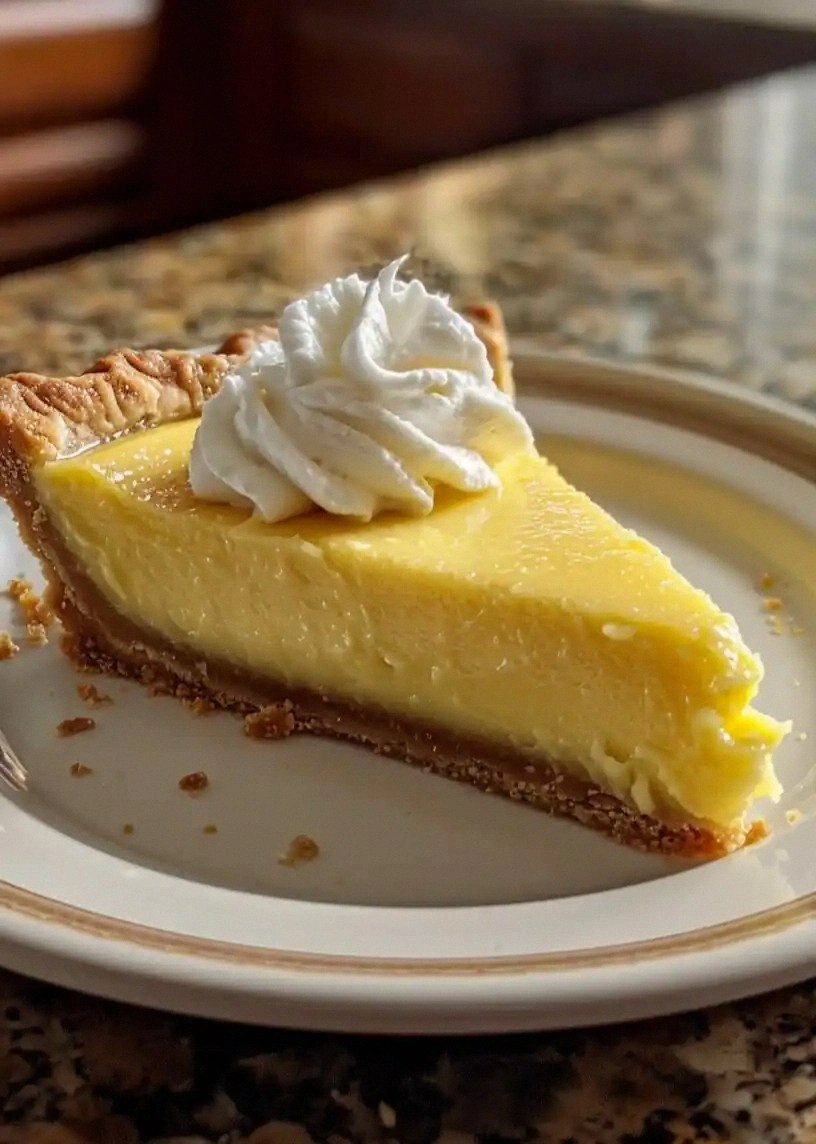
The Method — Step by Step
- Step 1: Prepare the crust. In a bowl, combine graham cracker crumbs, granulated sugar, and melted butter. Mix until the crumbs are evenly coated and the mixture feels like damp sand. Press the mixture firmly into a 9‑inch pie pan, ensuring an even layer. Chill the crust in the refrigerator for 10 minutes to set.
- Step 2: Preheat the oven. Set your oven to 350°F (175°C). The temperature is critical; too high and the custard will curdle, too low and the crust won’t brown. Keep an eye on the timer—this pie needs a gentle bake.
- Step 3: Whisk the custard. In a medium saucepan, whisk together sweetened condensed milk, key lime juice, mango puree, and egg yolks until smooth. The mixture should be glossy and free of lumps. This is the moment of truth—if it’s not silky, the pie will be a disaster.
- Step 4: Add the cream. Slowly pour in the heavy cream while whisking continuously. The cream adds body and prevents the custard from becoming too thick. The mixture should feel like a thick, pourable sauce.
- Step 5: Add zest. Stir in the lime zest, which releases aromatic oils that elevate the flavor. The zest should be finely chopped to avoid large pieces that can be unpleasant.
- Step 6: Cook the filling. Place the saucepan over medium heat, stirring constantly. Once the mixture starts to thicken slightly, reduce the heat to low. Cook for 5 minutes, ensuring the custard doesn’t boil. The edges should look set, but the center should still be slightly wobbling.
- Step 7: Assemble the pie. Pour the hot custard into the chilled crust, smoothing the top with a spatula. The filling will spread slightly as it cools. This is where the flavors mingle.
- Step 8: Chill. Cover the pie with plastic wrap and refrigerate for at least 4 hours, preferably overnight. The custard will set and the flavors will meld. If you’re in a hurry, 2 hours will suffice.
- Step 9: Add the finishing touch. Before serving, dust the top with powdered sugar and garnish with mango slices and lime zest. The garnish adds a pop of color and fresh flavor.
- Step 10: Serve and enjoy. Slice with a sharp knife, wipe the edge for a clean cut, and serve chilled. The first bite should reveal the creamy custard, followed by a burst of lime and a sweet mango finish. I dare you to taste this and not go back for seconds.
That's it — you did it. But hold on, I've got a few more tricks that'll take this to another level.
Insider Tricks for Flawless Results
The Temperature Rule Nobody Follows
Many bakers bake at 375°F, but this pie thrives at 350°F. The lower temperature ensures the custard cooks evenly without curdling. If you’re using a convection oven, reduce the temperature by 25°F. This subtle adjustment can mean the difference between a silky custard and a rubbery mess.
Why Your Nose Knows Best
Before you pour the custard into the crust, smell the mixture. A faint citrus aroma indicates that the lime and mango are balanced. If it smells overwhelmingly sweet, add a splash more lime juice. Your nose is a reliable judge of flavor harmony.
The 5‑Minute Rest That Changes Everything
After cooking the custard, let it rest for 5 minutes off the heat. This pause allows the thickening to settle without overcooking. It also lets the flavors meld, giving the custard a deeper, more cohesive taste. Skipping this step can leave the filling too runny.
The Secret of a Crunchy Crust
Press the crust firmly into the pan and bake for just 8 minutes. This short baking time locks in the crunch without drying out the crumbs. If you prefer a darker crust, add a teaspoon of brown sugar to the crumb mixture.
The Chill‑and‑Serve Trick
Refrigerate the pie for at least 4 hours, but not more than 24. Over‑chilling can cause the custard to become too firm, making it difficult to slice. Keep the pie covered to prevent a skin from forming on the top.
The Garnish Game‑Changer
Use fresh mango slices that are slightly translucent and a touch firm. Slice them thinly to avoid large chunks that can overwhelm the custard. Sprinkle a few lime zest curls for an extra burst of citrus aroma.
The Creamy Cream Swap
If you’re lactose intolerant, coconut cream is an excellent alternative. It adds a subtle coconut flavor that complements the mango. Ensure the coconut cream is chilled before mixing to avoid separation. This swap keeps the custard silky and stable.
The Quick Fix for a Sticky Crust
If the crust sticks to the pan, lightly grease the pan with butter before pressing the crumbs in. The butter layer creates a barrier, preventing the crumbs from adhering. This simple step saves you from a messy cleanup.
Creative Twists and Variations
This recipe is a playground. Here are some of my favorite ways to switch things up:
Tropical Coconut Crunch
Swap the graham cracker crumbs for shredded coconut and add toasted coconut flakes to the crust. Use coconut cream instead of heavy cream. The result is a coconut‑laden pie with a tropical crunch.
Berry Lime Fusion
Replace mango puree with a blend of fresh strawberries and blueberries. The berries add a juicy burst that pairs well with lime. Garnish with fresh berries for a vibrant look.
Spiced Ginger Twist
Add a teaspoon of freshly grated ginger to the custard. The ginger’s warmth balances the citrus, giving the pie a subtle spice note. This variation is perfect for cooler evenings.
Chocolate‑Lime Delight
Fold in 2 ounces of melted dark chocolate into the custard. The chocolate’s bitterness contrasts with the sweet mango, creating a complex flavor profile. Top with chocolate shavings for an elegant finish.
Minty Freshness
Stir in a tablespoon of chopped fresh mint into the custard. The mint adds a cooling effect that complements the tropical flavors. Sprinkle mint leaves on top as a garnish.
Almond Crust Upgrade
Replace graham crackers with finely ground almonds. Add a teaspoon of almond extract to the crust. The nutty flavor adds depth and pairs beautifully with the lime.
Caramelized Pineapple Finale
Top the pie with thin slices of caramelized pineapple. The caramelization adds sweetness and a slight char that contrasts with the creamy custard. This twist is a tropical party in every bite.
Storing and Bringing It Back to Life
Fridge Storage
Store the pie in an airtight container in the refrigerator for up to 5 days. The custard will stay firm and the flavors will continue to develop. Cover the top with plastic wrap to prevent a skin from forming. When you’re ready to serve, let it sit at room temperature for 10 minutes for a smoother bite.
Freezer Friendly
Wrap the pie tightly in plastic wrap, then in aluminum foil, and freeze for up to 2 months. Thaw overnight in the refrigerator before serving. The custard may separate slightly; give it a gentle stir to re‑emulsify. This is ideal for batch cooking.
Best Reheating Method
To reheat, place the pie in a preheated oven at 300°F (150°C) for 10 minutes. Add a tiny splash of water to the bottom of the pan to create steam and keep the custard moist. Remove from the oven and let it cool slightly before slicing. This method preserves the texture without drying it out.