
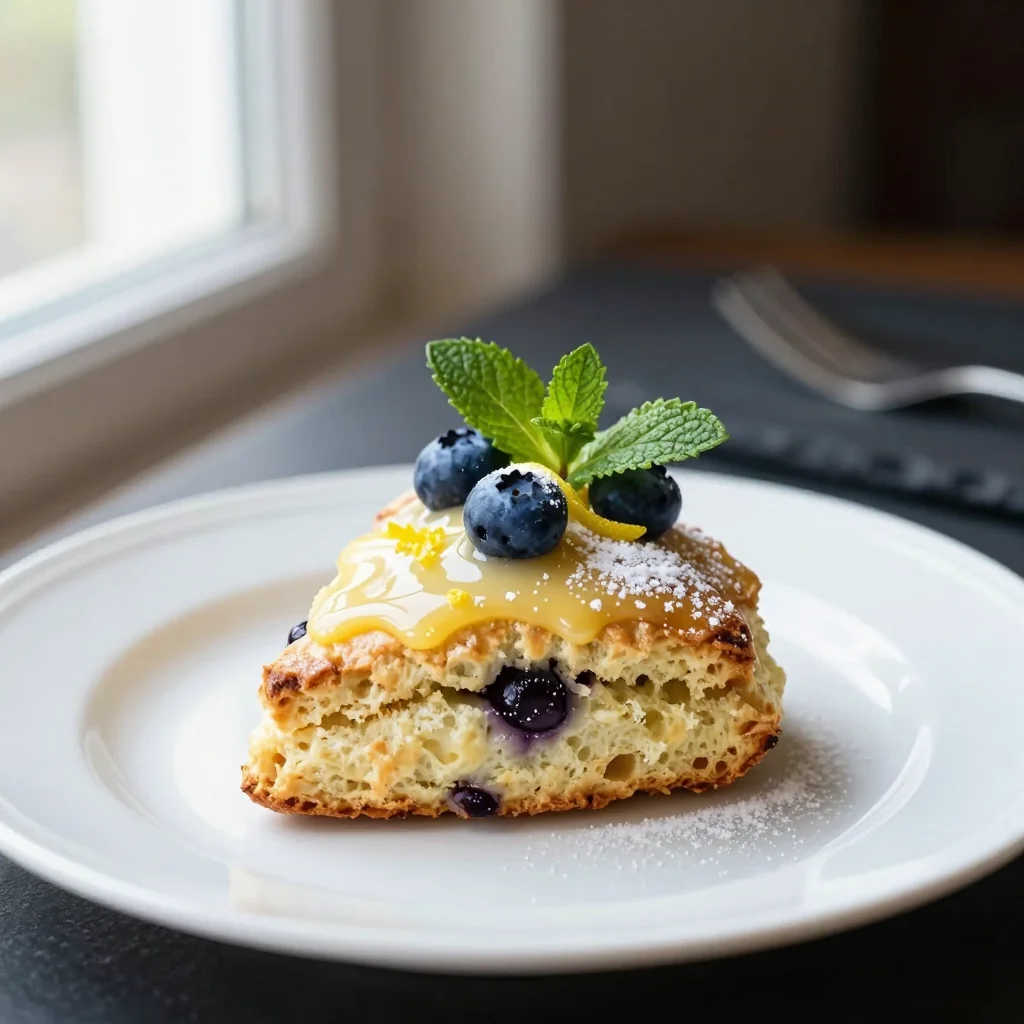
A bright, buttery scone that pairs the zing of lemon with the sweet burst of blueberries, finished with a silky glaze.
Why This Recipe Matters to Me
The first time I tasted a scone that combined the bright citrus tang of lemon with the juicy pop of fresh blueberries, I was transported back to my grandmother’s kitchen on a lazy Sunday morning. She would pull a tray of warm, buttery scones from the oven while the house filled with the scent of fresh citrus, and we’d gather around the table with tea and laughter. That memory has become a cornerstone of my culinary identity, and I’ve spent years perfecting the balance of flavors and textures that make these scones unforgettable.
Lemon and blueberry scones belong to a long tradition of British tea‑time treats, yet they also echo the sunny optimism of Mediterranean patisserie. The glaze adds a glossy finish that not only looks stunning on a platter but also delivers an extra burst of lemon sweetness that ties the whole experience together.
In this guide, you’ll learn how to achieve a tender crumb, how to incorporate berries without turning the dough soggy, and the secret to a glaze that sets perfectly without being too runny. I’ll walk you through every step, from selecting the best ingredients to mastering the final presentation.
I’m thrilled to share this recipe with you, and I hope it becomes a beloved staple in your kitchen as it has in mine.
🌟 Why This Recipe Will Win Your Heart
These scones are more than a breakfast item – they’re a celebration of flavor, texture, and visual appeal.
- ✨ Perfectly Flaky Texture: The cold butter pieces create steam pockets that lift the dough, resulting in a light, airy crumb that melts in your mouth.
- ✨ Burst of Fresh Blueberries: Hand‑folded berries stay intact, delivering juicy pops of flavor without bleeding into the dough.
- ✨ Bright Lemon Zest: The zest infuses the entire scone with a citrus perfume that awakens the palate.
- ✨ Silky Glaze: A simple lemon‑powdered‑sugar glaze adds a glossy finish and a sweet‑tart contrast that makes each bite unforgettable.
- ✨ Versatile Serving: Enjoy them warm with tea, as a brunch centerpiece, or as a sweet snack on the go.
- ✨ Easy to Scale: The built‑in portion adjuster lets you double or halve the recipe without guesswork.
🥗 The Ingredients
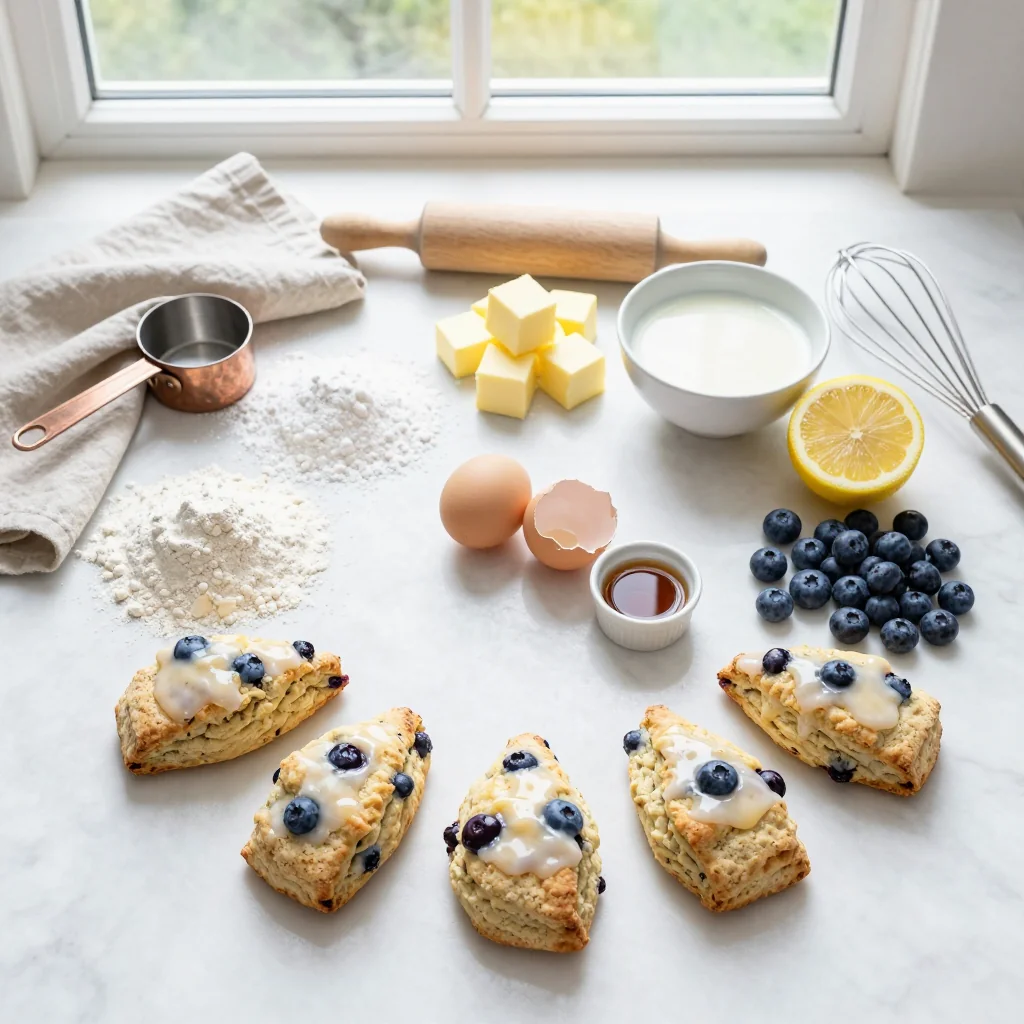
📝 Complete Ingredient List
For the Scones:
For the Glaze:
🔍 Focus on Key Ingredients
All‑Purpose Flour
Flour provides the structural backbone of the scone. Using a high‑quality, unbleached flour ensures a tender crumb without a metallic aftertaste. For an even lighter texture, you can sift the flour together with the baking powder and salt before cutting in the butter.
Cold Unsalted Butter
Butter is the star of the flaky layers. Keeping it cold (even chilling it in the freezer for 10 minutes) prevents it from melting into the flour before baking, which would create a dense, cake‑like texture. The small cubes create pockets of steam that lift the dough.
Fresh Blueberries
Fresh berries give a burst of juiciness and natural sweetness. Pat them dry before folding them into the dough to avoid excess moisture that could make the scones soggy. If you’re out of season, frozen berries work well—just thaw and drain them thoroughly.
🔄 Quick Substitutions
| If you don’t have... | Use instead... |
|---|---|
| Buttermilk | Milk + 1 tbsp lemon juice (let sit 5 min) |
| Unsalted butter | Salted butter (reduce added salt by ½ tsp) |
| Fresh blueberries | Frozen blueberries (thawed & drained) |
👨🍳 Step‑by‑Step Instructions
Follow these detailed steps to create scones that are golden, tender, and bursting with lemon‑blueberry goodness.
📋 Phase 1: Preparation & Mise en Place
Gather your tools and pre‑measure all ingredients before you start.
Preheat the Oven and Prepare Baking Sheet
Set your oven to 200 °C (390 °F) and line a baking sheet with parchment paper. This temperature creates a rapid rise in the scones, giving them a beautiful dome and a crisp exterior. While the oven heats, place a wire rack nearby for cooling the finished scones.
Combine Dry Ingredients
In a large mixing bowl, whisk together the flour, sugar, baking powder, and salt. This ensures an even distribution of leavening agents and prevents pockets of salt that could affect flavor. The mixture should appear uniform and slightly fluffy.
Cut in the Butter
Add the cold butter cubes to the dry mixture. Using a pastry cutter, two forks, or your fingertips, cut the butter until the mixture resembles coarse crumbs with pea‑size pieces of butter still visible. The larger the butter pieces, the flakier the final scone.
🔥 Phase 2: Mixing, Shaping & Baking
Combine wet and dry components, then bake to perfection.
Whisk Wet Ingredients
In a separate bowl, whisk together the buttermilk, egg, lemon zest, and lemon juice. The acidity of the buttermilk reacts with the baking powder, creating lift. The lemon zest adds aromatic oils that permeate the dough.
Combine Wet and Dry Mixtures
Make a well in the center of the dry ingredients and pour in the wet mixture. Using a wooden spoon, gently fold until the dough just comes together. It should be slightly sticky but not wet; over‑mixing will develop gluten and make the scones dense.
Fold in Blueberries
Gently fold the blueberries into the dough, being careful not to crush them. The berries should be evenly distributed, creating specks of color throughout each scone.
Shape and Portion the Dough
Turn the dough onto a lightly floured surface and pat it into a 2‑inch thick circle. Using a 2‑inch round cutter, press straight down without twisting to create clean edges. Gather the scraps, reshape, and cut additional scones until the dough is used up (you should get about 12 scones).
Bake the Scones
Place the scones on the prepared baking sheet, leaving a small gap between each. Bake for 12‑15 minutes, or until the tops are a deep golden‑brown and a toothpick inserted near the center comes out clean. The edges should be crisp while the interior remains tender.
✨ Phase 3: Finishing Touches & Serving
Add the glaze and present the scones beautifully.
Prepare the Lemon Glaze
While the scones bake, whisk together the powdered sugar and lemon juice in a small bowl until smooth. The glaze should be pourable but thick enough to coat the tops without running off.
Glaze the Warm Scones
Drizzle the glaze over the hot scones using a spoon or a small piping bag. The heat will cause the glaze to set slightly, creating a glossy finish. Allow the scones to cool on the wire rack for 5 minutes before serving.
💡 Expert Tips & Tricks
🛒 Choosing the Best Ingredients
Opt for organic lemons with thin, vibrant skins—the zest contains essential oils that provide the most flavor. When selecting blueberries, look for firm, plump berries with a uniform deep blue hue. Avoid berries with cracks or soft spots, as they can release excess moisture. Use high‑fat, unsalted butter for richer flavor and better lamination. If possible, source a local farm’s buttermilk; its tang is superior to store‑bought varieties.
🔪 Preparation Techniques
Keep all dairy ingredients cold until they meet the flour. This prevents premature melting, which would inhibit the formation of flaky layers. When cutting butter, aim for pieces roughly the size of peas; larger pieces create steam pockets that lift the dough. Fold the blueberries gently, turning the bowl over a few times rather than stirring vigorously.
🌡️ Mastering the Bake
A hot oven is crucial for a quick rise. Use an oven thermometer to verify that your oven reaches the set temperature, as many ovens run slightly cooler. Rotate the baking sheet halfway through the bake for even browning. If you notice the tops browning too quickly, loosely tent the scones with foil.
🍽️ Presentation & Service
Serve the scones warm, arranged on a rustic wooden board. Drizzle any remaining glaze over the platter for a glossy effect. Pair with a dollop of lightly sweetened whipped cream or a spoonful of clotted cream for extra indulgence. A sprig of fresh mint adds a pop of color and a refreshing aroma.
🏆 Pro‑Chef Secrets
The difference between a good scone and a bakery‑level masterpiece lies in precision and technique.
- 🎯 Temperature Control: The dough should stay at or below 20 °C (68 °F) before baking. Warm dough activates gluten, resulting in a tougher crumb. Chill the bowl and the dough for 10 minutes after mixing to lock in the cold butter.
- 🎯 Butter Layering: For ultra‑flaky layers, fold the dough over itself twice after the initial mix, like a simple lamination. This creates additional steam pockets without over‑working the gluten.
- 🎯 Berry Moisture Management: Toss blueberries with a teaspoon of flour before folding them in. The flour absorbs excess juice, preventing soggy spots in the final scones.
- 🎯 Glaze Consistency: Adjust the glaze by adding a drop of warm water if it’s too thick, or more powdered sugar if it’s too runny. The ideal glaze should coat the back of a spoon and flow slowly.
- 🎯 Oven Positioning: Place the rack in the middle of the oven. This ensures even heat distribution and prevents the bottoms from burning while the tops remain pale.
- 🎯 Resting Before Baking: Let the shaped scones rest for 5 minutes on the parchment before baking. This allows the gluten to relax and the butter to firm up, resulting in a better rise.
"A perfect scone is a balance of texture, flavor, and timing; get any one wrong and the whole experience collapses." — Mary Berry
🔄 Variations & Adaptations
The core recipe is versatile; you can tailor it to dietary preferences, seasonal produce, or adventurous flavor profiles.
🥬 Vegetarian / Vegan Version
Replace the egg with a “flax egg” (1 tbsp ground flaxseed mixed with 3 tbsp water, let sit 5 minutes). Swap the butter for a plant‑based solid margarine, and use almond milk with a splash of lemon juice as a buttermilk substitute. The texture remains tender, and the flavor profile stays bright.
- Flax egg mimics the binding properties of egg without animal products.
- Plant‑based margarine should be cold and high in fat for flakiness.
🌶️ Flavor Twists
Experiment with complementary flavors to keep the recipe fresh throughout the year.
Spicy Version:
Add ½ tsp of finely ground cayenne pepper to the dry mix and replace half the blueberries with diced fresh strawberries for a sweet‑heat contrast.
Mediterranean Version:
Incorporate ¼ cup crumbled feta cheese and a handful of chopped fresh mint into the dough. Finish with a drizzle of honey instead of lemon glaze.
Asian‑Inspired Version:
Substitute the lemon zest with 1 tsp of grated yuzu peel, and add a tablespoon of toasted sesame seeds on top before baking. Serve with a light soy‑ginger glaze.
⚠️ Dietary Adjustments
Gluten‑Free:
Use a blend of rice flour, tapioca starch, and potato starch (2:1:1 ratio) in place of all‑purpose flour. Add 1 tsp xanthan gum to mimic gluten’s elasticity.
Lactose‑Free:
Substitute butter with a dairy‑free solid coconut oil and use oat milk with a splash of lemon for the buttermilk effect.
Low‑Calorie:
Reduce sugar to 30 g, replace half the butter with low‑fat Greek yogurt, and use a sugar‑free powdered sweetener for the glaze.
👶 Kid‑Friendly Version
For picky eaters, omit the lemon zest and glaze, and add a pinch of cinnamon to the dough. Serve with a side of honey‑sweetened yogurt for dipping.
📦 Storage & Reheating
🧊 Conservation
Refrigerator:
- Duration: 3 days
- Container: Airtight glass jar or zip‑lock bag
- Tip: Place a paper towel inside the container to absorb excess moisture.
Freezer:
- Duration: 2 months
- Method: Freeze on a parchment sheet first, then transfer to a freezer‑safe bag.
- Defrosting: Thaw overnight in the refrigerator or reheat directly from frozen.
💡 For optimal flavor, reheat within a week of freezing; prolonged storage may dull the lemon brightness.
♨️ Reheating
🔥 Oven (Recommended):
- Preheat to 180 °C (350 °F).
- Place scones on a baking sheet, cover loosely with foil.
- Heat for 8‑10 minutes, then remove foil and bake an additional 2‑3 minutes to crisp the tops.
⚡ Microwave (Quick):
- Place a scone on a microwave‑safe plate.
- Cover with a damp paper towel.
- Heat on medium power for 30‑45 seconds.
- Check and repeat in 10‑second bursts if needed.
🍳 Skillet:
Heat a non‑stick skillet over medium‑low heat, add a tiny dab of butter, and warm each scone for 2‑3 minutes per side, pressing gently to revive the crust.
🍷 Perfect Pairings
🥗 Side Dishes
- Mixed Green Salad with Citrus Vinaigrette: The acidity mirrors the lemon glaze, creating a harmonious palate.
- Prosciutto‑Wrapped Asparagus: Salty prosciutto balances the sweet berries and adds a savory bite.
- Fresh Fruit Compote: A warm compote of apricots and figs adds depth without overpowering the scones.
🍷 Wine & Beverage Matches
- Prosecco: Its light effervescence lifts the buttery richness.
- Riesling (off‑dry): The subtle sweetness complements the glaze while the acidity cuts through the butter.
- Non‑Alcoholic: Sparkling elderflower lemonade offers floral notes and bright citrus.
🍰 Completing the Meal
Begin with a light cucumber‑mint soup, follow with the scones as the main centerpiece, and finish with a delicate panna cotta flavored with vanilla bean. This progression balances textures from broth to crumb to silky dessert, ensuring a memorable dining experience.
❓ Frequently Asked Questions
Q: Can I use frozen blueberries instead of fresh?
Yes, frozen blueberries work well. Thaw them completely, then pat dry with a paper towel to remove excess moisture. This prevents the dough from becoming soggy and ensures the berries retain their shape during baking.
Q: How do I prevent the scones from spreading too much?
Keep the dough cold before shaping, and avoid over‑mixing. When cutting, press the cutter straight down without twisting, which helps maintain the scone’s height. A hot oven also creates a rapid rise that sets the shape early.
Q: What if I don’t have buttermilk?
Create a quick substitute by adding 1 tablespoon of fresh lemon juice or white vinegar to 180 ml of regular milk. Let it sit for 5 minutes; the acidity will curdle the milk, mimicking buttermilk’s tang and reaction with the leavening agents.
Q: My scones turned out dense—what went wrong?
Dense scones often result from over‑mixing, warm butter, or using too much flour. Ensure butter stays cold, mix only until ingredients just combine, and measure flour by weight rather than volume to avoid excess.
Q: Can I add other fruits or nuts?
Absolutely! Chopped dried apricots, raspberries, or toasted almonds add texture and flavor. If using wet fruits like raspberries, reduce the milk slightly to maintain dough consistency.
Q: How far in advance can I prepare the glaze?
The glaze can be made up to 2 days ahead. Store it in an airtight container in the refrigerator. Bring it to room temperature and stir before drizzling; if it thickens, add a few drops of lemon juice to loosen it.
🎉 Let’s Get Baking!
This Lemon Blueberry Scones with Glaze recipe brings together the best of classic British bake‑goods with a fresh, modern twist. The combination of buttery layers, juicy berries, and a tangy glaze makes every bite a celebration of texture and flavor. Whether you’re serving them at a weekend brunch, a tea party, or simply enjoying them with a cup of coffee, these scones are sure to impress.
I encourage you to experiment with the variations, share your results, and let the community know how you made the recipe your own. Your feedback helps us refine and expand our culinary repertoire.
Have you tried this recipe?
Leave a comment and rating below! Share your photos on Instagram with #LemonBlueberryScones for a chance to be featured.
Lemon Blueberry Scones with Glaze
Flaky, buttery scones bursting with blueberries and a zesty lemon glaze.
📝 Ingredients
Scone Dough
Glaze
👨🍳 Instructions
- 1 Preheat oven to 200 °C (390 °F) and line a baking sheet with parchment.
- 2 Whisk flour, sugar, baking powder, and salt in a bowl.
- 3 Cut cold butter into the dry mix until pea‑size pieces remain.
- 4 In another bowl, whisk buttermilk, egg, lemon zest, and lemon juice.
- 5 Combine wet and dry ingredients, mixing just until a dough forms.
- 6 Gently fold in blueberries, taking care not to crush them.
- 7 Pat dough onto a floured surface, cut into 2‑inch rounds, and place on the sheet.
- 8 Bake for 12‑15 minutes until golden brown.
- 9 While baking, whisk powdered sugar and lemon juice for the glaze.
- 10 Drizzle glaze over warm scones, let set for 5 minutes, then serve.
🥗 Nutrition (per serving)
*Nutrition facts are estimates based on standard ingredient values.
📚 You Might Also Like
Raspberry Lemon Scones
Chocolate Chip Scones
Cranberry Orange Scones




💬 Comments & Reviews
Leave a Comment
No comments yet. Be the first to share your thoughts!