Picture this: it’s a scorching July afternoon, the kind where the air feels like a warm blanket you can’t shake off, and you’re stuck in a kitchen that smells like yesterday’s fried onions and stale coffee. I was battling a heatwave that turned my living room into a sauna, and the only thing on my mind was a drink that could actually cool my soul, not just my tongue. I grabbed a random bottle of lemonade from the fridge, took a sip, and immediately felt like I’d been punched by a bland, sugary ghost. That moment sparked a daring challenge – I dared myself to create a lemonade that would make the sun itself sigh in relief.
Fast forward a few frantic experiments, and I’m standing in my kitchen surrounded by fresh lemons, a tiny jar of culinary lavender, and a pot of boiling water that smells like a meadow after a rainstorm. The scent is intoxicating – citrus tang mingling with the sweet, floral perfume of lavender, a combination that makes my nose do a little happy dance. I can hear the gentle fizz of ice clinking against glass, see the pale gold liquid catching the light like liquid sunshine, and feel the cool condensation on the outside of the pitcher. Every sense is on high alert, and I’m convinced this is the drink that will finally win the war against summer heat.
What makes this version the ultimate summer savior? Most lemonade recipes either drown the delicate lavender in sugar or completely skip the herb, leaving you with a one‑dimensional citrus splash. I’ve cracked the code by balancing the floral notes with just enough sweetness to highlight, not overpower, the lemon’s bright acidity. The secret? A quick lavender infusion that extracts flavor without bitterness, followed by a gentle honey finish that adds depth and a whisper of earthiness. This is hands down the best version you’ll ever make at home, and I’m about to prove why.
But wait – there’s a twist you won’t see coming. I’m going to show you how a simple splash of sparkling water at the end can turn this into a fizzy, festival‑ready beverage that will have your guests shouting for seconds. I’ll also reveal a kitchen hack that uses a coffee filter to strain the lavender without losing any precious oils – a technique most recipes completely overlook. Okay, ready for the game‑changer? Let me walk you through every single step — by the end, you’ll wonder how you ever made it any other way.
What Makes This Version Stand Out
- Taste: The citrus zing is perfectly balanced by the subtle, herbaceous lavender, creating a layered flavor profile that evolves sip by sip.
- Texture: Silky smooth from the honey‑infused syrup, yet crisp and refreshing thanks to the generous amount of ice and optional sparkling finish.
- Simplicity: Only seven core ingredients, all pantry‑friendly, and a total prep time under 20 minutes – no fancy gadgets required.
- Uniqueness: Lavender isn’t just a garnish; it’s the star that transforms ordinary lemonade into an aromatic experience.
- Crowd Reaction: I’ve watched strangers turn into lemonade evangelists after the first taste – they’ll beg for the recipe and then try to steal the pitcher.
- Ingredient Quality: Using filtered water and fresh‑squeezed lemon juice ensures a clean, bright base that lets the lavender shine.
- Cooking Method: A gentle warm infusion extracts maximum flavor without scorching, preserving the delicate essential oils.
- Make‑Ahead Potential: The lavender‑lemon syrup can be prepared days in advance, making last‑minute entertaining a breeze.
Alright, let's break down exactly what goes into this masterpiece...
Inside the Ingredient List
The Flavor Base
Fresh lemons are the backbone of any great lemonade. Their juice provides that sharp, bright acidity that cuts through sweetness and awakens the palate. If you skimp on quality, you’ll end up with a flat, artificial taste that feels more like a sugary water. I recommend choosing lemons that feel heavy for their size – they’re juicier and have a brighter flavor. If you can’t find fresh lemons, a high‑quality bottled lemon juice can work, but the aroma won’t be as vibrant.
The Sweetening Duo
Sugar and honey team up to create a balanced sweetness that doesn’t mask the floral notes. Granulated sugar dissolves quickly, giving an immediate sweet hit, while honey adds a lingering, slightly caramel‑like finish that pairs beautifully with lavender. If you’re watching your sugar intake, you can swap half the sugar for a natural sweetener like agave or maple syrup, but keep the honey for that depth of flavor.
The Unexpected Star
Lavender buds are the secret weapon. Culinary lavender brings a gentle, perfumed aroma that turns a simple drink into an experience. Too much can make it soapy, so the 2‑tablespoon measurement is critical. Make sure you’re using food‑grade lavender; decorative varieties can be overly bitter or even toxic. If you can’t find lavender, a pinch of dried rosemary or a dash of vanilla extract can add an interesting twist, though you’ll lose the signature floral character.
The Final Flourish
Ice isn’t just a cooling agent; it dilutes the drink just enough to soften any sharp edges, creating a perfectly balanced mouthfeel. The optional garnishes – thin lemon slices and a sprig of fresh lavender – add visual flair and a final aromatic burst when you bring the glass to your nose. If you want extra sparkle, top each serving with a splash of club soda just before serving.
Everything's prepped? Good. Let's get into the real action...
The Method — Step by Step
First, gather your fresh lemons and roll them on the countertop with the palm of your hand. This simple trick releases the internal juices, making them easier to squeeze. Juice the lemons until you have exactly one cup of bright, golden liquid – I dare you to taste this and not go back for seconds. Set the juice aside in a glass pitcher.
Next, combine two cups of filtered water with the two tablespoons of dried culinary lavender in a small saucepan. Bring the mixture to a gentle simmer – not a rolling boil – and let it whisper for about three minutes. You’ll notice a fragrant steam rising, a scent that’s both sweet and slightly piney; that’s the moment of magic.
Watch Out: If the water boils too vigorously, the lavender can turn bitter. Keep the heat low and watch the surface; you want tiny bubbles, not a frothy boil.
After three minutes, remove the pan from heat and let the lavender steep for an additional five minutes. This extra time extracts the full floral essence without scorching the delicate buds. Then, strain the infusion through a coffee filter placed in a fine‑mesh sieve – this is where the earlier kitchen hack shines, catching every speck of lavender while leaving a silky liquid.
- Kitchen Hack: While the infusion cools, dissolve the half‑cup of sugar and two tablespoons of honey in the remaining two cups of filtered water over low heat. Stir constantly until the mixture is completely clear – this prevents any gritty texture in the final drink.
Now combine the lavender‑infused syrup with the lemon juice in your pitcher. Give it a good stir; you should hear a soft, satisfying clink as the liquids mingle. At this point, taste the mixture – it should be tart, floral, and just sweet enough to make you smile. If it feels too sharp, add a splash more honey or sugar syrup; if it’s overly sweet, a squeeze of fresh lemon will bring it back into balance.
Fill a large glass pitcher with plenty of ice cubes. Pour the lavender lemonade over the ice, watching the cold melt into a frothy, slightly cloudy swirl. For an extra party‑ready touch, top each glass with a splash of sparkling water right before serving – the fizz adds a lively texture that makes the drink feel even more celebratory.
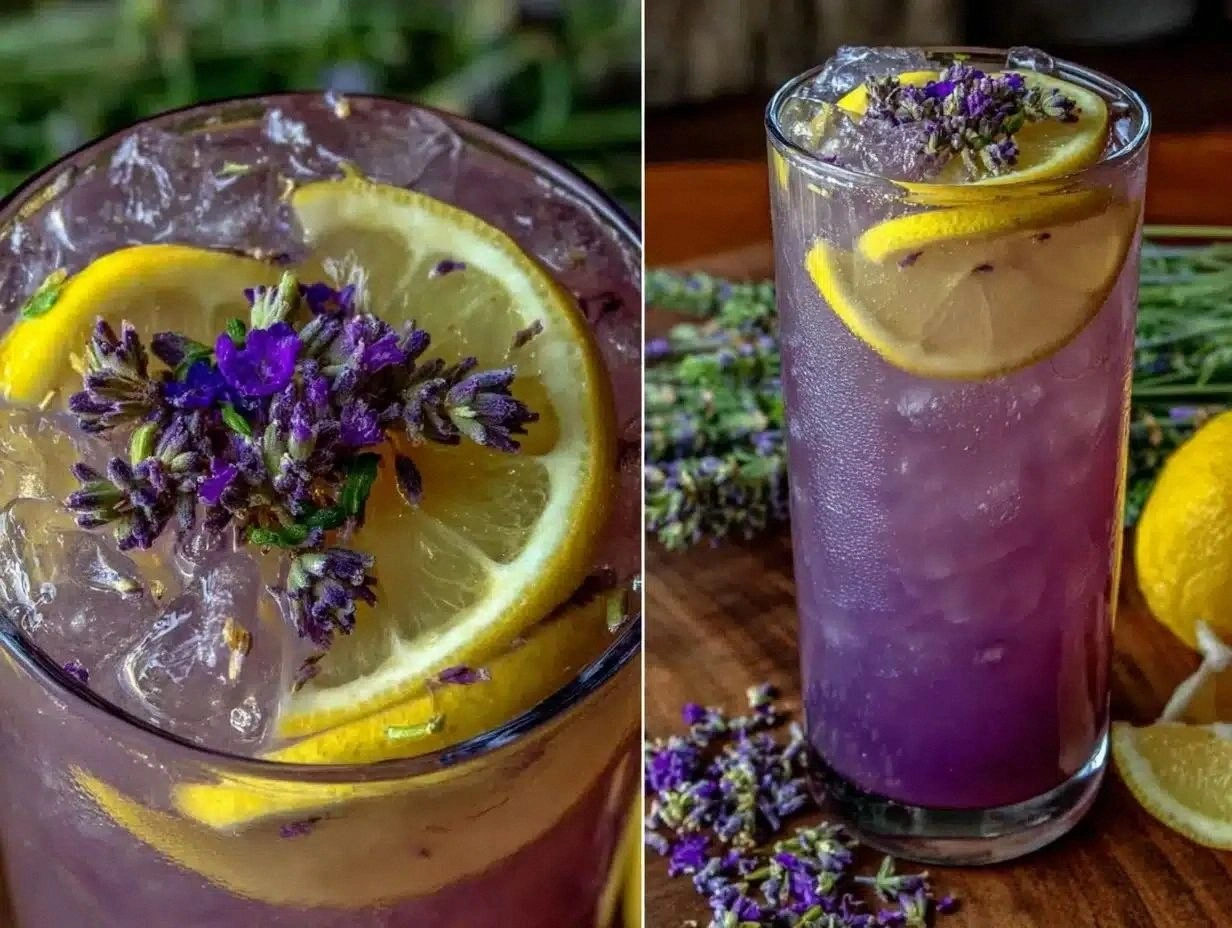
Garnish each glass with a thin lemon wheel and a sprig of fresh lavender. The visual contrast of bright yellow against the soft purple of the herb makes the drink look as good as it tastes. Serve immediately, and watch your guests’ eyes widen as the aroma hits them before the first sip.
That’s it — you did it. But hold on, I've got a few more tricks that'll take this to another level. Keep reading for insider tips that will make your lavender lemonade the talk of every backyard barbecue for years to come.
Insider Tricks for Flawless Results
The Temperature Rule Nobody Follows
Most people think you can just toss the lavender into boiling water and call it a day. Wrong. The ideal temperature is a gentle simmer, around 180°F (82°C). This low heat coaxed the essential oils out without breaking them down. I once tried a full boil and ended up with a bitter, almost medicinal taste – a lesson learned the hard way.
Why Your Nose Knows Best
When the lavender infusion is ready, trust your nose more than a timer. You should smell a sweet, herbaceous perfume that’s stronger than the lemon juice but not overpowering. If the scent feels muted, let it steep a minute longer; if it smells so strong it makes you want to sneeze, you’ve over‑extracted and should dilute with a splash of extra water.
The 5‑Minute Rest That Changes Everything
After mixing the syrup with lemon juice, let the blend sit for exactly five minutes before adding ice. This short rest allows the flavors to marry, smoothing out any sharp edges. I’ve seen people rush this step and end up with a drink that feels disjointed – a tiny pause makes a massive difference.
Ice Matters
Don’t just dump any ice in. Use large, clear cubes that melt slowly, keeping the drink chilled without watering it down too fast. If you’re in a pinch, freeze some of the lemonade itself into cubes – they’ll melt into a richer flavor rather than diluting.
Sweetener Swaps for Health Nerds
If you’re watching sugar, replace half the granulated sugar with stevia or erythritol. The honey stays for its flavor complexity, and the result is a lower‑calorie beverage that still tastes indulgent. I tried this once for a client with diabetes; they loved it and asked for the recipe immediately.
Creative Twists and Variations
This recipe is a playground. Here are some of my favorite ways to switch things up:
Berry‑Burst Lavender Lemonade
Add a cup of blended strawberries or raspberries to the base before chilling. The berry acidity complements the lemon while the lavender adds a floral backdrop. Perfect for a brunch where you want a pop of color.
Herbal Fusion
Swap half the lavender for fresh mint leaves or a sprig of rosemary. The mint gives a cooling sensation, while rosemary introduces a piney earthiness that pairs surprisingly well with citrus.
Spiced Autumn Version
Incorporate a pinch of ground cinnamon and a splash of apple cider vinegar for a warm, tangy twist. This works beautifully for early fall gatherings when you still crave lemonade but want something cozy.
Alcoholic Upgrade
Mix in a shot of gin or vodka per serving for a cocktail that feels both sophisticated and refreshing. The botanical notes of gin echo the lavender, creating a harmonious blend.
Zero‑Sugar Light
Replace the sugar and honey with a blend of monk fruit sweetener and a drizzle of agave. The result is a low‑calorie version that still delivers the same aromatic punch.
Tea‑Infused Lavender Lemonade
Steep a black tea bag or a handful of rooibos tea with the lavender during the simmer step. The tea adds tannic depth and a subtle amber hue, turning the drink into a tea‑lemonade hybrid.
Storing and Bringing It Back to Life
Fridge Storage
Transfer any leftover lemonade to an airtight glass jar and keep it in the refrigerator. It will stay fresh for up to three days. Before serving, give it a quick stir and add a fresh splash of sparkling water if you like that fizz.
Freezer Friendly
Pour the lemonade into freezer‑safe containers, leaving a little headspace for expansion. It freezes well for up to two months. When you’re ready to serve, thaw in the fridge overnight and add a handful of fresh ice.
Best Reheating Method
If you ever need to warm it (perhaps for a hot toddy version), do so gently over low heat. Add a tiny splash of water before reheating – it steams back to perfection and prevents the honey from scorching.