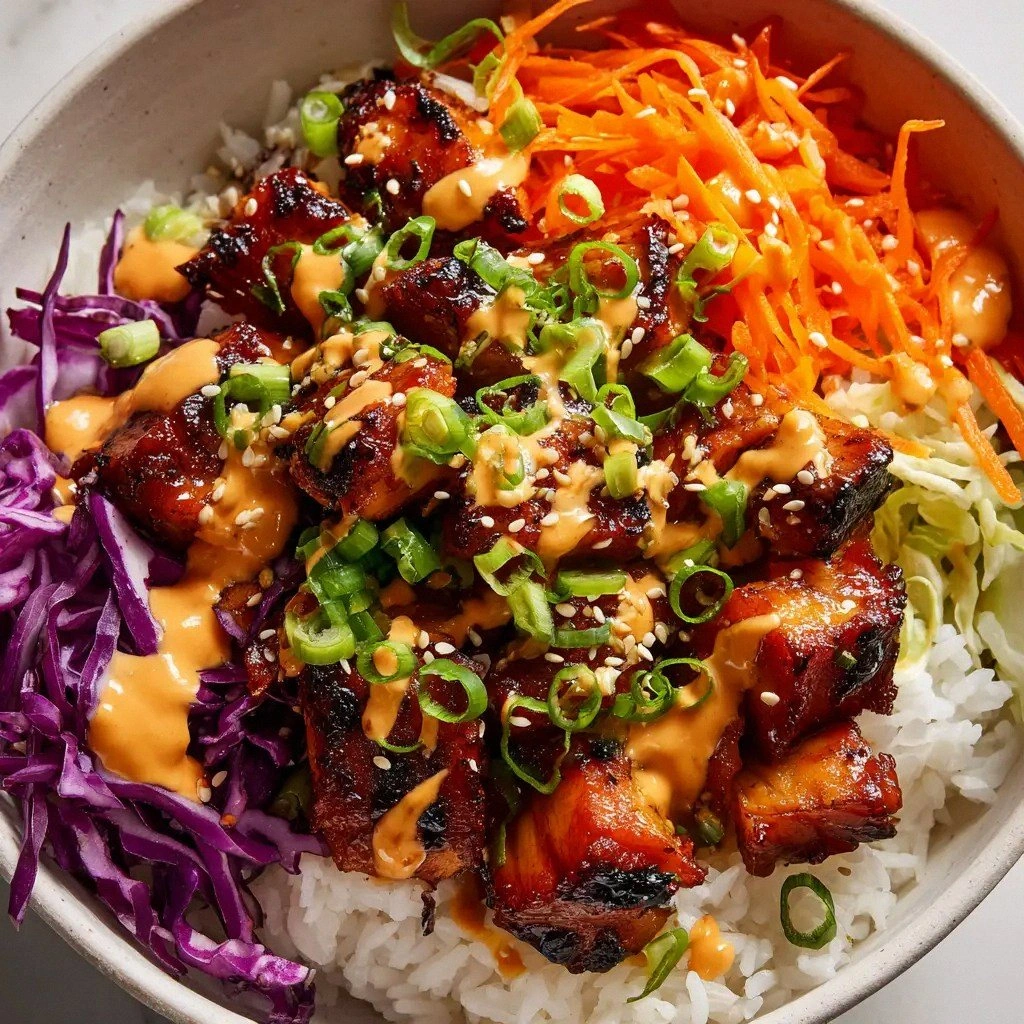
I was in the middle of a chaotic weeknight dinner, the fridge a barren wasteland, when my phone buzzed with a friend’s text: “You gotta try this Korean BBQ chicken bowl, it’s a game‑changer!” I stared at the empty pantry, the kitchen lights flickering, and realized I had no idea what a “Korean BBQ” sauce even tasted like. But the promise of a dish that could turn a simple chicken thigh into a flavor explosion was too tempting to ignore. So I set out to create a version that would make every other recipe look like a bland, forgettable side dish.
Picture this: the sizzling sound of chicken hitting a hot skillet, the sweet, umami‑laden aroma of gochujang mingling with garlic and ginger, and the sight of a glossy, caramelized glaze coating each tender piece. The moment the sauce hits the pan, it releases a fragrant steam that fills the kitchen, making every inhale a promise of something extraordinary. I could almost taste the smoky heat, the subtle sweetness, and the crunchy contrast of fresh cucumber and carrots. It’s the kind of sensory overload that turns a mundane meal into a culinary celebration.
What sets this version apart? It’s the balance of bold flavors and comforting textures, the simplicity of the technique, and the fact that every single ingredient has a purpose. No hidden steps, no complicated sauce ratios, just a straightforward method that yields a bowl that’s both restaurant‑level and home‑friendly. The sauce coats the chicken like velvet, the rice provides a neutral canvas, and the vegetables add a pop of color and crunch. I dare you to taste this and not go back for seconds. I promise you’ll never settle for anything less.
By the time you finish reading, you’ll have a step‑by‑step guide that turns your kitchen into a Korean barbecue station. I’ll walk you through the ingredients, the techniques, and the little hacks that make the difference between good and unforgettable. Let me walk you through every single step — by the end, you’ll wonder how you ever made it any other way.
What Makes This Version Stand Out
- Flavor: The sauce blends sweet, salty, and spicy notes into a single, harmonious glaze that caramelizes beautifully on the chicken.
- Texture: Juicy chicken thighs paired with crisp cucumber and carrots create a satisfying bite that never feels soggy.
- Convenience: All the work is done in one pan, and the rice can be pre‑cooked, making this a 45‑minute meal for any weekday.
- Versatility: Swap out the edamame for broccoli or snap peas, and you’re still in the same flavor zone.
- Nutrition: Balanced macros with lean protein, complex carbs, and healthy fats that keep you full without the crash.
- Make‑Ahead: The chicken can be marinated overnight, and the sauce can be stored for up to a week in the fridge.
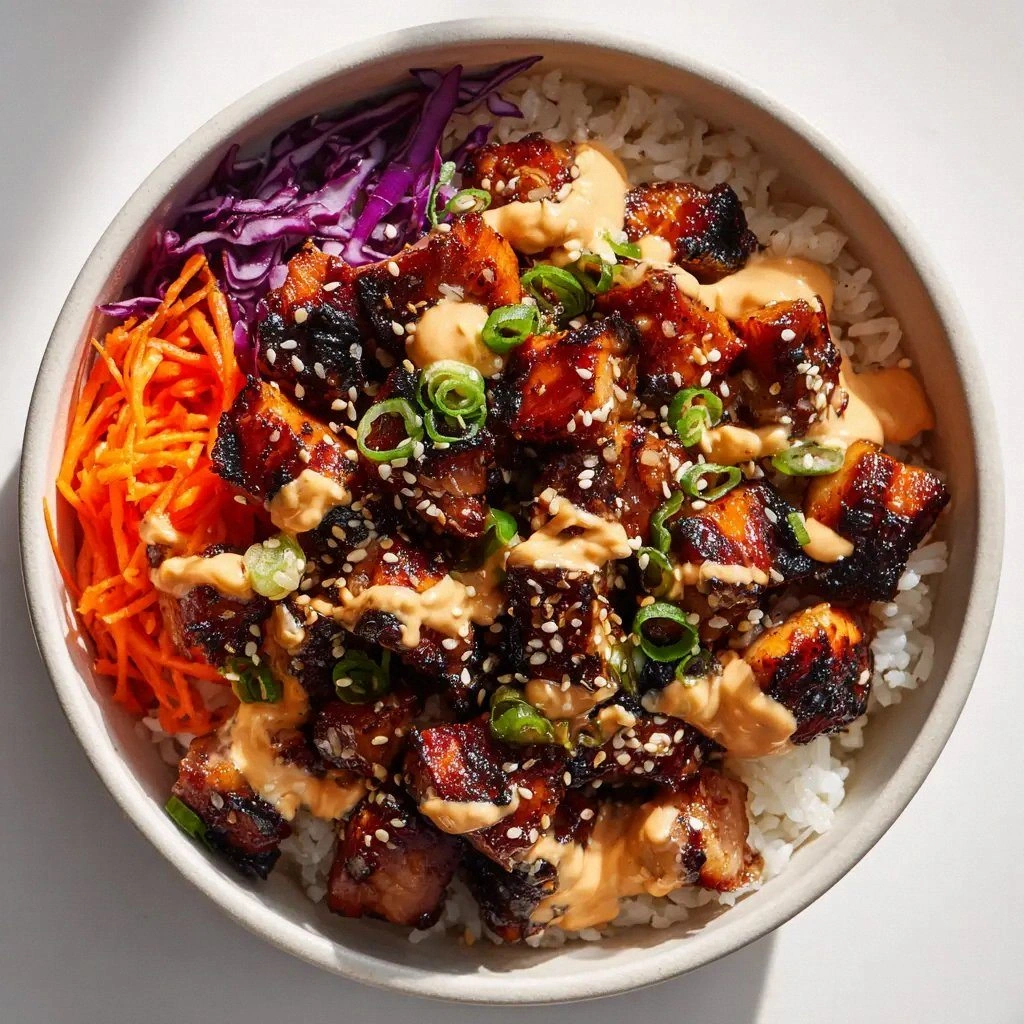
- Presentation: The bowl looks like a masterpiece: a burst of color, a glossy glaze, and a sprinkle of sesame seeds.
- Audience: Whether you’re a seasoned cook or a kitchen newbie, the method is clear and foolproof.
Alright, let’s break down exactly what goes into this masterpiece…
Inside the Ingredient List
The Flavor Base
Low‑sodium soy sauce, gochujang, brown sugar, sesame oil, garlic, ginger, and rice vinegar form the backbone of the sauce. Each component plays a distinct role: soy sauce provides depth and umami; gochujang adds heat and a fermented tang; brown sugar gives caramelized sweetness; sesame oil offers nutty aroma; garlic and ginger bring brightness; and rice vinegar cuts through the richness. If you skip any of these, the sauce will lose its layered complexity, becoming either too sweet or too flat. For a vegetarian version, replace the chicken with tofu or tempeh, but keep the sauce intact to preserve the flavor profile.
The Texture Crew
The chicken thighs are the star, chosen for their natural juiciness and ability to absorb flavors. Cucumber and shredded carrots add crunch and freshness, balancing the richness of the glaze. Cooked edamame contributes protein and a subtle nutty taste, while kimchi introduces fermented tang and a pop of color. Sesame seeds and green onions finish the bowl with a sprinkle of nuttiness and a fresh, oniony bite. Skipping any of these textures can make the dish feel one‑dimensional; the mix of soft, crunchy, and chewy elements keeps each spoonful interesting.
The Unexpected Star
Kimchi is the secret weapon that elevates this bowl from ordinary to extraordinary. Its fermented flavor adds depth, and the vibrant red hue makes the bowl visually stunning. If you’re not a fan of kimchi, you can substitute it with pickled radish or a splash of fermented soybean paste for a milder kick. However, the boldness of kimchi is what makes this dish stand out, so consider it a must‑have for authenticity.
The Final Flourish
The rice is the canvas that absorbs the sauce and provides a comforting base. Cooked white rice works best for its neutral flavor, but brown rice or cauliflower rice can offer a healthier alternative. The sesame seeds and green onions are the finishing touches that add aroma, crunch, and a pop of color. Together, they create a bowl that feels complete, balanced, and ready to devour.
Everything's prepped? Good. Let's get into the real action…
The Method — Step by Step
- Marinate the Chicken: In a bowl, combine 1.5 lbs of sliced chicken thighs with 1/4 cup low‑sodium soy sauce, 3 tbsp gochujang, 2 tbsp brown sugar, 1 tbsp sesame oil, 3 cloves minced garlic, 1 tsp grated fresh ginger, and 1 tsp rice vinegar. Toss until every piece is coated. Cover and refrigerate for at least 30 minutes, or overnight for deeper flavor. The longer the marination, the more the chicken absorbs the sauce’s sweet and spicy notes.
- Prepare the Vegetables: While the chicken marinates, dice 1 cup of cucumber into small cubes, shred 1 cup of carrots, and lightly steam 1 cup of edamame until just tender. Set aside. These veggies stay crisp and fresh, providing a contrast to the caramelized chicken.
- Heat the Pan: Place a large skillet over medium‑high heat and add 1 tbsp of sesame oil. Let it shimmer until it’s almost smoking—this is the cue that the pan is ready. The oil prevents sticking and gives the chicken a golden sear.
- Cook the Chicken: Add the marinated chicken to the skillet in a single layer. Let it sear undisturbed for 3–4 minutes until the edges start to brown. Flip the pieces and cook for another 3–4 minutes. The key is to let the sauce reduce and caramelize, creating a glossy glaze that coats each piece like velvet.
- Simmer the Sauce: Reduce the heat to medium and pour the remaining marinade into the pan. Stir gently, scraping up any browned bits, and let it simmer for 5–7 minutes until thickened. The sauce should be sticky, not watery. The aroma will intensify, signaling that the flavors are ready to marry.
- Check the Doneness: The chicken is done when it reaches an internal temperature of 165°F (74°C). The juices should run clear, and the meat should feel firm yet tender. If you’re cooking larger pieces, a quick test with a fork will confirm doneness.
- Assemble the Bowls: Divide 4 cups of cooked rice into four bowls. Top each with a generous portion of the glazed chicken, a handful of cucumber, shredded carrots, edamame, and a spoonful of kimchi. Sprinkle with 1 tbsp sesame seeds and 2 tbsp chopped green onions.
- Finish with a Drizzle: If desired, drizzle a tiny bit of sesame oil over each bowl for an extra layer of aroma. This final touch elevates the dish to a restaurant‑grade finish.
- Serve Immediately: Present the bowls with a side of extra kimchi or a small bowl of gochujang for those who love an extra kick. The dish is best enjoyed hot, with the sauce still glossy and the vegetables crisp.
That's it — you did it. But hold on, I've got a few more tricks that'll take this to another level…
Insider Tricks for Flawless Results
The Temperature Rule Nobody Follows
Many cooks think a lower heat is safer for chicken, but medium‑high heat is essential for a caramelized exterior. The quick sear locks in juices and creates a glossy glaze. I’ve seen countless bowls where the chicken ends up mushy because the heat was too low. Keep the skillet hot, and you’ll get a beautiful, slightly crispy edge that shatters like thin ice.
Why Your Nose Knows Best
The aroma of simmering gochujang is a reliable indicator of readiness. When the sauce starts to bubble and release a sweet, smoky scent, it’s time to flip the chicken. Trust your nose; it’s the most accurate gauge of flavor development, especially when you’re aiming for that perfect balance of sweet and spicy.
The 5-Minute Rest That Changes Everything
After cooking, let the chicken rest on a plate for 5 minutes. This allows the juices to redistribute, ensuring each bite is moist and tender. Skipping this step often leaves the meat dry, especially when you’re working with lean chicken thighs.
Keep the Sauce Thick
If the sauce becomes too thin, add a splash of water and bring it back to a simmer. The sauce should be thick enough to cling to the chicken, not run off. A thin sauce will dilute the flavor profile and make the bowl feel under‑seasoned.
Add a Splash of Citrus
A squeeze of fresh lime or lemon juice right before serving brightens the dish and balances the richness. This simple step can elevate the bowl from good to unforgettable, especially if you’re serving it on a warm day.
Creative Twists and Variations
This recipe is a playground. Here are some of my favorite ways to switch things up:
Spicy Kimchi Smash
Replace the regular kimchi with kimchi fried rice for an extra layer of texture. The fried rice adds a crispy edge while keeping the fermented tang. Perfect for those who love a bit of crunch in every bite.
Thai‑Inspired Bowl
Swap gochujang for red curry paste and add a splash of coconut milk. Top with fresh cilantro and a squeeze of lime. This variation gives the bowl an aromatic, tropical twist while keeping the savory base.
Vegan Version
Use firm tofu or tempeh instead of chicken, and sauté until golden. Keep the sauce unchanged. The tofu absorbs the glaze beautifully, delivering a protein‑rich, plant‑based bowl.
Breakfast Bowl
Serve the bowl over a bed of scrambled eggs, add a side of kimchi, and sprinkle with toasted sesame seeds. The savory sauce pairs wonderfully with the richness of eggs, creating a hearty breakfast that will keep you full all morning.
Mediterranean Fusion
Replace the rice with couscous or quinoa, and add a handful of chopped olives and feta cheese. The olive oil in the sauce blends well with the Mediterranean flavors, offering a unique cross‑cultural experience.
Storing and Bringing It Back to Life
Fridge Storage
Store leftovers in an airtight container for up to 3 days. Keep the rice separate from the sauce and chicken to prevent sogginess. Reheat in a microwave or on the stovetop, adding a splash of water to re‑hydrate the rice.
Freezer Friendly
For longer storage, freeze the cooked chicken and sauce separately in freezer bags. The rice can be frozen for up to 2 months. Thaw overnight in the fridge before reheating. The flavors remain robust, and the texture stays intact.
Best Reheating Method
Reheat in a skillet over medium heat, stirring occasionally, until the sauce is hot and bubbly. If the sauce has thickened, add a tablespoon of water or broth to restore its glaze. The key is gentle heat to avoid over‑cooking the chicken.