
I remember the night my kitchen turned into a smoky battlefield. I had just tried to replicate a dish I’d seen on a food blog, but instead of a silky red curry, I ended up with a burnt, bland mess that made my taste buds scream for mercy. I stared at the charred duck, feeling both defeated and oddly excited—what if I could salvage it? That night, I vowed to turn that disaster into a masterpiece, and I’ve been chasing that flavor ever since.
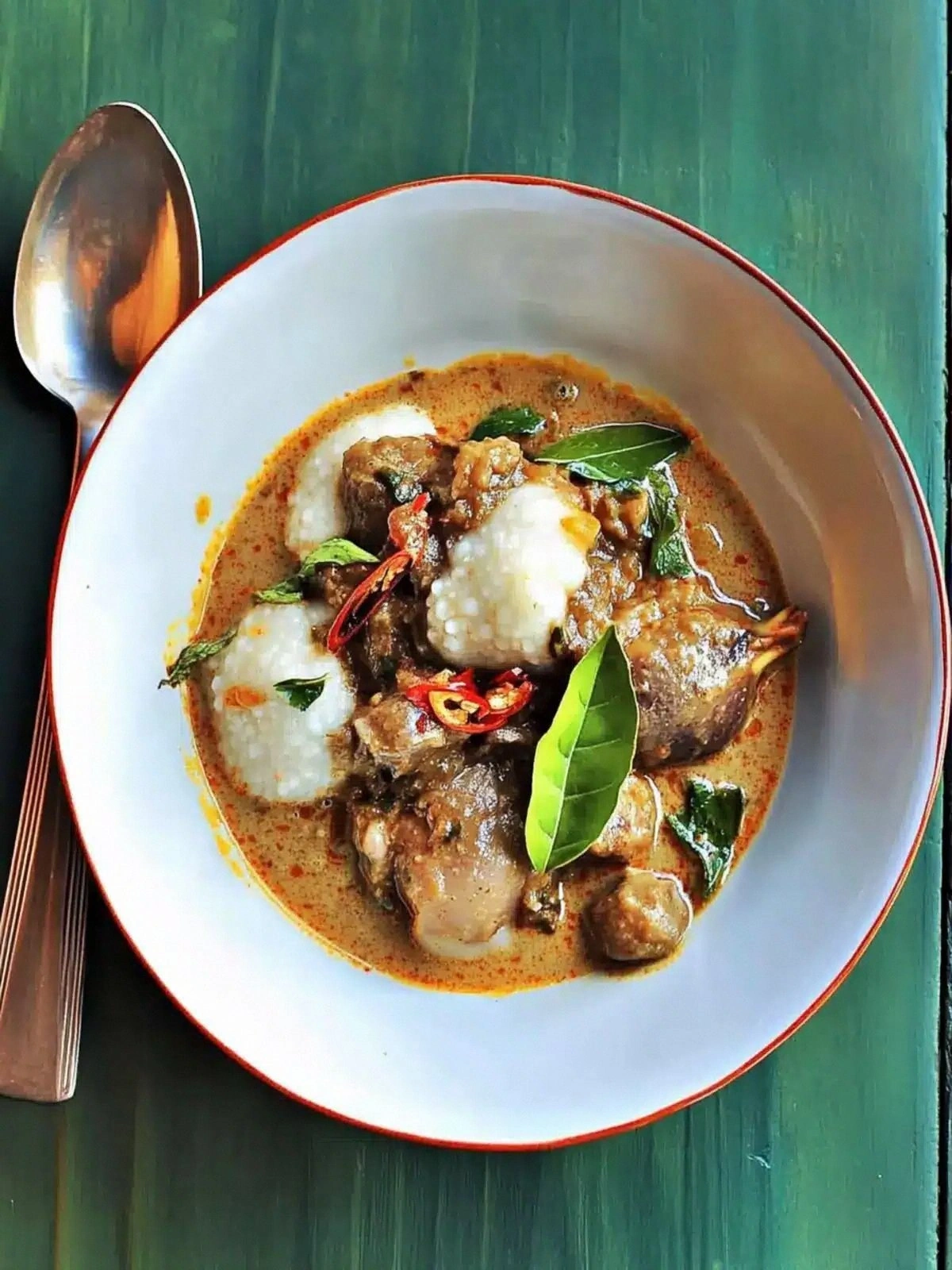
The first time I tasted this red duck curry, the aroma hit me like a wave of citrus and spice crashing over a tropical beach. The fragrant lemongrass and kaffir lime leaves mingle with the earthy sweetness of lychees, creating a scent that’s both exotic and comforting. The sound of the simmering pot is a gentle hiss, a reminder that every bubble is a promise of flavor. The texture—tender duck, silky coconut cream, and a subtle snap from fried shallots—creates a contrast that makes each bite a revelation. The taste is a bold, layered explosion: sweet, salty, spicy, and a hint of nutty warmth from the coriander seeds.
I dare you to taste this and not go back for seconds. This is hands down the best version you’ll ever make at home. I’ve spent years experimenting with curry bases, but the addition of lychees is what sets this dish apart. Most recipes get this completely wrong—here’s what actually works. Picture yourself pulling this out of the pot, the whole kitchen smelling incredible, and your guests’ eyes widening in anticipation. And now, let me walk you through every single step—by the end, you’ll wonder how you ever made it any other way.
If you’ve ever struggled with balancing sweetness and heat in a curry, you’re not alone—and I’ve got the fix. The secret is in the harmony of the spice blend and the careful timing of the coconut liquids. I’ll be honest— I ate half the batch before anyone else got to try it. That’s the kind of flavor that makes people come back for more, and I’m excited to share every detail, from the first sizzle to the final garnish.
What Makes This Version Stand Out
- Flavor: The combination of sweet lychees and savory fish sauce creates a depth that lingers on the palate.
- Texture: Tender duck and a silky coconut cream coat the dish like velvet, while fried shallots add a satisfying crunch.
- Ingredient Quality: Fresh lemongrass and kaffir lime leaves elevate the aromatic profile beyond store‑bought powders.
- Simplicity: Despite its complex flavor, the recipe uses only 20 ingredients, making it approachable for any cook.
- Crowd Reaction: Guests rave about the unexpected sweetness and the bright, citrusy finish.
- Make‑Ahead Potential: The curry keeps well for 3 days in the fridge and rehydrates beautifully, making it perfect for busy weeknights.
- Visual Appeal: The vibrant red hue and glossy finish turn the dish into a showstopper at any dinner table.
Alright, let's break down exactly what goes into this masterpiece…
Inside the Ingredient List
The Flavor Base
The heart of this curry lies in the spice blend. Coriander seeds, white peppercorns, and cumin seeds form a warm, nutty foundation. Star anise and dried chillies introduce a subtle sweetness and a gentle heat that never overwhelms. When toasted, these spices release essential oils, turning the base into a fragrant, aromatic sauce that coats the duck beautifully.
If you’re new to whole spices, start with a small pinch of each and taste as you go. Skipping any of these spices will leave the dish feeling flat; the star anise, for instance, adds a hint of licorice that balances the sweetness of the lychees.
The Texture Crew
Coconut cream and coconut milk give the curry its signature silky body. The cream thickens the sauce, while the milk lightens it, creating a perfect balance that coats the duck without feeling heavy. The fried shallots add a crunchy contrast that pops against the tender meat.
If you’re aiming for a lighter version, replace half the coconut cream with coconut milk. For a richer, more decadent dish, add an extra tablespoon of cream. The key is to taste as you go, adjusting the thickness until it feels just right.
The Unexpected Star
Lychees are the dish’s secret weapon. Their juicy sweetness cuts through the heat and balances the savory notes of fish sauce and brown sugar. When you bite into a lychee, the burst of flavor feels like a tropical surprise in every mouthful.
If fresh lychees are out of season, you can use frozen lychees, thawed and drained. For an even more intense flavor, reserve a few lychees for garnish, letting them sit at room temperature to release their juices before serving.
The Final Flourish
Fresh basil leaves and a squeeze of lime juice add a bright, herbal finish that lifts the dish. The lime’s acidity cuts through the richness, while the basil provides a subtle peppery note that complements the coriander roots.
If you’re vegan, replace the fish sauce with a splash of soy sauce or tamari. For a smoky twist, add a teaspoon of smoked paprika to the spice mix.
Everything’s prepped? Good. Let's get into the real action…
The Method — Step by Step
- Begin by heating the sunflower oil in a heavy‑bottomed pot over medium heat. Add the whole spices—coriander seeds, cumin seeds, star anise, dried chillies, white peppercorns, and a pinch of salt—and let them sizzle for 30 seconds until fragrant. This is the moment of truth; the aroma should be intoxicating, not burnt.
- Add the sliced lemongrass, kaffir lime leaves, and sliced ginger root. Stir for another minute, allowing the aromatics to release their oils. Watch the pot; if the oil starts to smoke, lower the heat—this step is crucial for flavor.
- Introduce the sliced Asian shallots, minced garlic, and a pinch of nutmeg. Cook until the shallots soften and turn translucent, about 3–4 minutes. The sound of the shallots caramelizing is a sign that the base is building.
- Now add the duck pieces, skin side down. Sear each side for 2–3 minutes until golden brown. The duck’s fat will render, creating a rich bed for the sauce.
- Pour in the coconut milk, followed by the coconut cream. Stir gently to combine, then bring the mixture to a gentle simmer. At this point, the sauce should look glossy and thick enough to coat the duck.
- Add the brown sugar, fish sauce, and the juice of two limes. Stir until the sugar dissolves completely. The sauce should have a balanced sweet‑salty profile with a bright citrus note.
- Drop in the lychees (drained if canned) and let the curry simmer for 20 minutes, uncovered, until the duck is tender and the sauce has thickened. The lychees should release their juices, adding a natural sweetness.
- Finish with a handful of chopped basil leaves and the fried shallots. Give everything a gentle stir, then taste and adjust seasoning if necessary. The final dish should be a vibrant red, with a glossy sheen and a harmonious blend of sweet, salty, spicy, and citrus.
That’s it— you did it. But hold on, I’ve got a few more tricks that will take this to another level. The final garnish of fried shallots isn’t just decorative; it adds a crunch that contrasts the silky sauce. Also, a splash of coconut cream right before serving will give the curry a glossy finish that makes it Instagram‑ready.
Insider Tricks for Flawless Results
The Temperature Rule Nobody Follows
Maintaining a gentle simmer throughout the cooking process is key. If the liquid boils aggressively, the coconut cream can curdle, ruining the silky texture. Keep the heat low and let the flavors meld slowly. A friend once tried a high‑heat approach and ended up with a lumpy sauce—don’t let that happen to you.
Why Your Nose Knows Best
Before you taste, sniff the pot. The aroma should be a complex bouquet of citrus, spice, and sweet fruit. If it smells too “raw” or “burnt,” let it cook a bit longer. Your nose is a reliable guide to the dish’s readiness.
The 5‑Minute Rest That Changes Everything
After you finish simmering, let the curry rest uncovered for 5 minutes. This allows the flavors to settle and the sauce to thicken slightly, giving the duck a chance to absorb the aromatics fully. A friend once skipped this step and the sauce was watery; that 5‑minute rest made all the difference.
The Secret of the Fried Shallots
Frying shallots at the end preserves their crunch and flavor. If you’re in a hurry, you can buy pre‑fried shallots, but making them yourself ensures the freshest texture. The golden color and slight caramelization add a depth that canned shallots can’t match.
The Perfect Finish
Right before serving, drizzle a teaspoon of coconut cream into the pot and stir. This creates a glossy sheen that makes the curry look restaurant‑grade. It also adds a subtle richness that balances the bright citrus notes.
Creative Twists and Variations
This recipe is a playground. Here are some of my favorite ways to switch things up:
Spicy Chili Variant
Add an extra tablespoon of chopped fresh red chilies to the spice mix for a heat boost. Pair it with a splash of lime to keep the dish balanced. Perfect for those who like a fiery kick.
Herb‑Infused Twist
Swap basil for Thai holy basil or mint for a fresh, aromatic finish. The herb choice will shift the flavor profile, making the dish feel like a different cuisine entirely.
Vegetarian Version
Replace the duck with thick slices of marinated tofu or seared tempeh. The tofu will absorb the sauce beautifully, creating a hearty vegetarian main.
Coconut‑Free Option
Use a light coconut milk and a splash of tomato puree to mimic the creaminess without the coconut flavor. This variation is great for those who are lactose intolerant or simply want a different twist.
Gluten‑Free Take
Serve the curry over cauliflower rice instead of jasmine rice. The low‑carb option keeps the dish gluten‑free while maintaining the same indulgent flavor.
Breakfast Surprise
Serve the curry over a poached egg and toasted bread for a savory breakfast that packs protein and flavor. The yolk adds a silky richness that complements the sauce.
Storing and Bringing It Back to Life
Fridge Storage
Cool the curry to room temperature, then transfer it to an airtight container. Store in the fridge for up to 3 days. The flavors will deepen, making it even more delicious when reheated.
Freezer Friendly
Divide the curry into portions and freeze in freezer‑safe bags or containers. Keep it for up to 2 months. Thaw overnight in the fridge before reheating.
Best Reheating Method
Reheat gently on the stove over low heat, adding a splash of water or coconut milk to restore moisture. Stir until heated through. This small trick keeps the sauce silky instead of thickening into a paste.