Love this? Pin it for later! 📌
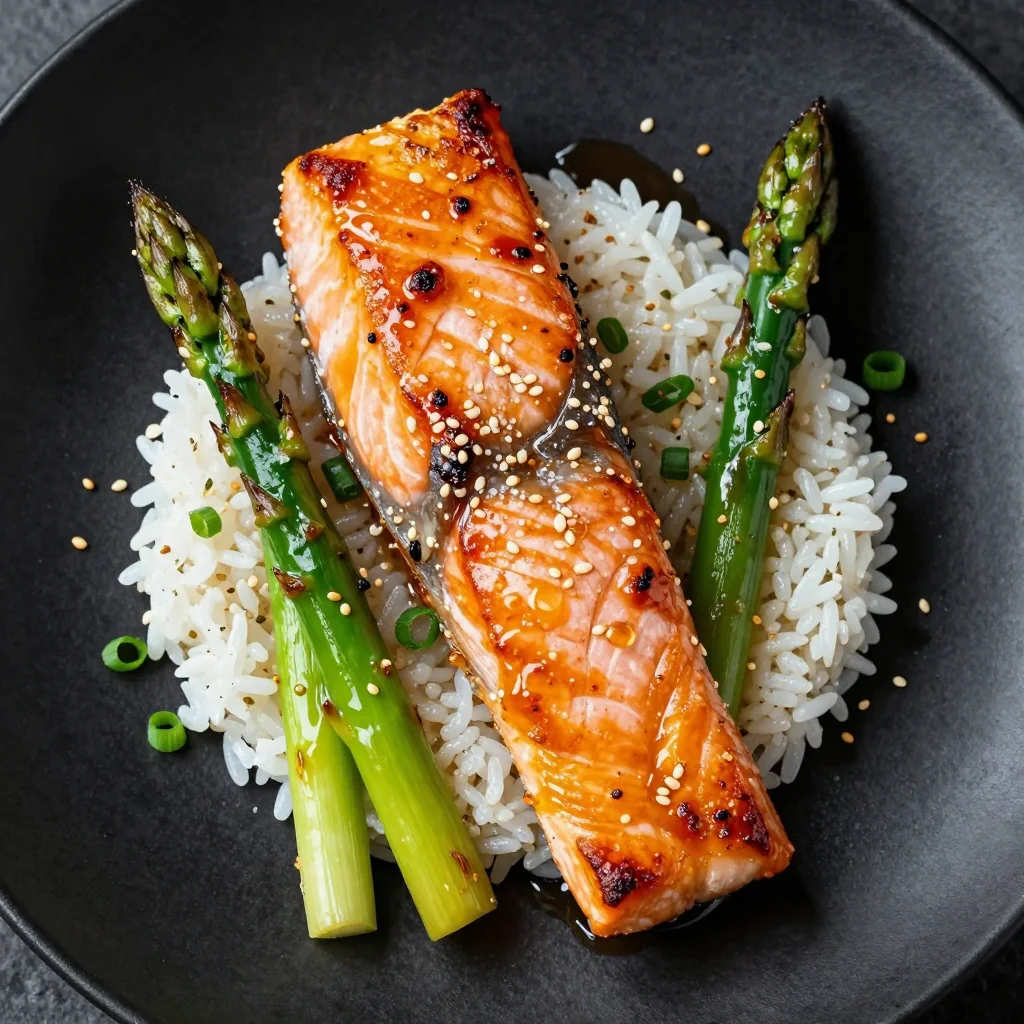
There are evenings when the clock strikes six and my stomach starts composing love songs to whatever’s fastest from fridge to fork. Enter this honey-sriracha glazed salmon: a dish that feels restaurant-level fancy yet is faster than ordering take-out, cheaper than a delivery fee, and infinitely more delicious than a sad desk salad. I first threw it together on a rainy Tuesday when the only protein left in the house was a lonely salmon fillet and a half-used bottle of sriracha whispering “use me.” Ten minutes later my husband walked into a kitchen perfumed with caramelized honey, garlic, and that unmistakable sweet-heat that makes your eyelids flutter. One bite and we both agreed: this needed to be on permanent rotation. Since then it’s been the meal I lean on for last-minute guests, meal-prep lunches, and those “I need something heroic in under 20 minutes” nights. It’s naturally gluten-free, packed with omega-3s, and pairs with everything from steamed rice to crispy broccolini. If you can hold a whisk, you can master this recipe—no culinary degree required.
Why This Recipe Works
- One-pan wonder: salmon and glaze cook together in a single skillet—minimal dishes, maximum flavor.
- Speedy sweet-heat balance: honey tames sriracha’s fire so every bite is glossy, sticky perfection without scorching your palate.
- Pantry staples: if you own soy sauce, honey, and garlic you’re 90 % there—no specialty store run required.
- Fail-proof technique: starting the fillets skin-side down in a cold skillet renders the fat and keeps flesh silky.
- Meal-prep champion: flaked leftovers elevate salads, rice bowls, and tacos all week.
- Customizable heat: dial the sriracha up or down to keep tiny taste buds or spice fiends equally happy.
- Restaurant glaze without corn syrup: honey reduces into a shiny lacquer naturally—no artificial thickeners.
Ingredients You'll Need
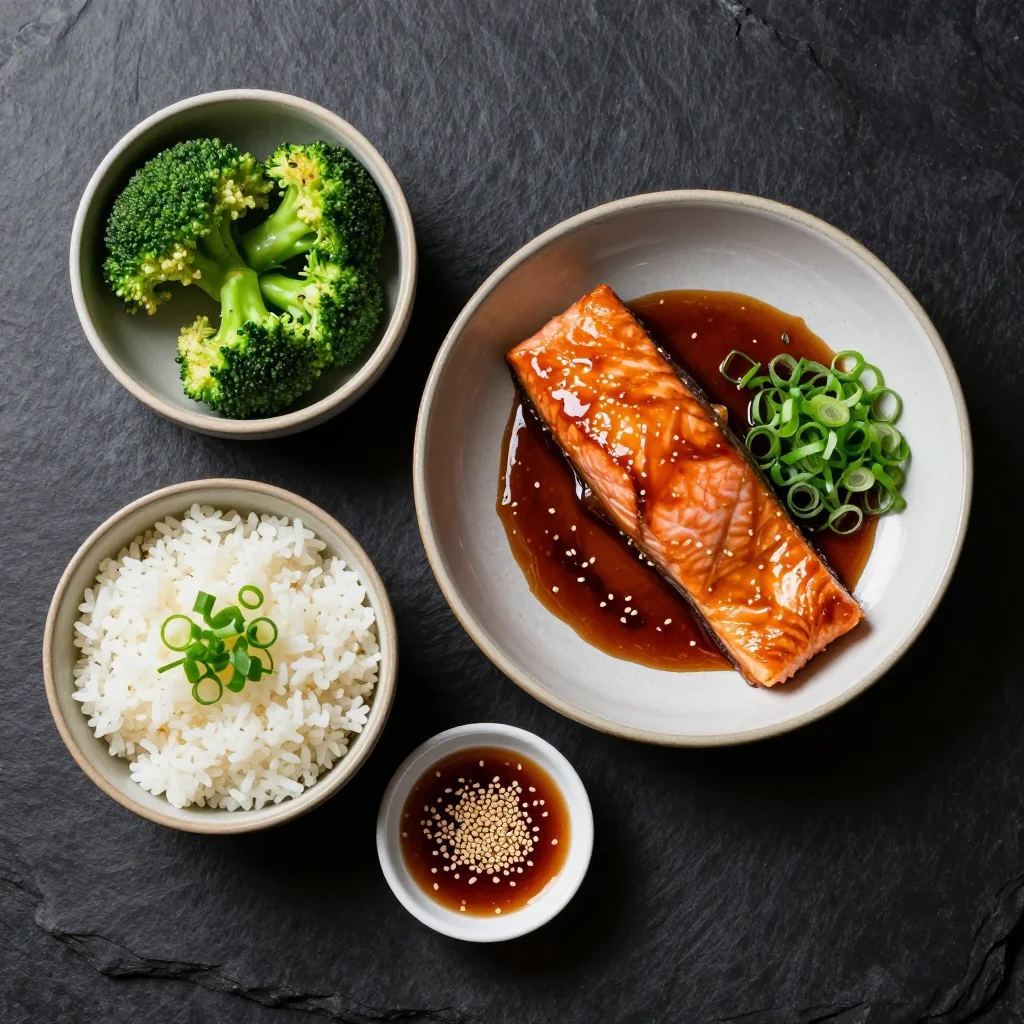
Great salmon starts at the seafood counter. Look for fillets that smell like the ocean, not fishy—if your nose wrinkles, keep walking. I prefer center-cut pieces 1¼–1½ inches thick; they stay juicy under the glaze. Wild-caught Alaskan sockeye delivers that vivid coral color and robust flavor, but responsibly farmed Atlantic works in a pinch and is often more budget-friendly for weeknight dinners. Ask your fishmonger to remove pin bones or run your fingers along the flesh; anything sharp gets tweezed out.
Honey is the backbone of our glaze. A mild clover or orange-blossom variety lets the sriracha shine, while darker buckwheat honey adds malty depth if you want extra complexity. Swap in maple syrup for a vegan version—it caramelizes faster, so shave 30 seconds off the simmer.
Sriracha is next. The familiar rooster-brand bottle is reliable, but if you’re partial to a craft chili-garlic sauce, go for it. Taste first; some artisan versions are saltier, so adjust soy accordingly.
Speaking of soy, low-sodium keeps the glaze from becoming a salt lick. For gluten-free diners, tamari or coconut aminos work seamlessly. Coconut aminos are slightly sweeter, so you may want an extra squirt of sriracha for balance.
Fresh garlic beats powder here. Mince it superfine so it dissolves into the glossy sauce rather than burning in the skillet. In a rush? A generous scoop of jarred grated garlic still beats skipping it.
Rice vinegar brightens the sticky honey. No rice vinegar? Mix equal parts white vinegar and lime juice for a similar gentle tang.
Finally, a whisper of sesame oil lends nutty aroma; a little goes miles. Store it in the fridge to keep it from turning rancid—your future stir-fries will thank you.
How to Make Honey Sriracha Glazed Salmon for Weeknight Dinner
Pat and season the fillets
Remove salmon from the fridge 10 minutes prior—room-temp fish cooks evenly. Blot both sides dry with paper towels; moisture is the enemy of sear. Sprinkle flesh side with ½ tsp kosher salt and ¼ tsp black pepper per fillet. If you like an extra kick, add a pinch of smoked paprika.
Whisk the glaze
In a small bowl combine 3 Tbsp honey, 2 Tbsp sriracha, 1 Tbsp low-sodium soy, 1 tsp rice vinegar, 1 tsp minced garlic, and ¼ tsp sesame oil. Stir until satin-smooth. The mixture should coat the back of a spoon; if it’s watery, your honey may be thin—add an extra ½ tsp to thicken.
Cold-pan trick
Place salmon skin-side down in a heavy stainless or cast-iron skillet—do not preheat the pan. Cold start renders the fat under the skin, yielding crisp crackling without curling. Turn heat to medium-high and set a timer for 4 minutes. Resist the urge to poke; the flesh naturally releases when ready.
Flip and brush
When the skin crisps (edges turn amber), flip fillets with a thin fish spatula. Immediately brush half of the glaze over the cooked flesh. Reduce heat to medium; cook 2 minutes. The honey will bubble and begin to lacquer.
Glaze again and finish
Flip once more so the skin side faces down. Brush remaining glaze over the top, letting it seep into the flaky layers. Cook 1–2 minutes more, spooning any pooled syrup over the fish. Total cook time: 8–9 minutes for medium. Salmon is done when it flakes but still blushes coral at the center.
Rest and shine
Transfer fillets to a warm plate, tent loosely with foil, and rest 3 minutes. Resting redistributes juices so every forkful is succulent. While you wait, squeeze a lime wedge over the pan drippings, swirl, and pour this quick pan sauce over the salmon for extra gloss.
Garnish and serve
Sprinkle with toasted sesame seeds, thinly sliced scallions, and a few cilantro leaves for freshness. Pair hot with steamed jasmine rice and quick-blanched snow peas to sop up every drop of that sticky glaze.
Expert Tips
Check temp, not clock
Salmon is perfectly moist at 125 °F (52 °C) for medium or 135 °F (57 °C) if you like it more opaque. An instant-read thermometer beats guessing every time.
Deglaze for extra sauce
After the fillets rest, splash 2 Tbsp water into the hot pan and scrape those caramelized bits; you’ll score an extra spoonful of glossy sauce without extra calories.
Freeze individual portions
Buy a whole side of salmon when on sale, cut into 6-oz portions, freeze on a tray, then store in a zip bag. Thaw overnight and you’re always 15 minutes away from dinner.
Double the glaze
If you love saucy rice bowls, whisk together a second batch and simmer it separately while the salmon cooks; drizzle generously at the table.
Skin-on = built-in insulation
Even if you don’t plan to eat the skin, leave it on during cooking; it protects the delicate flesh underneath from direct heat and prevents overcooking.
Color = caramelization cue
When the glaze turns from bright red to deep mahogany, it’s ready. Pull it off the heat 30 seconds before you think—it continues darkening in the hot pan.
Variations to Try
-
Orange-Ginger Twist: Swap rice vinegar for fresh orange juice and grate ½ tsp ginger into the glaze. Zest the orange over finished plates for sunny aroma.
-
Pineapple Sriracha: Whisk 1 Tbsp pineapple purée into the sauce; the enzymes tenderize the salmon and add tropical sweetness.
-
Blackened Cajun: Dust fillets with 1 tsp Cajun seasoning before searing, then proceed with original glaze for a spicy two-layer effect.
-
Miso Upgrade: Reduce soy to 2 tsp and whisk 1 tsp white miso into the glaze for salty-umami depth reminiscent of Nobu-style black cod.
-
Air-Fryer Option: Cook salmon at 400 °F (200 °C) for 7 minutes, brush with glaze, then air-fry 2 more minutes until caramelized.
Storage Tips
Cool leftover salmon completely, then refrigerate in an airtight container up to 3 days. For best texture, reheat gently: place fillet in a covered skillet with a splash of water over low heat for 4 minutes or microwave at 50 % power for 60-second bursts just until warmed through. Overcooking will turn the glaze sticky-tough and the flesh chalky.
To freeze, flash-freeze individual portions on a parchment-lined tray until solid, then wrap tightly in plastic and foil, or vacuum-seal. Freeze up to 2 months. Thaw overnight in the fridge and reheat as above. The glaze may lose a bit of shine, but a quick brush of fresh honey-sriracha mix revives it.
Flaked leftovers keep beautifully in lunch-boxes: layer cold rice, edamame, thin cucumber strips, and shredded salmon; drizzle with a little sesame-lime dressing for a protein-packed grain bowl that holds up till noon.
Frequently Asked Questions
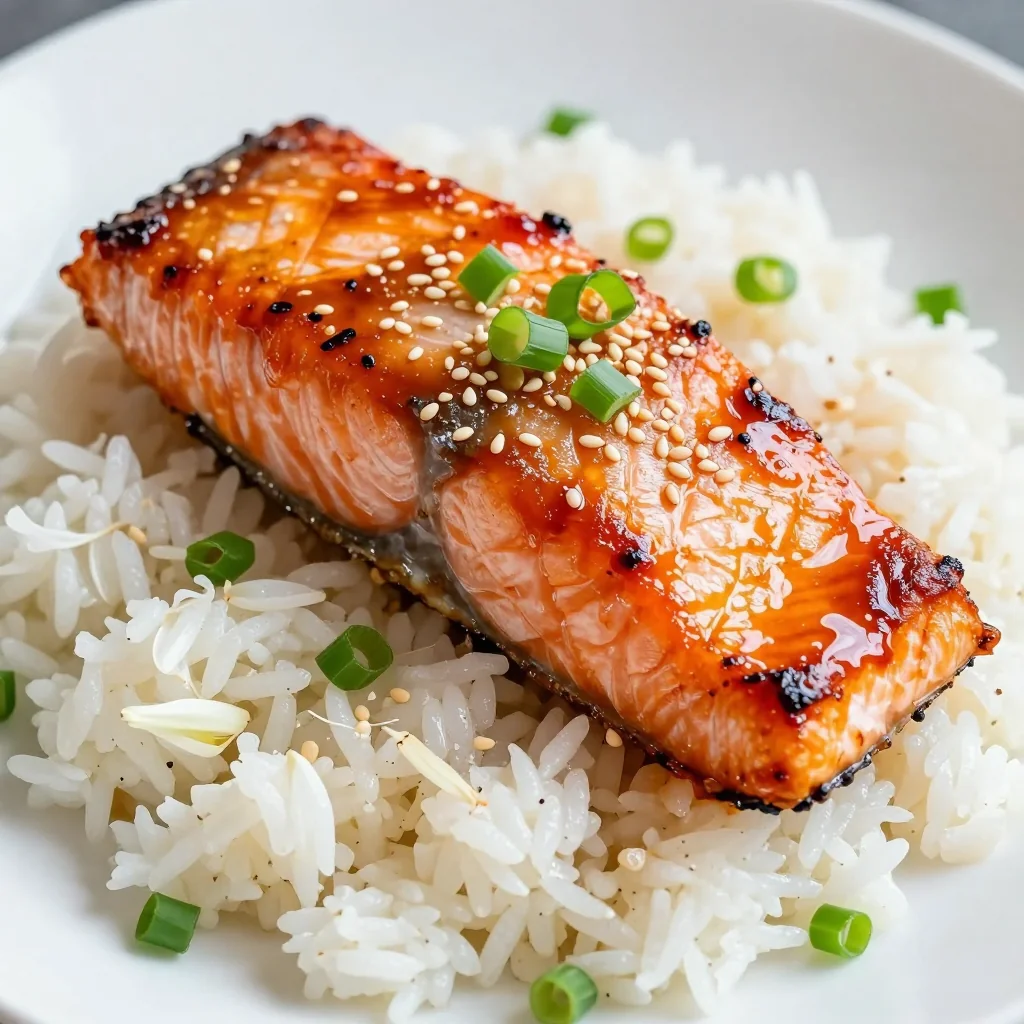
Honey Sriracha Glazed Salmon for Weeknight Dinner
Ingredients
Instructions
- Season: Pat salmon dry; season flesh side with salt and pepper.
- Make glaze: Whisk honey, sriracha, soy, vinegar, garlic, and sesame oil until smooth.
- Cold-pan sear: Place salmon skin-side down in a cold skillet; turn heat to medium-high. Cook 4 minutes.
- Glaze & flip: Flip fillets; brush half of the glaze on the cooked side. Cook 2 minutes.
- Final glaze: Flip again; brush remaining glaze on top. Cook 1–2 minutes, spooning sauce over. Internal temp 125–130 °F for medium.
- Rest & serve: Rest 3 minutes, garnish, and serve hot with rice and veggies.
Recipe Notes
For extra-crispy skin, press fillets gently with a spatula during the first 2 minutes. Reduce sriracha to 1 Tbsp for mild or double for brave palates.