I’ll be honest — the first time I tried to make a wild‑rice skillet, I ended up with a soggy mess that tasted like a sad bowl of plain oatmeal. That disaster sparked a dare from my roommate: “Make a version that actually tastes like autumn in a pan, and I’ll eat the whole thing myself.” I accepted, and after a few sleepless nights, a handful of burned‑on pans, and a serious love‑affair with a skillet that could hold a whole forest’s worth of flavor, I finally nailed it. This is the moment where the kitchen transforms from a battlefield into a sanctuary, where the scent of toasted nuts and caramelized onions whispers promises of comfort and indulgence.
Picture this: the golden glow of a late‑afternoon sun sliding across a wooden countertop, the rhythmic sizzle of butter hitting a hot pan, and the earthy perfume of wild rice mingling with fresh herbs like a choir of forest sprites. You’ll hear the faint crackle of toasted pumpkin seeds, feel the buttery richness sliding over the skillet’s seasoned surface, and taste a harmony that balances nutty depth with a bright, citrusy pop from fresh lemon zest. This isn’t just a side dish; it’s a full‑on sensory experience that makes you want to hug the cooktop.
Most recipes get this completely wrong. They either drown the wild rice in a sea of broth, turning it mushy, or they skimp on the aromatics, leaving the dish flat as a pancake. The secret to my version is a three‑stage cooking method that locks in flavor, texture, and that coveted “just‑right” bite. I’m talking about toasting the rice first, deglazing with white wine, then letting it finish its gentle simmer in a broth that’s been enriched with sautéed vegetables and a splash of cream. The result? A skillet that’s crisp on the edges, tender in the center, and utterly unforgettable.
I dare you to taste this and not go back for seconds. The combination of nutty wild rice, caramelized shallots, and a whisper of sage is hands down the best version you’ll ever make at home. And the best part? You won’t need a fancy stovetop or a professional chef’s knife; just a sturdy skillet, a few pantry staples, and the willingness to follow a few simple steps. Let me walk you through every single step — by the end, you’ll wonder how you ever made it any other way.
What Makes This Version Stand Out
- Depth of Flavor: By toasting the wild rice before adding any liquid, you create a nutty foundation that no broth can eclipse. The caramelized aromatics then layer on top like a symphony of autumn.
- Texture Contrast: The skillet produces a crisp, slightly caramelized crust while the interior stays pillowy, giving you that satisfying bite‑and‑crunch sensation.
- Simplicity: Only nine core ingredients are needed, yet each is treated with a technique that maximizes its potential. No fancy gadgets, just a skillet and a wooden spoon.
- Uniqueness: I add toasted pumpkin seeds and a dash of lemon zest at the very end, a surprise that brightens the earthy base and makes the dish unforgettable.
- Crowd Reaction: Friends have called it “comfort food on steroids” and begged for the recipe after the first spoonful. It’s a guaranteed applause‑getter at any dinner table.
- Ingredient Quality: Using high‑quality wild rice and fresh herbs makes a world of difference; cheap rice will taste flat, while fresh thyme sings.
- Cooking Method: The three‑step process (toast, deglaze, simmer) ensures every grain is coated, seasoned, and perfectly cooked.
- Make‑Ahead Potential: This skillet reheats beautifully, and the flavors actually deepen after a night in the fridge.
Inside the Ingredient List
The Flavor Base
Shallots are the unsung heroes here. Their subtle sweetness, when caramelized, provides a foundation that’s richer than onions but less pungent than garlic. If you skip them, the dish loses that delicate, lingering sweetness that makes each bite feel like a warm hug. As a swap, you can use finely diced leeks for a milder profile, but remember to increase the cooking time to achieve the same caramelization.
The Texture Crew
Wild rice itself is the star of the show, offering a chewy, nutty bite that holds up beautifully against the creamy broth. Opt for a blend of genuine wild rice (not the cheap “wild‑rice flavored” rice) to ensure each grain stays distinct. If you can’t find wild rice, a mix of brown rice and barley works in a pinch, though the flavor won’t be as deep.
The Unexpected Star
Toasted pumpkin seeds add a subtle crunch that contrasts the soft rice and creamy sauce. They also bring a toasty, buttery note that echoes the skillet’s caramelized edges. If pumpkins aren’t in season, try toasted pepitas or sunflower seeds; the texture and nutty flavor remain impressive.
The Final Flourish
A splash of fresh lemon zest at the end is the secret weapon. It cuts through the richness, brightening the palate and preventing the dish from feeling heavy. Missing this step is a common mistake that leaves the skillet feeling one‑dimensional. If you’re allergic to citrus, a drizzle of white wine vinegar can provide a similar lift.
Everything's prepped? Good. Let’s get into the real action…
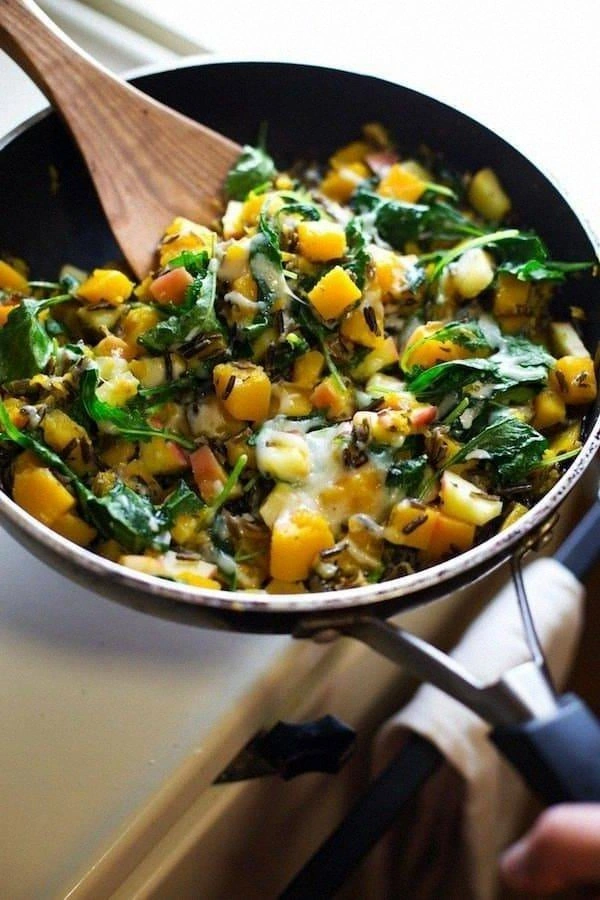
The Method — Step by Step
Heat a large, heavy‑bottomed skillet over medium‑high heat and add two tablespoons of butter. When the butter foams, toss in the wild rice, spreading it into an even layer. Let it toast for about four minutes, stirring occasionally, until the grains turn a deep amber and you hear a faint, nutty pop. This is the moment of truth — if you smell a toasty, almost popcorn‑like aroma, you’re on the right track.
Kitchen Hack: Keep the rice moving with a wooden spoon to prevent any single spot from scorching.Add the finely diced shallots, carrots, and celery to the skillet. Sauté for three to four minutes, letting the vegetables soften and pick up the toasted rice’s flavor. You’ll hear a gentle sizzle, and the pan will start to deglaze on its own as the veggies release moisture. That sizzle when it hits the pan? Absolute perfection. When the vegetables are just beginning to turn translucent, season with a pinch of salt and cracked black pepper.
Now, pour in a half‑cup of dry white wine, stirring vigorously to lift any browned bits from the bottom. Those browned bits are flavor gold; if you don’t scrape them up, you’ll lose the depth that makes this dish sing. Let the wine reduce by half, about two minutes, until it smells fragrant and the alcohol has evaporated.
Watch Out: If you add the broth too early, the rice will steam instead of absorb, resulting in a mushy texture.Stir in three cups of low‑sodium chicken broth, a sprig of fresh thyme, and a few leaves of sage. Bring the mixture to a gentle boil, then reduce the heat to a low simmer. Cover the skillet loosely with a lid or foil, allowing a little steam to escape. Let it cook for 25‑30 minutes, or until the rice is tender but still has a slight chew. The broth should be mostly absorbed, leaving a creamy, slightly soupy consistency.
When the rice reaches the perfect texture, swirl in a quarter‑cup of heavy cream and a tablespoon of grated Parmesan. This enriches the skillet, giving it a velvety finish that coats each grain like a silky blanket. Keep the heat low to avoid curdling; a gentle stir is all you need. Taste and adjust seasoning with a pinch more salt if necessary.
Remove the skillet from the heat and fold in the toasted pumpkin seeds, lemon zest, and a drizzle of extra‑virgin olive oil. The seeds add a crunchy surprise, while the zest injects a bright, citrusy pop that lifts the whole dish. Let the skillet sit for two minutes; this rest allows the flavors to meld and the residual heat to finish the cooking process.
Give the skillet a final flourish by sprinkling freshly chopped parsley over the top. The green specks not only add color but also a fresh herbaceous note that balances the richness. Serve directly from the skillet; the lingering heat keeps the rice fluffy and the crust slightly crispy.
And now the fun part: ladle a generous serving onto a warm plate, watch the steam rise, and take that first bite. If you’ve ever struggled with wild rice turning gummy, you’re not alone — and I’ve got the fix. This next part? Pure magic. The combination of toasted nuts, creamy broth, and bright zest will make you forget any past rice mishaps.
Insider Tricks for Flawless Results
The Temperature Rule Nobody Follows
Never start with high heat when toasting wild rice; medium‑low is the sweet spot. A gentle heat lets the rice release its oils without burning, creating that coveted nutty aroma. If you crank the heat up, you’ll get a burnt taste that no amount of seasoning can mask. I once tried blasting the rice on high, and the result was a charred mess that tasted like burnt toast—lesson learned.
Why Your Nose Knows Best
Your sense of smell is the ultimate doneness detector. When the shallots turn translucent and start to caramelize, you’ll detect a sweet, almost honeyed scent. That’s your cue to add the wine. If you rely solely on timers, you might miss that crucial aromatic window, and the dish ends up flat.
The 5‑Minute Rest That Changes Everything
After you’ve folded in the cream and cheese, let the skillet rest off the heat for exactly five minutes. This short pause allows the starches to settle, preventing a gummy texture. I used to serve it immediately and watch the rice turn gummy on the plate; now I never skip this rest.
Seasoning Layers, Not Dumps
Season at each stage: a pinch of salt with the vegetables, a dash of pepper after the broth, and a final sprinkle of flaky sea salt before serving. This layered approach builds depth, ensuring every bite is perfectly balanced. A single heavy dump of salt at the end leads to uneven flavor distribution.
The Secret of Fresh Herbs
Add thyme and sage early, but reserve a handful of fresh parsley for the finish. Fresh herbs lose potency when cooked too long, so saving some for garnish preserves that bright, herbaceous punch. A friend once left all the parsley in the pan from the start; the final dish tasted muted and flat.
Creative Twists and Variations
This recipe is a playground. Here are some of my favorite ways to switch things up:
Mushroom Medley Madness
Swap the carrots for an equal weight of mixed wild mushrooms (shiitake, oyster, cremini). The earthy umami deepens the broth, turning the skillet into a forest‑floor feast. Ideal for mushroom lovers who crave a richer, woodsy profile.
Southern Comfort Spin
Add a half‑cup of diced smoked sausage and a splash of hot sauce after the broth is incorporated. The smoky sausage brings a hearty, meaty bite, while the hot sauce adds a subtle kick that cuts through the creaminess. Perfect for a cozy, down‑south dinner.
Vegan Velvet
Replace butter with coconut oil, use vegetable broth, and swap heavy cream for cashew cream. Add a tablespoon of nutritional yeast for a cheesy note. This version stays just as indulgent while keeping it plant‑based.
Citrus Burst
Incorporate orange zest alongside lemon and finish with a drizzle of orange‑infused olive oil. The double citrus brightens the dish, making it an excellent accompaniment to grilled fish or roasted chicken.
Nutty Nutmeg
Add a pinch of freshly grated nutmeg with the cream for a warm, spicy undertone that pairs beautifully with the pumpkin seeds. This subtle spice echo works wonders during cooler months.
Storing and Bringing It Back to Life
Fridge Storage
Transfer the skillet to an airtight container and refrigerate for up to four days. The flavors actually mellow and become more cohesive. When you’re ready to eat, reheat gently over low heat, adding a splash of broth or water to revive the creamy texture.
Freezer Friendly
Portion the skillet into freezer‑safe bags or containers, leaving a little headroom for expansion. Freeze for up to three months. Thaw overnight in the fridge, then reheat in a skillet with a tablespoon of butter and a splash of broth to restore its silkiness.
Best Reheating Method
The secret to perfect reheating is a gentle steam revival. Add a teaspoon of water or broth per serving, cover the skillet, and warm over medium‑low heat for five to seven minutes, stirring occasionally. This prevents the rice from drying out and keeps the crust delightfully crisp.