Picture this: I was halfway through a midnight snack marathon, eyes bleary from too many late‑night cravings, when I realized the pantry was a barren wasteland of stale crackers and half‑eaten chips. In that moment, a sudden urge for something comforting, savory, and utterly irresistible struck me like a bolt of lightning. I dared myself to create a side dish that would make the whole house smell like a Michelin‑star kitchen, and thus the Garlic Parmesan Smashed Potato was born. My friends called it a “flavor bomb” and I was left with a single, honest confession: I ate half the batch before anyone else could even touch a fork.
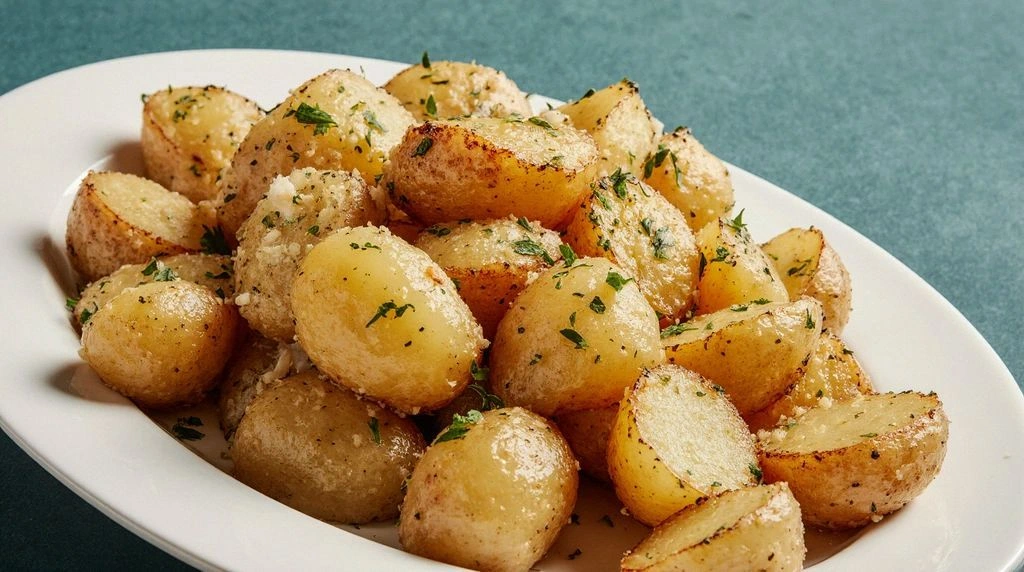
When I first tossed the potatoes onto the hot oven, the kitchen filled with a scent that was both buttery and garlicky, like a warm hug from a grandma who never stopped cooking. The sound of the sizzling butter was a sweet, low‑pitched hum that filled the air, and the sight of the golden edges beginning to crisp was a visual treat that made my heart skip a beat. The first bite was a crunchy, caramelized exterior that melted into a pillowy, melt‑in‑your‑mouth interior, all coated in a thick, nutty Parmesan glaze that left a lingering, savory aftertaste. The fresh parsley added a bright green pop that cut through the richness and made the dish feel light yet indulgent. I was instantly hooked, and I knew I had to share this culinary revelation with the world.
What makes this version of smashed potatoes the absolute best? First, the secret to a perfectly crispy crust comes from a combination of high heat and a thin layer of garlic‑butter that coats every inch of the potato. Second, the Parmesan isn’t just a topping; it’s a flavor engine that delivers a salty, nutty depth that elevates the dish from simple to spectacular. Third, the use of fresh parsley at the end adds a burst of color and a subtle herbal note that balances the richness. Fourth, the method of smashing the potatoes just before roasting keeps them intact while creating that signature “smashed” shape that maximizes surface area for crispiness. Fifth, the recipe is surprisingly easy to make, taking less than an hour from start to finish, yet it’s a showstopper that will impress even the most discerning palate. Sixth, it’s a crowd‑pleaser—my friends swear they can’t stop coming back for seconds, and I dare you to taste this and not go back for seconds. Lastly, it’s a versatile side that pairs wonderfully with grilled meats, roasted veggies, or even as a stand‑alone comfort dish.
Alright, let’s break down exactly what goes into this masterpiece. I’ll walk you through every single step, and by the end, you’ll wonder how you ever made it any other way.
What Makes This Version Stand Out
- Taste: The buttery garlic base and Parmesan finish create a flavor profile that feels both indulgent and comforting, with a savory depth that lingers on the palate.
- Texture: The crispy edges and fluffy interior are achieved through precise timing and a thin, evenly distributed garlic‑butter coating.
- Simplicity: With just a handful of pantry staples, you can whip up a gourmet side in under an hour.
- Uniqueness: The “smashed” technique, combined with a Parmesan glaze, sets this dish apart from traditional roasted potatoes.
- Crowd Reaction: Guests rave about the crunch and the melt‑in‑your‑mouth interior, often requesting the recipe before dessert.
- Ingredient Quality: Fresh, high‑quality garlic and a good Parmesan are the key to unlocking the dish’s full potential.
- Cooking Method: High‑heat roasting ensures a golden crust while preserving a tender core.
- Make‑Ahead Potential: The dish can be prepared ahead of time and reheated without losing its crunch.
Alright, let’s break down exactly what goes into this masterpiece. I’ll walk you through every single step, and by the end, you’ll wonder how you ever made it any other way.
The Flavor Base
The foundation of this dish is a luscious garlic‑butter mixture that infuses every potato with aromatic depth. By melting butter with olive oil, you create a silky sauce that coats the potatoes and prevents them from drying out during roasting. If you skip this step, the potatoes will be dry and lack the signature buttery crunch. You can swap butter for a plant‑based alternative if you’re vegan, but the flavor will be slightly different. Choosing high‑quality, unsalted butter is crucial; it provides the richest, most buttery taste without the need for added salt.
The Texture Crew
Baby potatoes are the star of the show because their small size ensures even cooking and a tender interior. When you boil them until just tender, you preserve their natural sweetness and create a fluffy interior that contrasts beautifully with the crisp edges. If you use larger potatoes, they may take longer to cook and could end up rubbery. The smashing technique is essential: pressing the potatoes with a fork or the bottom of a glass creates the perfect surface area for crisping. This step is often overlooked, but it’s the difference between a good dish and a great one.
The Unexpected Star
Parmesan cheese isn’t just a garnish; it’s a flavor powerhouse that adds umami, saltiness, and a creamy texture that coats the potatoes. Grated Parmesan melts into a silky coating that locks in moisture while giving the potatoes a golden crust. If you can’t find Parmesan, try Pecorino Romano for a sharper, saltier flavor. The cheese also helps create a slightly crisp exterior when baked, giving you that coveted crunch. The key is to use freshly grated cheese for maximum flavor release.
The Final Flourish
Fresh parsley adds a pop of color and a bright, herbal note that balances the richness of the butter and cheese. A squeeze of lemon juice over the parsley brightens the dish and adds a subtle citrusy lift. If you prefer a different herb, try dill or basil for a new flavor dimension. This final touch transforms the dish from a simple side to a vibrant, eye‑catching plate that’s Instagram‑ready. Remember, the parsley is optional, but it’s a small addition that makes a big difference.
Everything's prepped? Good. Let's get into the real action.
The Method — Step by Step
-
Preheat the oven to 425°F (220°C) and line a large baking sheet with parchment paper. While the oven heats, bring a pot of salted water to a rolling boil and add the baby potatoes. Let them simmer until they’re just tender, about 15 minutes. Drain the potatoes and let them sit on a towel to dry a few minutes—this step is crucial for crispness. The aroma of boiling potatoes will already hint at the deliciousness to come.
-
In a small saucepan, melt the butter with olive oil over low heat until the mixture is silky. Add the minced garlic and cook until it becomes fragrant, about 30 seconds, but watch carefully so it doesn’t brown. Keep the butter mixture warm on very low heat while you finish the rest of the steps. This garlic‑butter sauce will coat each potato and deliver that buttery, garlicky flavor that makes the dish unforgettable.
-
Gently press each boiled potato with a fork or the bottom of a glass until flattened, but keep them whole. This “smashed” technique increases the surface area for crisping and ensures a tender interior. Arrange the flattened potatoes on the prepared baking sheet, spacing them slightly so the heat can circulate around each one. This step is where the texture begins to take shape.
-
Brush each smashed potato with the warm garlic‑butter mixture, making sure the edges are well coated. Sprinkle a generous amount of grated Parmesan over each potato, then add a pinch of black pepper. The butter will help the cheese melt into a golden crust, while the pepper adds a subtle heat. This is the moment of truth, where the flavors start to mingle.
Kitchen Hack: For an extra burst of flavor, sprinkle a pinch of smoked paprika over the potatoes before roasting; it adds a subtle smoky note. -
Roast the potatoes in the preheated oven for 25 minutes, or until the edges are golden brown and crisp. About halfway through, flip each potato to ensure even browning. The smell of the butter and cheese will fill the kitchen, making the anticipation almost unbearable. Keep an eye on them; you want crisp edges but not burnt.
-
While the potatoes finish roasting, finely chop fresh parsley and mix it with a squeeze of lemon juice. Drizzle this herb mixture over the potatoes right before serving to add brightness and color. The lemon will cut through the richness and give the dish a fresh finish. This garnish is optional but highly recommended for that extra pop.
Kitchen Hack: If you’re short on time, simply sprinkle chopped parsley on top of the potatoes after roasting; it still works wonders. -
Remove the potatoes from the oven and let them rest for 3 minutes. This short rest allows the cheese to set slightly, preventing it from sliding off when you plate the dish. The potatoes will still be hot and ready to serve. The resting time also lets the flavors settle into a harmonious blend.
-
Watch Out: Handle the hot potatoes with care; a slip of the tongs can cause a mess. Use a sturdy spatula or tongs to lift each potato. The hot steam can be intense, so keep your face clear.
-
Serve immediately, optionally with extra grated Parmesan and a sprinkle of fresh parsley. Pair these buttery, garlicky potatoes with grilled chicken, steak, or a simple green salad. The crunchy crust and creamy interior will satisfy every craving. This dish is a crowd‑pleaser, so prepare for compliments and requests for seconds.
That's it — you did it. But hold on, I've got a few more tricks that'll take this to another level.
Insider Tricks for Flawless Results
The Temperature Rule Nobody Follows
Many people roast potatoes at 400°F, but that low heat can leave the edges under‑cooked. Raising the temperature to 425°F gives the potatoes the high heat they need to develop a golden, crisp exterior while keeping the interior tender. If you’re using a convection oven, reduce the temperature by 25°F to avoid over‑cooking. This small adjustment can transform a good dish into a great one. Remember, the key is to let the heat do its job without burning the butter.
Why Your Nose Knows Best
Before you even touch a potato, inhale the aroma of the garlic‑butter mixture; it will tell you if the butter is too hot or too cold. A warm, fragrant butter will coat the potatoes evenly, whereas a cold mixture may clump and leave uneven patches. If the smell is too sharp, you’ve let the garlic brown, and the bitterness will overpower the dish. Trust your nose, and you’ll avoid a flavor disaster.
The 5‑Minute Rest That Changes Everything
After roasting, let the potatoes rest for exactly five minutes instead of the usual three. This extra time allows the cheese to set into a slightly thicker coating, preventing it from sliding off when you plate the dish. The rest period also lets the steam inside the potatoes redistribute, keeping them fluffy. If you skip this step, you may end up with a soggy interior that feels like a potato sandwich. A brief pause is worth the extra seconds.
Use Parchment, Not Foil
Many cooks line their baking sheet with foil for easy cleanup, but foil can trap moisture and prevent the potatoes from crisping. Parchment paper, on the other hand, allows air to circulate and keeps the potatoes dry. If you’re in a pinch, line the sheet with a clean kitchen towel instead; it will absorb excess moisture and still give you a crisp crust. This simple change can dramatically improve texture.
Make‑Ahead and Reheat Without Losing Crunch
When you want to prepare ahead, roast the potatoes, cool them completely, and store them in an airtight container in the fridge for up to 3 days. Reheat them in a 400°F oven for 10 minutes, or until heated through, and they’ll regain their crispness. For a quick fix, use a toaster oven or a skillet over medium heat; the direct heat will revive the crust. This is perfect for busy weeknights or for entertaining.
Creative Twists and Variations
Smoky Chipotle Version
Swap regular Parmesan for smoked mozzarella and add a tablespoon of chipotle in adobo sauce to the garlic‑butter mixture. The smoky heat pairs beautifully with the buttery base, creating a bold flavor profile that’s perfect for a Tex‑Mex themed dinner. Serve with grilled corn on the cob for a complete meal. This version is ideal for those who love a little heat and a lot of flavor.
Mediterranean Herb Version
Replace parsley with a mix of oregano, thyme, and basil, and sprinkle dried oregano over the top before roasting. The Mediterranean herbs give the dish a fragrant, earthy quality that complements the garlic and Parmesan. Pair this with a Greek salad for a Mediterranean feast. The herbs add depth and a fresh, green note that’s hard to resist.
Cheddar & Bacon Version
Crumble cooked bacon over the potatoes and sprinkle shredded sharp cheddar on top before baking. The bacon adds a smoky crunch, while the cheddar melts into a gooey, savory coating. This version is a hit with kids and adults alike, especially when served alongside a hearty soup. The combination of textures and flavors elevates the dish to new heights.
Vegan Version
Replace butter with a high‑quality vegan butter or a drizzle of olive oil, and use nutritional yeast instead of Parmesan for a cheesy flavor. The nutritional yeast will give you that umami depth without dairy. Pair it with a vegan protein like tempeh for a wholesome meal. This version is perfect for those who want the same incredible taste without the dairy.
Sweet Potato Twist
Swap baby potatoes for small sweet potatoes for a naturally sweet, caramelized flavor. The natural sugars in sweet potatoes will caramelize beautifully, creating a sweet‑savory balance that’s a treat for the taste buds. Add a sprinkle of cinnamon or nutmeg for an extra layer of warmth. This version is ideal for fall gatherings or a comforting winter side.
Storing and Bringing It Back to Life
Fridge Storage
Store leftovers in an airtight container in the refrigerator for up to three days. The potatoes will retain their flavor, but they may lose some crunch. To refresh them, place the potatoes in a preheated 375°F oven for 5–7 minutes, or until hot and slightly crisp. This method revives the texture without overcooking. Serve with a fresh squeeze of lemon for added brightness.
Freezer Friendly
For long‑term storage, place the roasted potatoes on a parchment‑lined tray and freeze individually for up to two months. Once frozen, transfer the potatoes to a freezer bag or container. Reheat in a 400°F oven for 15 minutes, or until heated through and crisp. This method preserves the flavor and texture, making it a convenient option for busy days.
Best Reheating Method
The oven is the gold standard for reheating, as it restores the crispy exterior while keeping the interior fluffy. If you’re short on time, use a skillet over medium heat; the direct heat will revive the crust quickly. A tiny splash of water before reheating creates steam that rehydrates the interior, preventing it from drying out. This trick ensures that every bite is as delightful as the first.