I still remember the first time I attempted fish tacos at home. It was a disaster of epic proportions—soggy tortillas, overcooked fish that tasted like cardboard, and a sauce so bland it could've been wallpaper paste. My dinner guests politely nibbled while I died inside. But here's the thing about culinary disasters—they either break you or send you on an obsessive quest for perfection. I chose obsession. Six months, thirty pounds of fish, and countless taste tests later, I've cracked the code to fish tacos that'll make you weep tears of joy. The fish is so perfectly seasoned it practically sings, the slaw provides that essential crunch that shatters like autumn leaves underfoot, and the sauce—oh, that sauce—coats everything in a creamy embrace that'll haunt your dreams in the best possible way.
Picture this: you're standing at your kitchen counter, the late afternoon sun streaming through the window, when you bite into a taco so good your knees actually go weak. The contrast between the crispy-edged fish and the cool, zesty slaw creates a symphony of textures. The lime hits first, bright and assertive, followed by the gentle heat of chipotle that builds slowly, like a summer romance. The corn tortilla, warm and slightly charred, serves as the perfect vehicle for this coastal masterpiece. I dare you to taste this and not go back for thirds—because seconds are guaranteed.
What makes this version different? Most recipes treat fish tacos like an afterthought, but we're building layers of flavor that would make a Mexican abuela proud. We're talking about fish that's been marinated in a citrus-herb bath that penetrates every flaky fiber. A batter so light it practically floats off the plate, yet crispy enough to provide that essential crunch. And here's the kicker—a secret ingredient in the slaw that nobody expects but everybody raves about. Stay with me here—this is worth it.
Let me walk you through every single step—by the end, you'll wonder how you ever made it any other way. This isn't just another fish taco recipe; this is the fish taco recipe that'll ruin all others for you forever. The one that your friends will beg you to make for every gathering. The one that'll have you planning dinner at 2 PM because you can't wait. Okay, ready for the game-changer?
What Makes This Version Stand Out
Flavor Bomb: We're not just sprinkling some sad pre-mixed taco seasoning on plain fish. We're creating a complex marinade that includes lime zest, orange juice, garlic that's been smashed and left to bloom in olive oil, and a blend of spices that'll make your kitchen smell like a Baja street market. The difference is night and day—this fish tastes like it was kissed by the ocean and hugged by a spice merchant.
Texture Paradise: Most fish tacos fall apart because they're either too wet or too dry. Ours achieves the perfect balance through a double-coating technique that creates a shatteringly crisp exterior while keeping the fish moist and flaky inside. The slaw isn't just chopped cabbage—it's a carefully constructed mix of textures that includes both shredded and julienned vegetables for maximum crunch.
Speed Demon: Despite tasting like you spent hours slaving away, this entire recipe comes together in under 45 minutes. The trick is in the prep order—we'll have you marinating the fish while the oil heats, mixing the slaw while the fish cooks, and warming tortillas while everything rests. If you've ever struggled with timing in the kitchen, you're not alone—and I've got the fix.
Crowd Magnet: I've served these at backyard parties where people who claimed they "don't really like fish" inhaled four tacos and asked for the recipe. Kids love them because they're fun to assemble, adults love them because they taste like vacation on a plate. Picture yourself pulling this out of the oven, the whole kitchen smelling incredible, your guests' faces lighting up like Christmas morning.
Ingredient Integrity: We're using real lime juice, not that bottled imposter. Fresh cilantro, not the dried stuff that tastes like lawn clippings. Wild-caught fish, because it actually tastes like fish instead of muddy water. These details matter more than most people realize—it's the difference between good and legendary.
Make-Ahead Magic: The sauce actually gets better after sitting for a few hours. The slaw can be prepped in the morning. The fish can be marinated overnight. This means you can do 80% of the work ahead of time and still serve something that tastes like you just whipped it up. Future pacing: imagine coming home from work, pulling pre-prepped components from your fridge, and having dinner on the table in 15 minutes.
Alright, let's break down exactly what goes into this masterpiece...
Inside the Ingredient List
The Flavor Base
The fish is the star here, and we're treating it like royalty. You want firm white fish—cod, halibut, or mahi-mahi work best. Skip the tilapia; it's too delicate and falls apart faster than my resolve at a bakery. The fish needs to be fresh enough that it doesn't smell "fishy"—it should smell like the ocean, not like something that's been sitting around. Cut it into strips about the size of your thumb, and don't be tempted to go bigger. They'll cook unevenly and you'll end up with raw centers and burnt edges.
Our marinade is where the magic begins. We're using a blend of lime juice and orange juice—the lime provides acidity and brightness, while the orange adds a subtle sweetness that balances the heat. Garlic gets smashed with the flat of your knife and left to sit in the citrus for five minutes before adding to the fish. This allicin release is pure chemistry, creating a flavor compound that penetrates the fish better than a simple mince ever could.
The Texture Crew
The batter is where most recipes go tragically wrong. They use heavy batters that taste like you're eating fried dough with a hint of fish. Not here. We're creating a tempura-style batter using ice-cold sparkling water and cornstarch. The carbonation creates air pockets that result in a lighter-than-air coating that shatters like thin ice when you bite into it. The key is keeping everything cold—pop your bowl in the freezer for ten minutes before mixing.
The slaw isn't just shredded cabbage lazily tossed with mayo. We're building a textural experience with a mix of green and red cabbage for color, jicama for extra crunch, and a dressing that includes Greek yogurt for tang and a touch of honey to balance the lime. The jicama is my secret weapon—it's like adding water chestnuts but with a subtle sweetness that plays beautifully with the savory fish.
The Unexpected Star
Here's where I lose some people, but trust me—pickled red onions. Not just any pickled onions, but ones that have been quick-pickled in apple cider vinegar with a touch of sugar and peppercorns. They add a bright pop of acidity and color that cuts through the richness of the fried fish. Most recipes skip this step, but it's what separates good tacos from life-changing ones. The onions turn a gorgeous magenta color and develop a sweet-tart flavor that makes your taste buds do a happy dance.
Chipotle peppers in adobo sauce are our heat source, but we're using them judiciously. One pepper, minced superfine, mixed into our sauce provides a smoky heat that builds slowly rather than assaulting your palate. If you've ever had fish tacos where the spice overwhelms everything else, you know why this matters. We're after complexity, not just heat for heat's sake.
The Final Flourish
Cotija cheese is non-negotiable. It's like parmesan's cooler cousin—salty, crumbly, and with a tang that makes everything else taste better. Crumble it fresh over the tacos right before serving. Pre-crumbled cheese is a crime against humanity, always tasting like cardboard and never melting properly into the warm fillings.
Fresh cilantro is controversial, I know. But here's the thing—if you think you hate cilantro, you might actually hate old cilantro. Fresh cilantro has a bright, citrusy flavor that complements the fish perfectly. If you're a genetic cilantro-hater, substitute fresh parsley with a squeeze of lime. Don't skip the herbs entirely; they provide an essential fresh element that cuts through the fried components.
Everything's prepped? Good. Let's get into the real action...
The Method — Step by Step
- Start with the marinade because it needs at least 20 minutes to work its magic, but honestly, longer is better. In a shallow dish that's just big enough to hold your fish in a single layer, whisk together the lime juice, orange juice, minced garlic, olive oil, and spices. The mixture should look like liquid gold with flecks of green from the oregano. Add your fish strips, turning each piece to ensure it's completely coated. Cover with plastic wrap pressed directly onto the surface—this prevents the citrus from oxidizing and turning the fish mushy. Pop this in the fridge and set a timer for 20 minutes. Don't go longer than 30 minutes or the acid will start cooking the fish, and you'll end up with ceviche instead of taco filling.
- While the fish marinates, let's tackle the pickled onions because they need time to transform from harsh raw slices into tangy, jewel-toned ribbons. Thinly slice half a red onion—use a mandoline if you have one, but a sharp knife works fine. In a small saucepan, combine apple cider vinegar, water, sugar, and salt. Bring this to a boil, then pour it over the onions in a heatproof bowl. The onions will turn from purple to hot pink in about five minutes. Let them sit at room temperature while you continue with the rest of the prep. The kitchen will start smelling like a taqueria, and your neighbors will probably show up uninvited.
- Now for the slaw, which is where most home cooks go wrong by making it too wet. Start with your cabbage—remove the tough outer leaves and cut it into quarters. Remove the core, then slice it as thin as you possibly can. The thinner the cut, the better the texture. Grate the jicama using the large holes of a box grater, but stop when you get to the fibrous core. In a separate bowl, whisk together Greek yogurt, lime juice, honey, and a pinch of salt. The honey is crucial—it balances the acidity and helps the dressing cling to the vegetables. Toss the vegetables with just enough dressing to coat them lightly. They should glisten, not swim. Cover and refrigerate until ready to use. The slaw will actually improve as it sits, the salt drawing moisture from the vegetables and creating its own dressing.
- The sauce is where we separate the amateurs from the pros. In a small bowl, combine mayonnaise, Greek yogurt, chipotle pepper, lime juice, and a touch of honey. The key is to mince the chipotle so fine it's practically a paste—nobody wants a big bite of pure heat. Add the adobo sauce a teaspoon at a time, tasting as you go. You want smoky heat, not face-melting spice. The sauce should be the consistency of thin yogurt, able to drizzle but not run everywhere. Cover and refrigerate for at least 15 minutes to let the flavors meld. This is the moment of truth—taste it and adjust. Need more acid? Add lime. Too spicy? More yogurt. Not hot enough? Another chipotle.
- Time to set up your breading station because organization is everything when you're frying. You'll need three shallow dishes: flour seasoned with salt and pepper, beaten eggs, and your tempura batter. The tempura batter should be mixed just before you're ready to cook—combine cornstarch, flour, baking powder, and ice-cold sparkling water. Stir it exactly ten times. Yes, count. Over-mixing develops gluten and gives you heavy, chewy coating. The batter should be lumpy and thick enough to coat your finger but thin enough to drip off slowly. Keep it in a bowl set over ice to maintain the chill.
- Heat your oil in a heavy-bottomed pot or deep cast-iron skillet. You want it at 375°F—use a thermometer because guessing is for people who like eating burnt food. While the oil heats, remove the fish from the marinade and let the excess drip off. Pat each piece dry with paper towels—this is crucial for proper browning. Set up your station: fish, flour, eggs, batter, then a wire rack set over a baking sheet. Work in batches of 4-5 pieces to avoid crowding the pan. Don't walk away from the stove here; hot oil waits for no one.
- Dredge each piece of fish in seasoned flour, shaking off the excess. Dip in egg, letting the excess drip off, then into the tempura batter. Use tongs to gently lower the fish into the oil. It should sizzle immediately and start turning golden within 30 seconds. Cook for 2-3 minutes, turning once, until the coating is deep golden and the fish is cooked through. Don't worry if some pieces are prettier than others—they'll all taste amazing. Transfer to the wire rack and keep warm in a 200°F oven while you finish the rest. Between batches, let the oil return to temperature and skim out any floating bits—they'll burn and make everything taste bitter.
- Warm your tortillas while the last batch of fish cooks. I use two methods: directly over a gas burner for char marks, or wrapped in foil in a warm oven for soft and pliable. Don't use the microwave unless you enjoy rubbery tortillas that tear when you fold them. Keep them warm wrapped in a clean kitchen towel. Stack them up and cover—cold tortillas are a crime against tacos everywhere.
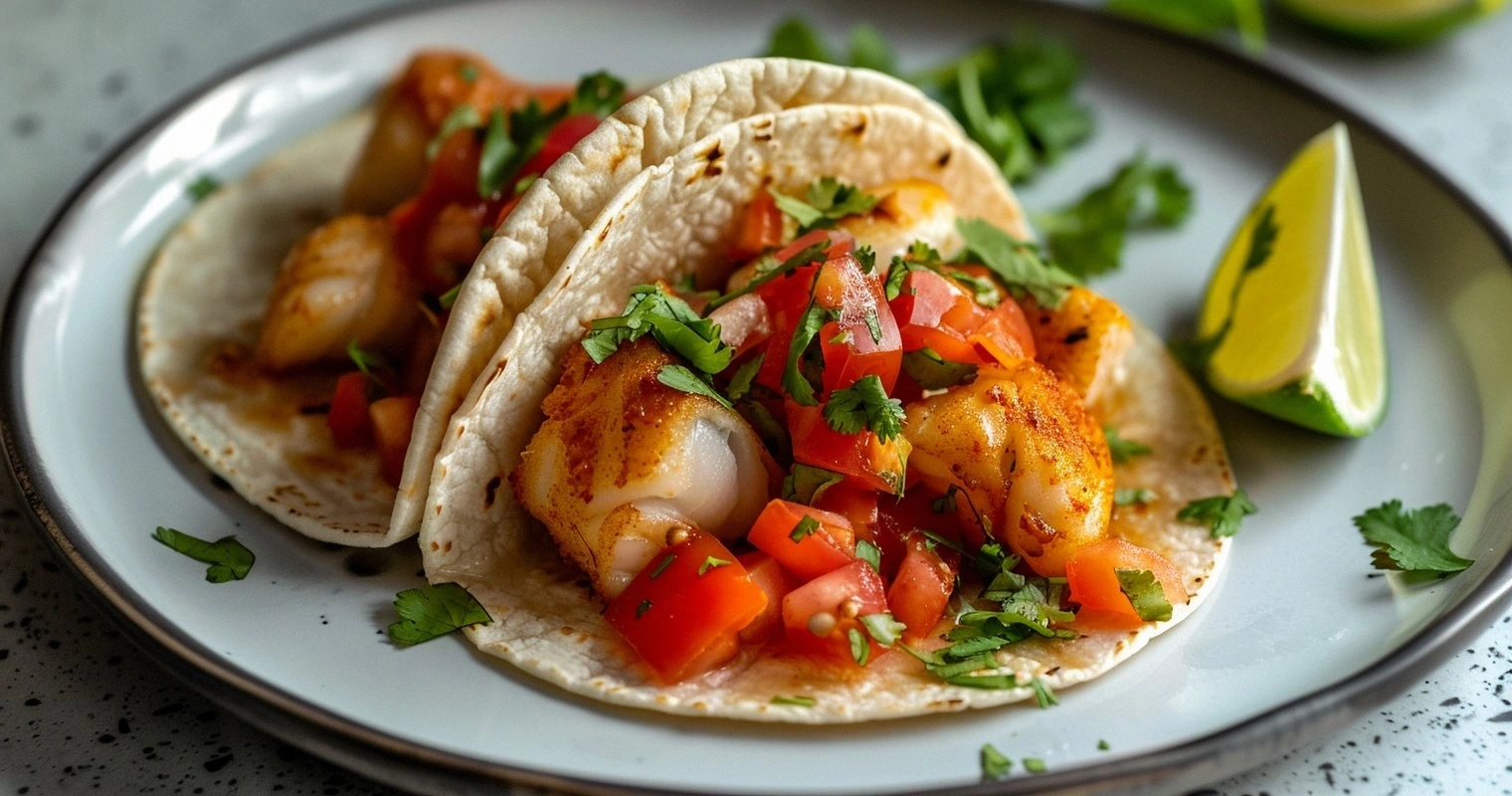
- Assembly is where the magic happens. Start with a warm tortilla, add a small handful of slaw (don't overstuff or it'll all fall apart), then a piece or two of the crispy fish. Drizzle with the chipotle sauce, add a few pickled onions, and finish with crumbled cotija and cilantro. The contrast of hot and cold, crispy and creamy, spicy and cooling—it's pure poetry. Serve immediately with lime wedges on the side because someone always wants more acid. Watch your guests' eyes roll back in their heads. I'll be honest—I ate half the batch before anyone else got to try it, and I don't even feel guilty.
That's it—you did it. But hold on, I've got a few more tricks that'll take this to another level...
Insider Tricks for Flawless Results
The Temperature Rule Nobody Follows
Here's what separates restaurant-quality fish tacos from home attempts: temperature control. Your oil needs to stay between 350-375°F throughout cooking, not just at the beginning. Most home cooks drop the fish in, the temperature plummets, and they end up with greasy, soggy coating. Use a thermometer and adjust your heat accordingly. When you add cold fish to hot oil, the temperature drops—compensate by raising the heat slightly before adding the fish. That sizzle when it hits the pan? Absolute perfection.
But it's not just about the frying oil. Your serving temperature matters too. Warm plates keep everything at optimal temperature longer. Cold tortillas straight from the fridge will crack and tear. Room temperature sauce spreads better. These details seem obsessive until you taste the difference, then you'll never go back. A friend tried skipping this step once—let's just say it didn't end well, and she still texts me every time she makes them to confirm the oil temperature.
Why Your Nose Knows Best
Smell is your most underutilized cooking tool when making fish tacos. The marinade should smell bright and citrusy, with the garlic providing a savory backbone. If it smells flat or one-dimensional, adjust before adding the fish. Need more acid? Add lime zest. Missing depth? A pinch of cumin or a bay leaf while marinating adds complexity that'll make people ask what your secret is.
When frying, the smell should be nutty and appetizing, not heavy or greasy. If your kitchen starts smelling like a fast-food joint, your oil is breaking down and it's time to start fresh. The batter should smell faintly of corn and baking powder, not floury or raw. Trust your nose—it evolved over thousands of years to keep you from eating bad food, and it's rarely wrong about what tastes good.
The 5-Minute Rest That Changes Everything
After frying, resist the urge to serve immediately. Let the fish rest on a wire rack for five minutes. This does two things: it lets the excess oil drain off, and it allows the coating to set properly. The result is a coating that stays crispy longer and doesn't immediately turn soggy when it meets the slaw. Five minutes feels like an eternity when you're hungry, but it's the difference between good tacos and tacos that'll make you famous among your friends.
During this rest, the internal temperature of the fish continues to rise slightly, ensuring it's perfectly cooked through without being dry. The coating also dehydrates slightly on the surface, creating an even crispier texture. Use this time to warm your tortillas and set up your assembly station. Future pacing: imagine pulling these out, letting them rest while you pour drinks, then serving tacos that stay crispy through the entire meal instead of turning sad and soggy halfway through.
Creative Twists and Variations
This recipe is a playground. Here are some of my favorite ways to switch things up:
Blackened Hawaiian Style
Skip the batter and coat your fish in a blackening spice mix heavy on the paprika and cayenne. Sear it in a screaming hot cast-iron pan until the spices form a dark crust. Top with a pineapple-jalapeño salsa and swap the chipotle sauce for a coconut-lime crema. The sweet-savory-spicy combo tastes like a beach vacation in your mouth. This version is perfect for those who want all the flavor but less of the fried factor.
Baja Beer-Battered
Replace the sparkling water in the batter with ice-cold beer—preferably a light Mexican lager. The beer adds flavor and the alcohol helps create an even lighter coating. Add a teaspoon of Old Bay seasoning to the flour for that authentic seaside flavor. Serve with a side of malt vinegar for dipping and suddenly you're at a beachside shack in San Diego, minus the sand in your shoes.
Mango Madness
Add diced mango to your slaw for a tropical twist that pairs beautifully with the spicy chipotle sauce. The key is using slightly underripe mango—it provides sweetness without turning the slaw into a wet mess. Add some diced red bell pepper for crunch and color. This version is a hit at summer parties and potlucks, especially when you want to show off a little.
Breakfast Taco Transformation
Leftover fried fish makes incredible breakfast tacos. Warm it gently in a skillet, then serve with scrambled eggs, crispy potatoes, and a smoky tomato salsa. The combination of crispy fish, fluffy eggs, and spicy salsa will ruin regular breakfast tacos for you forever. Add some crumbled chorizo if you're feeling particularly indulgent.
Keto-Friendly Version
Skip the batter entirely and coat your fish in a mixture of almond flour and spices. Pan-fry in avocado oil until golden. Serve in lettuce cups instead of tortillas, and replace the honey in the slaw with a keto-approved sweetener. The result is surprisingly similar to the original, with all the flavor but none of the carbs. Even carb-lovers won't miss the tortillas when they taste how well the flavors work together.
Mini Party Sliders
Cut everything down to slider size and serve on mini tortillas for the perfect party food. Kids love assembling their own, and adults appreciate not having to commit to a full-sized taco when there are other appetizers around. Set up a toppings bar with different sauces and let people customize. These disappear faster than free drinks at an open bar.
Storing and Bringing It Back to Life
Fridge Storage
The harsh reality is that fried fish is never as good reheated, but we can get close. Store the components separately: fish in an airtight container with paper towels to absorb moisture, slaw in its own container, sauce in a jar. The fish will keep for 2 days, the slaw for 3, the sauce for a week. Assemble tacos just before eating for best results. The pickled onions will keep for two weeks and actually improve with age.
Reheat the fish in a 400°F oven on a wire rack set over a baking sheet for 8-10 minutes. This crisps up the coating without drying out the fish. Never microwave fried fish unless you enjoy soggy sadness. The slaw should be drained of excess liquid before serving—it tends to weep in the fridge. Give it a quick toss and maybe add a splash of fresh lime to wake it up.
Freezer Friendly
You can freeze the fried fish, though I recommend this only for emergency situations. Freeze pieces on a baking sheet until solid, then transfer to freezer bags with as much air removed as possible. They'll keep for 2 months. Reheat from frozen in a 425°F oven for 15-18 minutes. They're not quite as good as fresh, but they're infinitely better than most frozen fish products you'll find at the store.
The sauce freezes beautifully in ice cube trays—pop out a cube or two as needed. The pickled onions can be frozen too, though they lose some crunch. Thaw overnight in the fridge and drain before using. Never freeze the slaw—it turns to mush and releases so much liquid it'll make you cry into your tacos.
Best Reheating Method
For best results, reheat everything separately. Warm tortillas wrapped in foil in a 350°F oven for 10 minutes. Reheat fish as described above. Refresh the slaw with a squeeze of lime and maybe a pinch of salt. Warm the sauce slightly—just to room temperature, not hot. Assemble and serve immediately. Add a tiny splash of water to the sauce before warming—it steams back to its original creamy consistency instead of separating.
If you must reheat assembled tacos (though I strongly advise against it), wrap them in foil and warm in a 375°F oven for 8-10 minutes. The tortilla will be soft, not crispy, but everything will be warm. Serve with extra sauce on the side because the reheating process tends to dry things out. Better yet, invite friends over for leftover taco night and make fresh ones—any excuse to make these again is a good excuse.