Picture this: I was standing in a cramped kitchen, a pot of boiling water sputtering on the stove, and my friends were huddled around the dining table, whispering about the latest food trends. A sudden burst of laughter erupted when one of them dared me to whip up a spring vegetable dish that could outshine a Michelin‑star entrée, all in under an hour. The challenge landed on my lap like a hot skillet, and I was determined to rise to the occasion. I had to think fast, and the clock was ticking.
The air smelled like fresh herbs and the faint tang of garlic, while the sizzling sound of olive oil hitting the pan was the soundtrack of my culinary battle. I could already taste the bright burst of cherry tomatoes, the subtle earthiness of asparagus, and the velvety bite of orzo pasta. My senses were in overdrive—every aroma, every sizzle, every glint of green was a note in an orchestra of flavor. The anticipation was electric, and my hands were already dancing over the ingredients, measuring, chopping, and seasoning with practiced confidence.
What makes this version stand out is that it’s a one‑pan wonder that delivers depth without the hassle. The orzo absorbs the broth like a sponge, turning the dish into a comforting, yet airy bowl of goodness. The vegetables stay crisp enough to satisfy the crunch lover in you, while the lemon‑garlic sauce coats each bite like velvet. The result is a symphony of textures and flavors that feels both sophisticated and approachable. I dare you to taste this and not go back for seconds.
And there’s a secret ingredient that will change your entire perception of a simple pasta dish—a splash of lemon juice that brightens the broth and lifts the entire flavor profile. Picture yourself pulling this out of the oven, the whole kitchen smelling incredible, and knowing you’ve just created a dish that will become a staple on your dinner table. Let me walk you through every single step—by the end, you’ll wonder how you ever made it any other way.
What Makes This Version Stand Out
- Taste: The bright acidity of lemon juice cuts through the earthiness of asparagus, while the subtle sweetness of cherry tomatoes creates a harmonious balance that feels both fresh and comforting.
- Texture: The orzo is cooked al dente, providing a gentle chew that contrasts with the tender‑crisp vegetables, making each bite an adventure.
- One‑Pan Simplicity: Everything cooks in a single skillet, reducing cleanup to a single pan and saving you precious time after a long day.
- Ingredient Quality: Using farm‑fresh asparagus and seasonal peas ensures that the natural flavors shine through, turning an ordinary meal into a celebration of spring.
- Crowd Reaction: Friends rave about how the dish feels like a restaurant‑grade entrée, and it’s often the first dish requested at potlucks.
- Make‑Ahead Potential: The flavors deepen when you let it sit, so you can prepare it in advance and reheat it to perfection.
Inside the Ingredient List
The Flavor Base
The vegetable broth is the foundation of this dish, providing depth and a subtle savory note that carries the lemon’s brightness. A low‑sodium broth keeps the dish light while still infusing the orzo with a comforting umami. If you skip the broth, the orzo will dry out and lose its silky texture, turning the dish into a dry, unbalanced mess.
If you’re in a pinch, a splash of vegetable stock or even a pinch of water with a dash of soy sauce can mimic the broth’s effect, but the flavor will be noticeably different. For a richer taste, use a homemade broth made from simmered carrots, celery, and onion, then strain it to keep the liquid clear.
When selecting broth, look for a clear, unseasoned variety that doesn’t overpower the fresh vegetables. A broth with a hint of rosemary or thyme can add a subtle herbal undertone that complements the green vegetables.
The Texture Crew
Asparagus is the star of the texture crew, providing a satisfying snap when you bite into it. Fresh asparagus tips are firm and bright green, but if you find them tough, trim the woody ends and slice them into bite‑sized pieces. If you use frozen asparagus, thaw and pat dry before cooking to avoid excess moisture.
Peas add a sweet pop that contrasts the earthy asparagus, while cherry tomatoes burst with juice that coats the pasta. Spinach is the silent hero that wilts beautifully, releasing a subtle nutty flavor and adding a dose of iron and vitamin K.
The orzo pasta acts as the canvas, soaking up the broth and lemon‑garlic sauce. Choose a high‑quality orzo with a firm bite; lower‑grade varieties may become mushy and lose their shape.
The Unexpected Star
Garlic is the unexpected star that ties everything together, providing a robust aroma that lingers even after the dish is plated. Mince the garlic finely so it releases its oils into the pan without burning.
If you’re a garlic lover, double the amount for a punchier flavor; if you’re more subtle, reduce it to half. The key is to let the garlic sauté just until fragrant—about 30 seconds—before adding the vegetables.
Lemon juice is the unexpected twist that brightens the dish. It not only adds acidity but also helps balance the richness of the olive oil and the sweetness of the tomatoes.
The Final Flourish
Olive oil is the final flourish that brings everything together, giving the dish a silky mouthfeel and a glossy sheen. Use a high‑quality extra‑virgin olive oil for a peppery finish, or a lighter oil if you prefer a milder taste.
Salt and pepper are the finishing touches that bring out the natural flavors of the vegetables. Season to taste, but remember that the broth already contains sodium, so adjust accordingly.
If you’re watching your sodium intake, consider using a low‑sodium broth and seasoning lightly. The dish still tastes vibrant and satisfying.
Everything's prepped? Good. Let's get into the real action...
The Method — Step by Step
- Heat the skillet over medium heat and pour in the olive oil, letting it swirl around the pan. Once the oil shimmers, add the minced garlic, stirring constantly to avoid burning. The garlic should turn a light golden hue in about 30 seconds, releasing a fragrant perfume that signals the beginning of flavor. This is the moment of truth—if you let it brown, the dish will taste bitter.
- Add the asparagus pieces, cutting them into bite‑sized chunks if they’re large. Sauté for 2-3 minutes until they’re just tender but still retain a bright green color. The asparagus should emit a subtle earthy aroma, hinting at the fresh spring harvest.
- Stir in the peas and cherry tomatoes, letting the tomatoes soften just enough to burst with juice. The peas should be bright green and slightly translucent, while the tomatoes will begin to caramelize on the edges, creating a sweet, slightly tangy glaze. The mixture should smell toasty, signaling that the vegetables are developing depth.
- Pour in the vegetable broth, ensuring that the liquid covers the vegetables by about an inch. Bring the mixture to a gentle simmer, then add the orzo, stirring to prevent sticking. The orzo will absorb the broth, creating a creamy base that coats every vegetable. Watch the liquid level; if it drops too low, add a splash of water to maintain the right consistency.
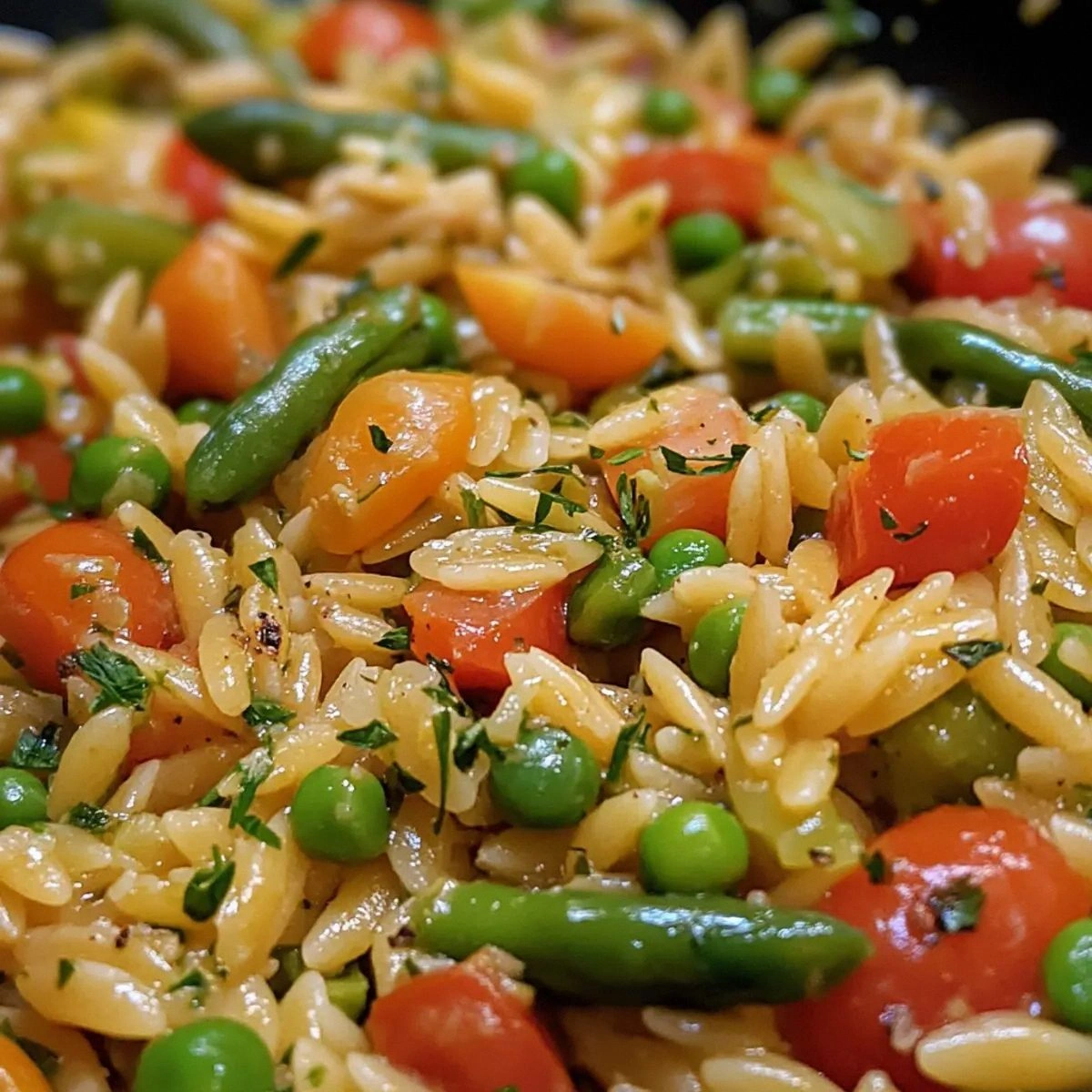
- Simmer for 12-15 minutes, stirring occasionally, until the orzo is al dente and the liquid has reduced to a silky sauce. The orzo should feel firm to the bite, not mushy, and the vegetables should be tender yet crisp. The aroma will be a blend of garlic, lemon, and fresh veggies.
- Finish with a generous squeeze of lemon juice, a pinch of salt, and freshly ground pepper. Taste and adjust the seasoning as needed. The lemon should brighten the dish without overpowering the vegetables, and the salt should enhance the overall flavor profile.
That's it — you did it. But hold on, I've got a few more tricks that'll take this to another level...
Insider Tricks for Flawless Results
The Temperature Rule Nobody Follows
Many cooks assume that high heat is always better, but this dish thrives on a steady, gentle simmer. Maintaining a low heat allows the orzo to absorb the broth evenly and prevents the vegetables from becoming mushy. If you’re in a rush, you can raise the heat slightly, but be sure to stir constantly to avoid scorching.
Why Your Nose Knows Best
Before you add the final lemon juice, pause and sniff the pan. A faint citrus aroma should already be present, indicating that the garlic and vegetables have released their oils. If the scent feels flat, give it another minute to develop; this subtle cue ensures the dish is on the right flavor trajectory.
The 5-Minute Rest That Changes Everything
After cooking, let the dish rest for 5 minutes off the heat. This resting period allows the flavors to meld and the orzo to finish cooking in its own steam. When you lift the lid, you’ll notice the sauce has thickened slightly, creating a glossy finish that’s impossible to resist.
The Fresh Herb Boost
Add a handful of fresh parsley or basil at the very end, just before serving. The herbs add a burst of color and a fresh, slightly peppery note that elevates the dish from simple to spectacular. A sprinkle of toasted pine nuts can also provide a delightful crunch.
The Quick Chill for Make-Ahead
If you’re planning to prepare this dish ahead of time, let it cool completely before refrigerating. Store it in an airtight container and reheat gently on the stove with a splash of water to restore moisture. The flavors will deepen, and the dish will taste even richer.
Creative Twists and Variations
This recipe is a playground. Here are some of my favorite ways to switch things up:
Mediterranean Medley
Swap the peas for artichoke hearts and add a handful of Kalamata olives. Finish with a drizzle of olive oil and a sprinkle of oregano. The briny olives and earthy artichokes give the dish a Mediterranean flair that pairs wonderfully with a glass of crisp white wine.
Creamy Spinach Surprise
Stir in a splash of coconut milk or a dollop of Greek yogurt after the orzo is cooked. The creaminess balances the bright lemon and gives the dish a luxurious mouthfeel. Top with grated Parmesan for an extra layer of umami.
Zesty Citrus Twist
Add a squeeze of fresh orange juice and a pinch of zest to the final seasoning. The orange adds a sweet citrus note that complements the lemon’s acidity, creating a bright, aromatic finish.
Protein Power-Up
Introduce grilled chicken, shrimp, or chickpeas for a protein boost. Toss the protein in with the orzo just before serving to keep it warm and infuse it with the sauce’s flavors.
Herb-Infused Orzo
Infuse the broth with fresh thyme and bay leaves before cooking. The herbs will seep into the orzo, adding a subtle depth that transforms the dish into a fragrant, herbaceous masterpiece.
Storing and Bringing It Back to Life
Fridge Storage
Store leftovers in an airtight container for up to 3 days. The dish stays moist and flavorful, and the orzo retains its al dente texture. Keep the container in the main compartment of the fridge to maintain even cooling.
Freezer Friendly
For longer storage, place the cooled dish in a freezer‑safe container and freeze for up to 2 months. When ready to reheat, thaw overnight in the fridge, then warm gently on the stove with a splash of water.
Best Reheating Method
Add a tiny splash of water or broth before reheating to restore moisture. Simmer over low heat, stirring occasionally, until the dish reaches a comforting temperature. The added liquid helps the orzo rehydrate and the sauce thicken into a luscious coating.