I was standing in my kitchen, eyes glued to the screen, when the stove alarm screamed for the first time of the week. My attempt at a classic creamy pasta had turned into a smoky tragedy, the pot bubbling over like a small volcano. That night I swore I would find a recipe that didn't require a fire extinguisher. Fast forward to today, and I have the ultimate version of creamy mushroom lemon orzo that will leave you wondering why you ever settled for anything else.
The aroma that now fills the room is a marriage of earthy mushrooms, bright citrus, and the silky swirl of cream. The sound is the gentle hiss of sautéed onions, the pop of garlic releasing its punch. Visually, the orzo glistens like a miniature sunrise, each grain coated in a golden lemon‑infused sauce. When you take the first bite, the texture hits you—soft pasta, tender mushroom, and a tang that cuts through the richness like a fresh breeze. And the finish? A subtle citrus echo that lingers, prompting that second spoonful.
What makes this dish a standout is not just the combination of flavors but the way each element is elevated. The mushrooms are sautéed until they develop a caramelized crust that gives a subtle crunch, while the lemon zest infuses the sauce with a bright, almost citrusy perfume. The heavy cream is tempered with broth to keep the sauce light, and the parmesan is folded in at the end for a velvety finish that coats the pasta like velvet. Even the simplest ingredient, the olive oil, is chosen for its peppery undertone, adding depth without overpowering the delicate balance. This is hands down the best version you'll ever make at home.
I’ve discovered a trick that will make the sauce cling to the orzo like a second skin—just a splash of lemon juice at the very last stir. And if you think that’s all there is, think again. I dare you to taste this and not go back for seconds. Picture yourself pulling this out of the skillet, the whole kitchen smelling incredible, and seeing that golden sheen that promises comfort and sophistication all at once. Let me walk you through every single step—by the end, you'll wonder how you ever made it any other way.
What Makes This Version Stand Out
- Flavor Harmony: The combination of earthy mushrooms, bright lemon, and creamy parmesan creates a symphony that dances on the palate. Each note is distinct yet perfectly balanced, ensuring no single element overpowers the rest.
- Texture Contrast: Sautéed mushrooms provide a caramelized crust, while the orzo remains al dente. The sauce’s silky consistency coats the pasta, giving a luxurious mouthfeel that feels indulgent without being heavy.
- Simplicity of Prep: Every ingredient is on hand, and the cooking sequence is linear. No fancy techniques or obscure tools—just a skillet, a pot, and a dash of confidence.
- Ingredient Quality: Using fresh, high‑quality mushrooms and a good olive oil elevates the dish. The difference between supermarket and farmer’s market produce is palpable.
- Crowd Appeal: Whether you’re feeding a family or entertaining friends, the familiar flavors of pasta and mushrooms are universally loved, while the lemon twist adds a modern touch.
- Make‑Ahead Potential: The dish can be prepared ahead of time and reheated without losing flavor or texture. It’s a great option for busy weeknights or for meal‑prepping.
- Nutritional Balance: With a good mix of protein from parmesan and cream, carbohydrates from orzo, and healthy fats from olive oil, this dish satisfies without feeling like a guilty pleasure.
- Seasonal Flexibility: Although mushrooms peak in autumn, they’re available year‑round. The lemon and herbs keep the dish bright for any season.
Alright, let's break down exactly what goes into this masterpiece...
Inside the Ingredient List
The Flavor Base
Mushrooms are the soul of this dish. They absorb the olive oil, releasing their natural umami, and when sautéed until golden they develop a caramelized crust that adds depth and a subtle crunch. If you skip them, the sauce becomes flat and lacks the earthy richness that defines the dish. For an extra layer of flavor, choose cremini or button mushrooms; they hold up well to cooking and have a robust taste. When selecting mushrooms, look for a firm texture and a deep, dark color—this indicates freshness and maximum flavor.
Garlic and onion form the aromatic foundation. Garlic brings sharpness and warmth, while onion adds sweetness and body. Together, they create a savory base that balances the bright lemon. If you’re allergic to garlic, a pinch of asafoetida or a small amount of onion powder can mimic the aroma. For a cleaner flavor, use minced garlic rather than whole cloves.
Olive oil is the medium that brings all components together. Its peppery undertone subtly enhances the mushrooms and lemon without overpowering. A light‑to‑medium olive oil works best; avoid extra‑virgin for a very strong flavor that might clash with the citrus. If you’re looking to cut calories, a splash of vegetable oil can replace a portion of the olive oil without sacrificing texture.
Salt and pepper are the seasoning anchors. Salt brings out the mushrooms’ natural sweetness, while pepper adds a gentle heat that keeps the dish from feeling flat. Don’t forget to season at the end as well; this final touch ensures the flavors are balanced and vibrant.
The Texture Crew
Orzo is the star pasta that holds the sauce in place. Its small, rice‑shaped grains soak up liquid beautifully, creating a creamy bite. If you prefer a heartier texture, switch to penne or fusilli. When cooking orzo, keep the liquid to pasta ratio slightly higher than usual; this prevents the grains from drying out and ensures they remain tender.
Heavy cream gives the sauce its luxurious body. It thickens the mixture and provides a velvety mouthfeel that coats each grain. If you’re looking for a lighter version, use half‑and‑half or a plant‑based cream. However, be careful—too light and the sauce will thin out quickly.
Vegetable or chicken broth is the liquid backbone that hydrates the orzo and dissolves the starch. It also adds subtle savory depth. If you’re vegetarian, vegetable broth is ideal; for a richer flavor, use chicken broth. A dash of soy sauce can be added for a slightly umami boost.
The Unexpected Star
Lemon juice is the bright spark that cuts through the cream’s richness. It also adds a fresh, zesty note that keeps the dish from feeling heavy. If you don’t have fresh lemons, bottled lemon juice works, but fresh is always better. Keep the juice cold before adding it to avoid a sudden drop in temperature that can affect the sauce’s consistency.
Lemon zest provides a fragrant, aromatic burst that enhances the citrus profile. It’s the difference between a lemony drizzle and a lemony explosion. Use a microplane for a fine zest that integrates smoothly. If you’re short on time, a teaspoon of dried lemon zest can substitute, though it won’t be as vibrant.
The Final Flourish
Parmesan cheese is the finishing touch that adds a salty, nutty flavor and a silky texture. It melts into the sauce, creating a cohesive, cohesive coating that glistens. Use freshly grated parmesan for the best melt. If you’re dairy‑free, nutritional yeast or a dairy‑free parmesan substitute works well.
Fresh herbs—parsley or thyme—add brightness and a subtle herbal note that lifts the dish. They also provide a pop of color that makes the plate more inviting. If you’re out of fresh herbs, a pinch of dried ones can work, but fresh is always preferable.
Everything's prepped? Good. Let's get into the real action...
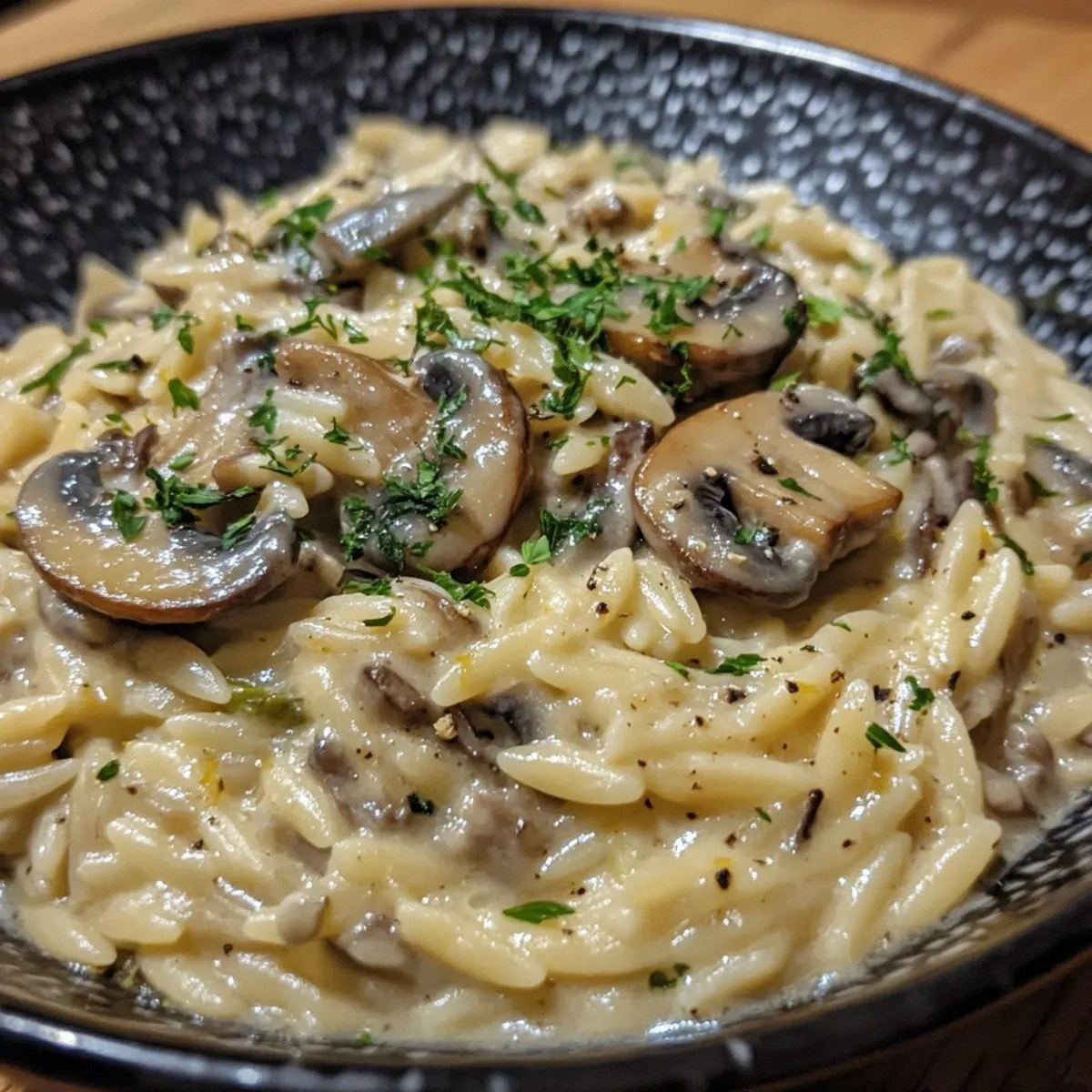
The Method — Step by Step
- Heat the olive oil. Pour 2 tablespoons of olive oil into a large skillet over medium heat. Let it shimmer, but don’t let it smoke. This will be the base that carries the flavors. The oil’s peppery notes will mingle with the mushrooms as they cook.
- Sauté the mushrooms. Add the sliced mushrooms to the skillet. Stir frequently until they release their moisture and begin to brown, about 5-7 minutes. The caramelized edges will develop a subtle crunch, giving the dish its signature texture. Keep an eye on them; once they’re golden, you’re ready for the next step.
- Introduce aromatics. Toss in the minced garlic and diced onion. Cook until the onion becomes translucent and the garlic emits a fragrant aroma, roughly 3 minutes. This is the moment of truth—if the aroma feels off, you’ve got a sign to adjust the heat.
- Toast the orzo. Stir in 1 cup of orzo, ensuring each grain is coated with the mushroom mixture. Toast for 1-2 minutes; this step locks in flavor and gives the pasta a slightly nutty taste. The orzo should start to look translucent around the edges.
- Simmer with broth. Pour 2 cups of broth into the skillet, bring to a gentle boil, then reduce to a simmer. Cover and let the orzo cook until al dente, about 10-12 minutes. The liquid should reduce slightly, concentrating the flavors.
- Enrich the sauce. Reduce the heat to low. Stir in 1 cup of heavy cream, 1 tablespoon of lemon juice, 1 tablespoon of lemon zest, and 1/2 cup of grated parmesan. Let the mixture simmer until the sauce thickens, about 4-5 minutes. The cream should coat the orzo, not pool on the bottom.
- Finish with herbs. Sprinkle 1 tablespoon of fresh herbs over the dish. Season with salt and pepper to taste. Stir gently to distribute the herbs without breaking the sauce. The fresh herbs will add a burst of green and a bright counterpoint to the lemon.
- Serve and enjoy. Ladle the creamy mushroom orzo into bowls or onto plates. Garnish with extra parmesan if desired. The dish should be hot, fragrant, and silky. Take a deep breath—this aroma is the promise of comfort and sophistication rolled into one.
That's it — you did it. But hold on, I've got a few more tricks that'll take this to another level...
Insider Tricks for Flawless Results
The Temperature Rule Nobody Follows
Keep the skillet on medium heat during the initial sauté. If the heat is too high, the mushrooms will burn before they caramelize; if too low, they’ll release too much water and steam. A good rule of thumb is to let the oil shimmer but not smoke. This ensures even browning and a rich flavor base.
Why Your Nose Knows Best
Smell the sauce as it thickens. When it has a rich, buttery aroma and a slight citrus brightness, it’s ready. If the smell feels flat or overly acidic, adjust by adding a splash of cream or a pinch more salt.
The 5-Minute Rest That Changes Everything
Once the sauce has thickened, let it sit for 5 minutes off the heat. This rest allows the flavors to meld and the sauce to settle. When you stir again, it will be smoother and more cohesive.
The Fresh Herb Boost
If you’re using dried herbs, rehydrate them in a tablespoon of hot water for 2 minutes before adding. This releases their flavor more fully and prevents a bitter bite.
The Creamy Consistency Fix
If the sauce becomes too thick, add a splash of broth or water. If it’s too thin, let it simmer uncovered for a few minutes until it thickens. This simple tweak ensures the sauce remains silky.
The Quick Clean‑Up Trick
After cooking, rinse the skillet with hot water and a quick swirl of oil. This prevents sticking and makes cleaning a breeze. It also keeps the skillet looking shiny for your next culinary adventure.
Creative Twists and Variations
Spicy Kick Edition
Add a pinch of red pepper flakes or a splash of hot sauce to give the dish a subtle heat. The spice will contrast beautifully with the lemony brightness, making it a crowd‑pleaser for those who like a little fire.
Mediterranean Flair
Swap the heavy cream for a splash of white wine and finish with a drizzle of extra‑virgin olive oil. Add chopped sun‑dried tomatoes and Kalamata olives for a Mediterranean twist that feels both exotic and comforting.
Vegan Version
Use coconut milk or a plant‑based cream, and replace parmesan with nutritional yeast. Keep the mushrooms and herbs the same to retain the earthy depth. The result is a creamy, dairy‑free dish that still feels indulgent.
Pork Tenderloin Pairing
Serve the orzo alongside sliced pork tenderloin marinated in rosemary and garlic. The savory pork complements the lemony sauce, creating a balanced plate that feels hearty and refined.
Breakfast Boost
Add a poached or fried egg on top of each serving. The runny yolk will mingle with the sauce, adding richness and a protein boost for a satisfying brunch.
Gluten‑Free Option
Replace orzo with gluten‑free pasta such as rice or corn pasta. Ensure the broth is also gluten‑free. The texture will be slightly different, but the flavor profile remains intact.
Storing and Bringing It Back to Life
Fridge Storage
Cool the dish completely before transferring to an airtight container. Store in the refrigerator for up to 3 days. The sauce may thicken; a quick stir will restore its silky consistency.
Freezer Friendly
For longer storage, portion the dish into freezer‑safe containers and freeze for up to 2 months. Thaw overnight in the refrigerator before reheating. This method keeps the flavors intact and reduces reheating time.
Best Reheating Method
Reheat on the stovetop over low heat, adding a splash of water or broth to loosen the sauce. Stir gently until heated through. This gentle approach preserves the creamy texture and prevents the sauce from drying out.