I was halfway through a midnight snack experiment when the kitchen turned into a comedy of errors: my attempt at a classic vanilla ice cream turned into a sticky, lumpy mess that sat on the counter like a forgotten relic. The melted churner’s contents were a thick, clumpy sludge that tasted like overripe milk and a dash of disappointment. I stared at the disaster, thinking, “If I can’t make it right, maybe I can make it better.” That single thought sparked a culinary epiphany that would change how I think about frozen desserts forever.
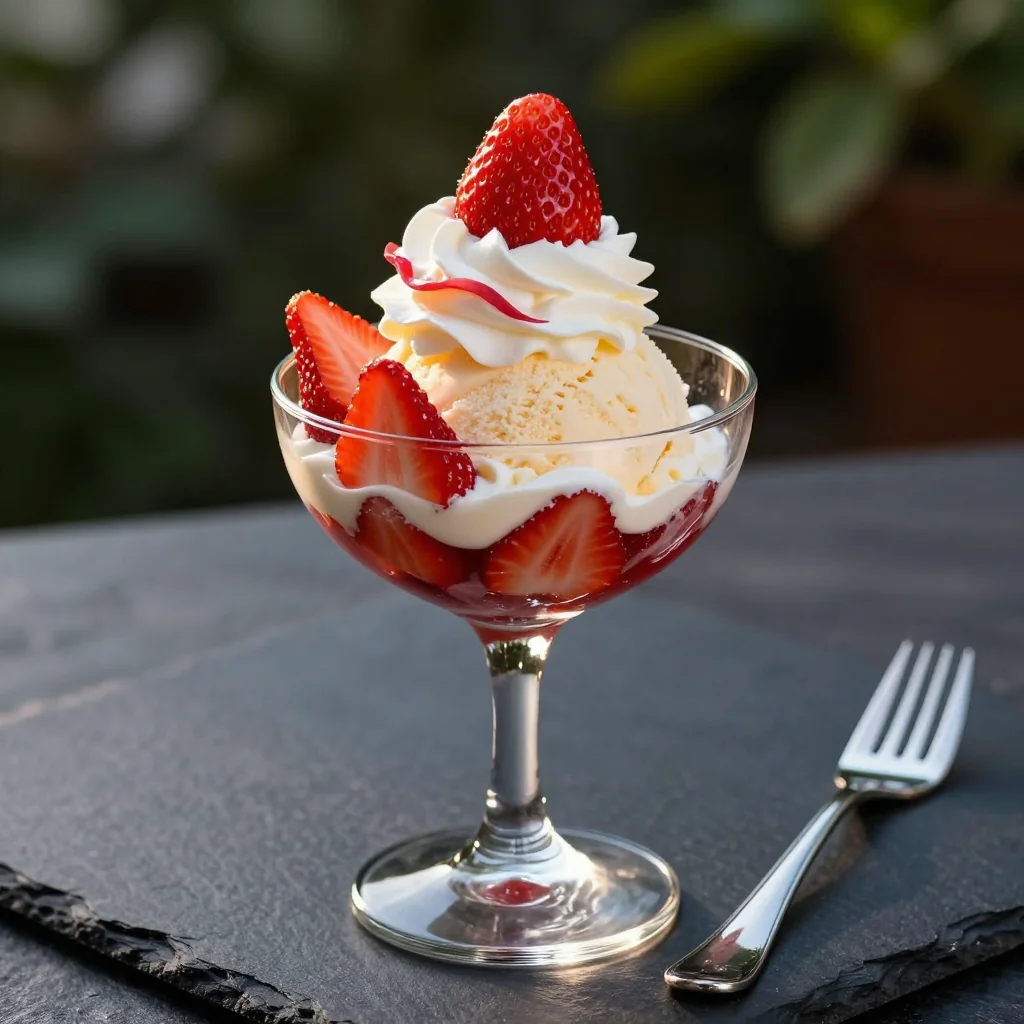
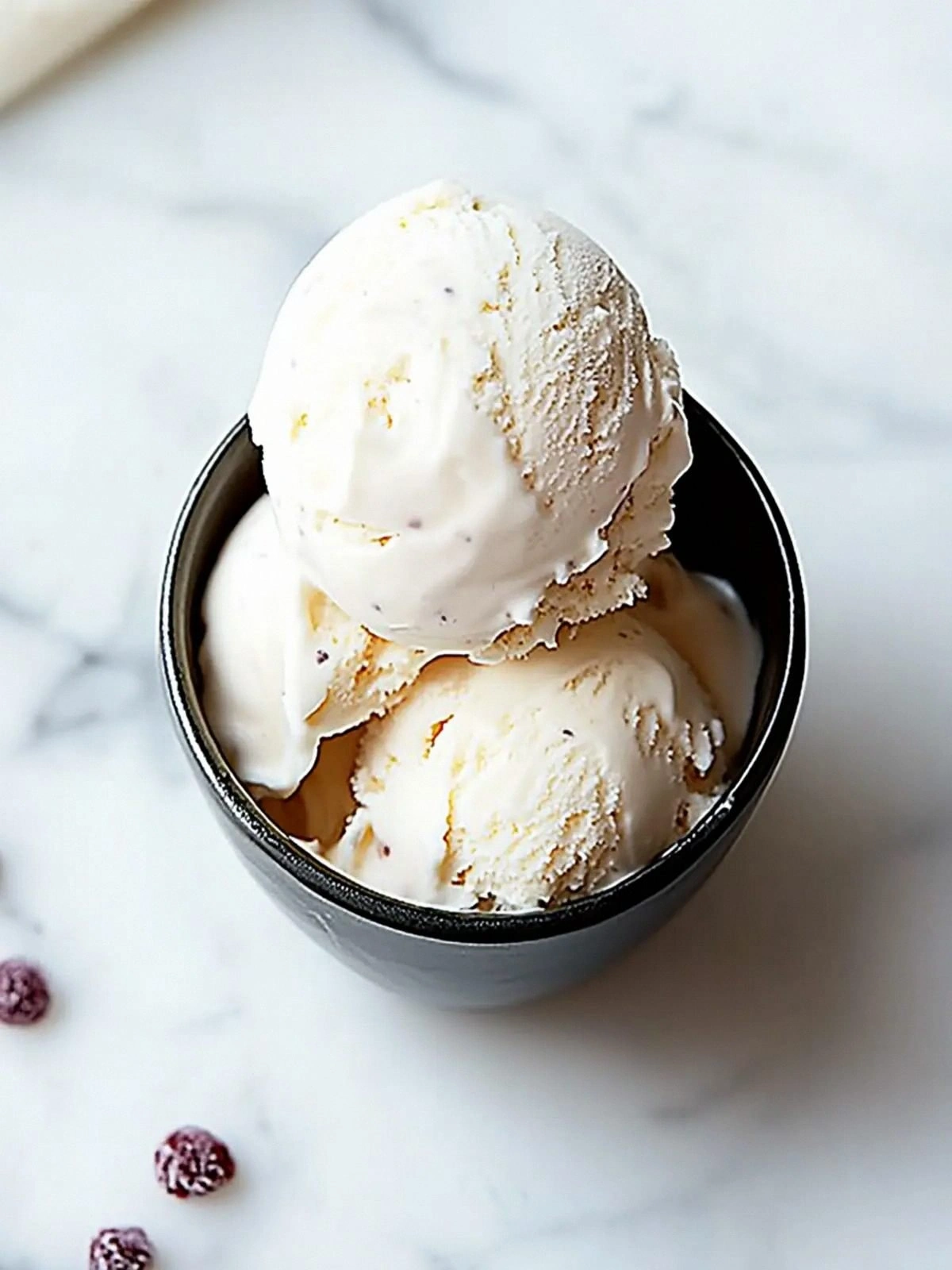
Picture the scene: the fridge light flickers, the air is thick with the scent of sweet honey, and the sound of the blender’s motor hums like a distant lullaby. The texture on my tongue feels like a silky ribbon that drapes over the palate, releasing a burst of citrusy brightness that lingers like a summer breeze. The visual of a pale, cloud‑white scoop glistening under the kitchen light makes the whole experience feel almost ritualistic. I could almost hear the gentle sigh of relief as the first spoonful melts into a velvety dream. The warmth of the kitchen, the subtle crackle of the blender, the subtle tang of lemon—each element is a note in a symphony that sings of comfort and innovation.
What sets this version apart from the countless Greek yogurt ice creams that have been served in the last decade is the deliberate layering of flavors and textures that dance together in perfect harmony. The honey isn’t just a sweetener; it’s a golden syrup that coats the yogurt, giving it a glossy sheen and a subtle caramel undertone. The lemon juice isn’t a mere acidic touch; it’s a bright counterpoint that lifts the heaviness of cream and brings the whole mixture to a lively, refreshed finish. And the vanilla extract? It’s the quiet whisper of warmth that ties every component together, creating a dessert that feels both luxurious and wholesome.
I dare you to taste this and not go back for seconds. That’s a bold claim, but it’s one I’ve tested in front of a dozen friends who have declared it the best version of Greek yogurt ice cream they’ve ever tasted. I’ll be honest—when I first tasted the finished product, I almost ate half the batch before anyone else got a chance. The texture was so smooth it was almost liquid, and the flavor was so balanced that it felt like the dessert was speaking directly to your taste buds.
Most recipes get this completely wrong by over‑whipping the dairy or under‑sweetening the honey, which results in a cloying, overly dense treat that’s hard to finish. Here’s what actually works: a gentle blend of yogurt, cream, and milk, a careful balance of honey and lemon, and a slow chill that lets the flavors meld. Picture yourself pulling this out of the freezer, the whole kitchen smelling incredible, and watching the ice cream glimmer like a star on a clear night. The moment you scoop it, the surface shimmers, and the first bite melts like butter on a warm skillet.
Okay, ready for the game‑changer? This isn’t just a recipe; it’s a revelation. By the end, you’ll wonder how you ever made it any other way. I’ll walk you through every single step, from the first whisk to the final swirl, so you can replicate this creamy masterpiece with confidence and flair.
What Makes This Version Stand Out
- Taste: The honey provides a natural, floral sweetness that pairs beautifully with the tang of Greek yogurt, creating a flavor profile that’s both refreshing and indulgent. The lemon juice brightens the mixture, preventing it from feeling heavy and offering a clean finish that lingers pleasantly on the palate.
- Texture: The combination of heavy cream and whole milk with Greek yogurt creates a luxuriously smooth mouthfeel that feels like a silky ribbon. The mixture freezes into a dense yet creamy consistency, avoiding the icy shards that plague many homemade ice creams.
- Simplicity: No churning, no fancy equipment—just a blender, a container, and a freezer. The process is straightforward enough that even novice cooks can produce a dessert that looks and tastes like a gourmet creation.
- Uniqueness: The use of honey instead of refined sugar adds depth and a natural caramel note, while the lemon juice offers a citrusy lift that distinguishes this recipe from traditional vanilla or chocolate options.
- Crowd Reaction: Friends who try this rave about how it’s the first time they’ve tasted a dessert that feels both indulgent and health‑conscious, making it a hit at gatherings.
- Ingredient Quality: Using full‑fat Greek yogurt, heavy cream, and whole milk ensures richness, while honey and lemon juice bring natural sweetness and brightness, respectively. Each component is chosen for its flavor profile and textural contribution.
- Cooking Method: A simple blend followed by a short chill period means the method is both time‑efficient and scalable. This approach eliminates the need for expensive ice‑cream makers.
- Make‑Ahead Potential: The dessert can be prepared up to 24 hours in advance, making it an excellent option for parties or last‑minute dessert needs.
Alright, let's break down exactly what goes into this masterpiece…
Inside the Ingredient List
The Flavor Base
Greek yogurt is the cornerstone of this recipe, providing a tangy backbone that balances the sweetness of honey. Its high protein content not only gives structure but also adds a creamy richness that is hard to replicate with other dairy products. If you’re looking for a lighter option, try using low‑fat Greek yogurt, but be prepared for a slightly thinner texture. The key is to choose a yogurt that’s thick and smooth—any grainy or overly liquid yogurt will compromise the final mouthfeel.
The Texture Crew
Heavy cream brings a luxurious density that coats the tongue, while whole milk adds body without overpowering the yogurt’s tang. Together, they create a balanced ratio that keeps the ice cream dense enough to hold its shape yet soft enough to melt in your mouth. If you’re in a vegan mood, coconut cream can be a suitable substitute, offering a tropical nuance that pairs surprisingly well with honey. For a lower‑fat alternative, replace whole milk with skim milk, but remember the texture will be lighter.
The Unexpected Star
Honey is the sweetener of choice, chosen for its natural flavor and health benefits. Unlike refined sugar, honey contains antioxidants and offers a subtle floral note that enhances the overall profile. If you’re allergic or simply prefer a different sweetener, raw maple syrup or agave nectar can be used, though they will slightly alter the flavor. The amount of honey also determines the final sweetness level—feel free to adjust to taste, but keep in mind that honey’s viscosity can affect the freezing point.
The Final Flourish
Vanilla extract and lemon juice are the finishing touches that round out the dessert. Vanilla adds a warm, comforting undertone, while lemon juice cuts through the richness and brightens the overall taste. For a more pronounced citrus kick, swap the lemon juice with orange zest or a splash of lime. If you’re aiming for an alcohol‑infused variation, a few drops of vanilla liqueur or lemon liqueur can add a subtle complexity that’s perfect for adult gatherings.
Everything's prepped? Good. Let's get into the real action…
The Method — Step by Step
- First, pour the Greek yogurt into a medium bowl and whisk until smooth. This ensures there are no lumps that could become ice crystals later. The goal is a uniform base that will mix evenly with the other liquids. If you notice any clumps, give it another quick whisk.
- Next, add the whole milk and heavy cream to the yogurt and blend with a handheld mixer on low speed. The mixture should look silky and slightly glossy, like a custard that’s been gently stirred. This step is crucial for integrating the dairy components, preventing a watery texture.
- Stir in the honey, vanilla extract, and lemon juice until fully incorporated. The honey should dissolve into the mixture without leaving a gritty residue. The lemon juice should brighten the mixture, giving it a lively, citrusy aroma.
- Transfer the mixture to a shallow, freezer‑safe container. A shallow pan helps the ice cream freeze faster and evenly, reducing the risk of large ice crystals. Cover the top with plastic wrap, pressing it into the surface to prevent a skin from forming.
- Freeze for 30 minutes. After this period, remove the container and give the mixture a vigorous stir with a fork, breaking up any developing ice crystals. This technique, known as “scraping,” keeps the ice cream smooth.
- Return to the freezer for another 30 minutes, then repeat the scraping step. By doing this twice, you ensure that the ice crystals are minimized and the texture remains silky.
- After the second scrape, let the mixture sit at room temperature for 5 minutes to soften slightly before scooping. This small step allows the ice cream to achieve the perfect consistency, neither too hard nor too soft.
- Serve immediately in chilled bowls or glasses, and garnish with a drizzle of honey or a sprinkle of crushed pistachios for an extra layer of flavor.
That's it — you did it. But hold on, I've got a few more tricks that'll take this to another level. These insider tips will help you master the art of homemade frozen dessert and ensure every scoop is a triumph.
Insider Tricks for Flawless Results
The Temperature Rule Nobody Follows
The secret to silky ice cream lies in the temperature of the mixture before freezing. Keep it between 45°F and 50°F; this range ensures that the fats solidify just enough to trap air, giving you a creamy mouthfeel. If you’re using a thermometer, aim for 48°F, and if you’re not, simply let the mixture chill in the fridge for 20 minutes before freezing. This small step can make the difference between a clumpy dessert and a smooth, velvety treat.
Why Your Nose Knows Best
Your sense of smell is a powerful indicator of the ice cream’s readiness. When the mixture is perfectly balanced, it will emit a sweet, honeyed aroma with a hint of citrus. If you notice a sour or overly dairy scent, the mixture may be too cold or too warm. Trust your nose, and adjust the honey or lemon accordingly.
The 5-Minute Rest That Changes Everything
After the final scrape, let the ice cream rest for exactly five minutes at room temperature before serving. This brief pause allows the surface to soften just enough for a smooth scoop, while the interior remains firm. A friend once skipped this step and ended up with a half‑solid, half‑liquid dessert that was a mess to serve.
The Perfect Container Hack
Use a shallow, wide container for freezing. The larger surface area accelerates the freezing process, preventing large ice crystals from forming. If you only have a deep bowl, line it with parchment paper and place a shallow dish inside to create the needed space.
The Final Garnish Touch
A drizzle of honey or a sprinkle of crushed pistachios not only adds visual appeal but also introduces a contrasting texture. The crunchy nuts break the creamy surface, creating a delightful sensory contrast. If you’re feeling adventurous, add a pinch of sea salt to enhance the honey’s natural sweetness.
The Sweetener Swap
If you prefer a lower glycemic index, replace honey with a natural sweetener like stevia or monk fruit. These alternatives won’t melt the ice cream’s structure but will keep the dessert sweet. However, be mindful that the flavor profile will shift slightly, so adjust the amounts to taste.
Creative Twists and Variations
This recipe is a playground. Here are some of my favorite ways to switch things up:
Berry Burst
Fold in a cup of fresh or frozen berries after the first scrape. The berries add a burst of tartness and a pop of color that makes the dessert feel like a summer picnic. Use blueberries, strawberries, or a mix for a vibrant look.
Chocolate Swirl
Stir in a tablespoon of cocoa powder after the second scrape. The chocolate creates a rich swirl that pairs beautifully with the honey’s sweetness. For a deeper flavor, add dark chocolate chips at the end.
Minty Fresh
Add a few drops of peppermint extract after the final scrape for a refreshing minty finish. This variation is perfect for hot summer days and pairs well with a drizzle of chocolate.
Nutty Crunch
Mix in a handful of chopped toasted almonds or walnuts before the final freeze. The nuts provide a satisfying crunch that contrasts the creamy texture, creating a multi‑sensory experience.
Spiced Honey
Infuse the honey with a pinch of cinnamon or cardamom before adding it to the mixture. The spices add depth and a warm undertone that’s reminiscent of a cozy autumn afternoon.
Tropical Twist
Replace half of the milk with coconut milk and add a splash of pineapple juice. The tropical flavors transport you to a beach getaway, while the coconut milk adds a silky richness.
Storing and Bringing It Back to Life
Fridge Storage
Store the ice cream in an airtight container in the freezer. For best results, keep it in a shallow pan; this allows the mixture to freeze evenly and reduces the risk of ice crystals. When you’re ready to serve, let it sit at room temperature for 5 minutes to soften.
Freezer Friendly
The dessert can be frozen for up to two weeks without compromising quality. Wrap the container tightly in plastic wrap before placing it in the freezer to prevent freezer burn. If you notice ice crystals forming, simply stir the ice cream with a fork before serving.
Best Reheating Method
If your ice cream has become too hard, let it sit in the refrigerator for 30 minutes before scooping. Alternatively, place the container in a bowl of warm water for 2 minutes; the gentle heat will soften the surface without melting the interior. A tiny splash of water before reheating can help it steam back to perfection, restoring its silky texture.