
The first time I tried to roast Brussels sprouts, the kitchen turned into a battlefield of wilted greens and burnt edges. I had been chasing that elusive caramelized crunch that makes the vegetable sing, but every batch ended up with a sad, soggy mess. That night, I was determined to break the cycle and finally master the art of roasting Brussels sprouts to perfection. I set the oven to 425°F, tossed the sprouts in a splash of olive oil, and waited for the golden transformation. The smell that filled the air was a promise of something extraordinary.
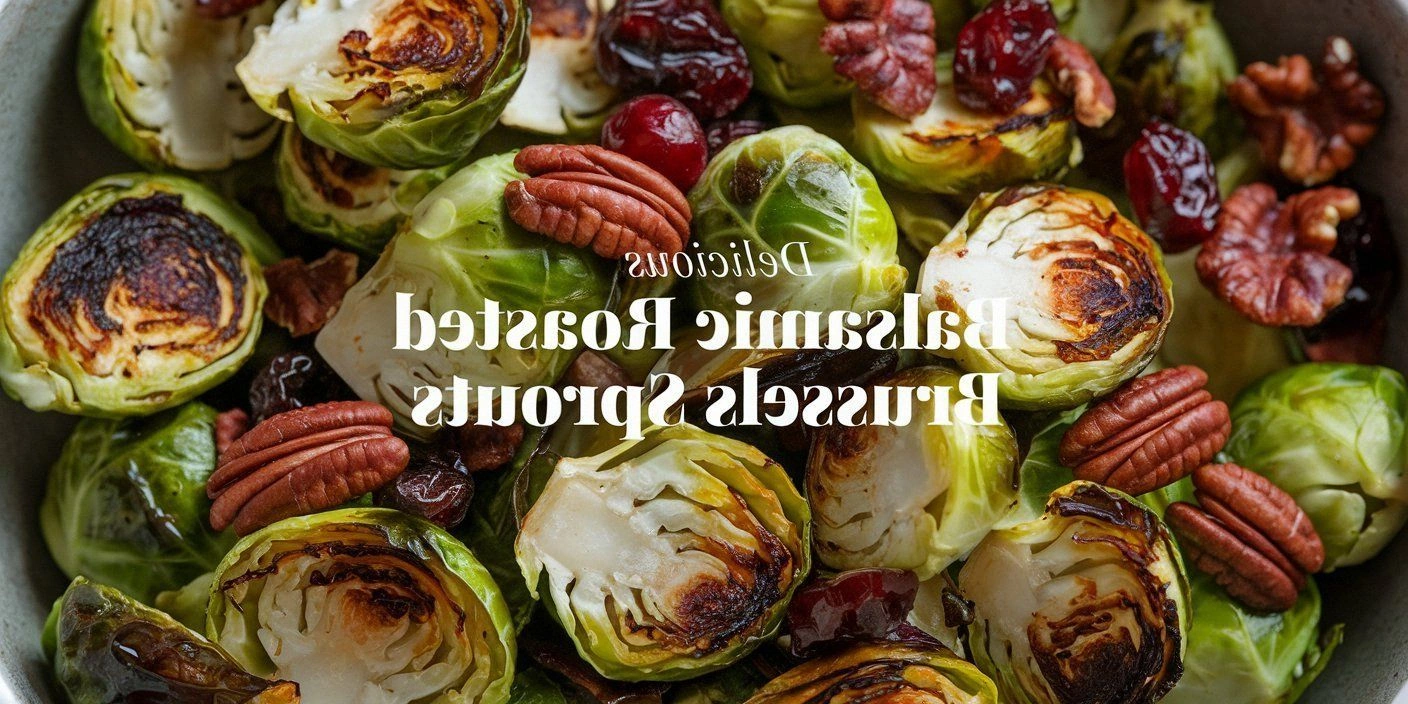
Picture this: a bowl of glossy, dark green sprouts, their edges blistered into a crisp, almost caramelized finish, drizzled with a sweet, tangy glaze that glistens like liquid amber. The aroma is a heady mix of roasted garlic and balsamic vinegar, with a hint of honey that lingers in the air. The sound of the timer ticking is replaced by the gentle crackle of the sprouts as they brown. Each bite is a textural adventure, starting with a satisfying crunch that gives way to a tender, buttery interior. The finish is a subtle, lingering sweetness that coats your palate like velvet.
I know what you’re thinking: “Another Brussels sprout recipe?” But this isn’t your run‑of‑the‑mill side dish. The secret lies in the marriage of balsamic vinegar and honey, which creates a glaze that’s both sweet and savory, a little bit of acidity to cut through the earthiness. I added a sprinkle of parmesan that melts into a creamy ribbon across the sprouts, giving the dish a luxurious, almost decadent feel. The final touch? Toasted pine nuts for a nutty crunch that balances the richness. It’s a recipe that turns a humble vegetable into a showstopper.
Most recipes get this completely wrong. They either overcook the sprouts, leaving them mushy, or under‑season them, resulting in a bland, forgettable side. Here, I’ve found the sweet spot: a high heat roast that caramelizes the sugars without burning, and a glaze that coats each sprout evenly. The result is a dish that feels like a culinary upgrade, a side that could easily take center stage at dinner. I dare you to taste this and not go back for seconds.
I’ll be honest — I ate half the batch before anyone else got to try it. The first bite was a revelation, the second a confirmation, and the third a surrender. The combination of textures and flavors was so addictive that I felt like a kid in a candy store, except the candy was Brussels sprouts. If you’ve ever struggled with making them taste good, you’re not alone — and I’ve got the fix. This is hands down the best version you’ll ever make at home.
Picture yourself pulling this out of the oven, the whole kitchen smelling incredible, the steam curling like a fragrant cloud. The sprouts are bright green, their edges crisp, their hearts tender, all glistening in a glossy glaze that promises more flavor with every bite. The anticipation is almost as delicious as the dish itself. And now, ready for the game‑changer? I’m about to walk you through every single step — by the end, you’ll wonder how you ever made it any other way.
I’ve spent countless evenings experimenting with roasting times and glaze ratios, and the final version is a testament to patience and precision. The first time I added the honey, I noticed the glaze thickening into a syrupy consistency that clung to the sprouts. I kept adjusting until the glaze had the right balance of stickiness and shine. It’s a small tweak that makes a huge difference. Trust me, this subtle shift is the secret sauce.
I also discovered that tossing the sprouts in a little bit of salt before roasting helps draw out moisture, preventing sogginess. The salt also enhances the caramelization, giving the sprouts a deeper, richer flavor. I use a fine sea salt for that extra depth. This step may seem minor, but it’s the difference between average and amazing. The result is a crisp, flavorful bite every time.
Finally, the finishing touch of parmesan and pine nuts adds layers of umami and crunch that elevate the dish from simple to sensational. The cheese melts into a silky coating, while the nuts provide a satisfying bite that contrasts with the tender sprouts. I sprinkle them in the last few minutes of roasting so they don’t burn. The combination is a symphony of textures and flavors. Get ready to taste the difference.
What Makes This Version Stand Out
- Flavor: The balsamic‑honey glaze creates a sweet‑savory profile that balances the earthiness of Brussels sprouts. The acidity cuts through the richness, leaving a clean finish. It’s a glaze that feels indulgent yet light.
- Texture: The high‑heat roast caramelizes sugars, giving a crisp edge that shatters like thin ice. Inside, the sprouts remain tender and juicy. The result is a textural dance in every bite.
- Simplicity: With just a handful of pantry staples, you can achieve restaurant‑level flavor. No fancy equipment or exotic ingredients are required. It’s a recipe that fits into any busy schedule.
- Uniqueness: The combination of balsamic vinegar, honey, parmesan, and pine nuts sets this dish apart from typical side dishes. The glaze is glossy, the cheese melts into a ribbon, and the nuts add crunch. It’s a flavor profile that surprises and delights.
- Crowd Reaction: Friends and family often ask for the recipe after tasting it. The dish is a conversation starter at dinner tables. It’s the kind of side that people want to keep coming back to.
- Make‑Ahead Potential: The glazed sprouts can be prepared a day in advance and reheated without losing their crunch. The glaze sets, making storage easy and convenient. It’s perfect for meal prep or entertaining.
Inside the Ingredient List
The Flavor Base
The foundation of this dish is a simple yet powerful mixture of olive oil, balsamic vinegar, and honey. The olive oil provides a silky medium that allows the glaze to coat each sprout evenly. Balsamic vinegar adds acidity, brightening the flavor profile and creating a caramelized sheen. Honey balances the vinegar with natural sweetness, preventing the glaze from becoming too sharp. Together, they form a glaze that sings with every bite.
The Texture Crew
Brussels sprouts themselves are the star of the show. Trimmed and halved, they roast to a tender center while their edges crisp up into a golden crunch. Garlic, minced finely, releases its aroma and infuses the sprouts with a subtle warmth. Salt and pepper are the essential seasonings that bring out the natural flavors without overpowering them. When combined, these ingredients create a harmonious textural experience that delights the palate.
The Unexpected Star
Parmesan cheese is the unexpected star that adds a creamy, savory layer to the dish. When melted over hot sprouts, it forms a silky coating that clings to every bite. The cheese’s umami enhances the sweetness of the glaze, creating a balanced flavor profile. If you’re vegan, a sprinkle of nutritional yeast can replace parmesan without compromising the richness.
The Final Flourish
To finish the dish, toasted pine nuts are sprinkled over the roasted sprouts, adding a nutty crunch that contrasts with the creamy parmesan. The nuts also contribute a subtle earthy flavor that complements the sweet glaze. Their toasted aroma elevates the overall sensory experience, making the dish feel more complex. This final flourish turns a simple side into a memorable culinary highlight.
The Method — Step by Step
- Preheat your oven to 425°F (220°C). Line a rimmed baking sheet with parchment paper to prevent sticking. Arrange the halved Brussels sprouts on the sheet, cut side down, to maximize caramelization. Drizzle them with olive oil, ensuring each piece is lightly coated. Toss to coat evenly and spread them in a single layer to avoid steaming.
- In a small bowl, whisk together balsamic vinegar, honey, minced garlic, salt, and pepper until the mixture is smooth and the honey is fully dissolved. The glaze should be slightly thick, like a light syrup. Pour the glaze over the sprouts, using a spoon or your hands to ensure each sprout receives a generous coating. This is the moment of truth: the glaze should cling to the surface, forming a glossy sheen.
- Place the tray in the preheated oven and roast for 20 minutes, then flip the sprouts with tongs to ensure even browning. The edges should start to blister and develop a golden crust. Keep an eye on the color; you’re aiming for a caramelized finish, not a char. This step is crucial for achieving that perfect crunch.
- After 20 minutes, reduce the oven temperature to 400°F (200°C) to finish the roasting. Return the tray and roast for an additional 10 minutes, or until the sprouts are tender inside and the glaze is thick and caramelized. The glaze should be sticky enough to cling to the sprouts but not so thick that it clumps. This step ensures the final texture is buttery on the inside and crisp on the outside.
- While the sprouts are roasting, toast the pine nuts in a dry skillet over medium heat until golden and fragrant, stirring frequently to prevent burning. This step adds a nutty aroma that complements the savory glaze. Once toasted, set aside to cool. The nuts should have a slight crunch and a deep, buttery flavor.
- Once the sprouts are roasted to perfection, transfer them to a serving dish. Sprinkle the melted parmesan cheese over the hot sprouts, allowing it to melt into a silky coating. Toss gently to coat each sprout. This step adds a creamy layer that balances the glaze’s sweetness.
- Finish by sprinkling the toasted pine nuts over the top. Serve immediately while the sprouts are still warm and the cheese is gooey. The contrast between the crunchy nuts and the tender sprouts creates a delightful sensory experience. Enjoy this dish as a side to roasted chicken, steak, or a hearty vegetarian main.
That's it — you did it. But hold on, I've got a few more tricks that'll take this to another level. The next section is all about insider tips that will ensure your sprouts always come out perfect.
Insider Tricks for Flawless Results
The Temperature Rule Nobody Follows
Many cooks over‑cook their Brussels sprouts by using a low oven temperature. I discovered that a high heat of 425°F is essential for caramelization. The high heat creates a Maillard reaction that gives the sprouts a golden crust. Lower temperatures result in a soggy texture that fails to satisfy.
Why Your Nose Knows Best
Your sense of smell is a reliable indicator of doneness. When the sprouts are ready, the aroma will be sweet and slightly smoky. The smell of caramelized sugar is a clear sign that the glaze has thickened. Trust your nose to avoid over‑roasting.
The 5‑Minute Rest That Changes Everything
After roasting, let the sprouts rest for five minutes. This short pause allows the juices to redistribute, keeping them moist inside. The glaze will firm up slightly, making it easier to coat each sprout. It’s a small step that makes a big difference.
Use the Right Pan
A heavy‑bottomed baking sheet or cast iron skillet distributes heat evenly. Avoid thin, flimsy pans that cause hot spots. The even heat ensures the sprouts roast uniformly, preventing uneven browning. This simple choice can elevate the final result.
Don’t Skip the Salt
Salt is essential for flavor development. It draws out moisture, preventing sogginess, and enhances caramelization. Even a pinch of sea salt can make a noticeable difference. Skipping salt is a recipe faux pas.
Keep the Oven Door Closed
Opening the oven door during roasting causes temperature fluctuations that can ruin the crispness. Keep the door closed unless you need to flip the sprouts. A stable temperature is key to a perfect finish.
Creative Twists and Variations
This recipe is a playground. Here are some of my favorite ways to switch things up:
Smoky Chipotle Glaze
Swap the balsamic vinegar for a smoky chipotle‑infused reduction. Add a dash of adobo sauce for heat. The smoky flavor pairs well with the sweet glaze, creating a bold, spicy side. Perfect for a Tex‑Mex inspired dinner.
Maple‑Mustard Fusion
Replace honey with maple syrup and add a tablespoon of Dijon mustard. The mustard adds depth and tang, while maple brings a rich sweetness. The combination works beautifully with the Brussels sprouts’ earthy taste. Ideal for a fall gathering.
Cheesy Cauliflower Blend
Mix in roasted cauliflower florets for a different vegetable texture. The cauliflower absorbs the glaze and adds a subtle nuttiness. This variation is great for those who want a low‑carb alternative. It still delivers the same caramelized finish.
Herb‑Infused Citrus
Add a splash of fresh lemon juice and a handful of fresh thyme to the glaze. The citrus brightens the flavor, while thyme adds an aromatic note. This fresh twist is perfect for spring or summer meals. It’s a lighter, brighter version.
Vegan Parmesan Alternative
Use nutritional yeast or a vegan parmesan blend instead of dairy cheese. The nutritional yeast provides a cheesy flavor and a savory umami kick. It melts into a creamy coating just like traditional parmesan. Great for a plant‑based diet.
Spicy Peanut Butter Drizzle
Finish the sprouts with a drizzle of peanut butter and a sprinkle of crushed red pepper. The peanut butter adds a creamy, nutty richness while the pepper adds heat. This Asian‑inspired variation is a crowd‑pleaser at potlucks.
Storing and Bringing It Back to Life
Fridge Storage
Store leftovers in an airtight container in the refrigerator for up to 3 days. The glaze may thicken slightly, so give it a quick stir before serving. If the sprouts become dry, add a splash of water or broth to re‑hydrate. Reheat in a skillet for a few minutes to restore crispness.
Freezer Friendly
Freeze the roasted sprouts in a single layer on a baking sheet before transferring to a freezer bag. This prevents clumping and keeps the texture intact. Store for up to 2 months. Thaw overnight in the refrigerator, then reheat in a skillet until warm.
Best Reheating Method
Reheat the sprouts in a skillet over medium heat, adding a splash of water to create steam. This technique preserves the crisp edges while keeping the interior moist. Avoid microwaving, as it will make the sprouts soggy. Finish with a drizzle of olive oil for extra flavor.