I was in the middle of a Sunday afternoon binge‑watching my favorite sitcom when a sudden craving hit me like a plot twist – I needed something that tasted like a tropical vacation but could be held in one hand. I tried the classic key lime pie from the freezer aisle, but the crust was soggy, the filling too sweet, and the whole thing felt like a betrayal of the original. Then, while scrolling through a meme about Crumbl’s ever‑changing menu, I saw a picture of their Key Lime Pie Cookie and thought, “If a bakery can turn a pie into a cookie, why can’t I?” That moment sparked a kitchen experiment that turned into the most addictive cookie I’ve ever made.
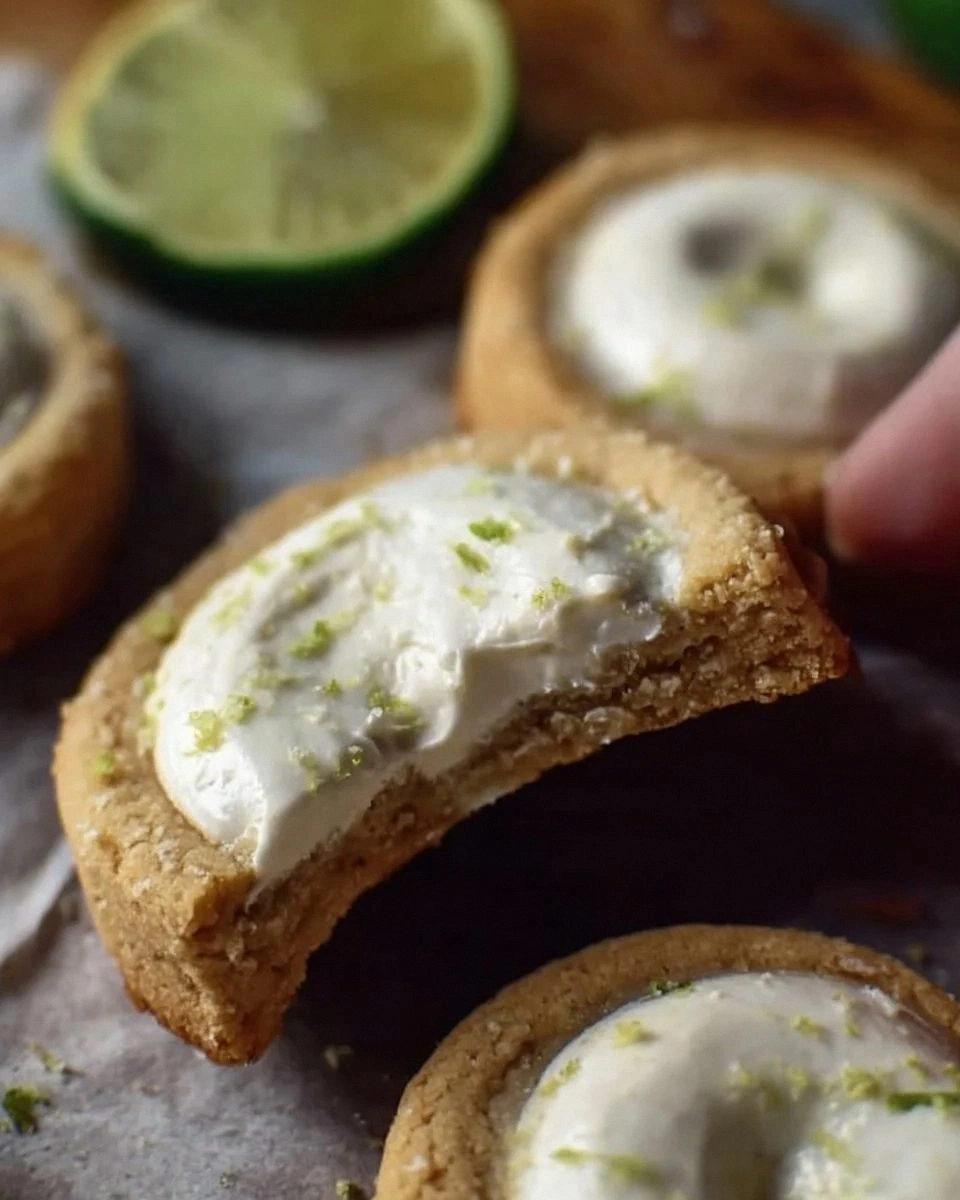
Picture this: the moment the dough hits the butter‑softened bowl, a buttery perfume fills the kitchen, mingling with the sharp, citrusy zing of key lime juice. The sound of the mixer whirring is like a tiny tornado, pulling every speck of sugar and flour into a glossy, cohesive mass. When the cookies finally slide onto the parchment, they spread just enough to form a thin, golden‑brown canvas that promises a crisp edge and a chewy center. As they bake, the edges begin to pull away from the pan, releasing a faint caramel note that makes your nose do a happy dance.
What makes this version stand out is the balance between tangy lime and sweet butter that most copy‑cat recipes miss. Most key lime cookies I’ve tried either taste like a lime‑scented sugar cookie or a bland butter crumb with a splash of juice. This one, however, captures the bright acidity of fresh key limes without drowning the buttery richness, and the powdered sugar glaze on top adds a glossy finish that looks like a miniature pie crust. I’ll be honest — I ate half the batch before anyone else could get a bite, and I’m not even sorry.
Now, I’m about to reveal a secret technique that most store‑bought versions skip: a quick chill of the dough before baking. This tiny step creates a cookie that holds its shape, giving you that perfect snap on the outside while keeping the interior soft and melt‑in‑your‑mouth. I dare you to taste this and not go back for seconds. Let me walk you through every single step — by the end, you’ll wonder how you ever made it any other way.
What Makes This Version Stand Out
- Taste: The bright, authentic key lime punch is balanced by a buttery base, creating a flavor duet that sings louder than any store‑bought version.
- Texture: A crisp, caramelized edge gives way to a tender, almost cake‑like interior, delivering a textural contrast that’s pure bliss.
- Simplicity: Only nine pantry staples are needed, and the method uses everyday tools – no fancy equipment required.
- Uniqueness: The glaze of powdered sugar mimics the iconic powdered‑sugar dusting on Crumbl’s original, turning a humble cookie into a show‑stopper.
- Crowd Reaction: These cookies have a habit of disappearing within minutes of cooling, prompting the classic “who stole my cookie?” confession.
- Ingredient Quality: Fresh key lime juice (not the bottled kind) makes the citrus pop like a fireworks display in your mouth.
- Cooking Method: A short chill before baking locks in shape and flavor, a trick most recipes overlook.
- Make‑Ahead Potential: Freeze the dough balls for up to a month; bake fresh cookies whenever the craving strikes.
Inside the Ingredient List
The Flavor Base
The unsalted butter, softened to room temperature, is the cornerstone of any good cookie. Its fat content provides the melt‑in‑your‑mouth richness that makes these cookies feel like a mini‑dessert. If you substitute with margarine, expect a slight off‑flavor and a less tender crumb. I always recommend using a high‑quality European butter for that deep, creamy mouthfeel.
Granulated sugar does more than sweeten; it helps create the slight crispness on the edges. When creamed with butter, it traps air, giving the dough lift. If you’re watching sugar, you can swap half the granulated sugar for coconut sugar, but the texture will be a tad chewier and the color a bit darker.
The Texture Crew
All‑purpose flour provides the structure, and the precise 2.5‑cup measurement ensures the dough isn’t too dense. Using cake flour would make the cookies too soft, while bread flour would make them tough. For gluten‑sensitive folks, a 1‑to‑1 swap with a gluten‑free all‑purpose blend works fine, but add a teaspoon of xanthan gum to keep the crumb together.
Baking soda and baking powder are the leavening duo that gives these cookies their subtle rise. The soda reacts with the acidity of the key lime juice, creating tiny bubbles that lift the dough. The half‑teaspoon of baking powder adds a secondary lift, ensuring the cookies don’t become flat pancakes. Skipping either will result in a dense, heavy cookie that feels more like a shortbread than a key lime dream.
The Unexpected Star
Key lime juice is the hero of this recipe. Its bright, floral acidity cuts through the butter, preventing the cookie from feeling cloying. Fresh key limes have a distinct aroma that bottled juice simply cannot replicate. If you can’t find key limes, use regular lime juice plus a splash of orange zest to mimic the complexity.
A half‑teaspoon of vanilla extract adds a warm, aromatic backdrop that rounds out the sharp citrus. It’s the quiet sidekick that makes the flavor profile feel cohesive rather than a one‑note lime party.
The Final Flourish
A pinch of salt amplifies every other flavor, turning the sweet and sour notes into a harmonious symphony. Too much salt will overpower the delicate lime, while too little will leave the cookie flat. I always taste the dough before adding the final pinch to ensure balance.
Powdered sugar is used for the optional glaze that mimics Crumbl’s signature dusting. It dissolves quickly, creating a glossy finish that adds a subtle sweet crunch. If you prefer a more rustic look, you can skip the glaze and dust the cookies with a light sprinkle of confectioners’ sugar after baking.
Everything's prepped? Good. Let's get into the real action...
The Method — Step by Step
- Combine dry ingredients. In a medium bowl whisk together the flour, baking soda, baking powder, and salt. The mixture should look uniformly speckled, with no clumps. This step ensures even distribution of leavening agents, which is crucial for that perfect rise. I always give the bowl a quick tap on the counter to settle any air bubbles before moving on.
- Cream butter and sugar. In a stand mixer fitted with the paddle attachment, beat the softened butter and granulated sugar on medium speed until the mixture turns pale and fluffy, about 3–4 minutes. This is the moment the cookie starts to develop its buttery backbone. Listen for the soft “whoosh” sound as air is incorporated — that’s the secret to a tender crumb.
- Add lime juice and vanilla. Drizzle the fresh key lime juice and vanilla extract into the butter‑sugar mixture. The batter will momentarily look a bit curdled; that’s normal. Keep mixing on low speed until the liquid is fully absorbed. The citrus aroma will instantly fill your kitchen, making you wonder why you ever settled for store‑bought versions.
- Incorporate dry ingredients. Gradually add the flour mixture to the wet ingredients, mixing on low until just combined. Stop as soon as you see no more streaks of flour; over‑mixing will develop gluten and give you a tough cookie. The dough should be slightly sticky but manageable.
- Chill the dough. Transfer the dough onto a sheet of parchment, shape it into a flat disc about 1‑inch thick, wrap tightly in plastic, and refrigerate for at least 30 minutes. This step is pure magic; it firms the butter, preventing excessive spreading, and lets the flavors meld. I like to set a timer and use that time to preheat the oven, so everything’s ready when the dough is cold.
- Preheat and prep. Preheat your oven to 350°F (175°C). Line two baking sheets with parchment paper and set a silicone baking mat on top for extra crispness. While the oven warms, use a cookie scoop (about 1½‑tablespoon size) to portion the chilled dough onto the sheets, spacing them 2 inches apart. The dough should hold its shape; if it softens too quickly, pop it back in the fridge for a few minutes.
- Bake to golden perfection. Slide the trays into the center of the oven and bake for 12‑14 minutes, or until the edges turn a light golden brown and the tops are set but still slightly soft. The aroma at this stage is intoxicating — a buttery, citrusy perfume that makes you want to lick the spoon. When you gently lift a cookie, the bottom should be firm while the top still has a tiny jiggle.
- Glaze and cool. While the cookies cool on the sheet for 5 minutes, whisk together powdered sugar with a splash of key lime juice (just enough to make a smooth, drizzle‑able glaze). Drizzle the glaze over the warm cookies, letting it set for a minute before transferring to a wire rack. The glaze will harden into a delicate, crackly shell that mirrors Crumbl’s iconic finish. That sizzle when the glaze meets the warm cookie? Absolute perfection.
That's it — you did it. But hold on, I've got a few more tricks that'll take this to another level...
Insider Tricks for Flawless Results
The Temperature Rule Nobody Follows
Never bake cookies straight from a warm kitchen. If your dough is even a few degrees above room temperature, the butter will melt too quickly, causing the cookies to spread thin and lose that coveted edge‑to‑center contrast. Keep the dough chilled until the moment you scoop it onto the sheet, and you’ll get that perfect “snap” on the outside while the middle stays soft.
Why Your Nose Knows Best
Your sense of smell is a more reliable timer than any clock. When the cookies start to give off a caramel‑butter scent and the edges turn a light amber, that’s your cue to pull them out. Trusting the nose prevents over‑baking, which would dry out the lime flavor and turn the glaze into a hard candy shell.
The 5‑Minute Rest That Changes Everything
After baking, let the cookies rest on the baking sheet for exactly five minutes before moving them to a rack. This short rest lets steam finish cooking the center gently, ensuring the interior stays moist and the glaze sets without cracking. Skipping this step is the reason many home bakers end up with cookies that feel dry or glaze that slides off.
Don’t Over‑Mix the Flour
Once the flour is added, stop mixing the moment the dough comes together. Over‑mixing develops gluten, which can make the cookie tough and chewy—exactly the opposite of what we want. A quick “fold” with a spatula is all that’s needed, and you’ll preserve that melt‑in‑your‑mouth texture.
The Secret of the Powdered Sugar Glaze
For a glossy finish, use sifted powdered sugar and add just enough lime juice to achieve a thin, pourable consistency. If the glaze is too thick, it will sit on top like a frosting; too thin, and it will run off the edges. A good test is to dip a spoon into the glaze – it should coat the back of the spoon without dripping.
Creative Twists and Variations
This recipe is a playground. Here are some of my favorite ways to switch things up:
Coconut Lime Fusion
Swap half the butter for coconut oil and add ¼ cup shredded coconut to the dough. The result is a tropical twist where the coconut’s nutty aroma complements the lime’s zing, perfect for a beach‑themed party.
White Chocolate Lime Swirl
Melt ½ cup white chocolate, drizzle it into the dough before chilling, and use a fork to swirl it through. The sweet, creamy ribbons contrast beautifully with the tart lime, creating a visual and flavor surprise.
Spiced Key Lime
Add a pinch of ground cardamom and a dash of ginger powder to the dry mix. These warm spices deepen the flavor profile, making the cookie feel cozy enough for cooler evenings while still delivering that citrus punch.
Vegan Version
Replace butter with a 1:1 vegan butter substitute and use coconut sugar instead of granulated sugar. The texture remains buttery, and the lime still shines, proving you don’t need dairy to achieve decadence.
Mini Bite‑Size Pops
Form the chilled dough into small balls, bake for 8‑9 minutes, and then dip them in the glaze. These bite‑size treats are perfect for cocktail parties where guests want a quick, elegant sweet.
Storing and Bringing It Back to Life
Fridge Storage
Place cooled cookies in an airtight container with a parchment sheet between layers. They’ll stay fresh for up to five days. If the glaze starts to dull, lightly mist the container with a spray bottle of water before sealing; the moisture will keep the glaze glossy.
Freezer Friendly
Arrange unbaked dough balls on a parchment‑lined tray, freeze solid, then transfer to a zip‑top bag. They’ll keep for three months. When you’re ready, bake straight from the freezer, adding an extra minute to the bake time.
Best Reheating Method
To revive a day‑old cookie, preheat the oven to 300°F (150°C), place the cookie on a baking sheet, and add a tiny splash of water (just a few drops) beside it. Heat for 5‑7 minutes; the steam revives the interior while the glaze re‑crystallizes, making it taste as fresh as the day it left the oven.