Picture this: I was in the middle of a midnight snack raid, scrolling through Instagram for something that could turn my humble kitchen into a five‑star event. A friend had dared me to whip up the most unforgettable bite‑size appetizer using salmon, and I knew the stakes were high. I pulled the salmon from the fridge, feeling the coolness of the fillet against my fingertips, and the scent of brine lingered in the air, promising a depth of flavor that only fresh fish can deliver. The kitchen lights flickered, the timer ticked, and the anticipation grew like a drumbeat in my ears.
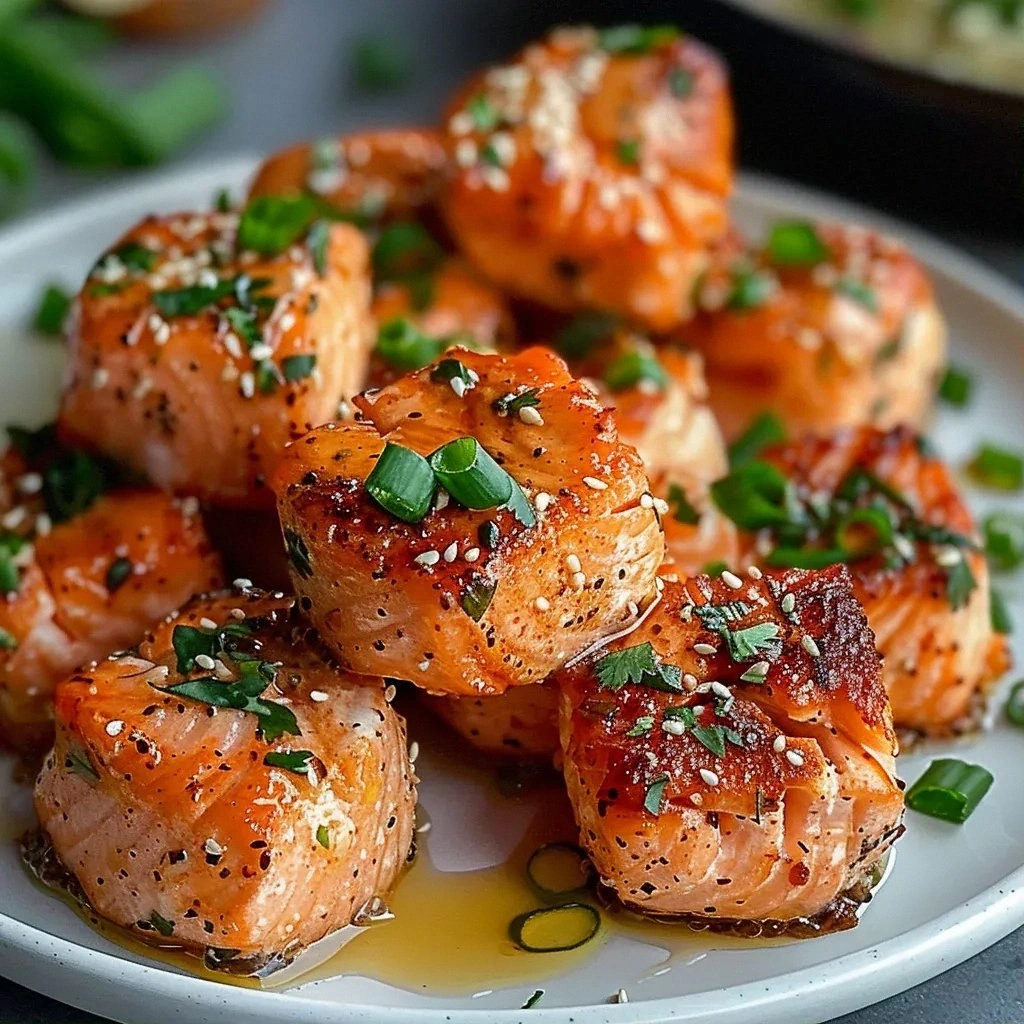
I remember the first time I tried a generic “bang‑bang” sauce on salmon; it was bland, soggy, and the edges didn't even crackle. That failure was the catalyst for a new approach that would redefine how we think about bite‑size salmon. I experimented with a blend of mayo, sweet chili, sriracha, honey, and lime, then coated the pieces in a seasoned flour mixture that gave them a crisp, golden shell. The result was a harmonious marriage of sweet, spicy, and umami, with a texture that crackled like freshly fried rice crackers.
What makes this version stand out is not just the flavor profile, but the way each component is engineered to elevate the dish. The sauce is thick enough to cling to the fish yet light enough to let the salmon’s natural taste shine. The coating is thin but crunchy, giving you that satisfying snap when you bite. It’s a dish that can be served at a party, a quick week‑night dinner, or even as a sophisticated addition to a brunch spread. And the best part? It’s a recipe that feels like a secret weapon in your culinary arsenal.
I dare you to taste this and not go back for seconds. This is hands down the best version you'll ever make at home. If you've ever struggled with getting salmon crispy and flavorful, you're not alone — and I've got the fix. Picture yourself pulling this out of the oven, the whole kitchen smelling incredible, and your guests reaching for more. Stay with me here — this is worth it.
What Makes This Version Stand Out
- Flavor: The sauce layers sweet, spicy, and citrus notes that dance on the palate, creating a complex yet balanced taste.
- Texture: A thin, crisp coating gives a satisfying crunch that contrasts beautifully with the tender salmon.
- Simplicity: Only twelve ingredients, all pantry staples, mean you can whip this up in under 45 minutes.
- Uniqueness: The combination of Thai sweet chili and sriracha in the sauce offers a Southeast Asian twist that sets this apart.
- Crowd‑pleaser: Bite‑size portions are perfect for parties; guests can eat with their hands and keep the sauce in a separate bowl.
- Quality: Using fresh salmon fillets ensures the dish is packed with omega‑3s and a clean, buttery flavor.
- Method: Pan‑frying the coated pieces creates a caramelized exterior without overcooking the fish.
- Make‑ahead: The sauce can be prepared a day ahead, and the coated pieces can be frozen and fried later.
Alright, let's break down exactly what goes into this masterpiece...
Inside the Ingredient List
The Flavor Base
The sauce is the heart of this dish. It starts with a smooth foundation of mayonnaise that balances the heat from sriracha and the sweetness from honey. The Thai sweet chili sauce adds a subtle fruity kick, while lime juice injects a bright, acidic lift that cuts through the richness of the mayo. Together, they form a sauce that coats the salmon like velvet, yet still leaves a bite of flavor on the tongue.
The Texture Crew
The coating is the secret weapon that turns ordinary salmon into a crunchy masterpiece. A blend of all-purpose flour, garlic powder, onion powder, smoked paprika, salt, black pepper, and a whisper of cayenne creates a dry, seasoned base that crisps up beautifully when fried. The flour’s fine texture ensures that the coating adheres tightly to the fish, forming a protective shell that keeps the salmon moist inside.
The Unexpected Star
Olive oil is the unsung hero that brings everything together. A tablespoon of high‑quality extra‑virgin olive oil in the coating prevents the flour from sticking to the pan and gives the salmon a subtle, fruity undertone. It also helps the coating brown evenly, producing that golden, caramelized finish that makes the dish irresistible.
The Final Flourish
Garnishes are optional, but they elevate the dish from simple to spectacular. Fresh parsley or cilantro adds a burst of color and herbal brightness, while sliced green onions provide a mild crunch and a pop of green. Sesame seeds offer a nutty finish that complements the Asian-inspired sauce. These finishing touches transform the plate into a visual and sensory feast.
Everything's prepped? Good. Let's get into the real action...
The Method — Step by Step
- Start by patting the salmon pieces dry with paper towels. This step is crucial; moisture on the surface will prevent the coating from sticking and lead to soggy bites. I always double‑check, because a single wet spot can ruin the entire batch. Let the salmon rest at room temperature for about 5 minutes to ensure even cooking.
- In a shallow bowl, combine the flour, garlic powder, onion powder, smoked paprika, salt, black pepper, and cayenne pepper. Whisk until the spices are evenly distributed. This dry mix is the backbone of your crisp coating. If you prefer a milder heat, omit the cayenne entirely.
- In another bowl, whisk together the mayonnaise, Thai sweet chili sauce, sriracha, honey, and lime juice. Stir until the mixture is smooth and slightly thick. The mayo acts as a binder, while the lime juice adds a bright zing that keeps the sauce from becoming too heavy.
- Dip each salmon piece first into the sauce, ensuring full coverage. Then dredge it in the flour mixture, pressing gently so the coating adheres. Shake off any excess flour; this will keep the coating thin and crisp.
- Kitchen Hack: For an extra crunch, sprinkle a teaspoon of baking soda onto the flour mixture before coating. The soda reacts with the acids in the sauce, creating tiny bubbles that make the crust airy.
- Heat a non‑stick skillet over medium‑high heat and add the tablespoon of olive oil. Once the oil shimmers, place the coated salmon pieces in a single layer, skin‑side down. Avoid crowding; you want each bite to have room to brown.
- Cook the salmon for 3–4 minutes on each side, or until the coating turns golden brown and the salmon flakes easily with a fork. The internal temperature should reach 145°F (63°C). Watch the edges—they should start pulling away from the pan, indicating perfect crispness.
- Watch Out: Do not flip the salmon too early; if you do, the coating may crack and fall off. Let the first side cook until a clear brown crust forms before turning.
- Transfer the cooked bites to a paper‑towel lined plate to absorb excess oil. Let them rest for 2 minutes; this allows the juices to redistribute and the coating to firm up.
- Serve immediately, garnished with chopped parsley or cilantro, sliced green onions, and a sprinkle of sesame seeds. Provide a small bowl of extra sauce for dipping, or let guests mix their own to taste. The aroma alone will make your guests swoon.
That's it — you did it. But hold on, I've got a few more tricks that'll take this to another level...
Insider Tricks for Flawless Results
The Temperature Rule Nobody Follows
Many cooks think medium heat is the sweet spot, but a higher temperature (around 375°F or 190°C) creates a more pronounced crust while keeping the interior moist. I always preheat the skillet until a drop of water sizzles and evaporates within a second. This small detail ensures an even sear and eliminates the risk of the coating sticking.
Why Your Nose Knows Best
The aroma that rises from the pan is the first indicator of success. A faint, toasty smell means the coating is browning properly, while a strong, oily scent indicates the oil is too hot or the salmon is overcooking. Trust your senses; your nose is a reliable gauge for the right moment to flip.
The 5‑Minute Rest That Changes Everything
After frying, let the bites rest on paper towels for exactly five minutes. This short pause allows the steam to escape and the coating to set, preventing a soggy texture. It also gives the salmon a chance to finish cooking from residual heat, ensuring a perfectly flaky interior.
Keep It Fresh with a Quick Chill
If you’re preparing the sauce ahead of time, store it in an airtight container in the refrigerator. The mayo base will firm up slightly, so give it a quick stir before serving. This keeps the sauce fresh and prevents it from separating.
Serve With a Side of Crunch
Pair these bites with a crisp cucumber salad or a slaw made from shredded cabbage and carrots. The crunchy vegetables provide a contrasting texture and a refreshing palate cleanser that balances the richness of the salmon.
Creative Twists and Variations
This recipe is a playground. Here are some of my favorite ways to switch things up:
Smoky Chipotle Twist
Replace the sriracha with chipotle in adobo for a smoky heat. Swap the lime juice for a splash of orange juice to add a citrusy sweetness that complements the chipotle’s depth.
Herb‑Infused Delight
Add finely chopped dill or tarragon to the flour coating. This herbaceous note pairs wonderfully with the salmon’s natural flavor and gives the dish a fresh, garden‑like vibe.
Spicy Coconut Crunch
Use coconut flour instead of all‑purpose flour for a gluten‑free version. Mix in shredded coconut to the coating for an extra crunch and a tropical twist.
Garlic Parmesan Crunch
Sprinkle grated Parmesan cheese into the flour mixture. The cheese adds umami and a slightly nutty flavor that elevates the coating beyond the usual.
Asian Fusion Lettuce Wraps
Serve the bites in butter lettuce leaves with a drizzle of hoisin sauce and a sprinkle of toasted sesame seeds. The lettuce adds a fresh crunch, and the hoisin balances the spicy sauce.
Breakfast‑Style Salmon Skewers
Thread the salmon pieces onto skewers and grill them instead of pan‑frying. Brush with a mixture of maple syrup and soy sauce for a sweet‑savory breakfast treat.
Storing and Bringing It Back to Life
Fridge Storage
Store any leftover cooked bites in an airtight container in the refrigerator for up to two days. Keep the sauce separate to prevent the coating from becoming soggy. Reheat in a skillet over medium heat until warmed through.
Freezer Friendly
Freeze uncooked, coated salmon pieces in a single layer on a parchment‑lined tray. Once solid, transfer to a freezer bag. They stay fresh for up to 3 months. When ready to cook, fry directly from the freezer; add an extra minute per side.
Best Reheating Method
To revive the crispness, heat a non‑stick skillet over medium heat and add a splash of oil. Place the frozen or refrigerated bites in the pan, cover briefly, and then remove the cover to allow the steam to escape. This method restores the crunchy exterior without drying out the salmon.