I remember the night I was trying to salvage a dinner that had turned into a culinary disaster. The chicken breasts were dry, the ham was too salty, and the cheese had melted into a sad, gooey blob on the pan. My friends called it a “flop” and I swore I would never again attempt a classic chicken cordon bleu. Fast forward a few months, I stumbled onto a version that made my taste buds sing, my kitchen smell divine, and my guests ask for a second plate. The moment I tasted the first bite, I knew I had found the ultimate, crispy baked chicken cordon bleu that will wow your family.
Picture this: a golden, panko‑crusted shell that cracks open to reveal a melty Swiss cheese ribbon, a slice of ham that hugs the chicken like a secret lover, and a sauce that coats the plate like velvet. The aroma of toasted breadcrumbs mingles with the buttery richness of melted butter and the sharp bite of Dijon mustard. The texture is a delightful contrast—crisp on the outside, tender and juicy on the inside. If you’re skeptical, I dare you to taste this and not go back for seconds. Trust me, the first bite will leave you wondering how you ever made it any other way.
What sets this version apart is not just the crispy coating or the cheese melt, but the harmony of flavors that play off each other like a well‑orchestrated symphony. The secret is a subtle sauce that ties everything together, a precise balance of spices that elevates the ham, and a meticulous technique that keeps the chicken juicy while achieving a perfect crust. Most recipes get this completely wrong—either the chicken dries out or the crust is soggy. Here, we’ve cracked the code. The result? A dish that feels indulgent but is surprisingly light, with a flavor profile that satisfies both comfort food lovers and gourmet seekers alike.
And the best part? It’s baked. No need to fry, no greasy aftermath, just a clean, oven‑ready meal that you can serve straight from the tray. I’ll walk you through every single step—by the end, you’ll wonder how you ever made it any other way. The method is straightforward, the ingredients are pantry staples, and the final product is show‑stopping. Let’s dive in.
What Makes This Version Stand Out
- Flavor: A balanced blend of Dijon mustard, heavy cream, and Parmesan creates a sauce that’s both silky and savory, complementing the ham and cheese without overpowering them.
- Crispness: The panko breadcrumb coating, combined with a light butter brushing, yields a crackling crust that shatters like thin ice when you bite into it.
- Texture: The Swiss cheese melts into ribbons that stretch like silk, while the ham remains moist and flavorful, creating a delightful contrast.
- Simplicity: With only fifteen minutes of prep and a single oven bake, you can deliver a restaurant‑quality dish without a multi‑hour prep.
- Uniqueness: The inclusion of a creamy Dijon sauce that simmers with chicken stock and cream gives this dish a depth of flavor uncommon in traditional cordon bleu recipes.
- Audience: Whether you’re feeding a crowd or a single diner, the dish scales beautifully and always delivers a wow factor.
- Make‑ahead: Assemble the chicken ahead of time, refrigerate, and bake right before serving—perfect for busy weeknights.
- Ingredient Quality: Using fresh, high‑quality ham and cheese elevates the dish, turning simple components into a gourmet experience.
Alright, let's break down exactly what goes into this masterpiece. And now, a quick kitchen hack before we dive deeper.
Inside the Ingredient List
The Flavor Base
At the heart of this dish is a sauce that marries the sharpness of Dijon mustard with the richness of heavy cream. The chicken stock provides depth, while the Parmesan cheese adds umami and a subtle nutty finish. Together, they create a velvety coating that clings to the chicken and cheese, turning every bite into a luscious experience. If you skip the stock, the sauce will be thin and lack body; if you omit the mustard, the flavor will feel flat and uninspired. For an extra layer of flavor, a splash of white wine during the sauce simmering adds brightness and complexity.
The Texture Crew
The panko breadcrumbs are the star of the crust. Their airy structure gives a light, crunchy bite that contrasts with the juicy interior. Mixing them with a touch of flour and spices creates a balanced coating that adheres well without clumping. The flour also helps bind the crumbs and ensures a uniform crust. If you prefer a gluten‑free version, swap the flour for almond flour, but keep the panko ratio the same to maintain crunch. A pinch of smoked paprika can add a subtle smoky undertone to the crust.
The Unexpected Star
Swiss cheese is the classic choice for cordon bleu, but it’s the type of cheese that makes all the difference. A high‑moisture Swiss melts beautifully into silky ribbons, while a firmer Swiss holds its shape and adds a slightly nutty flavor. If you’re a cheese purist, try Gruyère for a richer, deeper taste. The ham’s thickness also matters; thin slices allow the cheese to melt through without overwhelming the chicken. Choosing a good quality, low‑salt ham ensures the dish isn’t overly salty.
The Final Flourish
The final touch comes from the seasoning blend—paprika, garlic powder, onion powder, black pepper, and cayenne pepper. These spices elevate the dish without turning it into a spicy stew. Paprika adds a sweet, smoky note; the garlic and onion powders provide depth; black pepper adds bite; and cayenne pepper gives a gentle kick. If you prefer a milder version, reduce the cayenne to a quarter teaspoon or omit it entirely. This blend is the backbone of the flavor profile, making each bite memorable.
Everything's prepped? Good. Let's get into the real action.

The Method — Step by Step
- Preheat your oven to 375°F (190°C). Line a baking sheet with parchment paper or a silicone mat to prevent sticking. This step is crucial for even cooking; a hot oven ensures the crust forms quickly and stays crisp. If you’re in a hurry, use a broiler-safe dish for faster results, but keep an eye on the chicken to avoid burning.
- Flatten each chicken breast to an even thickness using a meat mallet or rolling pin—aim for about ½ inch. This helps the chicken cook uniformly and prevents the cheese from spilling out. Pat the chicken dry with paper towels; moisture on the surface will hinder the breadcrumb coating from sticking properly.
- Lay a slice of ham over each chicken breast, followed by a slice of Swiss cheese. The ham should be slightly overlapping the edges of the chicken to seal the cheese inside. This trick keeps the cheese from sliding out during baking, ensuring a perfect bite every time. If you like a more pronounced ham flavor, double the slices.
- In a shallow dish, whisk together the flour, paprika, garlic powder, onion powder, black pepper, cayenne pepper, and salt until well combined. The seasoning blend should coat the flour evenly. In a second shallow dish, beat the eggs until frothy. The eggs act as a binder for the breadcrumbs.
- Coat each chicken piece first in the flour mixture, shaking off excess. Then dip into the beaten eggs, letting any excess drip off. Finally, roll in the panko breadcrumb mixture, pressing gently to ensure the crumbs adhere. This three‑step coating process guarantees a crisp, flavorful crust.
- Place the coated chicken on the prepared baking sheet. Lightly brush the tops with melted butter to enhance browning and add a subtle richness. The butter also helps the panko crumbs develop a golden color. Bake for 25 minutes, then flip each piece and bake for an additional 10 minutes until the internal temperature reaches 165°F (74°C) and the crust is golden.
- While the chicken is baking, prepare the sauce. In a small saucepan over medium heat, melt the remaining butter. Add the Dijon mustard and stir until combined. Gradually pour in the chicken stock, whisking constantly to avoid lumps. The sauce should thicken slightly and develop a silky consistency.
- Reduce the heat to low and stir in the heavy cream and grated Parmesan. The sauce will swirl into a glossy, velvety coating. Taste and adjust seasoning with salt and pepper if needed. This sauce should be rich enough to coat the chicken without being too heavy.
- Serve the baked chicken immediately, spooning the creamy sauce over the top. Garnish with a sprinkle of fresh parsley or a light drizzle of olive oil for a polished finish. The aroma of the sauce mingling with the crisp crust will have everyone reaching for seconds. I dare you to try this and not come back for more.
That's it—you did it. But hold on, I've got a few more tricks that'll take this to another level. Ready for the game‑changer?
Insider Tricks for Flawless Results
The Temperature Rule Nobody Follows
Many cooks think a higher oven temperature will give a crispier crust, but the truth is a moderate 375°F (190°C) is optimal. This temperature allows the panko to toast slowly, creating a golden crunch without burning the cheese inside. If you’re using a convection oven, reduce the temperature by 25°F to avoid over‑browning. The key is to monitor the internal temperature with a meat thermometer to ensure juiciness.
Why Your Nose Knows Best
Smell is your best ally during cooking. When the chicken starts to brown, the aroma of toasted breadcrumbs will fill the kitchen. If the smell feels under‑developed, give it a few more minutes. A strong buttery scent indicates that the sauce is nearing its silky peak. Trust your nose to tell you when the dish is ready to plate.
The 5-Minute Rest That Changes Everything
After baking, let the chicken rest for five minutes before slicing. This rest period allows the juices to redistribute, ensuring each bite is juicy and not dry. It also gives the cheese time to settle, preventing it from sliding off when you cut. A quick rest is a small step that yields a big payoff in texture.
Butter‑Brushed Brilliance
Brushing the tops with melted butter before baking is a simple trick that amplifies flavor and color. The butter melts into the crumbs, creating a glossy finish and a subtle buttery taste that complements the Dijon sauce. If you’re vegan, substitute with a plant‑based butter or a drizzle of olive oil.
Cheese Placement Matters
Place the cheese on top of the ham, not on the chicken. This arrangement creates a “sandwich” that keeps the cheese contained while the ham wraps around it. The cheese then melts into a ribbon that drips over the chicken, adding a luxurious texture. Skipping this step can lead to cheese escaping and a messy bake.
Creative Twists and Variations
This recipe is a playground. Here are some of my favorite ways to switch things up:
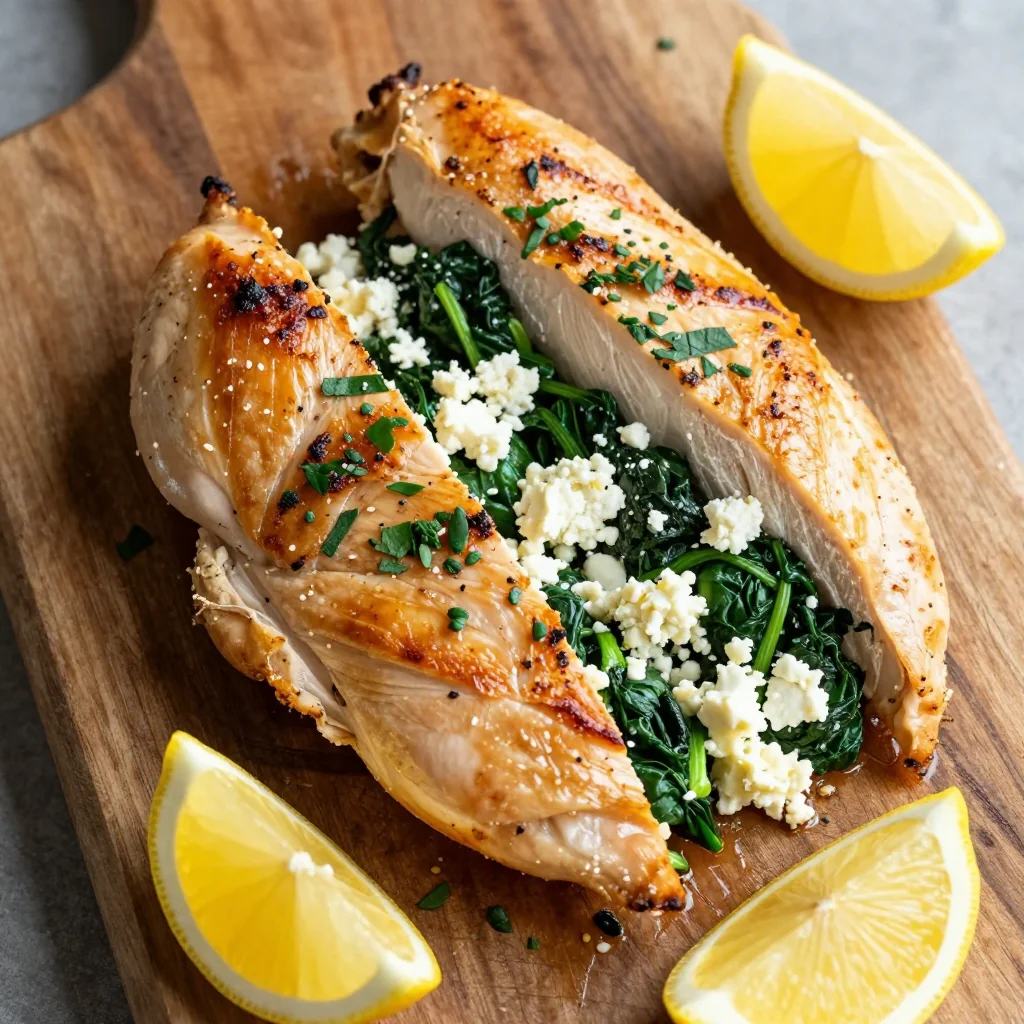
Spinach & Feta Cordon Bleu
Swap Swiss cheese for feta and add a handful of fresh spinach between the ham and cheese. The spinach wilts during baking, creating a green, flavorful interior. The feta adds a tangy contrast that pairs beautifully with the creamy sauce.
Chicken Tikka Cordon Bleu
Marinate the chicken in a mixture of yogurt, garam masala, and lemon juice before coating. Add a sprinkle of chopped cilantro to the sauce for a fresh finish. The result is an Indian‑inspired twist that’s both aromatic and satisfying.
Smoked Salmon & Goat Cheese Variation
Replace ham with thin slices of smoked salmon and use goat cheese instead of Swiss. The salmon adds a delicate, smoky flavor while the goat cheese offers a creamy, tangy texture. This version is perfect for brunch or a light dinner.
Vegan Cordon Bleu
Use a plant‑based ham substitute and a vegan cheese that melts well, such as a mozzarella‑style vegan cheese. Replace the butter with olive oil and use a plant‑based milk for the sauce. The vegan version still delivers that iconic crunch and creamy sauce.
Truffle Oil Finish
Drizzle a few drops of truffle oil over the baked chicken before serving. The earthy aroma elevates the dish to a gourmet level, while the truffle oil adds a luxurious finish. Use sparingly, as a little goes a long way.
Storing and Bringing It Back to Life
Fridge Storage
Let the chicken cool completely, then store it in an airtight container in the refrigerator for up to three days. This keeps the chicken moist and the crust intact. When ready to serve, reheat in a 350°F (175°C) oven for 10 minutes to restore crispness.
Freezer Friendly
Wrap each piece tightly in plastic wrap and place in a freezer bag. The chicken can be frozen for up to two months. Thaw overnight in the refrigerator before reheating as described above. Freezing preserves the flavor profile without compromising texture.
Best Reheating Method
To bring the dish back to life, preheat your oven to 350°F (175°C). Place the chicken on a baking sheet and cover loosely with foil to keep it from drying out. Add a splash of water to the pan to create steam, which helps the sauce reheat evenly. Bake for 12–15 minutes, then remove the foil and bake an additional 2–3 minutes to crisp the crust again.