I still remember the night I accidentally created the most addictive appetizer in my kitchen arsenal. It was one of those chaotic evenings when I promised to bring something impressive to a potluck but had exactly forty-five minutes before I needed to leave. My original plan was to make traditional tacos, but I realized I had forgotten to buy tortillas. In a moment of desperation, I spotted a package of wonton wrappers I'd bought on a whim, and something clicked in my brain. What happened next was pure culinary magic that had my friends fighting over the last piece like seagulls over a french fry.
The first batch emerged from the oil looking like golden fortune cookies that had been hitting the gym, all rippled and bronzed with these gorgeous crispy edges that shattered like thin ice when you bit into them. The smell was absolutely intoxicating — a heady mix of sesame oil, garlic, and something indefinably addictive that made my neighbor knock on my door asking what on earth I was making. When I handed him one, his eyes went wide and he immediately asked for the recipe, which at that point didn't even exist yet because I was making it up as I went along.
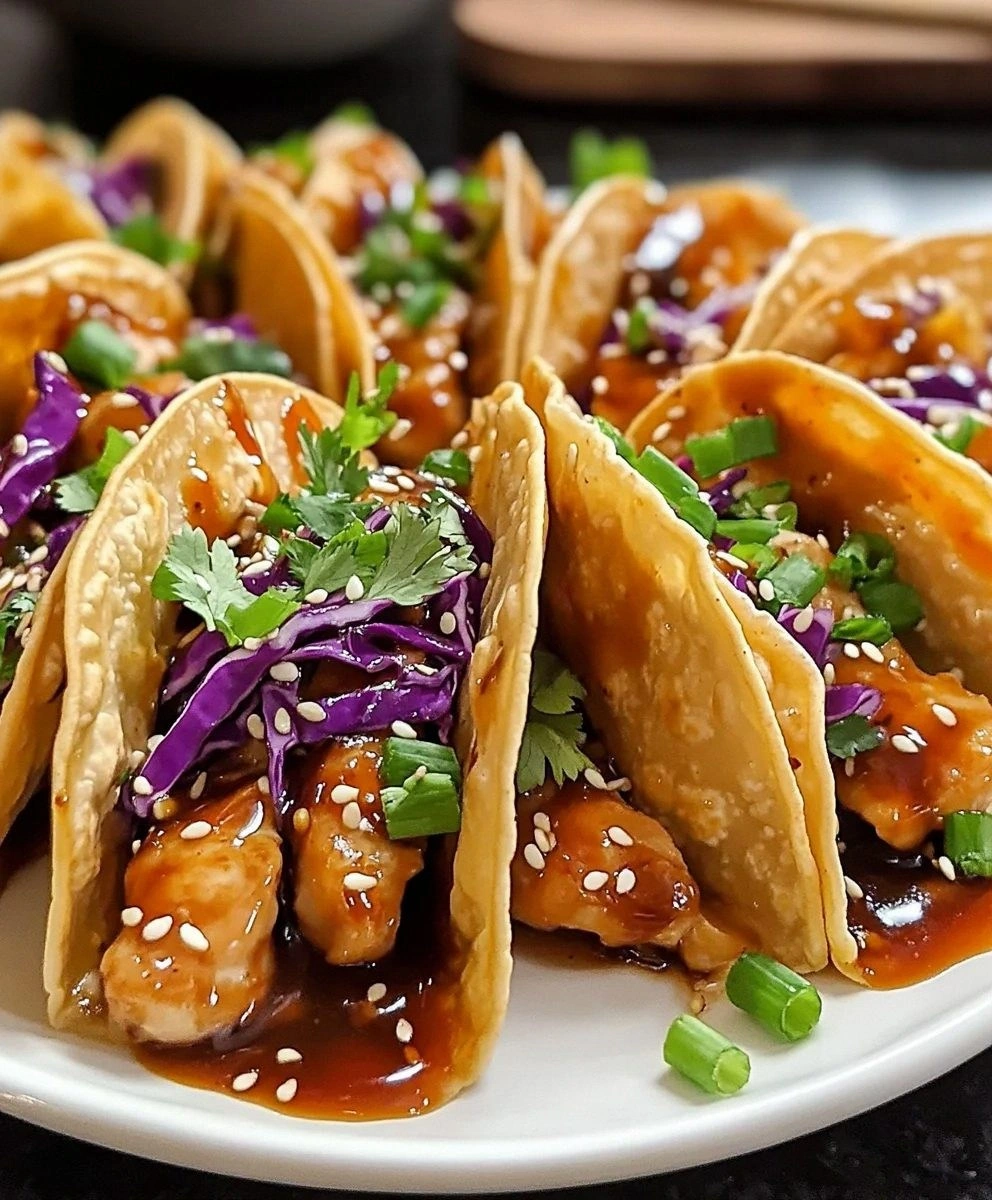
What makes these crispy Asian chicken wonton tacos so dangerously delicious is the perfect marriage of textures and flavors. Picture this: a wonton shell that's been carefully shaped into a taco form, fried until it develops these lacy, blistered edges that crunch like a potato chip, then filled with juicy chicken that's been kissed with ginger, garlic, and a secret blend of Asian sauces that'll make your taste buds do a happy dance. The contrast between the shatteringly crisp shell and the tender, saucy chicken is what separates this from any other appetizer you've tried. I've served these at game nights, dinner parties, and even as a cheeky midnight snack, and they disappear faster than free samples at Costco.
Here's the thing that'll make you the hero of your next gathering: these look incredibly impressive but are surprisingly straightforward to make once you know the tricks. I'm about to share with you the exact technique that prevents the wonton shells from collapsing, the chicken seasoning blend that took me six attempts to perfect, and the assembly order that keeps everything crisp and fresh. Let me walk you through every single step — by the end, you'll wonder how you ever made it any other way.
What Makes This Version Stand Out
- Crispy Perfection: The wonton shells fry up with these gorgeous air pockets that create an ultra-light, shatteringly crisp texture that puts regular taco shells to shame. It's like the difference between a potato chip and a tortilla chip — once you taste this level of crunch, there's no going back.
- Umami Bomb: The chicken marinade combines soy sauce, oyster sauce, and a touch of fish sauce to create layers of savory depth that make your taste buds sit up and pay attention. Most recipes use a simple soy-ginger combo, but this trio creates a flavor profile that's restaurant-quality complex.
- Make-Ahead Friendly: You can prep the chicken mixture up to two days ahead and fry the wonton shells earlier in the day, then just assemble when guests arrive. This means you're not stuck in the kitchen while everyone else is having fun — a game-changer for stress-free entertaining.
- Customizable Heat: The base recipe has a gentle warmth that even spice-wimps can handle, but you can easily crank up the heat with chili oil or sriracha for those who like it fiery. Each person can customize their own, making it perfect for mixed crowds.
- Instagram-Worthy: These look like something from a trendy fusion restaurant, with the golden wonton shells cradling colorful toppings. Your foodie photos will get double-takes, and people will assume you spent hours in the kitchen perfecting them.
- Texture Play: Between the crispy shell, tender chicken, crunchy cabbage, and creamy sriracha mayo, every bite hits different notes that keep your palate engaged. It's not just about flavor — the textural contrast is what makes people reach for "just one more" until the plate is empty.
- Weeknight Simple: Despite looking fancy, the whole thing comes together in under 45 minutes, including prep time. You probably have most of the ingredients in your pantry already, making this an impressive emergency appetizer for unexpected guests.
- Flavor Memory: This is one of those recipes that people remember and ask for by name months later. The combination of familiar taco comfort with the excitement of Asian flavors creates a memorable eating experience that stands out from typical party fare.
Inside the Ingredient List
The Flavor Base
The chicken is the star of this show, and using boneless, skinless chicken thighs instead of breast meat is non-negotiable in my book. Thighs have this gorgeous marbling of fat that keeps them juicy even if you accidentally overcook them slightly, plus they absorb marinades like a sponge. I learned this the hard way after making my first batch with chicken breast that turned out drier than a desert wind. The dark meat brings a deeper, more chicken-y flavor that stands up beautifully to the bold Asian seasonings we're about to throw at it.
Soy sauce forms the backbone of our marinade, but not all soy sauces are created equal. I use a combination of regular soy sauce for salt and a touch of dark soy sauce for color and that gorgeous caramelized finish. If you skip the dark soy sauce, you'll still get great flavor, but you'll miss out on that gorgeous glossy sheen that makes the chicken look like it came from a restaurant kitchen. The difference is like comparing a black and white photo to technicolor — both are good, but one is clearly more special.
Oyster sauce is the ingredient that makes people ask "what's in this?" in the best possible way. It's thick, slightly sweet, and packed with umami that adds incredible depth to the chicken. If you're vegetarian, you can substitute with mushroom-based vegetarian oyster sauce, but the flavor will be slightly different. I've found that just a tablespoon makes the difference between good chicken and "holy cow, what did you put in this?" chicken.
The Texture Crew
Wonton wrappers are where the magic really happens, but you need to buy the right kind. Look for the square ones, not round, and check that they're made with egg for the best texture and color when fried. The cheap brands tend to be too thick and turn chewy instead of crispy, while premium brands fry up lighter than air. If you can only find round wrappers, they'll work, but you'll need to trim them into squares for the taco shape to work properly.
The cabbage isn't just filler — it provides a fresh, peppery crunch that cuts through the richness of the chicken and the creaminess of the sauce. I use a mix of green and purple cabbage because the purple adds gorgeous color contrast, but green cabbage works fine if that's what you have. The trick is to slice it as thin as possible so it wilts slightly from the heat of the chicken without becoming soggy. Think of it as the vegetable equivalent of a crisp, refreshing palate cleanser between bites of intensely flavored chicken.
Fresh ginger and garlic are absolutely essential here, and I can always tell when someone tries to substitute powdered versions. Fresh ginger has this bright, almost citrusy heat that wakes up your entire mouth, while fresh garlic brings a pungent sharpness that mellows into sweet complexity when cooked. The difference is like comparing fresh lemon juice to the bottled stuff — technically the same thing, but worlds apart in flavor impact.
The Unexpected Star
Fish sauce might seem like an odd addition to tacos, but hear me out. Just a teaspoon adds an incredible depth and complexity that makes people wonder why your chicken tastes so much better than theirs. It's like adding a secret ingredient that nobody can quite identify but everyone knows makes it special. The key is to use it sparingly — too much and your kitchen will smell like low tide, but just enough and it creates this savory umami bomb that makes the other flavors sing.
Rice vinegar brings a gentle acidity that brightens everything up without being as harsh as regular white vinegar. It's made from fermented rice and has this subtle sweetness that pairs beautifully with the salty and sweet elements in the dish. If you don't have rice vinegar, you can substitute with white wine vinegar, but reduce the amount slightly since it's more acidic. The vinegar helps cut through the richness of the fried shell and makes you want to keep eating "just one more."
The Final Flourish
Sesame oil is the finishing touch that makes everything taste authentically Asian. Just a drizzle at the end brings this nutty, aromatic quality that ties all the flavors together. Never cook with sesame oil — always add it at the end because heat destroys its delicate flavor compounds. Think of it like a perfume for your food; a little goes a long way, but without it, everything falls flat.
Sriracha mayo might seem basic, but the ratio makes all the difference. I use three parts mayo to one part sriracha, with a squeeze of lime to brighten it up. The mayo should be just spicy enough to make your lips tingle, but not so hot that it overpowers the other flavors. You can substitute with Greek yogurt for a lighter version, but the richness of real mayo creates the perfect counterpoint to the crispy shell.
Everything's prepped? Good. Let's get into the real action...
The Method — Step by Step
- Start by cutting your chicken thighs into small, even pieces — about the size of a blueberry. This ensures they cook quickly and absorb maximum flavor from the marinade. In a bowl, combine the chopped chicken with soy sauce, dark soy sauce, oyster sauce, fish sauce, minced garlic, grated ginger, and a touch of cornstarch. The cornstarch might seem odd, but it creates a velvety coating that helps the chicken stay juicy and helps the sauce cling to every piece. Mix everything with your hands (wear gloves unless you want garlicky fingers for days) and really work the seasonings into the meat. Cover and let it marinate for at least 15 minutes, but if you have time, let it go for an hour or even overnight — the longer it sits, the deeper the flavor develops.
- While the chicken marinates, it's time to shape your wonton taco shells. Heat about 2 inches of neutral oil in a heavy-bottomed pot to 350°F — use a candy thermometer if you have one, or test by dropping in a small piece of wonton wrapper; it should sizzle immediately and float to the top. Here's the game-changing trick: take two wooden spoons and position them in your oil so they form an inverted V-shape. Drape a wonton wrapper over the spoons, pressing gently so it forms a taco shell shape. The hot oil will set the shape within seconds, creating perfect taco shells that hold their form. Work in batches of 2-3 at a time so you don't crowd the pot and drop the oil temperature.
- Fry each shell for about 45-60 seconds until it's golden brown and crispy. They go from perfect to burned quickly, so don't walk away. When they're ready, they'll feel rigid when you lift them with tongs and have a beautiful golden color with slightly darker edges. Drain them on a wire rack set over paper towels, standing them upright so any excess oil can drip off. They'll crisp up even more as they cool, so don't worry if they seem a tiny bit flexible when you first take them out. Season them immediately with a light sprinkle of salt while they're still hot.
- Now for the chicken — heat a wok or large skillet over high heat until it's smoking hot. Add a tablespoon of oil, then dump in your marinated chicken in a single layer. Let it sit undisturbed for about 2 minutes to develop that gorgeous caramelized crust. This is where the maillard reaction works its magic, creating those complex, nutty flavors that make restaurant food taste better than home cooking. After 2 minutes, start stirring and flipping the pieces until they're cooked through and glossy with sauce. The whole process should take about 6-8 minutes total. The chicken should be golden-brown with slightly charred edges and coated in a shiny, sticky sauce that makes you want to lick the pan.
- While the chicken cooks, make your sriracha mayo by mixing mayonnaise with sriracha and a squeeze of lime juice. Start conservative with the sriracha — you can always add more, but you can't take it away once it's in there. The lime juice is crucial because it brightens up the rich mayo and makes it taste fresh rather than heavy. Mix it up and give it a taste; it should be creamy with a gentle heat that builds slowly rather than hitting you all at once. If it's too spicy, add more mayo; if it's too mild, add more sriracha. Set it aside in the fridge while you prep your vegetables.
- Slice your cabbage as thin as humanly possible — use a mandoline if you have one, or practice your knife skills. The goal is to get it almost translucent so it adds crunch without bulk. Mix green and purple cabbage for color contrast, or just use whatever you have. Toss it with a tiny pinch of salt and a squeeze of lime juice to wake up the flavors and help it stay crisp. This also prevents it from wilting too quickly once you assemble the tacos.
- Time to assemble — this is where the magic happens. Take a crispy wonton shell and spoon in about a tablespoon of the hot chicken. Don't overfill or it'll be impossible to eat without making a mess. The chicken should be warm enough to slightly wilt the cabbage but not so hot that it makes the shell soggy. Top with a small handful of the prepared cabbage, then drizzle with the sriracha mayo. Finish with a sprinkle of sesame seeds, sliced green onions, and a few drops of sesame oil for that final aromatic touch.
- Serve these immediately — and I mean immediately. The beauty of these tacos is the contrast between the hot, juicy chicken and the cool, crisp toppings, all contained in that shatteringly crisp shell. They hold for about 10-15 minutes before the shells start to soften, so don't make them ahead. Arrange them on a platter, garnish with some extra green onions and maybe a few cilantro leaves if you're feeling fancy, and watch them disappear. I guarantee you'll be making a second batch within minutes of the first one vanishing.
That's it — you did it. But hold on, I've got a few more tricks that'll take this to another level...
Insider Tricks for Flawless Results
The Temperature Rule Nobody Follows
Here's the thing that separates amateur fried food from restaurant-quality results: oil temperature control. Most home cooks just heat oil until it "looks hot" and start frying, but professional chefs treat oil temperature like a sacred science. For these wonton tacos, you need to maintain 350°F throughout the entire frying process, which means using a thermometer and adjusting your heat constantly. When you drop in the wonton wrappers, the oil temperature drops, so you need to bump up the heat slightly. As the shells finish frying, the oil gets hotter, so you need to turn it down. It's like conducting an orchestra — every element needs to be perfectly timed.
I learned this lesson the hard way after making my first batch with oil that was too cool, resulting in greasy, limp shells that tasted like disappointment. The second batch was fried in oil that was too hot, and the shells browned before they set their shape, creating these weird, malformed taco shells that looked like they'd been through a windstorm. Now I keep my thermometer clipped to the side of the pot and adjust the heat constantly, like a helicopter parent monitoring their child's temperature during flu season.
Why Your Nose Knows Best
Your sense of smell is your most underutilized kitchen tool, especially when it comes to knowing when oil is ready for frying. When the oil hits 350°F, it starts to develop this distinctive "hot oil" aroma that's different from the raw oil smell. It's subtle, but once you learn to recognize it, you'll never need a thermometer again. The oil will also start to shimmer and move differently — it develops these beautiful convection currents that look almost like liquid marble. Trust your instincts and your nose; they're more reliable than you think.
This skill becomes especially important when you're making multiple batches of tacos. After the first batch, you'll start to notice how the oil smells when it's at the perfect temperature, and you'll develop an almost Pavlovian response to that aroma. My husband can tell when I'm frying these from two rooms away just by the smell, and he always materializes in the kitchen right when I'm pulling the first batch out of the oil. It's like having a built-in dinner bell that works on humans instead of just farm animals.
The 5-Minute Rest That Changes Everything
After you fry the wonton shells, resist the urge to immediately start loading them up with chicken and toppings. Let them rest for at least 5 minutes on a wire rack. This isn't just about letting excess oil drain away — it's about allowing the shells to finish setting their structure. When they first come out of the oil, they're still slightly flexible and continue to crisp up as they cool. If you fill them too early, the weight of the toppings can cause them to crack or lose their shape. Think of it like letting a cake cool before frosting — patience here pays off big time.
I discovered this trick after ruining an entire batch by being too eager. I filled the shells while they were still warm, and within minutes they started to sag and crack under the weight of the chicken. The second batch, I let rest for 5 minutes while I finished preparing the toppings, and they held their shape perfectly even after being loaded up. Sometimes the best technique is simply waiting, which is hard for someone as impatient as me, but absolutely worth it for perfect results.
Creative Twists and Variations
This recipe is a playground. Here are some of my favorite ways to switch things up:
The Surf and Turf Edition
Replace half the chicken with small shrimp that you've marinated in the same mixture. The shrimp cooks even faster than the chicken, so add it to the pan during the last 2 minutes of cooking. The combination of chicken and shrimp gives you the best of both worlds — the hearty satisfaction of chicken with the sweet delicacy of shrimp. Top with a little extra sriracha mayo and some thinly sliced cucumber for a fresh crunch that complements the seafood beautifully.
The Vegetarian Dream
Substitute the chicken with firm tofu that you've pressed and crumbled into bite-sized pieces. The tofu absorbs the marinade beautifully and gets crispy edges when you cook it in a hot pan. Add some sautéed mushrooms for extra umami depth, and you've got a vegetarian version that even meat-lovers devour. The key is to get your pan screaming hot so the tofu develops those caramelized edges that give it texture and flavor.
The Korean Fusion
Add a tablespoon of gochujang to the marinade for a Korean twist that brings heat and a subtle sweetness. Top with kimchi instead of cabbage for an extra punch of fermented flavor that pairs beautifully with the rich chicken. Finish with a sprinkle of toasted sesame seeds and some thinly sliced scallions. This version has such incredible depth of flavor that you'll find yourself making it even when you don't have guests to impress.
The Thai-Inspired Version
Swap the soy sauce for fish sauce and add a tablespoon of Thai sweet chili sauce to the marinade. Include some minced lemongrass and Thai basil for an aromatic quality that transports you straight to Bangkok street food heaven. Top with a quick pickle of julienned carrots and daikon radish for brightness and crunch. This version is brighter and more herbaceous than the original, perfect for summer gatherings.
The Breakfast Taco
Replace the chicken with scrambled eggs that you've cooked with the same seasonings, but reduce the soy sauce slightly since eggs are more delicate. Add some crumbled breakfast sausage for richness, and top with a drizzle of maple sriracha instead of plain sriracha mayo. These are incredible for brunch — the crispy wonton shells give you that breakfast potato element while the Asian flavors wake up your palate better than coffee.
The Dessert Fusion
This might sound crazy, but hear me out — fry the wonton shells as directed, then fill them with sweetened cream cheese and fresh fruit. The shells become like crispy fortune cookies, and the contrast between the crunchy shell and creamy filling is absolutely addictive. Try it with mango and a drizzle of honey, or strawberries with balsamic glaze. It's like an Asian-inspired cannoli that'll make you rethink everything you thought you knew about fusion cuisine.
Storing and Bringing It Back to Life
Fridge Storage
Here's the brutal truth: these tacos are best served immediately, and they don't store well fully assembled. However, you can prep all the components ahead of time and assemble just before serving. Store the fried wonton shells in an airtight container at room temperature for up to 2 days — they'll lose some of their crispness but can be refreshed in a 300°F oven for 5 minutes. The chicken mixture keeps beautifully in the fridge for up to 3 days, and the cabbage will stay crisp for 2 days if stored in a container lined with paper towels to absorb excess moisture.
Never, and I mean never, store fully assembled tacos. The shells will absorb moisture from the toppings and turn into sad, soggy shadows of their former glory within hours. It's like trying to store a soufflé — some things are meant to be enjoyed fresh or not at all. If you absolutely must make them ahead, store each component separately and assemble just before serving. Yes, it's more work, but the difference between fresh and reheated is the difference between a symphony and a kazoo band.
Freezer Friendly
The chicken mixture freezes beautifully for up to 3 months — just let it cool completely, then store in freezer bags with as much air removed as possible. Thaw overnight in the fridge, then reheat in a skillet with a splash of water to loosen up the sauce. The wonton shells can be fried ahead and frozen too, but they need special treatment: freeze them in a single layer on a baking sheet, then transfer to a container with parchment paper between layers. Reheat from frozen in a 350°F oven for 8-10 minutes until crispy again.
I always make a double batch of chicken and freeze half for emergency entertaining. It's like having a secret weapon in your freezer that can turn you into the host with the most at a moment's notice. The frozen chicken thaws quickly and tastes just as good as fresh, making this perfect for those "oh no, people are coming over in an hour" moments that seem to happen to me with alarming frequency.
Best Reheating Method
If your wonton shells have gone soft, don't despair — you can bring them back to life with a quick trip to the oven. Spread them on a baking sheet and heat at 300°F for 5-7 minutes until they crisp up again. Add a tiny splash of water to the chicken when reheating — it creates steam that helps warm it through without drying it out. The microwave is your enemy here — it'll turn the shells rubbery and the chicken tough. Always reheat in a skillet or oven for best results.
For the cabbage, if it's gone a bit limp, you can refresh it in ice water for 10 minutes, then spin it dry. It's like giving your vegetables a spa treatment that brings them back to life. The sriracha mayo should be made fresh each time — it takes literally 2 minutes and makes all the difference in the final dish. Trust me, I've tried storing it, and it just never tastes the same after a day in the fridge.