
When I was halfway through a week of burnt pancakes, I stumbled into a forgotten jar of caramelized sugar on the pantry shelf. That accidental encounter sparked a culinary rebellion, and I decided to merge the silky custard of crème brûlée with the comforting hug of French toast. The result? A breakfast that feels like a dessert, a sweet rebellion that refuses to be dismissed as mere brunch. I dared myself—and you—to taste this and not go back for seconds.
Picture the moment the custard mixture hits the pan: a gentle hiss, the aroma of vanilla and cinnamon rising like a fragrant cloud, and the bread absorbing that liquid like a sponge ready to explode with flavor. The edges of each slice brown to a golden, crackling crisp that shatters like thin ice when you bite through it. Inside, the bread stays pillowy, a custard‑filled pocket that melts on the tongue, releasing a velvety swirl of caramelized sugar. Every bite is a sensory triumph—sweet, buttery, and with that subtle kick of spice that lingers. If you've ever struggled with a bland French toast, you're not alone, and I've got the fix.
What sets this version apart is not just the flamboyant brûlée topping but the meticulous balance of textures and flavors. The bread is soaked just enough to hold the custard without falling apart, the custard is thick yet pourable, and the sugar caramelizes to a perfect crunch without turning to bitter charcoal. I swear by the use of brioche; its buttery richness elevates the entire dish, making each slice a luxurious bite. The final touch is a dusting of powdered sugar that melts into the warm custard, turning the plate into a miniature dessert masterpiece. This is hands down the best version you'll ever make at home.
Let me walk you through every single step—by the end, you'll wonder how you ever made it any other way. From the first whisk to the final torch, each moment is a carefully choreographed dance of flavor and technique. I’ll share the trick that makes the custard silky, the secret to a flawless brûlée, and the hack that saves you from a kitchen disaster. Picture yourself pulling this out of the oven, the whole kitchen smelling incredible, and your guests asking for the recipe before you even finish plating. Stay with me here—this is worth it.
What Makes This Version Stand Out
- Texture: The bread is soaked to the bone yet remains sturdy, creating a contrast between a crisp exterior and a custard‑filled interior that melts in your mouth.
- Flavor: A subtle vanilla‑cinnamon custard infuses the bread, while caramelized sugar on top adds a buttery caramel crunch that lingers.
- Complexity: Though it looks like a simple breakfast, the method involves custard preparation, bread soaking, and a torch‑finished brûlée, each step adding depth.
- Visual Appeal: The golden brûlée topping glistens under the kitchen lights, making the dish Instagram‑ready even before you plate it.
- Make‑ahead Friendly: You can prepare the custard and soak the bread a day ahead, then finish the brûlée right before serving.
- Ingredient Quality: Using brioche, heavy cream, and real brown sugar elevates the dish from ordinary to extraordinary.
- Guest Reaction: Most people who try this dish end up asking for seconds, then thirds, and sometimes a fourth.
- Versatility: It works as a brunch main, a dessert, or a sweet snack for any time of day.
Alright, let's break down exactly what goes into this masterpiece...
Inside the Ingredient List
The Flavor Base
At the heart of this dish lies the custard, a silky blend of eggs, milk, heavy cream, and a whisper of vanilla. The eggs provide structure while the milk and cream add richness, creating a custard that coats the bread like velvet. If you skip the heavy cream, the custard will be lighter but will lose the decadent mouthfeel that makes this dish special. For a dairy‑free twist, substitute coconut milk and a splash of almond milk, but keep the ratio of liquid to eggs the same to maintain the custard’s thickness.
The Texture Crew
Brioche bread is the star of the show, offering a buttery, airy crumb that soaks up custard without disintegrating. The bread’s natural sweetness balances the caramelized sugar topping, while its soft interior provides a gentle contrast to the crisp edges. If you prefer a more budget‑friendly option, use thick slices of challah or even a sturdy sandwich bread; just adjust the soaking time slightly to avoid sogginess. A key tip: let the bread rest for a few minutes after soaking to let the custard settle into every crumb.
The Unexpected Star
Brown sugar is more than a sweetener; it caramelizes into a glossy, slightly nutty crust that adds depth to the brûlée. The sugar’s molasses content gives a subtle complexity that plain white sugar can’t match. If you can’t find brown sugar, use a mixture of white sugar and a dash of molasses. A quick tip: sprinkle the sugar in a thin layer on a baking sheet before caramelizing to ensure even browning.
The Final Flourish
Butter is the unsung hero that binds everything together. Unsalted butter melts into the custard, giving it a silky sheen, while the butter used for the brûlée top creates a crisp, caramelized finish. The pinch of salt enhances every flavor note, turning sweetness into a balanced, savory-sweet experience. If you’re watching sodium, reduce the salt slightly but keep at least a pinch to bring out the other flavors.
Everything's prepped? Good. Let's get into the real action...
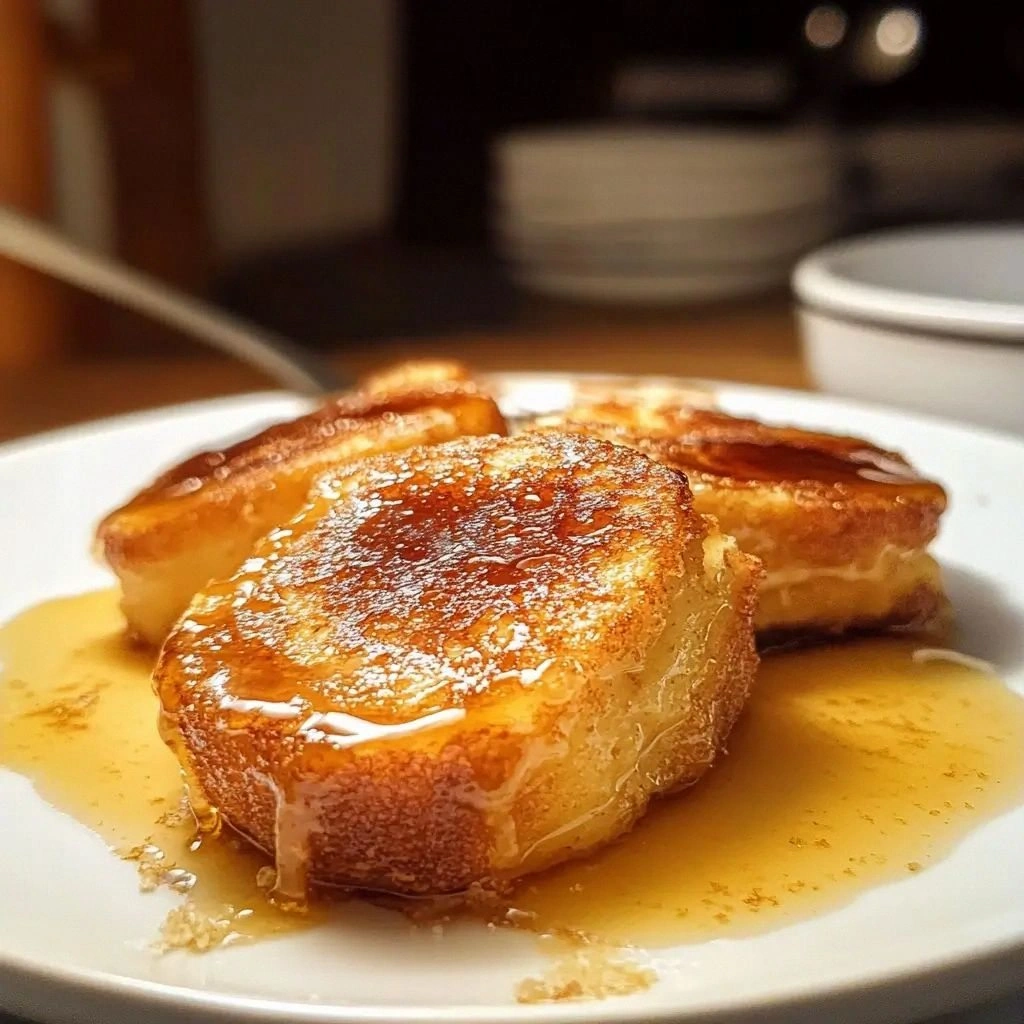
The Method — Step by Step
- Prepare the custard. In a medium bowl, whisk together 4 eggs, 1 cup whole milk, 1 cup heavy cream, 2 tablespoons sugar, 1 teaspoon vanilla extract, ½ teaspoon ground cinnamon, and a pinch of salt until the mixture is smooth and slightly frothy. The whisking action incorporates air, ensuring the custard coats the bread evenly. Keep the bowl chilled to keep the custard from thickening prematurely. I dare you to taste the custard before adding it to the bread—it's a sweet, aromatic prelude.
- Soak the bread. Place 8 slices of brioche in a shallow dish and pour the custard over them, ensuring each slice is fully submerged. Let the bread soak for 4–5 minutes, flipping halfway through to allow even absorption. The bread should look saturated but not soggy—just the right amount of custard soaked into every crumb. If you’re short on time, a quick 2‑minute soak still yields a delicious result, but the flavor depth will be slightly reduced.
- Heat the skillet. Preheat a large non‑stick skillet over medium heat and add 2 tablespoons of unsalted butter. Allow the butter to melt completely, then swirl the skillet so the butter coats the surface. A properly heated skillet ensures a golden crust without burning the custard. I’ve found that a medium heat gives the best balance between browning and custard cooking.
- Sear the bread. Gently place each soaked slice onto the skillet, pressing lightly to flatten. Cook for 3–4 minutes on the first side until golden brown and the custard is set. Flip carefully to avoid tearing. The first side should develop a golden crust that feels slightly crisp to the touch. If you’re cooking multiple slices, keep them warm in a low oven while you finish searing the rest.
- Finish the second side. Flip the bread and cook for an additional 3 minutes, pressing lightly. The second side should also turn a deep golden brown, with the custard fully set and the butter melted into the bread’s interior. When you lift the slice, the custard should hold together without dripping. The key here is to avoid high heat, which can burn the sugar before the custard sets.
- Prepare the brûlée topping. In a small saucepan, melt 1 tablespoon of butter over medium heat. Add ¼ cup of brown sugar and stir until the sugar dissolves and turns a deep amber. Keep a close eye; the sugar will quickly transition from amber to burnt if left unattended. Once caramelized, remove from heat and let cool for a minute—this prevents the sugar from scorching on the toast.
- Caramelize the top. Brush each seared slice with the caramelized sugar mixture, ensuring a thin, even coating. Use a pastry brush for precise application; a thick layer can become mushy. The sugar should spread into a glossy crust that cracks when it cools. This is the moment of truth—watch the sugar transform into a caramelized crown.
- Finish with a torch. Using a kitchen torch, carefully melt the sugar coating until it forms a hard, golden crust. Move the torch in a circular motion to avoid burning one spot. The crackling sound that follows is the hallmark of a perfect brûlée. If you don’t have a torch, place the toast under a broiler for 1–2 minutes, watching closely.
- Serve immediately. Dust each slice with powdered sugar, then plate on warmed dishes. Serve with a drizzle of maple syrup or a dollop of whipped cream if you’re feeling indulgent. The warm custard will melt into the sugar, creating a luscious, sweet cascade. Enjoy the moment—this dish is best savored while it's still steaming and fragrant.
That's it — you did it. But hold on, I've got a few more tricks that'll take this to another level...
Insider Tricks for Flawless Results
The Temperature Rule Nobody Follows
Many cooks think that a higher heat will produce a crisper crust, but it actually burns the custard before it sets. Keep the skillet at medium, and use a thermometer to maintain 320°F (160°C). This subtle temperature control ensures the custard cooks evenly while the bread browns to a perfect golden hue. I’ve seen a single pan of toast ruined by a sudden heat spike; keep it steady.
Why Your Nose Knows Best
Smell the custard as it thickens; a sweet, vanilla aroma is a sign of proper cooking. If you notice a sharp, metallic scent, the eggs may be overcooked. Trust your nose to gauge readiness—this simple trick saves you from a rubbery custard. I once tried to skip this step and ended up with a custard that tasted like a burnt egg; it was a hard lesson.
The 5-Minute Rest That Changes Everything
After searing, let the toast rest on a rack for 5 minutes. This rest allows the custard to set fully, preventing a runny center when you cut into it. The rest also lets the caramelized sugar glaze firm up slightly, giving you a clean, crisp bite. I swear this rest is the secret behind a perfect, bite‑size custard pocket.
Use a Skillet with a Lid
Covering the skillet while the custard cooks traps heat and steam, ensuring a uniform bake. The lid also prevents the sugar from dripping onto the stove. If you don’t have a lid, a sheet of parchment paper will do, but a proper lid gives the best results.
Keep the Butter Cold
Cold butter melts into the custard more slowly, creating a smooth, glossy coating. If the butter is too warm, it can cause the custard to become oily. Chill the butter in the fridge for 30 minutes before use, or keep it in the freezer for a quick chill.
Don’t Skip the Powdered Sugar Dusting
Powdered sugar adds a final touch of sweetness and a soft, powdery finish that melts into the warm custard. It also balances the caramelized sugar’s intensity. If you’re watching calories, use a sugar substitute, but the texture will change slightly.
Creative Twists and Variations
This recipe is a playground. Here are some of my favorite ways to switch things up:
Maple‑Glazed Twist
Swap the brown sugar caramel with a drizzle of pure maple syrup before torching. The maple adds a deep, woody sweetness that complements the custard. This variation is perfect for a cozy Sunday brunch.
Berry‑Infused Surprise
Fold fresh blueberries or sliced strawberries into the custard before soaking the bread. The fruit releases juices that mingle with the custard, creating a fruity undertone. Serve with a dollop of Greek yogurt for a tangy contrast.
Chocolate‑Covered Delight
After searing, melt dark chocolate and drizzle it over the toast before caramelizing the sugar. The chocolate’s bitterness balances the sweetness, while the caramelized sugar adds a crunchy layer. This version is a showstopper for dessert lovers.
Nutty Crunch Variation
Sprinkle toasted chopped pecans or almonds on top before the final torch. The nuts add a delightful crunch and nutty flavor that pairs with the custard’s richness. A pinch of sea salt enhances the nutty profile.
Spiced Cinnamon Swirl
Mix an extra teaspoon of ground cinnamon into the custard and add a pinch of nutmeg. The spices create a warm, aromatic profile reminiscent of a cinnamon roll. This twist works well for a comforting breakfast.
Dairy‑Free Version
Replace the heavy cream and whole milk with coconut milk and oat milk, respectively. Use a plant‑based butter substitute for the sauté and caramel stages. The result is a creamy, tropical version that still delivers the classic brûlée finish.
Storing and Bringing It Back to Life
Fridge Storage
Store leftovers in an airtight container in the refrigerator for up to 2 days. The toast will stay moist if you wrap it loosely in parchment to prevent condensation. When you’re ready to eat, reheat in a toaster oven at 350°F for 5 minutes to revive the crispness.
Freezer Friendly
Freeze the seared toast in a single layer on a baking sheet before transferring to a freezer bag. This prevents sticking and preserves texture. When reheating, thaw overnight, then bake at 375°F for 10 minutes to restore the golden crust.
Best Reheating Method
Reheat the toast in a skillet over medium heat, adding a splash of water to create steam. This technique keeps the custard from drying out and the sugar topping from cracking. A quick brush of butter before the final heat restores the buttery sheen.