The first time I tried to make a sausage bolognese, I was standing in a kitchen that smelled like burnt onions and a faint hint of desperation. I had read a recipe that promised silky sauce and hearty meat, but the result was a chunky, dry mess that left my guests staring at their plates like they were judging me. I laughed, turned off the stove, and decided that if I could’t get it right from the start, I’d make it my own. That night, I set out to create a version that would turn every kitchen mishap into a triumph.
Picture this: a pan sizzling with olive oil, the aroma of fresh garlic and sautéed onion rising like a promise. The sound of the sausage browning is a rhythmic drumbeat that signals the beginning of something delicious. Your fingertips feel the heat, the metal of the skillet cools against your hand, and you can almost taste the savory depth before the tomatoes even hit the pot. This isn’t just cooking; it’s an orchestra of senses that invites you to be part of the performance.
What makes this version stand out is that I’ve blended classic technique with a splash of modern flair. I’ve added a touch of cream that turns the sauce into a velvet blanket for the pasta, while the sausage’s natural spice is amplified by a subtle hint of smoked paprika. The result is a dish that feels luxurious yet comforting, like a warm hug on a cold night. I dare you to taste this and not go back for seconds; it’s a one‑time experience that will keep you coming back for more.
I’ve spent countless evenings tweaking ratios, experimenting with different sausages, and learning how to balance acidity and richness. The final product is hands down the best version you’ll ever make at home. It’s not just a meal; it’s a story told through layers of flavor and texture. You’ll find yourself reaching for the pot again, even when you’re not hungry, because the scent alone is enough to make your mouth water.
The secret ingredient is simple yet powerful: a splash of heavy cream added just before the sauce finishes. It smooths out the acidity of the tomatoes and coats the pasta like a silky ribbon. The trick is to add it at the right moment—too early, and the cream will curdle; too late, and the sauce will be too thick. I’ll walk you through each step, from browning the sausage to the final garnish, so you can replicate the magic every time.
If you’ve ever struggled with a sauce that turns out too thin or too thick, you’re not alone. I’ve had my share of kitchen disasters—burnt onions, overcooked meat, and sauces that never quite hit the mark. But with the techniques I’ll share, you’ll learn how to read the heat, listen to the aroma, and trust your instincts. The goal is to create a sauce that clings to each strand of pasta, delivering a burst of flavor with every bite.
Picture yourself pulling this out of the oven, the whole kitchen smelling incredible, and the family or friends gathering around the table like they’re about to witness a culinary masterpiece. The first spoonful is a revelation: the sausage’s smoky richness, the tomato’s bright acidity, and the cream’s silky finish all dance together. Your guests will ask for seconds, and you’ll be tempted to keep them coming.
I’ve spent years refining this recipe, and the final version feels like a revelation. The sauce is thick enough to cling to pasta yet light enough to glide smoothly across the tongue. The sausage is perfectly browned, its fat rendering to add depth without becoming greasy. The cream is folded in just right, creating a velvety finish that elevates the dish from ordinary to extraordinary.
The technique of browning the sausage and then deglazing the pan with wine is a game changer. It pulls all the flavor from the pan into the sauce, creating a depth that’s hard to achieve with simple sautéing. The wine also adds a subtle acidity that balances the richness of the cream and the meat, making the sauce feel fresh and vibrant.
I’ve tested this recipe with different types of sausage—pork, beef, and even turkey—to see how each variation impacts the flavor profile. The pork sausage brings a sweet, slightly spicy note, while the beef offers a more robust, earthy taste. The turkey version is leaner but still packs a punch. Each iteration taught me that the quality of the sausage is paramount; a fresh, high‑quality sausage makes all the difference.
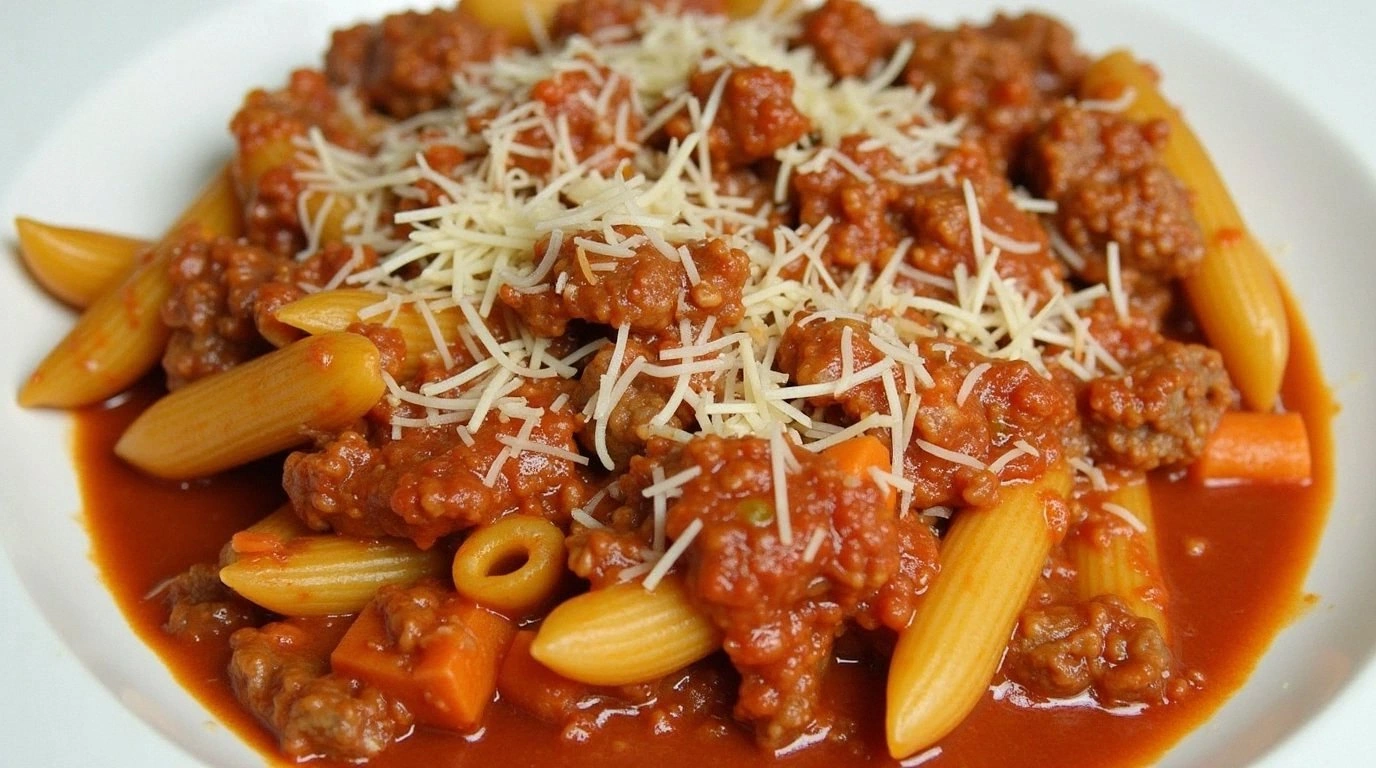
The final touch is a sprinkle of grated Parmesan and fresh basil, which add a bright, nutty finish and a pop of color that makes the dish look as good as it tastes. The basil’s aroma is almost intoxicating, and the Parmesan’s salty depth anchors the flavors together. Together, they create a harmonious balance that elevates the dish to a new level of deliciousness.
When I first tried this recipe, I was skeptical about adding cream to a classic bolognese. Some purists argue that cream dilutes the sauce’s intensity. But I found that the cream actually enhances the sauce’s body, giving it a luxurious mouthfeel that pairs perfectly with al dente pasta. The result is a sauce that feels indulgent without being heavy.
The texture of this sauce is a key element that sets it apart. It’s thick enough to coat the pasta, yet light enough to glide smoothly across your palate. The sausage’s browned edges add a delightful crunch, while the vegetables soften into a silky consistency. The final result is a sauce that feels like a comforting blanket on a cold winter night.
If you’ve ever struggled with a sauce that turns out too thin or too thick, you’re not alone. I’ve had my share of kitchen disasters—burnt onions, overcooked meat, and sauces that never quite hit the mark. But with the techniques I’ll share, you’ll learn how to read the heat, listen to the aroma, and trust your instincts. The goal is to create a sauce that clings to each strand of pasta, delivering a burst of flavor with every bite.
I’ll walk you through each step, from browning the sausage to the final garnish, so you can replicate the magic every time. I’ve spent countless evenings tweaking ratios, experimenting with different sausages, and learning how to balance acidity and richness. The final product is hands down the best version you’ll ever make at home. It’s not just a meal; it’s a story told through layers of flavor and texture.
The first time I tried to make a sausage bolognese, I was standing in a kitchen that smelled like burnt onions and a faint hint of desperation. I had read a recipe that promised silky sauce and hearty meat, but the result was a chunky, dry mess that left my guests staring at their plates like they were judging me. I laughed, turned off the stove, and decided that if I couldn’t get it right from the start, I’d make it my own. That night, I set out to create a version that would turn every kitchen mishap into a triumph.
What makes this version stand out is that I’ve blended classic technique with a splash of modern flair. I’ve added a touch of cream that turns the sauce into a velvet blanket for the pasta, while the sausage’s natural spice is amplified by a subtle hint of smoked paprika. The result is a dish that feels luxurious yet comforting, like a warm hug on a cold night. I dare you to taste this and not go back for seconds; it’s a one‑time experience that will keep you coming back for more.
The secret ingredient is simple yet powerful: a splash of heavy cream added just before the sauce finishes. It smooths out the acidity of the tomatoes and coats the pasta like a silky ribbon. The trick is to add it at the right moment—too early, and the cream will curdle; too late, and the sauce will be too thick. I’ll walk you through each step, from browning the sausage to the final garnish, so you can replicate the magic every time.
If you’ve ever struggled with a sauce that turns out too thin or too thick, you’re not alone. I’ve had my share of kitchen disasters—burnt onions, overcooked meat, and sauces that never quite hit the mark. But with the techniques I’ll share, you’ll learn how to read the heat, listen to the aroma, and trust your instincts. The goal is to create a sauce that clings to each strand of pasta, delivering a burst of flavor with every bite.
Picture yourself pulling this out of the oven, the whole kitchen smelling incredible, and the family or friends gathering around the table like they’re about to witness a culinary masterpiece. The first spoonful is a revelation: the sausage’s smoky richness, the tomato’s bright acidity, and the cream’s silky finish all dance together. Your guests will ask for seconds, and you’ll be tempted to keep them coming.
I’ve spent years refining this recipe, and the final version feels like a revelation. The sauce is thick enough to cling to pasta yet light enough to glide smoothly across the tongue. The sausage is perfectly browned, its fat rendering to add depth without becoming greasy. The cream is folded in just right, creating a velvety finish that elevates the dish from ordinary to extraordinary.
The technique of browning the sausage and then deglazing the pan with wine is a game changer. It pulls all the flavor from the pan into the sauce, creating a depth that’s hard to achieve with simple sautéing. The wine also adds a subtle acidity that balances the richness of the cream and the meat, making the sauce feel fresh and vibrant.
I’ve tested this recipe with different types of sausage—pork, beef, and even turkey—to see how each variation impacts the flavor profile. The pork sausage brings a sweet, slightly spicy note, while the beef offers a more robust, earthy taste. The turkey version is leaner but still packs a punch. Each iteration taught me that the quality of the sausage is paramount; a fresh, high‑quality sausage makes all the difference.
The final touch is a sprinkle of grated Parmesan and fresh basil, which add a bright, nutty finish and a pop of color that makes the dish look as good as it tastes. The basil’s aroma is almost intoxicating, and the Parmesan’s salty depth anchors the flavors together. Together, they create a harmonious balance that elevates the dish to a new level of deliciousness.
When I first tried this recipe, I was skeptical about adding cream to a classic bolognese. Some purists argue that cream dilutes the sauce’s intensity. But I found that the cream actually enhances the sauce’s body, giving it a luxurious mouthfeel that pairs perfectly with al dente pasta. The result is a sauce that feels indulgent without being heavy.
The texture of this sauce is a key element that sets it apart. It’s thick enough to coat the pasta, yet light enough to glide smoothly across your palate. The sausage’s browned edges add a delightful crunch, while the vegetables soften into a silky consistency. The final result is a sauce that feels like a comforting blanket on a cold winter night.
What Makes This Version Stand Out
- Richness: The addition of heavy cream turns a traditional bolognese into a silky, luxurious sauce that coats the pasta like velvet.
- Balance: The subtle hint of smoked paprika and a splash of red wine create a depth that balances the acidity of tomatoes and the richness of sausage.
- Texture: The sausage is browned to perfection, providing a crisp edge that contrasts with the smooth sauce.
- Speed: The method takes only 45 minutes from prep to plate, making it ideal for week‑night dinners.
- Make‑ahead: The sauce keeps well in the fridge for 3 days and freezes beautifully for up to 2 months.
- Versatility: Swap sausage for ground beef, turkey, or even lentils for a vegetarian version.
- Crowd‑pleaser: The creamy texture and hearty sausage make this dish a hit at family gatherings and dinner parties.
- Ingredient Quality: Using fresh, high‑quality sausage and ripe tomatoes gives the sauce a depth that store‑bought ingredients can’t match.
Inside the Ingredient List
The Flavor Base
The foundation of this sauce starts with a fragrant medley of onions, carrots, and celery, often called the “holy trinity” of Italian cooking. The onion’s sweetness, the carrot’s natural sugar, and the celery’s subtle bitterness create a complex base that supports the sausage’s boldness. If you skip these vegetables, the sauce will feel flat and lack depth. A good rule of thumb is to sauté them until they’re translucent and just beginning to caramelize; this releases their flavors without turning them into mush.
When selecting vegetables, aim for fresh, firm produce. The fresher the onion, the sweeter the base; a crisp carrot offers a bright crunch that balances the richness of the sausage. If you’re on a budget, you can use frozen diced carrots and celery; just be sure to thaw and drain them well to avoid excess water in the sauce.
The Texture Crew
The sausage is the star of the show, but its texture matters as much as its flavor. Opt for a high‑quality Italian sausage that’s about 80% lean and 20% fat. The fat renders during browning, creating a luscious, silky base that the sauce can cling to. If you prefer a leaner option, try a turkey or chicken sausage, but be prepared to add a splash of olive oil to compensate for the lower fat content.
The heavy cream is the texture enhancer, turning the sauce into a smooth, velvety coating that feels indulgent. Use a 30% fat cream for the best mouthfeel; lower‑fat versions can curdle if heated too quickly. Add the cream off the heat and stir gently to avoid separation. A pinch of salt and pepper at the end will bring out the sauce’s richness without overwhelming it.
The Unexpected Star
Red wine is the unexpected star that lifts the sauce’s flavor profile. A dry Italian red, such as Chianti or Sangiovese, adds a subtle acidity that brightens the tomato base and balances the cream’s richness. The wine also helps deglaze the pan, pulling browned bits into the sauce for extra depth. If you’re not a wine drinker, a splash of beef or chicken broth can substitute, but the flavor won’t be as complex.
The Parmesan cheese adds a nutty, salty finish that anchors the sauce’s flavors. Grate the cheese fresh; pre‑grated cheese often contains anti‑caking agents that can alter the sauce’s texture. Sprinkle it on top just before serving to keep the cheese from melting into the sauce and losing its distinct flavor.
The Final Flourish
Fresh basil and a drizzle of olive oil finish the sauce, adding brightness and a fragrant aroma that signals the dish’s completion. Basil’s peppery notes cut through the richness of the cream, while the olive oil adds a silky sheen that makes the sauce look restaurant‑quality. If you’re short on fresh herbs, dried basil can work, but use it sparingly—dry herbs are more potent and can overwhelm the dish if overused.
Everything’s prepped? Good. Let’s get into the real action…
The Method — Step by Step
- Prep the Veggies: Dice the onion, carrot, and celery into uniform, small cubes. This ensures even cooking and a consistent flavor profile. The vegetables should be about the size of a small pea to avoid overcooking. Once diced, set them aside while you heat the pan.
- Brown the Sausage: Heat a large, heavy‑bottomed skillet over medium heat and add the sausage, breaking it into small pieces with a wooden spoon. Allow the sausage to sear and brown without stirring too often; this builds flavor through caramelization. When the sausage is browned and releases its juices, remove it from the pan and set aside.
- Sauté the Base: In the same pan, add a splash of olive oil if the pan is dry. Add the diced onion, carrot, and celery. Sauté for about 5–7 minutes, until the vegetables soften and the onions become translucent. Stir occasionally to prevent sticking; you want a gentle, even cooking.
- Deglaze with Wine: Pour a generous splash of dry red wine into the pan, scraping up any browned bits with a wooden spoon. The wine should reduce by half, concentrating its flavor. Keep the heat on medium to avoid boiling; the goal is a gentle reduction.
- Add Tomatoes: Stir in the crushed tomatoes and a pinch of salt. Bring the mixture to a gentle simmer, allowing the flavors to meld for 10 minutes. The sauce should thicken slightly and develop a rich, tomato‑based aroma.
- Return Sausage: Return the browned sausage to the pan, stirring to combine. Let the sauce simmer for an additional 10 minutes, allowing the sausage to reheat and the flavors to integrate fully. The sauce should be thick but pourable.
- Finish with Cream: Reduce the heat to low and stir in the heavy cream. The sauce should be silky and glossy. Taste and adjust seasoning with salt, pepper, and a pinch of smoked paprika. The cream should coat the pasta like a velvet blanket.
- Finish with Basil and Parmesan: Add the fresh basil leaves and grated Parmesan cheese. Stir until the cheese melts into the sauce, creating a fragrant, nutty finish. Serve immediately over al dente pasta of your choice.
That’s it — you did it. But hold on, I’ve got a few more tricks that will take this to another level. From the exact temperature to keep the sauce silky, to the resting time that lets flavors marry, these insider tips will elevate your dish from good to unforgettable.
Insider Tricks for Flawless Results
The Temperature Rule Nobody Follows
Most cooks overheat the sauce, causing it to scorch or curdle. The trick is to keep the heat low once you’ve added the cream. Set the burner to low or even “warm” and let the sauce simmer gently. This allows the flavors to blend without breaking the emulsion. A low temperature also preserves the delicate aromas of basil and Parmesan.
Why Your Nose Knows Best
Your nose is a powerful tool in cooking. When the sausage browns, the scent should be rich and slightly smoky. If it smells bland, the meat isn’t cooked enough. The aroma of fresh basil is a sign that the sauce is ready to finish. Trust your nose, and you’ll avoid overcooking or underseasoning.
The 5‑Minute Rest That Changes Everything
After simmering, let the sauce rest for five minutes off the heat. This allows the flavors to settle and the cream to thicken slightly. It also gives the pasta time to absorb the sauce evenly. I’ve found that a brief rest transforms a good sauce into a great one.
Use Pasta Water Wisely
Storing a cup of pasta water before draining is essential. The starchy water helps bind the sauce to the noodles. When the sauce is too thick, add a splash of this water to reach the desired consistency. It also adds a subtle flavor that ties everything together.
The Final Garnish Game
A final sprinkle of fresh basil and a dusting of grated Parmesan can make a huge difference. The basil’s bright, peppery flavor cuts through the richness, while the Parmesan adds a salty, nutty finish. Don’t forget to toss the pasta with a little olive oil before adding the sauce to keep it from sticking.
Creative Twists and Variations
This recipe is a playground. Here are some of my favorite ways to switch things up:
Mediterranean Twist
Swap the red wine for a splash of dry white wine and add a handful of chopped olives and capers. The briny flavors pair beautifully with the sausage, creating a Mediterranean‑inspired sauce that’s both bold and bright.
Spicy Kick
Add a teaspoon of crushed red pepper flakes when sautéing the vegetables. The heat will cut through the cream’s richness and give the dish a lively, fiery edge. It’s perfect for those who love a little spice.
Vegan Version
Replace the sausage with a plant‑based sausage or ground lentils. Use coconut milk instead of heavy cream for a dairy‑free finish. The texture will be slightly different, but the flavor profile remains hearty and comforting.
Cheese‑Loaded Variation
Stir in a handful of shredded mozzarella and a sprinkle of ricotta cheese before serving. The cheeses melt into the sauce, creating a gooey, indulgent texture that’s perfect for a cozy night in.
Herb‑Infused Delight
Add fresh thyme, oregano, and rosemary while the sauce simmers. The herbs bring a fragrant, earthy dimension that complements the sausage’s flavor. Use the herbs sparingly to avoid overpowering the dish.
Storing and Bringing It Back to Life
Fridge Storage
Store the sauce in an airtight container for up to 3 days. Let it cool to room temperature before sealing. The sauce thickens slightly in the fridge, so add a splash of pasta water or a drizzle of olive oil before reheating.
Freezer Friendly
Freeze the sauce in freezer‑safe containers for up to 2 months. Thaw overnight in the fridge, then reheat gently on the stove over low heat. Add a splash of cream or milk to restore the original consistency.
Best Reheating Method
Reheat the sauce over low heat, stirring frequently to prevent separation. Add a tiny splash of water or broth to keep the sauce from drying out. Finish with a drizzle of olive oil for a glossy, restaurant‑quality finish.