Love this? Pin it for later! 📌
Creamy Lemon Roasted Carrots & Parsnips for Light Winter Dinners
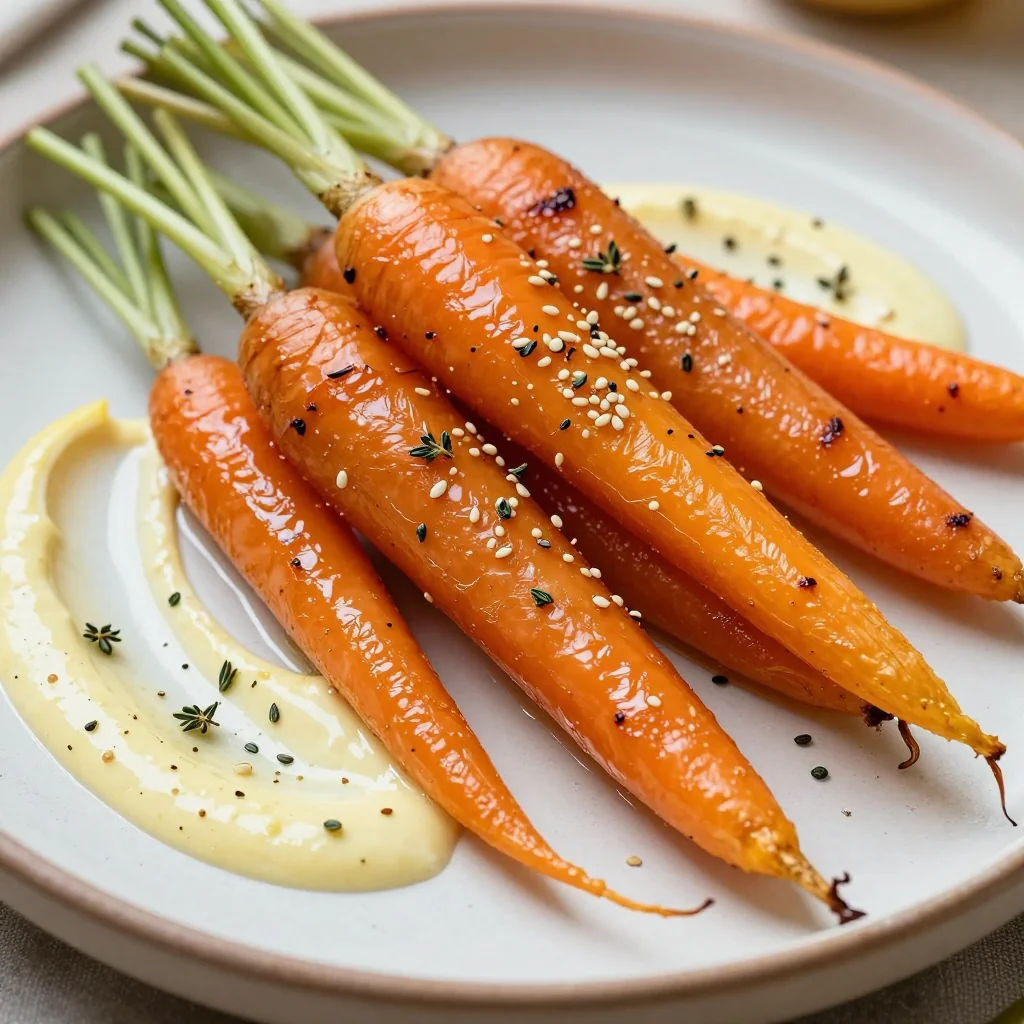
When the winter chill sets in, our bodies crave warmth and comfort, yet we still yearn for brightness and vibrancy on our plates. This elegant main dish bridges that gap beautifully—tender roasted carrots and parsnips bathed in a silky lemon cream sauce that feels indulgent yet remains surprisingly light. It's the kind of meal that makes you pause after the first bite, fork suspended mid-air, as the harmonious dance of sweet roasted vegetables and zesty citrus cream awakens your senses.
Why This Recipe Works
- Restaurant-Quality Presentation: The vibrant orange and cream colors create an elegant plate that rivals any bistro offering
- One-Pan Simplicity: Everything roasts together on a single sheet pan, minimizing cleanup while maximizing flavor development
- Nutritional Powerhouse: Packed with beta-carotene, fiber, and vitamin C, this dish nourishes while satisfying
- Weeknight-Friendly: Active prep time is under 15 minutes, making it perfect for busy winter evenings
- Make-Ahead Magic: Components can be prepared in advance and assembled just before serving
- Versatile Serving Options: Works equally well as a vegetarian main or an elegant side dish
- Seasonal Adaptability: Uses winter produce at its peak, but can be adapted year-round
Last January, during the depths of what locals call "the grey weeks," I found myself in a cooking rut. The holidays had passed, spring felt impossibly far away, and my usual rotation of soups and stews felt heavy and uninspired. Standing in my kitchen one particularly dreary Tuesday, staring at a bag of farmers market carrots and parsnips that had been languishing in my crisper drawer, I had an epiphany. What if I could transform these humble root vegetables into something that felt like sunshine on a plate?
The result exceeded my wildest expectations. The natural sweetness of roasted carrots and parsnips creates the perfect canvas for a bright, citrusy cream sauce that somehow manages to feel both indulgent and refreshing. The key lies in the contrast—the earthy, caramelized edges of the vegetables against the silky, tangy sauce create a sophisticated flavor profile that belies the dish's simplicity.
Since that first experimental dinner, this recipe has become my winter salvation. It's my go-to for intimate dinner parties when I want to impress without stress, for cozy date nights at home, and for those evenings when I need to remind myself that even in winter's darkest days, we can create our own warmth and light.
Ingredients You'll Need
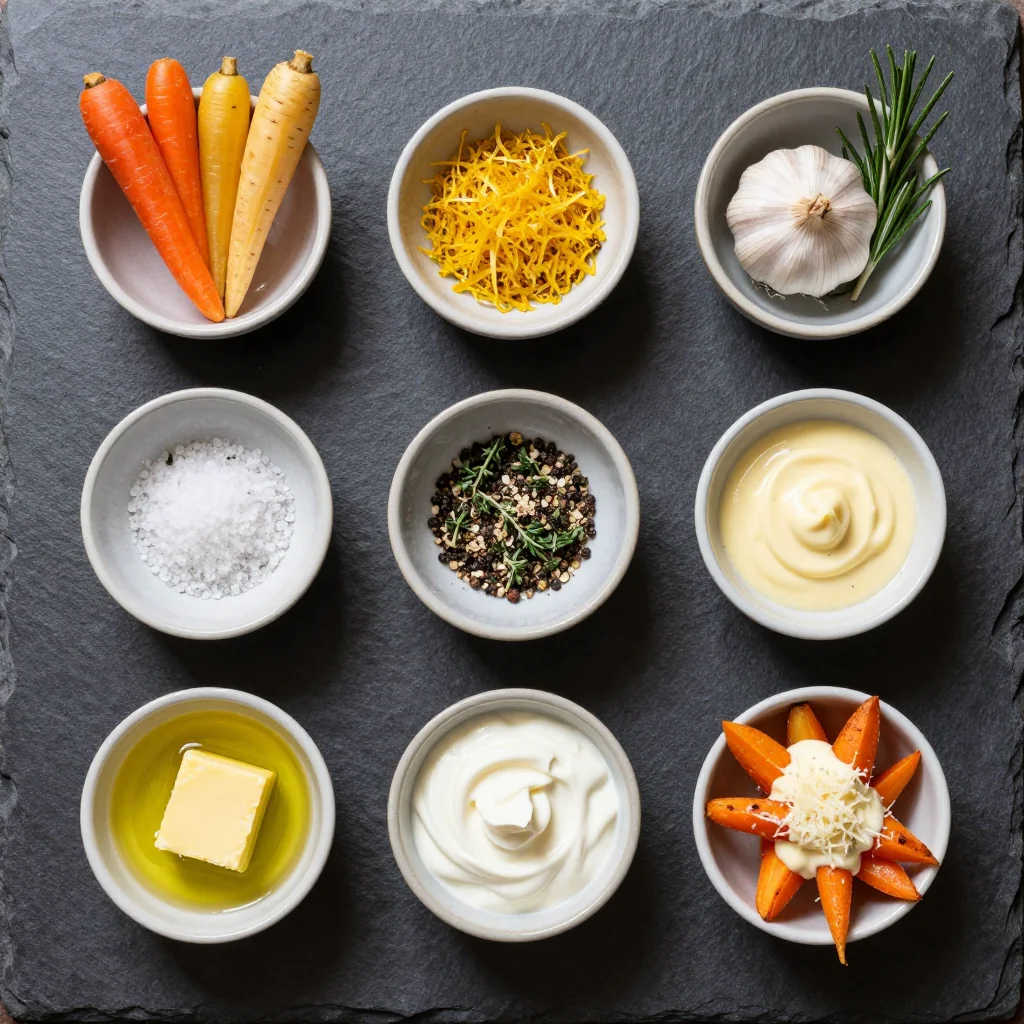
The magic of this dish lies in the quality of your ingredients. Each component plays a crucial role in building layers of flavor that transform simple vegetables into something extraordinary.
The Vegetables
Rainbow Carrots (1½ pounds): While orange carrots work beautifully, rainbow carrots create a stunning visual presentation. Their subtle flavor differences—yellow carrots are milder, red carrots are sweeter—add complexity to the dish. Look for medium-sized carrots with vibrant colors and no soft spots. If you can only find large carrots, simply cut them into smaller pieces.
Parsnips (1 pound): Choose firm, ivory-colored parsnips without browning or soft areas. Smaller parsnips (less than 1½ inches diameter) are more tender and less fibrous than their larger counterparts. The slight nutty sweetness of parsnips provides the perfect counterpoint to carrots' brighter sweetness.
The Creamy Lemon Base
Heavy Cream (1 cup): This creates the luxurious texture that makes the dish feel special. For a lighter version, you can substitute half-and-half, but the sauce won't be quite as rich. Avoid using milk—it will curdle when combined with the lemon juice.
Fresh Lemons (2 large): Both the zest and juice are essential. The zest provides aromatic oils that infuse the cream with bright citrus notes, while the juice adds the necessary acidity to balance the richness. Meyer lemons, when available, add an extra layer of floral sweetness.
Garlic (4 cloves): Roasted garlic becomes sweet and mellow, adding depth without overwhelming pungency. Fresh garlic is crucial here—pre-minced jarred garlic won't develop the same complex flavors during roasting.
The Flavor Enhancers
Fresh Thyme (2 tablespoons): This herb's earthy, slightly lemony notes complement both the vegetables and the cream sauce beautifully. Strip the leaves from woody stems before using. Dried thyme can substitute in a pinch—use 2 teaspoons.
Maple Syrup (2 tablespoons): A touch of maple enhances the vegetables' natural sweetness and helps them caramelize during roasting. Dark maple syrup adds more complex flavor than the lighter grades.
White Balsamic Vinegar (1 tablespoon): This adds subtle acidity and helps balance the sweetness of the vegetables. Regular balsamic will work but will darken the presentation.
For Serving
Toasted Pine Nuts (¼ cup): These provide crucial textural contrast and nutty richness. Toast them yourself for maximum flavor—simply place in a dry skillet over medium heat, shaking frequently, until golden and fragrant.
Fresh Parsley (¼ cup): Flat-leaf parsley adds freshness and color. Chop just before serving to maintain its bright flavor and appearance.
How to Make Creamy Lemon Roasted Carrots and Parsnips for Light Winter Dinners
Preheat and Prepare
Position your oven rack in the center and preheat to 425°F (220°C). This high temperature is crucial for proper caramelization. Line a large rimmed baking sheet with parchment paper—this prevents sticking and makes cleanup effortless.
Pro Tip: If your baking sheet is dark-colored, reduce the oven temperature by 25°F to prevent over-browning.
Prep Your Vegetables
Peel the carrots and parsnips, then cut them into uniform pieces—about 3 inches long and ½-inch thick. Consistent sizing ensures even cooking. For an elegant presentation, cut them on the bias at a 45-degree angle.
Time-Saver: You can prep the vegetables up to 3 days in advance. Store them submerged in cold water in the refrigerator to maintain freshness.
Create the Roasting Marinade
In a small saucepan over low heat, combine ½ cup of the heavy cream, minced garlic, thyme leaves, maple syrup, and white balsamic vinegar. Warm just until the mixture begins to steam—do not boil. This infuses the cream with all the aromatic flavors.
Flavor Building: Let this mixture steep for 10 minutes off heat to develop deeper flavors before using.
Coat and Arrange
Place the prepared vegetables in a large bowl. Pour the warm cream mixture over them, along with 2 tablespoons olive oil, 1 teaspoon salt, and ½ teaspoon freshly ground black pepper. Toss thoroughly to ensure every piece is well-coated.
Arrangement Matters: Spread the vegetables in a single layer on your prepared baking sheet, ensuring they don't overlap. Overcrowding leads to steaming rather than roasting.
Roast to Perfection
Roast for 25-30 minutes, turning the vegetables once halfway through. They're done when they're tender enough to pierce easily with a fork and have developed golden-brown edges. The exact timing depends on your oven and the size of your vegetable pieces.
Doneness Test: The vegetables should be tender but not mushy, with caramelized edges that provide concentrated sweetness.
Prepare the Lemon Cream Sauce
While the vegetables roast, prepare the finishing sauce. In a small saucepan, combine the remaining ½ cup heavy cream, lemon zest, and 2 tablespoons lemon juice. Simmer gently over medium-low heat for 3-4 minutes, stirring frequently, until the sauce thickens enough to coat the back of a spoon.
Consistency Check: The sauce should be pourable but thick enough to cling to the vegetables. If it becomes too thick, thin with a splash of milk or cream.
Combine and Warm
Transfer the roasted vegetables to a serving dish. Pour the warm lemon cream sauce over them, reserving a small amount for drizzling. Gently toss to coat, being careful not to break the tender vegetable pieces.
Serving Temperature: Return the sauced vegetables to the oven for 2-3 minutes to ensure everything is heated through before serving.
Finish and Serve
Drizzle the reserved lemon cream sauce over the top. Sprinkle with toasted pine nuts, chopped parsley, and additional fresh thyme if desired. Serve immediately while warm.
Garnish Game: A final sprinkle of lemon zest adds brightness and makes the presentation restaurant-worthy.
Expert Tips
Temperature Precision
Use an oven thermometer to ensure accurate temperature. Many home ovens run 25-50°F hotter or cooler than indicated, which can dramatically affect roasting results.
Cream Temperature
Always warm cream before adding lemon juice to prevent curdling. Room temperature cream is less likely to separate when combined with acidic ingredients.
Make-Ahead Strategy
Roast vegetables up to 2 days ahead. Store refrigerated in an airtight container. Warm in a 350°F oven for 10 minutes before adding the sauce.
Sauce Consistency
If your sauce separates, whisk in a teaspoon of cold cream while heating gently. This helps re-emulsify the mixture.
Uniform Cuts
Invest time in cutting vegetables evenly. This ensures they cook at the same rate, preventing some pieces from being overcooked while others remain crunchy.
Flavor Development
Let the roasted vegetables rest for 5 minutes before saucing. This allows their natural sugars to concentrate and flavors to settle.
Variations to Try
Winter Harvest
Substitute half the parsnips with celery root for an earthier flavor profile. Add roasted chestnuts for extra richness and texture.
Summer Brightness
Replace parsnips with young turnips and add fresh dill instead of thyme. Use lime zest and juice for a tropical twist.
Spiced Version
Add ½ teaspoon each of ground coriander and cumin to the cream mixture. Finish with a sprinkle of Aleppo pepper for gentle heat.
Vegan Adaptation
Replace heavy cream with full-fat coconut milk. Use nutritional yeast instead of parmesan, and garnish with toasted coconut flakes.
Storage Tips
Refrigeration
Store cooled leftovers in an airtight container for up to 4 days. The sauce may thicken in the refrigerator. To reheat, place in a covered baking dish with a splash of cream or milk, and warm in a 325°F oven for 15-20 minutes until heated through.
Microwave Warning: While you can microwave leftovers, the sauce may separate. Heat at 50% power in 30-second intervals, stirring between each interval.
Freezing
The vegetables freeze well, but the cream sauce may separate upon thawing. If you plan to freeze, roast the vegetables without the final sauce addition. Freeze vegetables for up to 3 months. When ready to serve, thaw overnight in the refrigerator, then prepare fresh lemon cream sauce.
Make-Ahead Components
- Roast vegetables up to 2 days ahead and refrigerate
- Prepare lemon cream sauce up to 3 days ahead and refrigerate
- Toast pine nuts up to 1 week ahead and store at room temperature
- Chop herbs up to 1 day ahead and refrigerate in damp paper towels
Assembly: Combine just before serving for the best texture and presentation.
Frequently Asked Questions
Baby carrots work well but require adjustments. Use 2 pounds of baby carrots and reduce roasting time to 18-22 minutes. Since baby carrots are typically more uniform in size, they cook more evenly. However, they lack the complex sweetness of fresh, full-sized carrots. For best results, try to find bunched carrots with tops still attached—these have superior flavor and texture compared to bagged baby carrots.
Curdling typically occurs when cold cream meets hot acid too quickly. To prevent this, always warm your cream before adding lemon juice, and never let the mixture boil. If curdling occurs, you can sometimes rescue it by whisking vigorously while adding a tablespoon of cold cream. For future batches, add lemon juice gradually while whisking constantly, and maintain gentle heat.
This recipe is naturally gluten-free. For dairy-free, substitute full-fat coconut milk for the heavy cream, but note that this will add coconut flavor. Cashew cream (made by blending soaked cashews with water until smooth) also works well and provides a neutral flavor. Use olive oil instead of butter, and nutritional yeast can replace any cheese garnish for additional umami flavor.
The bright lemon cream sauce complements a wide variety of proteins. Try it alongside pan-seared salmon, roasted chicken thighs, or pork tenderloin. For vegetarian options, serve over creamy polenta or with crusty artisan bread. The dish also stands beautifully on its own as a vegetarian main course, especially when garnished with toasted nuts for protein.
Perfectly roasted vegetables should be tender enough to pierce easily with a fork but still hold their shape. Look for caramelized, golden-brown edges—these provide concentrated sweetness. If the vegetables are browning too quickly before becoming tender, reduce oven temperature by 25°F and continue roasting. Conversely, if they're tender but pale, move them under the broiler for 2-3 minutes to develop color.
Yes, but use two baking sheets rather than crowding one. Overcrowding causes steaming instead of roasting. Rotate the pans between oven racks halfway through cooking for even browning. You may need to increase roasting time by 5-10 minutes when cooking larger quantities. The sauce can be doubled without any issues—just use a larger pan to prevent boiling.
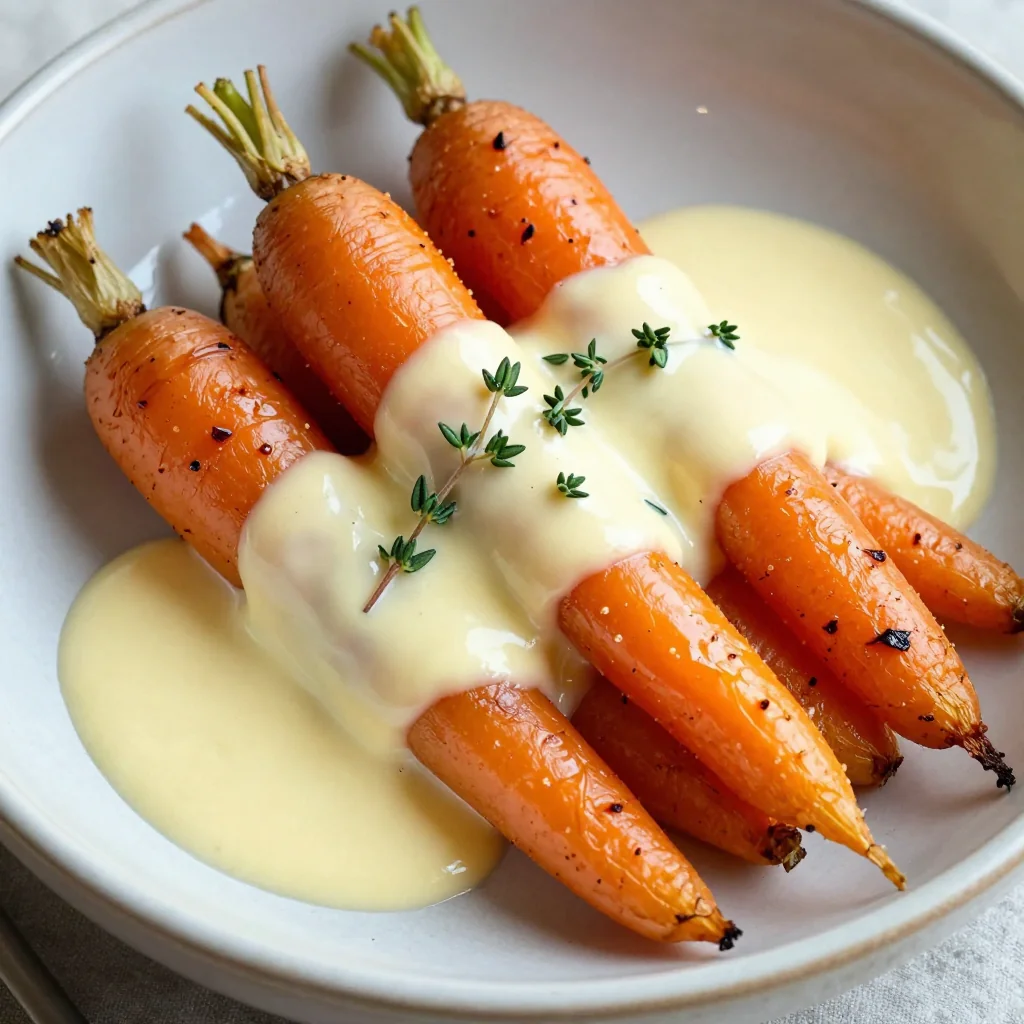
Ingredients
Instructions
- Preheat oven to 425°F (220°C). Line a large rimmed baking sheet with parchment paper.
- Combine cream base: In a small saucepan, warm ½ cup cream with garlic, thyme, maple syrup, and vinegar until steaming. Let steep 10 minutes.
- Toss vegetables: Place carrots and parsnips in a large bowl. Pour warm cream mixture over vegetables. Add olive oil, salt, and pepper. Toss to coat evenly.
- Roast: Spread vegetables in a single layer on prepared baking sheet. Roast 25-30 minutes, turning once, until tender and caramelized.
- Make lemon cream: In a small saucepan, combine remaining ½ cup cream with lemon zest and juice. Simmer 3-4 minutes until thickened.
- Finish and serve: Transfer roasted vegetables to a serving dish. Pour lemon cream sauce over vegetables. Garnish with pine nuts and parsley.
Recipe Notes
For best results, ensure vegetables are cut uniformly. The sauce can be prepared up to 3 days ahead and reheated gently before serving. If sauce separates, whisk in a tablespoon of cold cream while warming.