I was standing in my kitchen, half‑heartedly scrolling through a sea of boring noodle recipes, when a sudden craving for something that could slap my taste buds awake hit me like a lightning bolt. I tossed a packet of udon noodles into a pot, grabbed the only thing that looked daringly red on my pantry shelf—gochujang—and thought, “What if I marry that fiery Korean staple with the silky comfort of a classic stir‑fry?” The moment the oil hit the pan, a sizzle sang a promise of crunch and caramel, and I knew I was onto something that would make my friends beg for the exact recipe. I dared myself to create a sauce so creamy it would hug each noodle like a warm blanket, yet bold enough to make you gasp with every bite.
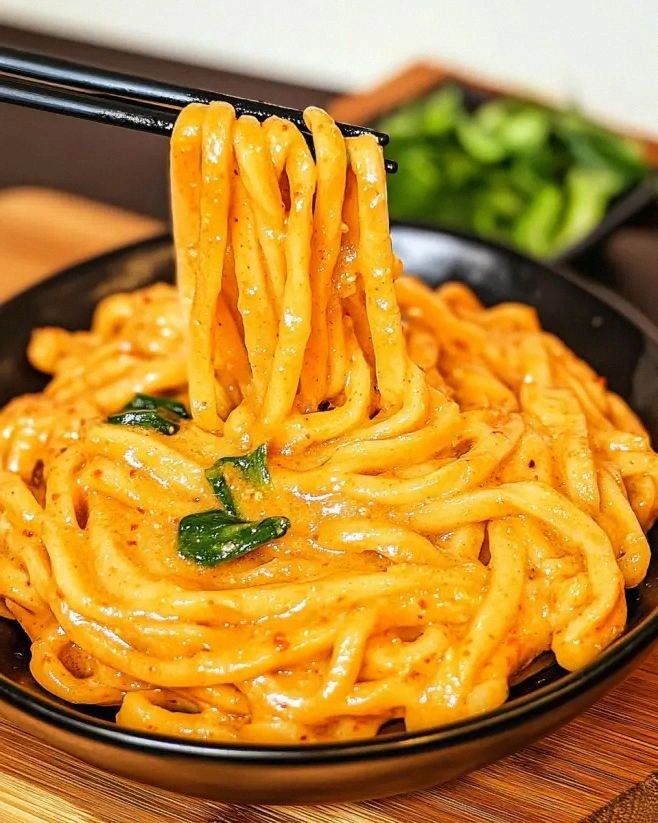
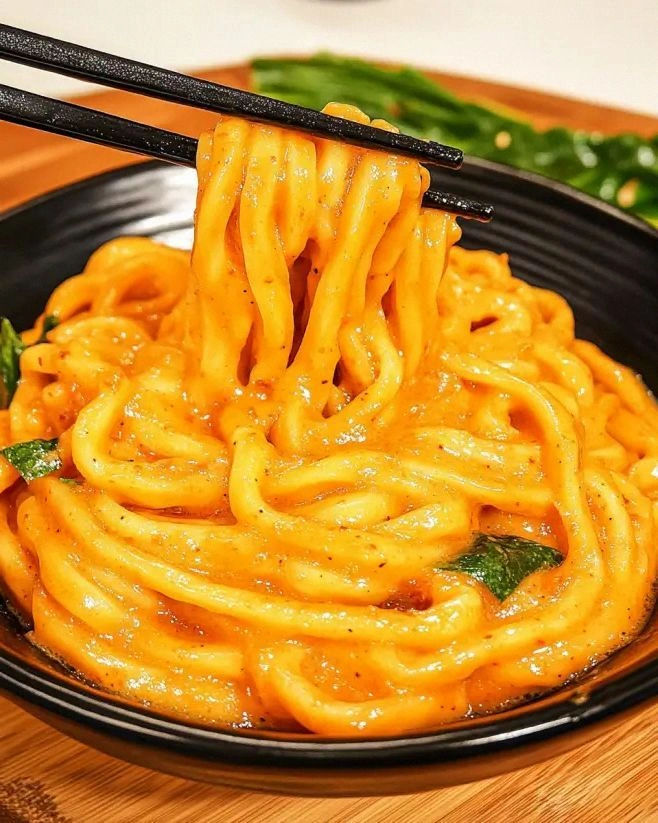
Picture this: the kitchen filled with the aroma of toasted garlic and ginger, a faint sweet‑sour perfume from rice vinegar and honey dancing with the deep umami of soy sauce. The udon noodles, already cooked to a perfect chew, sit patiently while a velvety orange‑red sauce swirls around them, speckled with green onions and sesame seeds that glisten like tiny fireworks. You hear the occasional pop of snap peas releasing a crisp snap, and the heat from the gochujang tingles the back of your throat, only to be soothed instantly by the richness of coconut milk and peanut butter. It’s a symphony of sound, smell, sight, taste, and texture that makes you want to close your eyes and just inhale the moment.
Most gochujang noodle recipes either drown the noodles in a watery sauce or turn the dish into a dry, over‑cooked mess that leaves you wondering why you even bothered. This version, however, flips the script by introducing a creamy peanut‑coconut base that not only balances the heat but also adds a luxurious mouthfeel that coats the udon like velvet. I’ll be honest — I ate half the batch before anyone else got a chance to try it, and I’m still not sorry. The secret? A precise timing trick that locks in the vegetables’ crunch while letting the sauce thicken just enough to cling without turning gummy.
If you’ve ever struggled with a gochujang sauce that either clumps or separates, you’re not alone — and I’ve got the fix. I dare you to taste this and not go back for seconds; the combination of spicy, sweet, salty, and nutty is hands down the best version you’ll ever make at home. Okay, ready for the game‑changer? Let me walk you through every single step — by the end, you’ll wonder how you ever made it any other way.
What Makes This Version Stand Out
- Heat Balance: The gochujang provides a controlled kick that’s tempered by coconut milk, so you get a gentle burn that lingers without overwhelming the palate.
- Creamy Texture: Peanut butter thickens the sauce into a silky ribbon that clings to each noodle, turning every forkful into a luxurious bite.
- Veggie Crunch: By adding broccoli, bell peppers, and snap peas at just the right moment, you preserve their bright colors and crisp snap, creating a satisfying contrast to the soft udon.
- Simple Prep: Only fifteen ingredients, most of which you probably already have, mean you can throw this together in under an hour without any fancy gadgets.
- Universal Appeal: The dish is spicy enough for heat lovers yet mellowed by sweet honey and nutty peanut, making it a crowd‑pleaser at family dinners or casual get‑togethers.
- Make‑Ahead Friendly: The sauce can be pre‑mixed and stored, and the noodles reheat beautifully, so you can prep ahead for busy weeknights.
- Ingredient Quality: Using real gochujang paste (not the powdered version) and fresh ginger guarantees depth of flavor that shortcuts simply can’t match.
- Visual Wow Factor: The vibrant orange‑red sauce contrasted with green onions and sesame seeds makes the plate pop, perfect for Instagram‑ready moments.
Inside the Ingredient List
The Flavor Base
Gochujang is the heart of this dish, delivering that signature Korean fermented chili depth. Its sweet‑savory profile works like a bridge between the heat of the chili and the mellow sweetness of honey. If you skip it, you’ll lose the signature umami punch and the sauce will taste flat. A good swap is a blend of miso paste and a splash of sriracha, but expect a slightly different flavor curve.
Coconut milk adds a buttery richness that tames the heat while imparting a subtle tropical aroma. Choose full‑fat canned coconut milk for the best mouthfeel; low‑fat versions thin out the sauce and can cause it to separate. If you’re allergic to coconut, substitute with oat cream for a similar creaminess without the coconut flavor.
Peanut butter is the secret weapon that turns a simple sauce into a velvety masterpiece. It binds the liquid components, giving the sauce body and a nutty depth that echoes the gochujang’s sweetness. Use natural, unsweetened peanut butter to avoid an overly sugary finish. In a pinch, almond butter works, but the flavor will shift toward a milder nuttiness.
The Texture Crew
Udon noodles are thick, chewy, and absorb flavors like a sponge. Their substantial bite balances the sauce’s silkiness, preventing the dish from feeling too heavy. If you can’t find udon, try thick rice noodles or even pappardelle for a similar texture.
Fresh vegetables—broccoli florets, sliced bell peppers, and snap peas—bring color, crunch, and a burst of freshness. Each vegetable contributes a distinct texture: broccoli’s bite, bell pepper’s sweet snap, and snap peas’ juicy pop. Overcooking them is a common mistake; blanch them for just 30 seconds before tossing into the pan to keep that crispness.
Green onions and sesame seeds are the final garnish that adds a peppery lift and a nutty crunch. Slice the green onions thinly so they release their mild oniony aroma without overwhelming the dish. Toast the sesame seeds lightly to bring out a deeper, almost caramelized flavor.
The Unexpected Star
Honey or maple syrup isn’t just a sweetener; it balances the acidity from rice vinegar and the saltiness of soy sauce, creating a harmonious flavor triangle. The natural sugars also help the sauce caramelize slightly when heated, giving it a glossy finish. If you’re vegan, pure maple syrup is the perfect alternative.
Rice vinegar adds a bright acidity that cuts through the richness of coconut milk and peanut butter, preventing the dish from feeling cloying. Use a seasoned rice vinegar for an extra layer of complexity, but a plain one works just as well.
The Final Flourish
Sesame seeds and a drizzle of extra coconut milk right before serving can transform the dish from good to unforgettable. The extra splash re‑emulsifies the sauce if it’s started to separate, while the seeds add a toasty finish that sings with every bite.
Everything's prepped? Good. Let's get into the real action...
The Method — Step by Step
Start by bringing a large pot of salted water to a rolling boil. Once boiling, add the udon noodles and cook according to package directions—usually 8‑10 minutes—until they are just al dente. Drain, rinse under cold water to stop cooking, and set aside. This step is crucial because overcooked udon will become mushy once it meets the sauce. Pro tip: Toss the cooked noodles with a drizzle of the vegetable oil to keep them from sticking together.
While the noodles are cooking, prep your vegetables: chop broccoli into bite‑size florets, slice bell peppers into thin strips, and trim snap peas. Keep the green onions sliced on the diagonal for a longer, elegant look. I like to have everything within arm’s reach; this is the moment where the kitchen feels like a well‑orchestrated dance.
Heat a large wok or deep skillet over medium‑high heat and add the tablespoon of vegetable oil. When the oil shimmers, add the minced garlic and grated ginger. That sizzle when it hits the pan? Absolute perfection. Stir constantly for about 30 seconds until fragrant, but watch out—garlic can burn in a heartbeat.
Kitchen Hack: Mince garlic and ginger together in a micro‑plane; this creates finer pieces that release more flavor faster.Now, add the gochujang, peanut butter, soy sauce, rice vinegar, and honey (or maple syrup) to the pan. Stir vigorously; the mixture will look thick and a little clumpy at first. Keep whisking for about a minute until the peanut butter fully dissolves, creating a glossy, uniform sauce. This is the moment of truth—if the sauce looks glossy and starts to bubble gently, you’ve nailed the emulsion.
Pour in the coconut milk, reduce the heat to low, and let the sauce simmer for 3‑4 minutes. You’ll notice it thicken slightly and the aroma will become richer. Taste and adjust: if you crave more heat, add a teaspoon of extra gochujang; if you need a touch more sweetness, drizzle a little more honey.
Watch Out: Adding coconut milk too quickly can cause the sauce to separate. Stir continuously while pouring to keep the emulsion stable.Quick‑blanch the broccoli, bell peppers, and snap peas in a separate pot of boiling water for just 30 seconds, then shock them in an ice bath. This locks in their vivid colors and crunch. Drain thoroughly—excess water will dilute the sauce later.
Increase the heat to medium‑high and add the blanched vegetables to the sauce. Toss for 1‑2 minutes until the veggies are coated and just warmed through. The sauce should cling to each piece, not pool at the bottom. At this point, the dish smells like a street‑food stall in Seoul, and you’ll feel a surge of excitement.
Fold the cooked udon noodles into the pan, using tongs to lift and toss so every strand gets a generous coating. Let the noodles sit for a minute, allowing the sauce to soak in. You’ll see the noodles turn a beautiful amber hue, and the edges will start pulling away slightly—signs of a perfect glaze.
Kitchen Hack: If the noodles seem dry, splash a tablespoon of water or extra coconut milk; the steam will re‑hydrate them without making the sauce watery.Finish by sprinkling sliced green onions and a generous handful of toasted sesame seeds over the top. Give everything one last gentle toss, then remove from heat. Let the dish rest for two minutes; this allows the flavors to meld and the sauce to thicken just a touch more.
That's it — you did it. But hold on, I've got a few more tricks that'll take this to another level...
Insider Tricks for Flawless Results
The Temperature Rule Nobody Follows
Never cook the sauce on high heat from start to finish. Begin with medium‑high for aromatics, then lower to medium when you add the gochujang and peanut butter. This gradual heat prevents the peanut butter from scorching and the gochujang from becoming bitter. I once tried cranking the heat, and the sauce turned grainy—never again. Keeping the temperature in the “sweet spot” ensures a smooth, glossy finish every time.
Why Your Nose Knows Best
Your sense of smell is a secret indicator of doneness. When the sauce starts to emit a faint toasted nut aroma, you know the peanut butter has fully integrated. If you smell a sharp vinegar note lingering, give it another minute; the acidity will mellow as the sauce thickens. Trusting your nose saves you from over‑cooking and guarantees that perfect balance of sweet, salty, and spicy.
The 5‑Minute Rest That Changes Everything
After tossing the noodles, let the pan sit off the heat for exactly five minutes. This brief rest lets the starches in the udon absorb the sauce, creating a richer coating. I used to serve immediately, and the noodles felt a little loose. Those five minutes turn a good dish into a velvety masterpiece that clings to each strand like a second skin.
Veggie Shock Technique
Blanching vegetables then shocking them in ice water isn’t just for color—it also halts enzymatic activity that can turn greens bitter. The quick chill locks in that crisp snap, ensuring each bite delivers a contrast to the creamy noodles. Skipping this step results in soggy veggies that drown the sauce. Trust the shock; your palate will thank you.
Seasoning at the End
A final splash of soy sauce or a pinch of sea salt right before serving can brighten the entire dish. The heat of the sauce mellows the salt’s bite, so a light dusting adds depth without making it salty. I always taste after plating and adjust; it’s the little finish that makes the dish sing.
Creative Twists and Variations
This recipe is a playground. Here are some of my favorite ways to switch things up:
Spicy Peanut‑Miso Fusion
Swap half of the gochujang for white miso paste and add a dash of chili oil. The miso adds an earthy depth while the chili oil boosts the heat, creating a complex, umami‑rich sauce that’s perfect for adventurous eaters.
Citrus‑Infused Summer Version
Add the zest and juice of one lime and replace the honey with agave syrup. The bright citrus cuts through the richness, making it an ideal light lunch for warm days. Top with fresh cilantro for an extra pop.
Protein Power Add‑On
Stir in diced tofu, sliced chicken breast, or shrimp during step 7. The protein absorbs the sauce, turning the dish into a complete meal. For tofu, press it first to remove excess water, then pan‑sear for a golden crust.
Nut‑Free Alternative
Replace peanut butter with sunflower seed butter and use soy‑free tamari instead of soy sauce. The flavor profile stays creamy and slightly nutty, while keeping the dish safe for those with nut allergies.
Veggie‑Only Celebration
Omit the udon and double the vegetable portions, adding shiitake mushrooms for an earthy bite. Serve over cauliflower rice for a low‑carb, high‑fiber version that still delivers the same bold sauce.
Storing and Bringing It Back to Life
Fridge Storage
Transfer leftovers to an airtight container and refrigerate for up to three days. The sauce may thicken; simply stir in a splash of coconut milk or warm water before reheating to restore its silky texture.
Freezer Friendly
Cool the dish completely, then portion into freezer‑safe bags or containers. Freeze for up to two months. When ready to eat, thaw overnight in the fridge and reheat gently on the stove, adding a little liquid to loosen the sauce.
Best Reheating Method
Reheat in a skillet over low‑medium heat, stirring constantly. Add a tablespoon of water or coconut milk at the start; the steam will revive the noodles and prevent them from drying out. Avoid microwave‑only reheating, as it can make the sauce grainy.