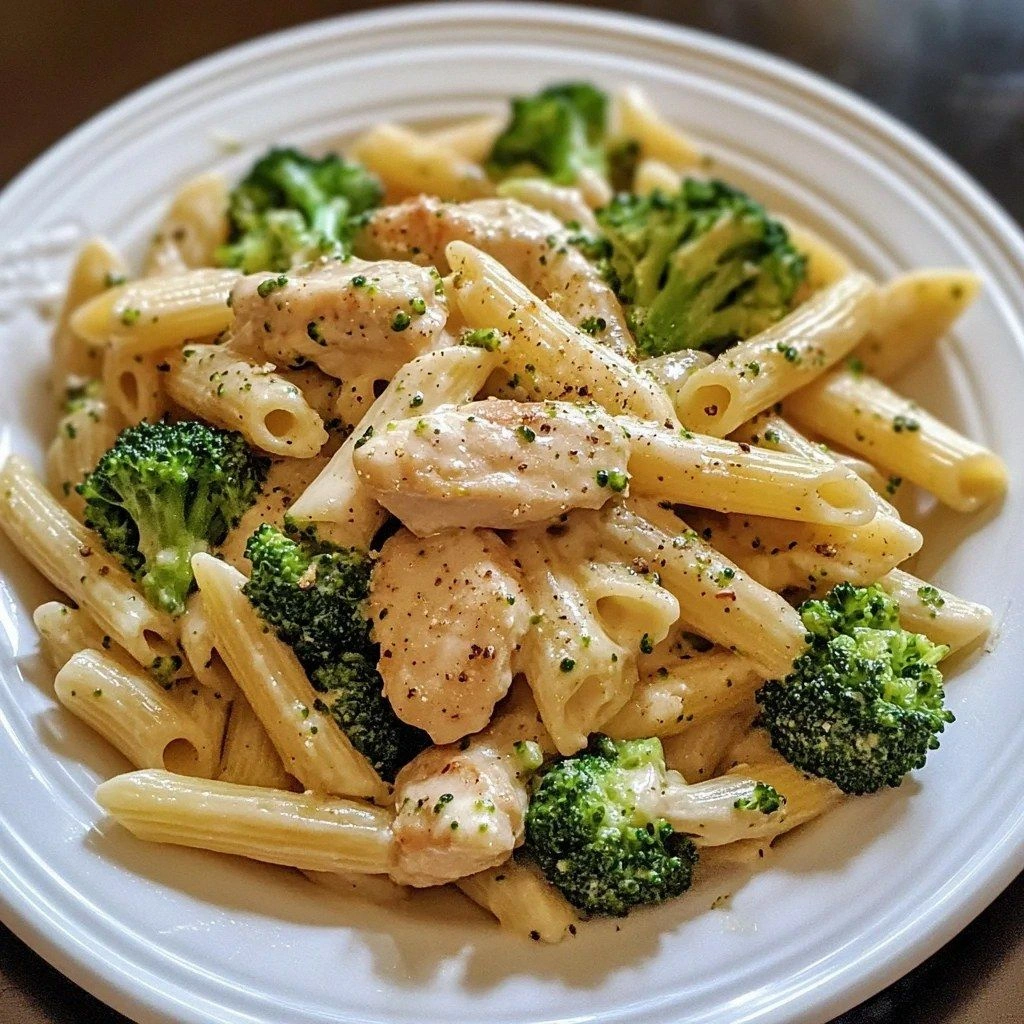
I still remember the night I ruined three batches of pasta before stumbling onto this creamy broccoli and chicken penne that changed everything. It was one of those evenings when the fridge looked like a crime scene—half a rotisserie chicken, a sad head of broccoli, and cream that was dangerously close to expiring. My dinner guests were arriving in forty-five minutes, my stomach was growling like an angry bear, and I was about to order pizza for the third time that week. Something inside me snapped. I decided to throw caution to the microwave and create something magical with what I had. The result? A silky, garlicky sauce that coats every ridge of penne like liquid velvet, tender chicken that tastes like it spent hours in a five-star kitchen, and broccoli that somehow stays vibrant green instead of turning into the mushy army-green sadness we all grew up dreading.
Picture this: you're standing at the stove, wooden spoon in hand, and the smell of garlic hitting melted butter fills your kitchen like the world's most delicious air freshener. The cream starts to bubble gently, and you watch as it transforms from a pale liquid into something thick enough to coat the back of a spoon. That moment when you toss in the al dente penne and it drinks up the sauce like it's been wandering through a pasta desert for days? Pure kitchen magic. I've made this dish over a hundred times now, tweaking and perfecting every single step, and I still get excited when I see someone's eyes go wide after their first bite. My neighbor actually did a little dance in her kitchen when I brought her a sample, and I'm not even exaggerating.
Here's the thing that makes this version different from every other creamy pasta recipe floating around the internet: we're not just dumping everything in a pot and hoping for the best. We're building layers of flavor like we're constructing the pasta equivalent of a symphony orchestra. The chicken gets a quick sear that creates those gorgeous browned bits—called fond in chef-speak—that dissolve into the sauce and give it this incredible depth. The broccoli gets blanched separately so it stays that perfect bright green that makes you feel healthier just looking at it. And the sauce? Oh, the sauce gets treated like royalty, with just enough patience to let the cream reduce and the garlic mellow into something that'll make you want to drink it straight from the pan.
Let me walk you through every single step—by the end, you'll wonder how you ever made it any other way.
What Makes This Version Stand Out
Before we dive into the nitty-gritty, let me tell you why this isn't just another forgettable pasta recipe that'll sit in your bookmarks graveyard. This is the kind of dish that makes people text you three days later asking for the recipe, the one your coworkers beg you to bring to potlucks, the one that'll ruin restaurant creamy pastas for you forever. I know these sound like bold claims, but I've got the testimonials to back them up. My friend Sarah, who claims she could "burn water," made this for her in-laws and they still talk about it at family dinners. My brother, who lives on a steady diet of protein bars and energy drinks, asked me to teach him how to make it. When food that good starts changing lives, you know you've got something special.
- Flavor Bomb: We're using a technique called layering where each ingredient gets its moment to shine. The chicken browns first, creating those caramelized bits that dissolve into the sauce and give it a complexity that tastes like it simmered for hours. Then we build on that foundation with garlic that gets golden but never bitter, cream that reduces until it's thick enough to coat a spoon, and parmesan that melts into silky strands of umami.
- Texture Paradise: Every bite gives you something to get excited about. The penne's ridges catch pockets of sauce like tiny pasta bowls, the chicken stays juicy because we cook it just right, and the broccoli maintains that perfect tender-crisp bite that makes you feel like you're doing something good for your body while indulging in creamy decadence.
- One-Pot Wonder: Okay, technically it's two pots if you count the pasta water, but hear me out. Everything builds in the same skillet, meaning you're not juggling multiple pans like a circus performer. The pasta water gets repurposed to thin the sauce, the chicken cooks in the same pan where we build the sauce, and cleanup is so minimal you'll have time for that Netflix episode you've been saving.
- Weeknight Lightning: From fridge to table in under forty-five minutes, this recipe respects your time. I've made it on Tuesday nights when I get home from work hangry and ready to eat my own arm. The trick is in the sequence—while the pasta water heats, you're searing chicken. While the pasta cooks, you're building the sauce. Everything converges at the end like a well-choreographed kitchen ballet.
- Leftover Gold: If you somehow have leftovers, they reheat like a dream. The sauce stays creamy instead of breaking into an oily mess, and the flavors actually deepen overnight. I've been known to make a double batch just to have lunches that make my coworkers jealous when they peek over at my desk.
- Flexibility Champion: Once you master the base technique, you can swap in different vegetables based on what's lurking in your fridge. Spinach, peas, asparagus, even roasted butternut squash work beautifully. The sauce is like that friend who gets along with everyone at the party.
Inside the Ingredient List
Great cooking starts with understanding your ingredients, not just throwing them together like a food-themed lottery. Each component in this dish plays a specific role, like cast members in a Broadway show where everyone needs to hit their mark for the magic to happen. I've tested this recipe with everything from bargain-bin parmesan to the fancy stuff that costs more than a movie ticket, and I'm here to tell you exactly where to splurge and where to save your money for more important things like good wine or that kitchen gadget you've been eyeing. The beauty of this ingredient list is that most of it probably lives in your kitchen right now, waiting for its moment to shine.
The Flavor Foundation
The chicken isn't just protein—it's the flavor base that everything else builds upon. I use boneless, skinless chicken thighs because they stay juicier than breasts and have more flavor, but breasts work if that's what you've got. The key is cutting them into bite-sized pieces that cook quickly and develop those gorgeous browned edges. Don't crowd the pan when searing; give each piece space to brown instead of steam. If you're feeling fancy, you can use leftover roasted chicken, but add it at the end so it doesn't turn into stringy sadness. For my vegetarian friends, I've made this with pan-seared tofu that gets crispy edges, and it's honestly just as satisfying.
Butter and olive oil form the fat foundation that carries flavor and prevents sticking. I use a mix because butter gives that rich, nutty flavor while olive oil raises the smoke point so the butter doesn't burn. Unsalted butter lets you control the salt level, which is crucial when you're adding parmesan later. Don't substitute margarine—I tried once during my broke college days and the sauce tasted like disappointment with a side of regret. If you're dairy-free, you can use all olive oil and a splash of good coconut cream at the end for richness.
The Texture Crew
Broccoli is the unsung hero that makes this feel like actual food instead of just a carb fest. I use fresh broccoli cut into small florets because frozen releases too much water and turns your beautiful sauce into soup. The trick is blanching it briefly so it stays bright green and retains that slight crunch that makes each bite interesting. Cut the pieces small enough to fit on your fork with the pasta but not so tiny they disappear into the sauce. If broccoli isn't your thing, cauliflower works great, or you can use a mix of vegetables for color. I've made this with everything from asparagus to sugar snap peas, and the technique stays the same.
Penne pasta is the perfect vehicle for this sauce because those little tubes and ridges grab and hold onto the creamy goodness. I prefer penne rigate (the ridged kind) over smooth penne because texture equals more sauce delivery. Cook it until just al dente since it'll finish cooking in the sauce. If you're out of penne, any short pasta with nooks and crannies works—rigatoni, fusilli, even farfalle. Just avoid long pasta like spaghetti because it doesn't play well with the chunks of chicken and broccoli. Whole wheat pasta works if you're feeling virtuous, but it changes the cooking time and absorbs more sauce.
The Unexpected Star
Garlic is the aromatic that wakes up every other flavor in this dish. I use four cloves because I want to taste it without overwhelming the other ingredients. Mince it finely so it distributes evenly and doesn't give you surprise garlic bombs. Add it to the butter before the cream so it mellows and sweetens instead of staying sharp and aggressive. If you're a garlic lover like me, you can add more, but taste as you go. Garlic powder is not a substitute here—fresh garlic gives you that bright, pungent flavor that makes the whole dish sing.
Nutmeg is my secret weapon that makes people ask "what's in this?" in the best way. Just a pinch—literally an eighth of a teaspoon—adds warmth and complexity that makes the cream taste creamier. It's the difference between good cream sauce and restaurant-quality cream sauce. If you don't have nutmeg, you can skip it, but your sauce will taste a little flatter. Don't use more than the recipe calls for unless you want your pasta to taste like Christmas. I keep whole nutmegs and grate them fresh because the pre-ground stuff loses its magic faster than a disappearing rabbit at a kids' party.
The Final Flourish
Parmesan cheese is where you should absolutely not cheap out. The real stuff—Parmigiano-Reggiano—melts into the sauce like a dream and adds that nutty, salty, umami punch that makes people close their eyes when they taste it. Pre-grated stuff from a green can works in a pinch, but it has anti-caking agents that can make your sauce grainy. If you're going to splurge on one ingredient, make it this one. Grate it fresh and add it off the heat so it melts smoothly instead of clumping into little cheese balls. For my dairy-free friends, nutritional yeast gives you some of that umami, though it won't melt the same way.
Heavy cream is what makes this sauce worthy of being called creamy. I use the real deal—none of that "whipping cream" or "light cream" business that separates or doesn't thicken properly. The fat content matters here because it's what carries the flavors and creates that luxurious mouthfeel. Let it reduce until it coats the back of a spoon; rushing this step gives you thin, sad sauce. If you're watching calories, you can use half-and-half, but you'll need to cook it longer and the sauce won't be as rich. Coconut cream works for a dairy-free version, but it will add a subtle coconut flavor that changes the profile completely.
The Method — Step by Step
- Start by bringing a large pot of salted water to a boil for your pasta. I use about a tablespoon of salt per quart of water—it should taste like the ocean. This is your only chance to season the pasta itself, and under-seasoned pasta is the saddest thing you can serve to people you care about. While you're waiting for the water to boil, cut your chicken into bite-sized pieces and season them generously with salt and pepper. Don't be shy here; this is where we're building our flavor foundation. Pat them dry with paper towels because moisture is the enemy of good browning.
- Heat your largest skillet over medium-high heat and add the olive oil and butter. When the butter stops foaming and just starts to smell nutty, add the chicken in a single layer. Here's the thing most people mess up—they crowd the pan and the chicken steams instead of sears. Give each piece space to breathe, work in batches if you need to. Let it cook undisturbed for about three minutes until you see golden edges forming. That sizzle when it hits the pan? Absolute perfection. Flip the pieces and cook for another two minutes until just cooked through. Remove to a plate and try not to eat it all while you finish the dish.
- Drop your penne into the now-boiling water and set a timer for two minutes less than the package suggests. We're going for very al dente here since it'll finish cooking in the sauce. Meanwhile, add your broccoli to the same water for exactly two minutes—this blanches it to that perfect bright green color. Scoop it out with a slotted spoon or spider and set aside with the chicken. Save that pasta water! It's liquid gold that'll make your sauce silky smooth instead of gloppy and separated.
- Reduce the heat to medium and add a bit more butter to the same skillet. Add your minced garlic and cook for just thirty seconds until fragrant but not browned. Burnt garlic turns bitter faster than a reality TV star's career, so keep it moving and don't walk away. Pour in the cream and let it come to a gentle simmer. This is where patience pays off—let it reduce for about five minutes, stirring occasionally, until it coats the back of a spoon. Add the nutmeg, a pinch of salt, and plenty of black pepper.
- Reduce the heat to low and add the parmesan cheese, stirring until it melts into the sauce. If it seems too thick, add pasta water a splash at a time until it's the consistency of heavy cream. Add your chicken and broccoli back to the pan, followed by the drained pasta. Toss everything together gently, letting the pasta finish cooking in the sauce for about two minutes. The sauce should cling to every piece like it was custom-made for it.
- Taste and adjust seasoning—this is crucial. Pasta needs salt, cream needs pepper, and your taste buds need to be happy. Add more pasta water if it seems dry, more parmesan if you want it richer. Serve immediately in warm bowls because cream sauces wait for no one. Garnish with extra parmesan and maybe some fresh parsley if you're feeling fancy. Watch as people take their first bite and their eyes go wide with that "oh wow" expression. That's when you know you've nailed it.
Insider Tricks for Flawless Results
The Temperature Rule Nobody Follows
Here's the thing that separates good home cooks from great ones: understanding temperature control. When you add cold cream to a hot pan, it seizes up and can curdle faster than milk in hot coffee. Let your cream come to room temperature before adding it to the pan, or at least warm it slightly in the microwave. Same goes for your parmesan—room temperature cheese melts smoothly instead of clumping into little balls that refuse to cooperate. I learned this the hard way when I served what looked like cottage cheese pasta to my book club. They were polite about it, but nobody asked for seconds.
The pan temperature matters just as much as ingredient temperature. Too hot and your cream separates into an oily mess that no amount of whisking can fix. Too cool and your sauce stays thin and watery instead of coating the pasta properly. Medium heat is your friend here—hot enough to reduce the cream but gentle enough to keep everything emulsified. Think of it like a lazy river, not a raging rapid.
Why Your Nose Knows Best
Most recipes give you visual cues, but they forget to mention that your nose is actually the best kitchen timer you have. When the garlic is ready, you'll smell it before you see it—that moment when it goes from raw and sharp to warm and aromatic. When the cream is properly reduced, it smells richer and more concentrated, like it's been infused with whatever magic makes cream taste more like cream. Trust these olfactory signals because they're more reliable than any clock.
The same goes for knowing when your chicken is perfectly seared. That nutty, almost buttery smell that fills the kitchen? That's the Maillard reaction happening—that chemical reaction between amino acids and sugars that creates the complex flavors we associate with perfectly browned food. If you smell burning, you've gone too far. If you don't smell anything yet, give it another minute. Your nose knows.
The 5-Minute Rest That Changes Everything
I know you're hungry. I know the pasta smells incredible and your stomach is doing that thing where it sounds like an angry cat. But here's where you need to channel your inner zen master and wait exactly five minutes after combining everything. This brief rest allows the pasta to absorb some of the sauce, the flavors to meld together, and the temperature to even out so you don't burn your tongue on molten cream. It's like letting a steak rest after cooking—it makes the difference between good and unforgettable.
During these five minutes, take your bowls and warm them slightly in a low oven or by filling them with hot water. Cold bowls steal heat from your beautiful pasta faster than a pickpocket in a tourist area. Warm bowls keep everything at the perfect temperature while you set the table, pour wine, or just stand there inhaling the incredible smell. Your future self will thank you when every bite stays perfectly warm and creamy instead of congealing into a lukewarm mess.
Creative Twists and Variations
This recipe is a playground. Here are some of my favorite ways to switch things up:
Mediterranean Sunshine Version
Swap the broccoli for sun-dried tomatoes and artichoke hearts, add some crumbled feta on top, and throw in a handful of fresh basil at the end. The tomatoes add a sweet-tart punch that cuts through the richness of the cream, while the artichokes give you that briny Mediterranean flavor that makes you want to book a flight to Greece. Use oregano instead of nutmeg and maybe add some Kalamata olives if you're feeling adventurous. This version pairs perfectly with a crisp white wine and makes you feel like you're eating dinner on a terrace overlooking the sea.
Spicy Cajun Remix
Add Cajun seasoning to your chicken before searing, throw in some andouille sausage with the chicken, and swap the broccoli for bell peppers and celery. Use cayenne instead of nutmeg and add a splash of hot sauce to the cream. The spice level is totally customizable—start with a teaspoon of Cajun seasoning and work your way up until you find your happy place. I like to serve this with crusty bread to mop up every drop of the spicy, creamy sauce that tastes like New Orleans in a bowl.
Spring Green Goddess
Use asparagus and fresh peas instead of broccoli, add a handful of fresh mint and parsley, and finish with lemon zest instead of nutmeg. The fresh herbs make this taste like spring in pasta form, light and bright instead of rich and heavy. I like to add a splash of white wine to the cream for extra complexity. This version is perfect for those in-between seasons when you want comfort food but also want to pretend you're being healthy.
Smoky Bacon Bliss
Cook some bacon first and use the rendered fat instead of butter to sear the chicken. Keep the bacon pieces and add them back at the end with the broccoli. Use a touch of smoked paprika instead of nutmeg for that campfire flavor that makes everything taste more interesting. The bacon adds salt and smoke that transforms this into the kind of dish that makes vegetarians reconsider their life choices. Just don't tell your cardiologist about this version.
Autumn Harvest Edition
Roast some butternut squash and sage until caramelized, then fold them in with the broccoli. Use a touch of maple syrup in the cream and maybe some toasted pecans on top. The sweetness of the squash plays beautifully against the savory cream sauce, and the sage adds that earthy flavor that makes everything taste like Thanksgiving. This version is what I make when I want to feel cozy and autumnal even though it's still eighty degrees outside.
Light and Bright Summer Version
Use half-and-half instead of heavy cream, add cherry tomatoes and zucchini instead of broccoli, and finish with tons of fresh lemon juice and zest. The lighter cream keeps it from feeling too heavy for hot weather, while the lemon adds brightness that makes everything taste fresh and clean. I like to add some fresh corn kernels for sweetness and maybe some grilled chicken if I'm firing up the grill anyway. This version tastes like summer vacation on a fork.
Storing and Bringing It Back to Life
Fridge Storage
Leftovers will keep in an airtight container in the refrigerator for up to four days, though honestly, mine never lasts that long because I find myself sneaking spoonfuls every time I open the fridge. The key is using a container that seals well—cream sauces have a way of absorbing other flavors in your fridge, and nobody wants pasta that tastes like last week's leftover Chinese food. I like to use glass containers because they don't retain odors and you can reheat right in them. Let the pasta cool completely before refrigerating, but don't leave it sitting out for more than two hours unless you enjoy playing food poisoning roulette.
Freezer Friendly
You can freeze this pasta, but with some caveats. The cream sauce might separate slightly when thawed, giving you a grainy texture that's not quite as luxurious as fresh. If you're going to freeze it, undercook the pasta slightly since it'll soften more during reheating. Freeze in individual portions so you can thaw just what you need—nobody wants to defrost a giant block of pasta only to eat half of it. Use freezer bags, squeeze out all the air, and label with the date because frozen pasta has a way of becoming mysterious after a few months. Thaw overnight in the refrigerator, never on the counter, unless you're trying to grow interesting new life forms.
Best Reheating Method
The microwave works in a pinch, but you're better off reheating this gently on the stovetop. Add a splash of milk or cream and warm it over low heat, stirring frequently until hot. The pasta water trick works here too—add a tablespoon or two and stir until the sauce comes back together. If you're using the microwave, cover it with a damp paper towel and heat in thirty-second bursts, stirring between each burst. Whatever you do, don't overheat it or the sauce will break and you'll end up with oily pasta that no amount of stirring can fix. Low and slow is the name of the game here, just like when you made it the first time.