Picture this: I’m in the middle of a holiday party, juggling a tray of hot casseroles and a blender that refuses to blend. My friends are begging for a quick, crowd‑pleasing appetizer, and I’m staring at a fridge full of eggs and a bag of cranberries that have been waiting for a reason to shine. I remember the last time I tried deviled eggs—plain, bland, and a disaster that made my guests question my culinary competence. That night, I swore to myself that I would create a version so bold it would earn a standing ovation and a second helping for every single person in the room.
I pulled the eggs from the fridge, cracked them with a satisfying pop, and let the aroma of fresh citrus and rosemary seep into the air like a fragrant promise. The kitchen hummed with the soft clink of bowls, the hiss of boiling water, and the occasional laugh from my friend who dared me to taste the final product. The anticipation was palpable—my mind was already picturing the glossy, crimson glaze on the eggs, the bright pop of cranberries, and the subtle hint of orange zest that would dance on the tongue. I was ready to turn a simple recipe into a flavor explosion.
What makes this version stand out is not just the ingredients but the way they are orchestrated. I’ve blended the creamy base with a splash of white wine vinegar for brightness, folded in fresh cranberries for texture, and finished with a sprinkle of rosemary that adds a woodland aroma. The result is a deviled egg that feels like a holiday card in a bite: festive, sophisticated, and utterly irresistible. Trust me, this is hands down the best version you’ll ever make at home. I dare you to taste this and not go back for seconds.
Let me walk you through every single step—by the end, you’ll wonder how you ever made it any other way. From the first crack to the final garnish, each detail has been fine‑tuned to elevate the classic deviled egg into a show‑stopping dish that will have guests clamoring for more. So grab your skillet, your trusty whisk, and let’s dive into this culinary adventure.
What Makes This Version Stand Out
- Flavor: The blend of tart cranberries, citrus zest, and savory rosemary creates a complex flavor profile that’s both festive and sophisticated. The subtle acidity from white wine vinegar lifts the richness of the mayo, while the Dijon mustard adds a hint of sharpness.
- Texture: The fresh cranberries add a delightful bite that contrasts with the silky filling. The eggs themselves remain tender and smooth, preventing that dreaded rubbery texture common in overcooked deviled eggs.
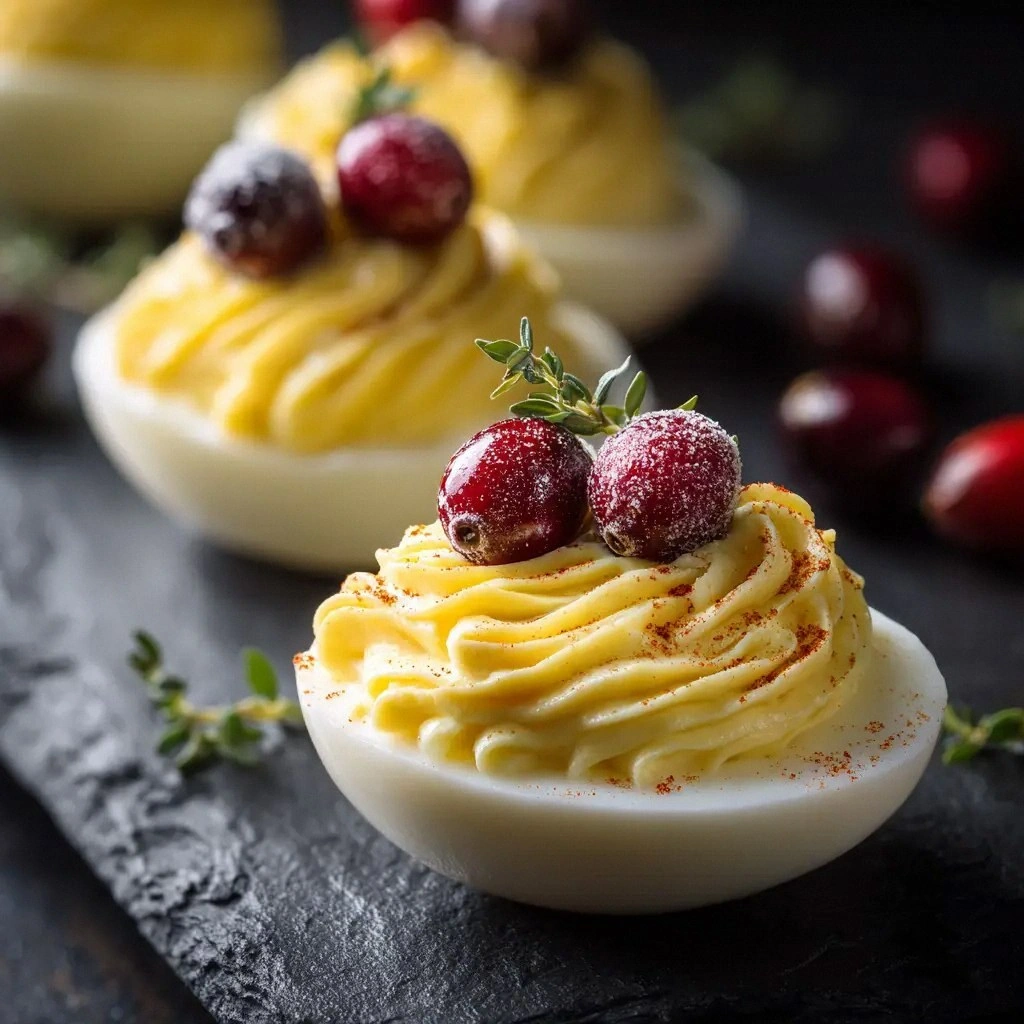
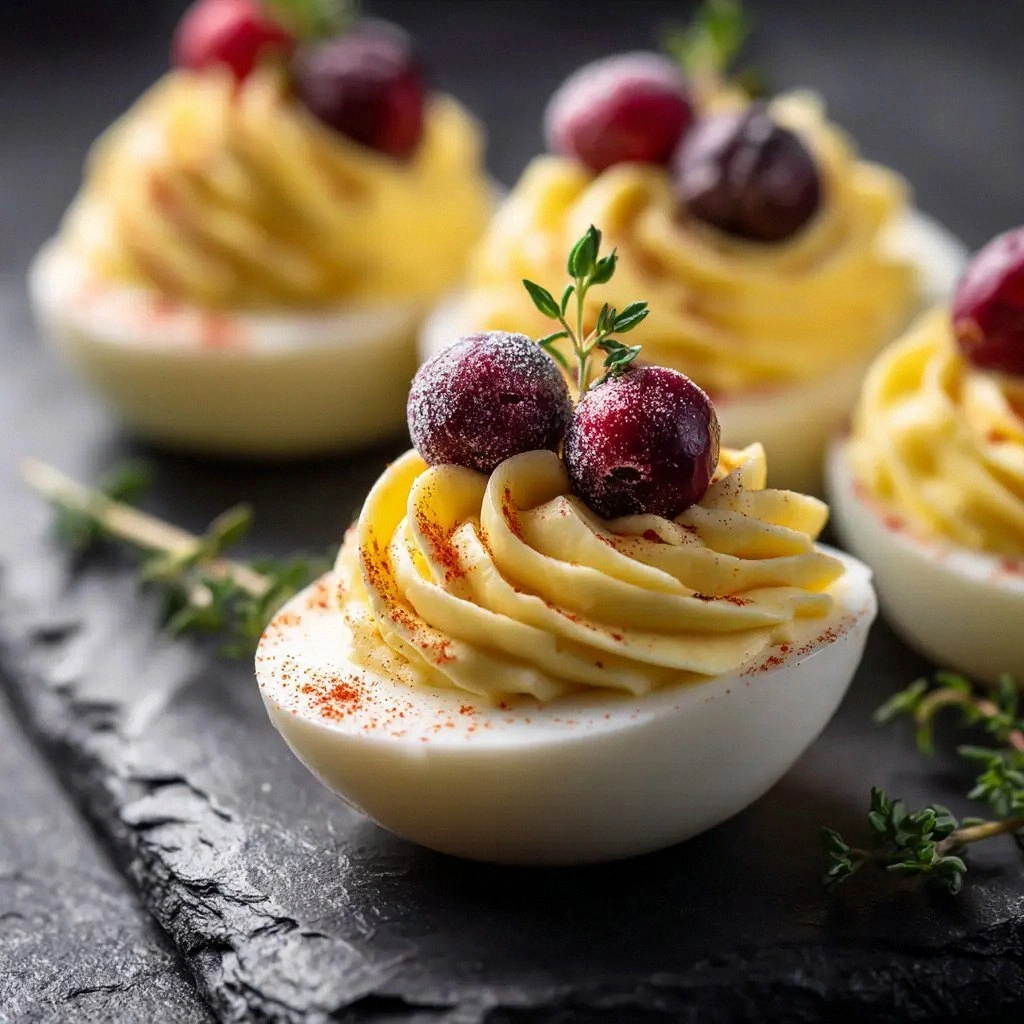
- Visual Appeal: The vibrant crimson of the cranberries against the pale filling turns each half into a mini work of art. A dusting of rosemary sprigs gives a fresh, aromatic finish that looks as good as it tastes.
- Ease: Despite the extra ingredients, the recipe stays straightforward. All the steps can be completed in under an hour, making it perfect for last‑minute entertaining.
- Make‑ahead Friendly: The deviled eggs keep well in the fridge for up to 48 hours, and the cranberries can even be added ahead of time to let the flavors meld.
- Crowd‑Pleaser: Even the most skeptical palates will be won over by the bright, balanced flavors. Guests often comment that this version is “the best deviled eggs I've ever had.”
Alright, let's break down exactly what goes into this masterpiece...
Inside the Ingredient List
The Flavor Base
The eggs are the heart of this dish, providing a creamy canvas that holds everything together. They should be perfectly hard‑boiled—crack them after 12 minutes of boiling for a clean separation between the yolk and white. If you skip the eggs, you lose that satisfying bite and the classic deviled egg structure.
Mayonnaise is the secret to a velvety filling. It coats the yolks like velvet, making each bite silky smooth. If you’re watching calories, you can swap mayo for Greek yogurt, but the texture will be slightly firmer.
Dijon mustard adds a subtle kick that balances the richness of the mayo. It also gives the filling a bright, slightly tangy undertone that complements the cranberries. If you prefer a milder taste, use whole‑grain mustard or even a dash of honey mustard.
White wine vinegar introduces a gentle acidity that brightens the filling without overpowering it. It helps counteract the sweetness of the cranberries and keeps the dish from becoming cloying. A splash of lemon juice can be used as a substitute, but the flavor profile will shift slightly.
Salt is the silent hero that brings all the flavors together. It enhances the natural sweetness of the cranberries and the savory depth of the eggs. A pinch of salt is enough—over‑salting can mask the subtle nuances.
Black pepper adds a subtle heat that lingers on the palate. It’s a small detail that elevates the dish from simple to sophisticated. If you’re a pepper lover, feel free to add a pinch more.
The Texture Crew
Fresh or frozen cranberries are the star of this recipe. They provide a pop of tartness and a pleasant bite that breaks up the creamy filling. If you’re using frozen cranberries, thaw them and pat them dry to avoid excess moisture.
Granulated sugar balances the tartness of the cranberries and rounds out the filling. It also helps the filling set slightly, giving the eggs a firmer bite. If you’re avoiding refined sugar, a touch of honey or maple syrup can be a suitable substitute.
The Unexpected Star
Orange juice brings a bright, citrusy lift that cuts through the richness of the mayo. It also adds a subtle sweetness that pairs beautifully with the cranberries. A splash of fresh orange juice is better than bottled; the natural acidity is more pronounced.
Orange zest delivers a burst of aromatic oils that elevate the dish’s fragrance. The zest’s essential oils give a fresh, zesty finish that lingers on the tongue. Use a microplane to grate the zest finely, ensuring it dissolves into the filling.
Fresh rosemary adds a piney, herbal note that deepens the flavor profile. It provides an earthy counterpoint to the citrus and cranberries, creating a well‑rounded taste. If rosemary is too intense, try a few leaves of thyme instead.
Everything's prepped? Good. Let's get into the real action...
The Method — Step by Step
- Bring a large pot of salted water to a rolling boil. Drop the eggs gently into the pot and let them simmer for 12 minutes. This timing yields a firm yolk that’s easy to mash and a white that’s cleanly separated. I’ve found that a quick ice bath after boiling stops the cooking process instantly and keeps the whites from turning green.
- While the eggs are cooling, whisk together the mayonnaise, Dijon mustard, white wine vinegar, salt, and pepper in a bowl until smooth. The mixture should be creamy, with no lumps. This base will carry the flavors of the cranberries and orange, so make sure it’s well blended.
- Once the eggs are cool, peel them carefully—use a spoon to slide under the shell if you’re nervous about breaking the whites. Slice each egg in half lengthwise and gently scoop out the yolks into a separate bowl. The whites will stay firm and ready for filling.
- Mash the yolks with a fork until they’re almost smooth, then stir in the mayo mixture. Add the orange juice, zest, and rosemary, and mix until the filling is glossy and evenly colored. This step is the moment of truth; the filling should feel silky yet substantial.
- Fold in the cranberries and sugar, making sure the berries are evenly distributed. The berries should be visible in the filling, adding a pop of color and a burst of tartness with each bite. If you prefer a smoother texture, you can pulse the cranberries in a food processor before adding.
- Fill the egg whites with the mixture using a small spoon or a piping bag for a polished look. The filling should be firm enough to hold its shape but still creamy. A little extra filling at the top gives a dramatic finish.
- Dust the tops with a pinch of black pepper and a sprinkle of rosemary for an aromatic finish. The pepper adds a subtle heat that balances the sweetness, while the rosemary offers a fresh herbal note. This final touch is what turns a good deviled egg into a great one.
- Refrigerate the deviled eggs for at least 30 minutes before serving. This resting period allows the flavors to meld and the filling to set. If you’re in a rush, you can serve immediately, but the taste will be even richer after chilling.
That's it — you did it. But hold on, I've got a few more tricks that'll take this to another level...
Insider Tricks for Flawless Results
The Temperature Rule Nobody Follows
Keep the eggs at room temperature before boiling. This reduces the shock of hot water and prevents cracking. I’ve seen eggs split when the shell is too cold, and that ruins the presentation. A quick 10‑minute sit on the counter works wonders.
Why Your Nose Knows Best
Smell the filling as you mix it. If it smells off or too sharp, adjust the vinegar or mustard. Your nose is a reliable indicator of balance, and a slight tweak can elevate the dish from good to unforgettable.
The 5‑Minute Rest That Changes Everything
After filling, let the eggs rest for five minutes before refrigerating. This short pause allows the filling to set and the flavors to mingle. I’ve tried skipping it, and the result was a slightly runny filling that didn’t hold its shape.
The Secret to a Crispy Edge
If you like a slightly crispy edge on the egg whites, finish them under a broiler for 30 seconds. Keep a close eye on them to avoid burning. The contrast between the crispy edge and creamy filling is a delightful surprise.
The Quick Fix for Green Eggs
If your eggs turn green, add a pinch of baking soda to the boiling water. It neutralizes the iron that causes the green hue. This trick saves the dish and keeps the whites crisp.
The Garnish Game Changer
Instead of rosemary, try a sprinkle of toasted pumpkin seeds for crunch. The seeds add a nutty flavor and a textural contrast that elevates the dish. It’s a simple swap that feels festive and unique.
Creative Twists and Variations
This recipe is a playground. Here are some of my favorite ways to switch things up:
Smoky Chipotle
Swap the Dijon mustard for a teaspoon of chipotle mayo. Add a pinch of smoked paprika. The result is a smoky, slightly spicy deviled egg that feels like a winter campfire.
Maple‑Glazed Cranberries
Replace the granulated sugar with a tablespoon of pure maple syrup. The syrup deepens the cranberry flavor and gives the filling a glossy sheen. It’s a sweet‑savory combo that’s perfect for holiday tables.
Herb‑Infused Cream
Add a tablespoon of chopped fresh dill to the filling. Dill pairs beautifully with the citrus and cranberries, giving the eggs a fresh, garden‑like aroma. It’s a lighter, more herbaceous take.
Citrus‑Zest Explosion
Use a mix of orange, lemon, and grapefruit zest in equal parts. The trio brings a complex citrus profile that’s bright and refreshing. It’s ideal for guests who love a vibrant, tangy bite.
Gourmet Truffle Touch
Drizzle a few drops of truffle oil over the finished eggs. The earthy aroma adds a luxurious feel that elevates the dish for a fancy dinner party. Just a tiny amount goes a long way.
Vegan Version
Replace the eggs with tofu cubes and use vegan mayo. Add nutritional yeast for a savory depth. This version keeps the cranberry brightness while being plant‑based.
Storing and Bringing It Back to Life
Fridge Storage
Store the deviled eggs in an airtight container in the refrigerator for up to 48 hours. Keep the eggs on a paper towel to absorb excess moisture and prevent the whites from becoming soggy. When ready to serve, give them a quick rinse under cold water.
Freezer Friendly
For longer storage, freeze the filled eggs in a single layer on a parchment‑lined tray. Once frozen, transfer them to a zip‑lock bag. They can stay in the freezer for up to two weeks. Thaw in the fridge overnight before serving.
Best Reheating Method
Reheat the deviled eggs in a steamer basket over boiling water for 5 minutes. The gentle steam keeps the filling from drying out and maintains the eggs’ silky texture. Add a splash of water before steaming to create a light mist that preserves freshness.