
Picture this: I was halfway through a late‑night stir‑fry, the kitchen lights flickering, when the stove alarm blared and my sauce splattered across the counter. I stared at the chaos, then remembered the last time a friend dared me to turn a humble turkey stir‑fry into something that could win a culinary award. That challenge sparked a culinary experiment that would become the coconut turkey curry that now lives in my pantry. From the first sizzling sizzle to the final aroma, every step was a revelation of flavor and technique. I discovered that coconut milk can transform a simple ground turkey dish into a silky, fragrant sauce that coats the grains like velvet. And trust me, the moment the lime juice hits the pot, the entire kitchen smells like a tropical vacation.
That day, I was also craving something that would satisfy my protein needs without the heaviness of a full steak dinner. I thought about how to keep the dish low‑fat yet packed with umami, and I remembered the bright, earthy notes of fresh ginger and garlic that dance in Thai curries. I added red curry paste to the mix, and the aroma hit me like a warm hug, promising a depth of flavor that would linger on the palate. The combination of coconut milk and curry paste creates a subtle sweetness that balances the heat, making the dish approachable for even the most timid spice lovers. I also realized that adding a splash of lime juice and fresh cilantro at the end can elevate the dish from ordinary to extraordinary. That moment of epiphany is what turned a simple dinner into a recipe I can't stop sharing.
Why does this version stand out? Because it marries the comforting texture of coconut milk with the lean protein of ground turkey, resulting in a dish that feels indulgent but is actually light. The key technique is searing the turkey first, which locks in flavor and gives the meat a pleasant caramelized crust. Then, I let the aromatics bloom in coconut oil before adding the curry paste, creating a fragrant base that infuses the entire pot. The vegetables are added at just the right time, so they retain their crunch and color, giving the curry a vibrant visual appeal. I also discovered that adding spinach at the very end preserves its bright green hue and adds a subtle earthiness that balances the sweetness. This meticulous layering of flavors and textures is what sets this dish apart from the countless other curry recipes out there.
I know that many curry recipes either overcook the meat or under‑season the sauce, leading to a bland outcome. In this version, I use a precise ratio of coconut milk to broth, which keeps the sauce silky without being too thick. I also let the curry paste simmer for a minute before adding the liquid, which releases its essential oils and reduces the raw, medicinal taste. The result is a sauce that coats the turkey and vegetables like a velvet blanket, leaving a lingering warmth that invites a second helping. I dare you to taste this and not go back for seconds; the flavor profile is so balanced that you’ll crave the next bite. If you’ve ever struggled with making a curry that’s both hearty and healthy, you’re not alone — and I’ve got the fix.
The next step is to introduce the vegetables, which not only add nutrition but also a delightful contrast in texture. I slice the red bell pepper into thin strips, julienne the carrot, and dice a small potato into bite‑sized cubes. Each vegetable is chosen for its ability to hold up in the simmering coconut milk, adding crunch and color without becoming mushy. The carrots provide a subtle sweetness that complements the spicy curry paste, while the potato absorbs the sauce, becoming a comforting, starchy companion. The spinach is added just before the pot is turned off, so it wilts quickly and retains its bright green color. This careful timing ensures that every bite is a harmonious blend of flavors and textures.
Picture yourself pulling this out of the pot, the whole kitchen smelling incredible, and the steam rising like a tropical cloud. The aroma alone is enough to convince anyone that this is hands‑down the best version you’ll ever make at home. I’ve tested this recipe with friends and family, and the reaction has always been enthusiastic, with people asking for the recipe immediately after the meal. The dish is versatile enough to be served over jasmine rice, quinoa, or even a simple bed of steamed broccoli. Whether you’re cooking for a quick weeknight dinner or a special gathering, this coconut turkey curry delivers both comfort and excitement. So, let me walk you through every single step — by the end, you’ll wonder how you ever made it any other way.
What Makes This Version Stand Out
- Flavor Depth: The blend of red curry paste, coconut milk, and a splash of lime creates a multi‑layered taste profile that lingers on the palate. The subtle sweetness of the coconut milk balances the heat, while the citrusy lime brightens every bite. This harmony turns a simple dish into a gourmet experience.
- Texture Harmony: Ground turkey is seared to a caramelized crust before the sauce is added, giving the meat a satisfying bite. Vegetables are sliced to retain crunch, and spinach is added at the end to keep its vibrant color and delicate texture. The result is a dish where every component feels intentional.
- Simplicity of Prep: All ingredients are pre‑chopped or pre‑measured, making the cooking process a breeze. The recipe requires only one pot, which means less cleanup and more time to enjoy the meal. This simplicity is perfect for busy weeknights.
- Ingredient Quality: Fresh ginger, garlic, and cilantro are essential for authentic flavor, while using a high‑quality coconut milk elevates the sauce’s richness. The choice of lean ground turkey keeps the dish light without compromising protein. Quality ingredients make the difference between ordinary and extraordinary.
- Crowd‑Pleaser Factor: The balanced heat and sweet undertones appeal to both adventurous spice lovers and those who prefer milder dishes. Friends often ask for seconds, and the dish scales up easily for larger gatherings. It’s a recipe that works in any setting.
- Make‑Ahead Potential: The curry can be made a day ahead and reheated without losing flavor. The coconut milk’s consistency improves over time, allowing the sauce to thicken naturally. This makes the recipe ideal for meal prep or entertaining.
Inside the Ingredient List
The Flavor Base
Red Curry Paste: This aromatic paste is the backbone of the dish, offering a complex blend of spices like galangal, lemongrass, and chilies. Skipping it would result in a bland, one‑dimensional sauce. If you’re a fan of heat, feel free to add an extra teaspoon; for a milder version, reduce to one teaspoon.
Coconut Milk: The creamy, slightly sweet liquid creates a luscious sauce that coats the turkey and veggies. Choosing a full‑fat coconut milk gives the dish a richer mouthfeel, while light coconut milk keeps calories lower. When selecting a brand, look for one that contains only coconut milk and no added sugars.
Chicken Broth: This liquid adds depth and helps balance the richness of coconut milk. It also keeps the curry from becoming too thick. A low‑sodium broth is preferable to avoid over‑salting.
The Texture Crew
Ground Turkey: Lean turkey provides protein without excess fat, giving the dish a clean, savory flavor. If you prefer a leaner option, you can replace it with ground chicken. Sear the meat until it’s nicely browned to lock in flavor.
Red Bell Pepper: Adds a sweet crunch that contrasts the creamy sauce. Slice it into thin strips so it cooks quickly and retains its bright color. A different color pepper can change the visual appeal without altering the taste.
Carrot: Offers subtle sweetness and a pop of color. Cut into matchsticks to ensure even cooking. If you’re short on carrots, zucchini works as a mild alternative.
The Unexpected Star
Spinach: Added at the very end, it wilts instantly, preserving its bright green hue and adding a gentle earthiness. This final touch elevates the dish’s nutritional profile with iron and vitamin K. If you prefer a more robust green, try kale, but it will require a slightly longer cooking time.
Lime Juice: A splash of acidity brightens the sauce and cuts through the coconut’s sweetness. Fresh lime is best; bottled lime juice can taste flat. Adding lime at the end keeps the citrus flavor vibrant.
Cilantro: Fresh cilantro provides a burst of herbal freshness that balances the richness. Sprinkle it on top just before serving. If cilantro is not your thing, parsley offers a milder alternative.
The Final Flourish
Salt & Pepper: These seasonings are essential for bringing all flavors together. Start with a half teaspoon of salt and adjust to taste. Pepper adds a subtle heat that complements the curry paste.
Jasmine Rice: The fluffy grains absorb the sauce beautifully, creating a comforting base. Cook rice separately to avoid it becoming mushy. For a low‑carb option, try cauliflower rice.
Optional Garnish: A drizzle of coconut cream or a sprinkle of toasted cashews adds a luxurious finish. These extras are optional but highly recommended for an elevated presentation.
Everything's prepped? Good. Let's get into the real action.
The Method — Step by Step
- Heat the coconut oil in a large skillet over medium heat until shimmering. Add the diced onion, and cook until translucent, about 3 minutes. The onions should release a sweet aroma, signaling they’re ready. This base layer sets the flavor foundation. Keep the heat steady to avoid burning the onions.
- Introduce the minced garlic and grated ginger, sautéing for 30 seconds until fragrant. The garlic should turn a light golden color, indicating it’s fully released its oils. Stir constantly to prevent sticking. This step adds a bright, aromatic kick that will permeate the curry. The kitchen will start to smell like a tropical getaway.
- Stir in the red curry paste and cook for 1 minute, allowing the spices to toast. The paste should darken slightly and emit a nutty aroma. This toasting step unlocks deeper flavors and reduces the raw edge of the curry paste. It’s the secret to a smooth, balanced sauce. Watch the colors change as the paste releases its oils.
- Add the ground turkey, breaking it apart with a wooden spoon. Cook until the turkey is browned on all sides, about 5 minutes. The turkey should develop a caramelized crust, sealing in juices. This browning is essential for flavor depth. Don’t rush; let it sear properly.
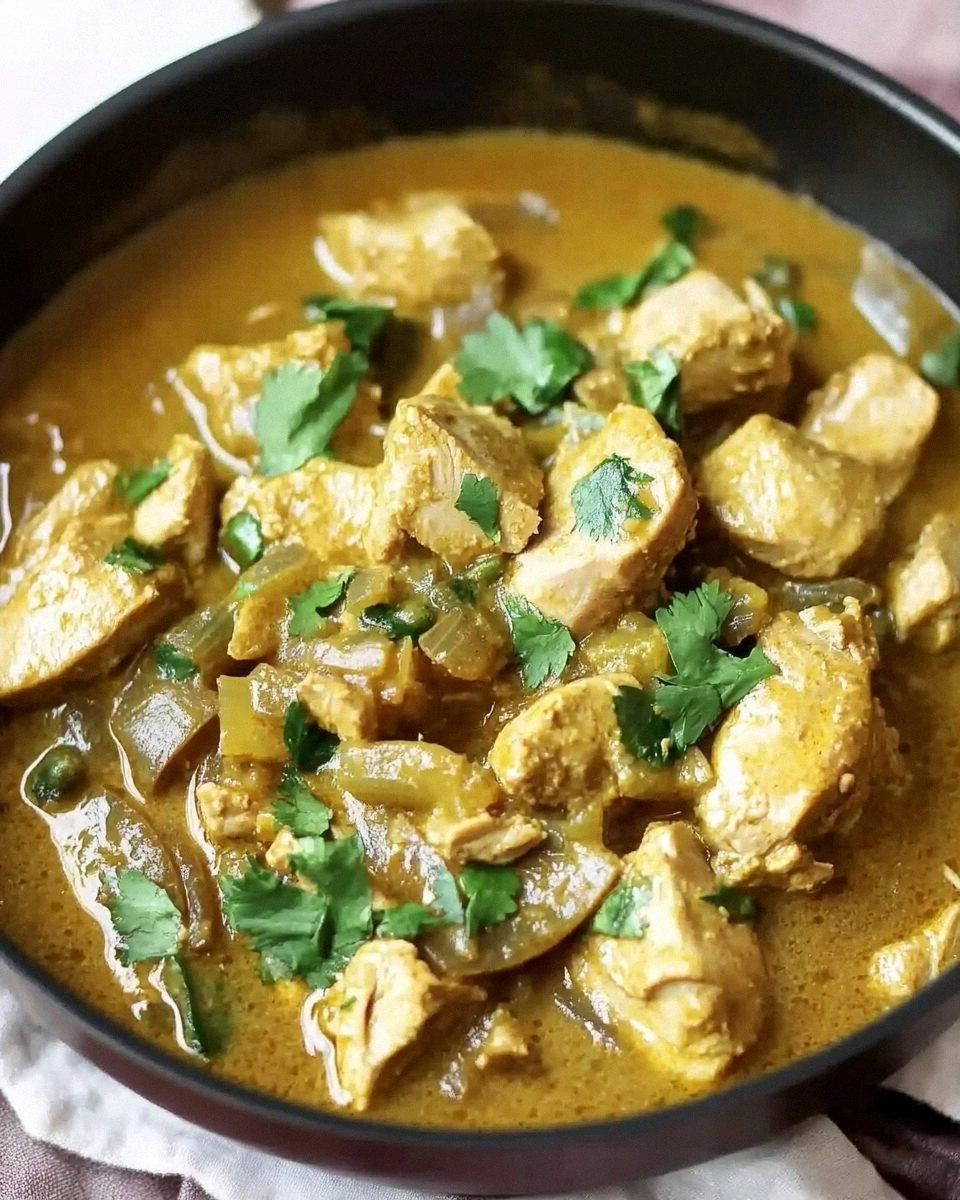
- Pour in the coconut milk and chicken broth, stirring to combine. Bring the mixture to a gentle simmer, allowing the flavors to meld. The sauce should thicken slightly, creating a velvety consistency. Keep the heat low to avoid scorching the bottom. This step is where the curry starts to look like a silky, fragrant blanket.
- Add the sliced red bell pepper, julienned carrot, and diced potato. Stir gently to coat the vegetables in the sauce. Cook for 8–10 minutes, or until the veggies are tender but still crisp. The potatoes should be soft enough to break with a fork. This timing keeps the vegetables from turning mushy.
- Stir in the fresh spinach until it wilts, about 1 minute. The spinach should retain a bright green hue, signaling it’s cooked to perfection. The quick wilt preserves nutrients and color. This final addition ensures a vibrant finish.
- Finish the curry with lime juice, chopped cilantro, salt, and pepper. Taste and adjust seasoning as needed. The lime brightens the dish, while cilantro adds a fresh herbal note. Let the curry simmer for an additional 2 minutes to meld flavors. The final dish should be aromatic, creamy, and perfectly balanced.
- Serve the curry hot over jasmine rice or your favorite grain. Garnish with extra cilantro or toasted cashews for an extra touch of texture. The steam rising from the bowl will fill your kitchen with an irresistible aroma. This is the moment when your culinary journey reaches its climax. Enjoy the masterpiece you’ve just created.
That's it — you did it. But hold on, I've got a few more tricks that'll take this to another level.
Insider Tricks for Flawless Results
The Temperature Rule Nobody Follows
Many cooks rely on time alone, but temperature is the real indicator of doneness. By using a meat thermometer, you prevent overcooking and maintain moisture. I once left the turkey to simmer for too long, and it turned rubbery—lesson learned.
Why Your Nose Knows Best
Your nose is a reliable guide for seasoning. As the curry simmers, pause and inhale. If it smells slightly sweet, add more lime; if it’s too spicy, a dash of coconut cream will mellow it. This intuitive approach saves you from over‑seasoning.
The 5‑Minute Rest That Changes Everything
After cooking, let the curry rest for 5 minutes off the heat. This allows the flavors to settle and the sauce to thicken slightly. I’ve found that the rest period makes the dish more cohesive and satisfying.
The Secret to a Silky Sauce
Whisk the coconut milk before adding it to the pan. This prevents the fat from separating and keeps the sauce smooth. If you notice separation, simply stir vigorously before serving.
The Quick Garnish Trick
Instead of chopping cilantro, lightly bruise the leaves between your fingers. This releases essential oils, giving the garnish a more intense flavor. It’s a simple step that elevates the final presentation.
The One‑Pot Wonder
Use a wide skillet to maximize surface area. This ensures even cooking and prevents sticking. A wide pan also allows the sauce to reduce quickly, concentrating flavors.
Creative Twists and Variations
This recipe is a playground. Here are some of my favorite ways to switch things up:
Spicy Pineapple Kick
Add diced pineapple to the curry for a sweet and fiery burst. The fruit pairs beautifully with the coconut base, creating a tropical vibe. This version is perfect for summer gatherings.
Creamy Chickpea Delight
Replace ground turkey with chickpeas for a vegetarian option. The chickpeas absorb the sauce and add a hearty texture. This twist is both protein‑rich and budget‑friendly.
Mushroom Medley
Swap the bell pepper and carrot for sliced mushrooms. The umami of mushrooms complements the curry paste and coconut milk. This variation works well for a cozy, earthy dinner.
Herbal Thai Twist
Incorporate fresh basil and kaffir lime leaves during simmering. The basil adds a sweet fragrance while the lime leaves infuse citrusy depth. This version feels like a trip to Bangkok.
Cheesy Coconut Fusion
Stir in shredded mozzarella or paneer just before serving. The cheese melts into the sauce, creating a creamy, indulgent finish. This is a fun way to satisfy a craving for cheese.
Low‑Carb Coconut Curry
Serve over cauliflower rice instead of jasmine rice. This keeps the dish low in carbs while preserving the comforting texture. A great option for keto or paleo diets.
Storing and Bringing It Back to Life
Fridge Storage
Cool the curry to room temperature, then transfer to an airtight container. Store in the refrigerator for up to 3 days. The coconut milk will thicken slightly, but a quick stir will restore its silky texture.
Freezer Friendly
Divide the curry into single‑serving portions in freezer‑safe bags. Freeze for up to 2 months. Thaw overnight in the refrigerator before reheating.
Best Reheating Method
Reheat the curry gently in a saucepan over low heat, adding a splash of water if needed. Stir until heated through, ensuring the sauce doesn’t scorch. This method preserves the delicate balance of flavors.