If you’ve ever dreamed of a breakfast that feels indulgent yet stays true to a low‑carb, keto lifestyle, look no further than these Coconut Flour Pancakes. Imagine a stack of golden‑browned discs that melt in your mouth, each bite delivering a subtle tropical aroma from the coconut flour, a gentle sweetness from erythritol, and a satisfying lift from whipped eggs. Unlike traditional wheat‑based pancakes, this version swaps out the carb‑heavy flour for a gluten‑free, high‑fiber alternative that keeps blood sugar stable while still delivering that coveted fluffiness.
The secret lies in the chemistry of coconut flour: it soaks up moisture like a sponge, creating a batter that’s thicker yet incredibly tender once cooked. Coupled with the power of almond milk, melted butter, and a dash of vanilla, the flavor profile is both familiar and exotic—perfect for a weekend brunch, a quick weekday breakfast, or even a post‑workout refuel. And because the recipe is completely free of added sugars and refined grains, you can indulge without the guilt, staying firmly within your macro goals.
In this article you’ll find a step‑by‑step guide, pro tips that turn good pancakes into great ones, creative variations for those who love to experiment, and answers to the most common questions keto cooks ask about coconut flour. Whether you’re a seasoned keto veteran or just dipping your toe into low‑carb living, these pancakes are designed to be approachable, delicious, and, most importantly, repeatable. Grab your skillet, preheat that pan, and let’s dive into the world of fluffy, keto‑friendly pancakes that will quickly become a staple in your breakfast rotation.
Why You’ll Love This Recipe
- Low‑carb and keto‑approved (under 5 g net carbs per serving).
- Gluten‑free, grain‑free, and dairy‑optional.
- Quick to prepare – under 30 minutes from start to finish.
- High in fiber and healthy fats, keeping you satiated longer.
- Adaptable for sweet or savory twists.
- Beautifully golden, perfect for Instagram‑ready plating.
Ingredients
- 1/2 cup coconut flour – the star of the show, providing a light, airy texture and a hint of coconut flavor.
- 4 large eggs – act as the binder and leavening agent, creating lift without baking powder.
- 1 cup unsweetened almond milk – adds moisture while keeping carbs low.
- 2 Tbsp melted butter or coconut oil – contributes richness and helps prevent sticking.
- 2 Tbsp erythritol or your favorite keto‑friendly sweetener – provides subtle sweetness without the spike.
- 1 tsp vanilla extract – enhances the overall flavor profile.
- 1/2 tsp baking soda – gives the pancakes a gentle rise.
- Pinch of sea salt – balances the sweetness.
- Optional toppings: fresh berries, sugar‑free maple syrup, toasted coconut flakes, or a dollop of whipped cream.
Instructions
- Prepare the dry base. In a medium bowl, whisk together coconut flour, erythritol, baking soda, and sea salt until evenly combined. Coconut flour tends to clump, so a thorough whisk is essential.
- Separate the wet components. In a separate large bowl, beat the eggs until they become light and frothy (about 30 seconds). This incorporates air, which will help the pancakes rise.
- Combine wet and dry. Pour the almond milk, melted butter (or coconut oil), and vanilla extract into the beaten eggs. Stir gently, then gradually add the dry mixture, whisking continuously to avoid lumps.
- Let the batter rest. Allow the batter to sit for 3‑5 minutes. Coconut flour will absorb liquid and thicken; this rest period ensures a uniform texture and prevents overly dense pancakes.
- Preheat the skillet. Heat a non‑stick skillet or cast‑iron griddle over medium heat. Lightly coat with a thin layer of butter or oil. A drop of water should sizzle and evaporate immediately.
- Test the temperature. Sprinkle a tiny amount of batter onto the pan; if it bubbles and sets within 30 seconds, the skillet is ready. Adjust heat as needed—too hot will burn the exterior before the interior cooks.
- Portion the batter. Using a ¼‑cup measuring cup, pour batter onto the skillet, spreading slightly with the back of the cup to form even circles (about 4‑5 cm in diameter). The batter is thicker than traditional pancake batter, so gentle spreading is key.
- Cook the first side. Let the pancake cook undisturbed for 2‑3 minutes, or until the edges start to look set and the bottom is a deep golden brown. The surface will develop tiny bubbles.
- Flip with confidence. Using a thin spatula, carefully slide under the pancake and flip. Cook the second side for an additional 1‑2 minutes until fully set and lightly browned.
- Repeat until batter is exhausted. Adjust the heat if the pan begins to smoke. Keep finished pancakes warm on a low oven (≈90 °C) while you finish the batch.
- Serve immediately. Stack the pancakes on a plate, drizzle with sugar‑free maple syrup, sprinkle toasted coconut flakes, or add your favorite low‑carb toppings. Enjoy while hot for maximum fluffiness.
Pro Tips & Tricks
- Don’t over‑mix. Once the wet and dry ingredients meet, stir just until combined. Over‑mixing can develop gluten‑like textures even with gluten‑free flours, leading to dense pancakes.
- Use room‑temperature eggs. Cold eggs cause the batter to seize, making it harder for the pancakes to rise evenly.
- Adjust thickness. If the batter feels too thick after resting, whisk in an extra tablespoon of almond milk at a time until you reach a pourable consistency.
- Flavor boost. Add a pinch of cinnamon or a few drops of almond extract for a warm, nutty undertone.
- Perfect flip. When the edges are set and the surface shows small bubbles, the pancake is ready to flip. A thin, flexible spatula reduces breakage.
Variations & Substitutions
Chocolate Keto Pancakes
Add 2 Tbsp unsweetened cocoa powder and increase the erythritol by 1 Tbsp. Top with a drizzle of sugar‑free chocolate sauce for an indulgent breakfast.
Blueberry Coconut Pancakes
Fold in ½ cup fresh or frozen blueberries after the batter rests. The berries will burst slightly, adding natural sweetness without extra carbs.
Savory Herb Pancakes
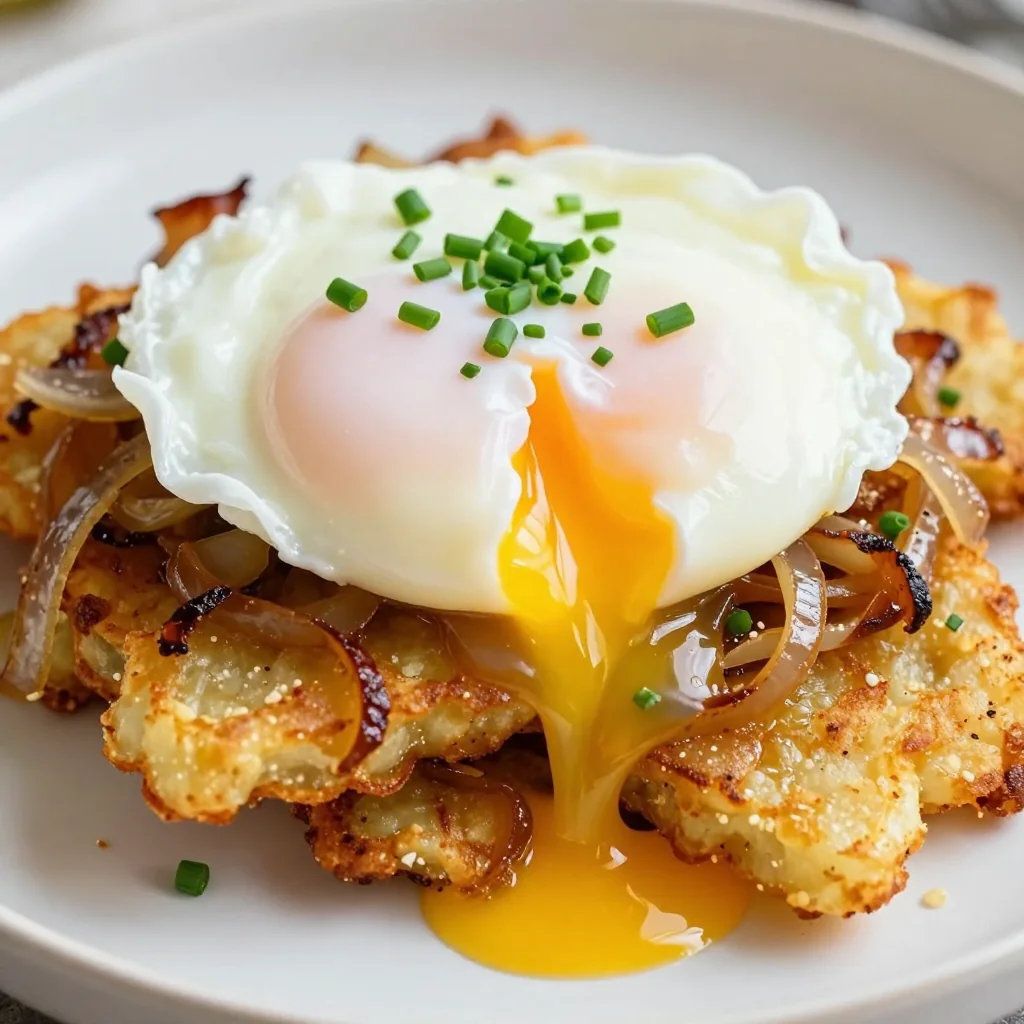
Omit the sweetener, add 1 tsp dried herbs (thyme, rosemary), and top with avocado slices and a poached egg for a low‑carb brunch twist.
Dairy‑Free Option
Replace butter with an equal amount of melted coconut oil and use coconut milk instead of almond milk for a richer coconut flavor.
Storage Tips
Store leftover pancakes in an airtight container in the refrigerator for up to 4 days. To reheat, use a toaster oven or a skillet over low heat—this preserves the exterior crispness while warming the interior.
For longer storage, freeze the pancakes in a single layer on a baking sheet, then transfer to a zip‑top freezer bag. They’ll keep for up to 2 months. Reheat directly from frozen in a microwave (30‑seconds intervals) or in a skillet for a freshly‑cooked feel.