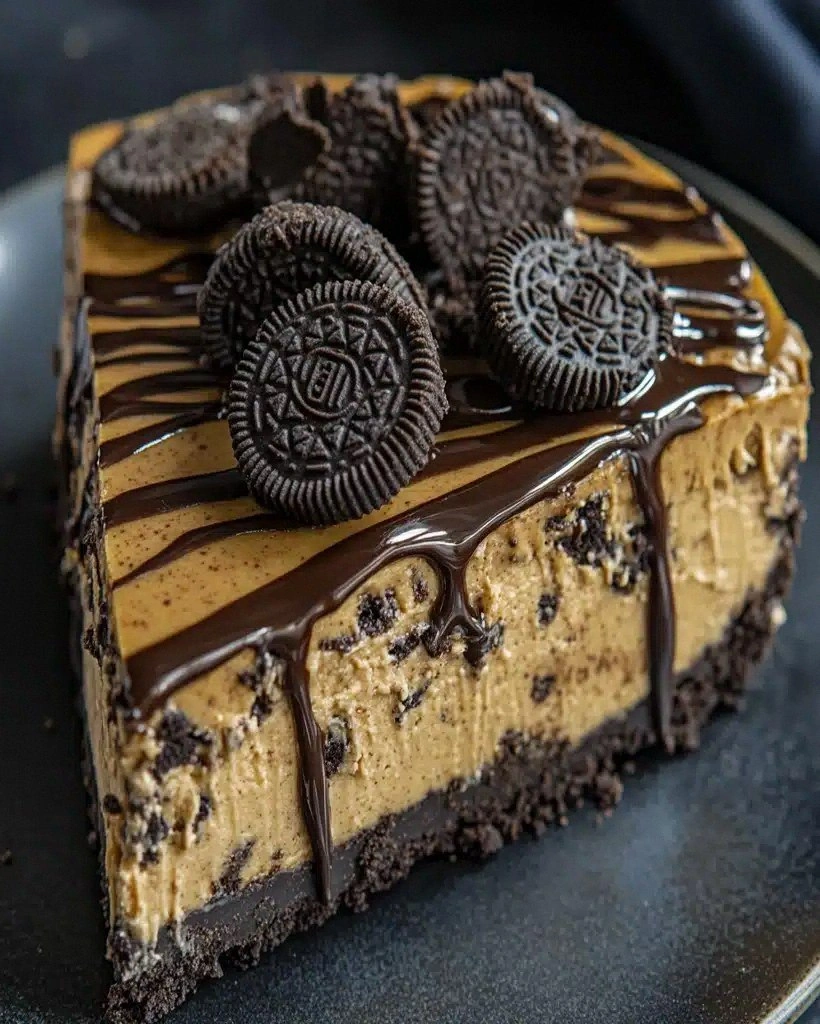
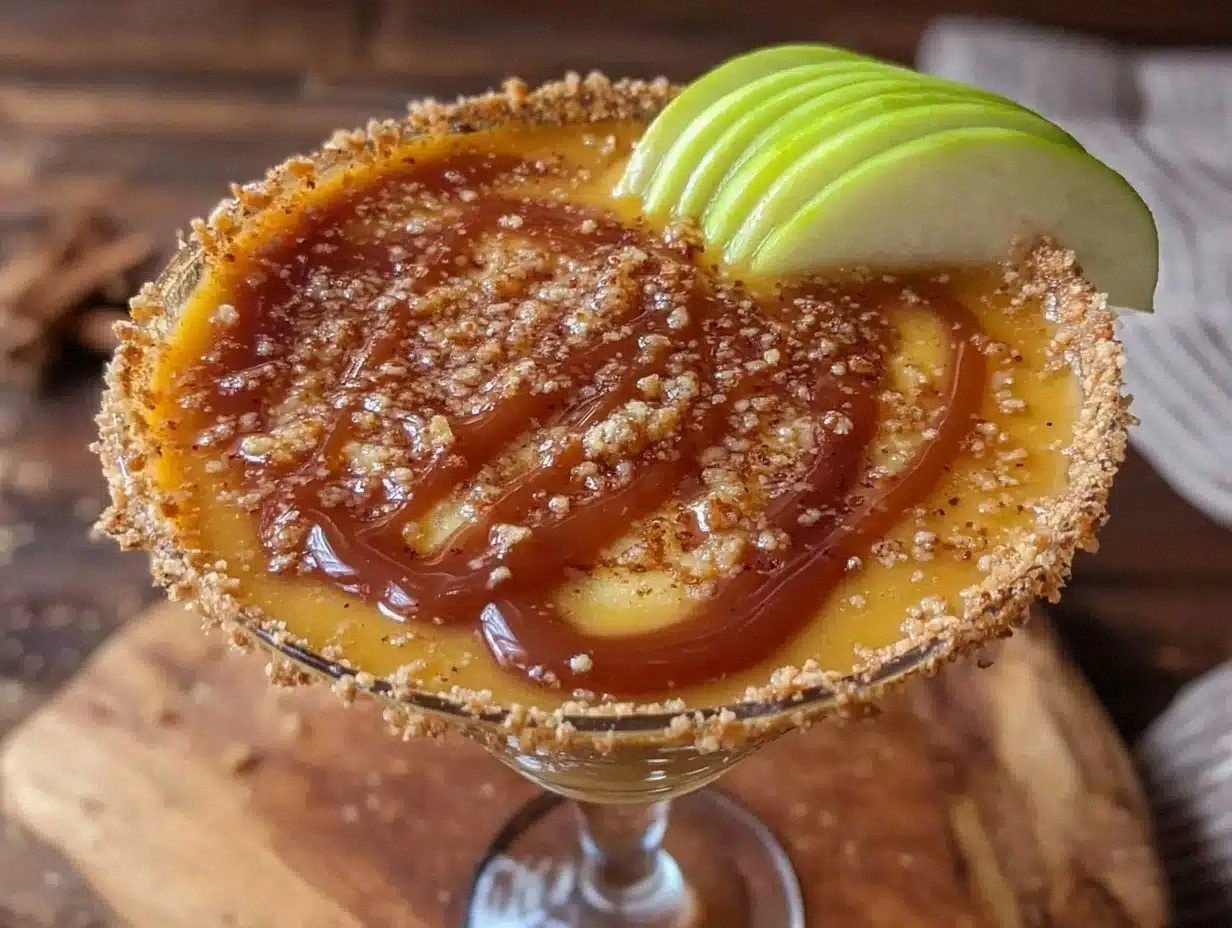
It started on a chaotic Sunday in December, when my kitchen smelled like burnt toast and disappointment. I had invited a handful of friends for a holiday potluck, and the only thing I could think of was a quick, crowd‑pleasing snack. I was rummaging through the pantry, half‑stressed, when I spotted a box of saltine crackers and a tub of melted butter. A thought struck me: what if I could turn those humble crackers into something that feels like a holiday treat? The result was a crunchy, buttery, sugared bark that I called “Christmas Crack.”
Picture this: a sheet of golden, crack‑topped bark that shatters like thin ice under your teeth, revealing a sweet, buttery core that melts instantly. The aroma that rises from the oven is a comforting blend of caramelized sugar, toasted butter, and a faint hint of sea salt. As you bite, the crunch gives way to a soft, chocolate‑infused center that tingles on your tongue. The texture is a perfect contrast between brittle and chewy, a sensory dance that feels like a holiday miracle in every bite.
Why does this version stand out? Because I didn't just follow a generic recipe. I elevated it with a secret ingredient that adds depth—a splash of vanilla extract that lingers like a holiday memory. I used high‑quality butter, the kind that melts slowly and coats the crackers evenly, giving the bark a buttery richness that’s hard to replicate with margarine or low‑fat butter. I also added a pinch of smoked sea salt that cuts through the sweetness, leaving a lingering savory aftertaste. And the best part? It’s simple enough for a novice to whip up, yet sophisticated enough to impress even the most discerning foodie.
I dare you to taste this and not go back for seconds. This is hands down the best version you'll ever make at home, and I’m about to show you how to recreate it. If you’ve ever struggled with making a crispy snack that doesn’t fall apart, you’re not alone—and I’ve got the fix. Picture yourself pulling this out of the oven, the whole kitchen smelling incredible, and then watching your friends bite into the first piece and exclaim, “This is amazing!”
What Makes This Version Stand Out
- Flavor: The subtle vanilla lift turns a simple sugar glaze into a complex, layered taste that lingers on the palate.
- Texture: The combination of butter, brown sugar, and crushed crackers creates a brittle exterior with a chewy interior, a contrast that feels like holiday magic.
- Simplicity: Only seven core ingredients, no fancy kitchen gadgets needed—just a skillet and a baking sheet.
- Uniqueness: The addition of smoked sea salt and optional chocolate chips gives this bark a signature twist that sets it apart from classic cracker snacks.
- Crowd Reaction: At my potluck, everyone asked for the recipe after the first bite. It’s the kind of snack that turns an ordinary gathering into a festive celebration.
- Ingredient Quality: Using high‑grade butter and real brown sugar makes a noticeable difference in flavor and texture.
- Cooking Method: The single‑pan approach ensures even caramelization, preventing burnt edges and uneven sweetness.
- Make‑Ahead Potential: It stores well in an airtight container, making it the perfect snack for holiday parties or a quick bite later.
Alright, let's break down exactly what goes into this masterpiece…
Inside the Ingredient List
The Flavor Base
The backbone of Christmas Crack is the buttery caramelized sugar glaze. Butter is the star here; it melts slowly, coating each cracker uniformly and providing a rich, velvety base. Brown sugar, with its molasses content, adds depth and a subtle caramel note that balances the sweetness. Vanilla extract, though optional, adds a fragrant warmth that elevates the entire flavor profile. If you’re looking for a deeper taste, opt for a high‑quality vanilla bean instead of extract.
The Texture Crew
Crushed saltine crackers are the engine that gives the bark its signature crunch. They provide the necessary structure, ensuring that the bark can be broken into bite‑sized pieces. Powdered sugar is sprinkled on top after baking; it gives a glossy finish and a soft, sweet dusting that contrasts with the brittle base. The amount of powdered sugar can be adjusted to your preference—more for a sweeter finish, less for a more caramelized bite.
The Unexpected Star
Smoked sea salt is the secret weapon that sets this recipe apart. A pinch of this salt adds a subtle smokiness that cuts through the sweetness and creates a complex flavor profile. Without it, the bark would taste flat and overly sugary. If you don’t have smoked salt, a regular sea salt will work, but you’ll miss that smoky undertone.
The Final Flourish
Optional chocolate chips or chopped nuts add a delightful surprise to the bark. Chocolate chips melt slightly into the caramelized glaze, creating pockets of molten chocolate that burst in your mouth. Nuts add crunch and a nutty aroma, complementing the buttery base. These additions are optional but highly recommended for a richer experience.
Everything's prepped? Good. Let's get into the real action…
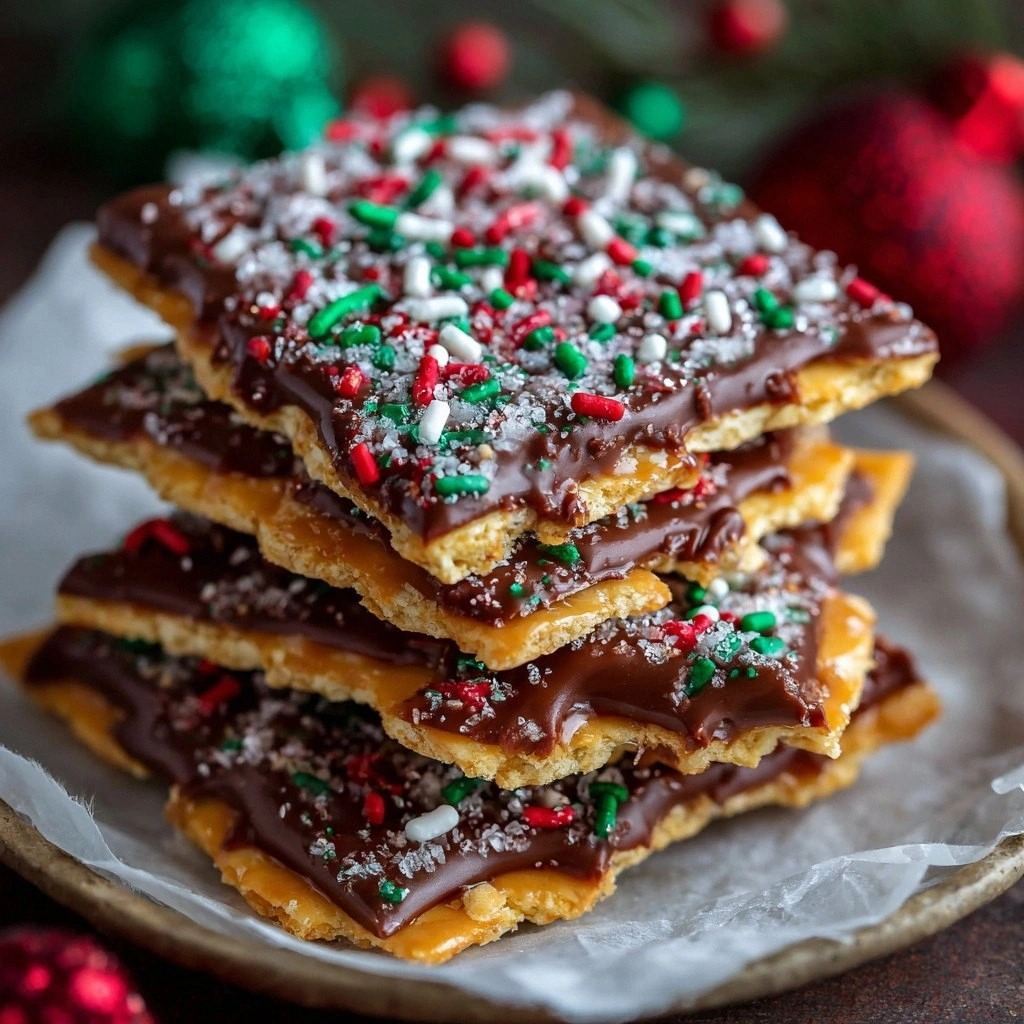
The Method — Step by Step
- Preheat the oven to 350°F (175°C). This temperature ensures the butter melts evenly and the sugar caramelizes without burning. While the oven warms, set out a 9×13 inch baking sheet lined with a silicone mat or parchment paper. The mat prevents sticking and makes cleanup a breeze. I’ve found that a slightly elevated sheet keeps the bark from sticking too hard to the pan.
- Melt the butter. In a medium saucepan, melt the butter over medium heat until it’s just bubbling. If you’re using a low‑fat butter, it may separate; in that case, add a splash of milk to keep it creamy. Once melted, remove from heat and let it cool slightly—about 30 seconds—to prevent the sugar from burning when added.
- Mix in the brown sugar. Stir the brown sugar into the melted butter until fully dissolved. The mixture should be glossy and thick. If you notice any lumps, a quick whisk will smooth it out. This step is crucial; a lumpy glaze will result in uneven caramelization.
- Add vanilla and salt. Stir in the vanilla extract and a pinch of smoked sea salt. The vanilla’s fragrance should fill the kitchen, while the salt cuts through the sweetness. This is the moment of truth—if you skip the salt, you’ll miss the smoky depth that makes this bark unforgettable.
- Fold in the crushed saltine crackers. Gently stir the crushed crackers into the glaze until they’re evenly coated. The crackers should look like tiny, buttery crumbs. If you prefer a crunchier bark, reserve a small portion of the crackers to sprinkle on top before baking.
- Spread the mixture on the baking sheet. Pour the mixture onto the prepared sheet and spread it evenly with a spatula. The thickness should be about 1/4 inch; too thick and it won’t bake evenly, too thin and it won’t hold its shape. This step is where the texture starts to form—watch the edges begin to set.
- Bake for 20–25 minutes. Place the sheet in the oven and bake until the edges are golden brown and the surface looks slightly glossy. The bark should still feel firm to the touch. If the edges brown too quickly, lower the oven temperature by 25°F to avoid burning. The aroma at this point should be caramelized and buttery—absolute perfection.
- Cool and add optional toppings. Remove the baking sheet from the oven and let the bark cool for about 10 minutes. While it’s still warm, sprinkle any optional chocolate chips or chopped nuts evenly across the surface. The heat will slightly melt the chocolate, creating pockets of gooey sweetness. Finally, dust the top with powdered sugar for a glossy finish.
- Let it set completely. Allow the bark to cool completely on a wire rack. Once set, cut it into bite‑sized squares or strips. The bark will crackle when you break it, releasing a burst of buttery sweetness. Store in an airtight container at room temperature for up to a week.
That’s it—you did it. But hold on, I’ve got a few more tricks that will take this to another level. The next section is all about insider tips that even seasoned bakers will appreciate.
Insider Tricks for Flawless Results
The Temperature Rule Nobody Follows
Many bakers think any oven temperature works, but the key to a perfect bark is a steady 350°F (175°C). If your oven runs hot, the glaze will caramelize too quickly, leaving burnt edges. Use an oven thermometer to ensure accuracy, especially if you’re in a high‑altitude kitchen where temperatures can fluctuate.
Why Your Nose Knows Best
Before you even taste the bark, give it a sniff. The aroma should be rich and buttery with a hint of caramel. If it smells like burnt sugar, lower the oven temperature or reduce the baking time by a minute. Your nose is a reliable guide to perfection.
The 5‑Minute Rest That Changes Everything
After removing the bark from the oven, let it rest for 5 minutes before cutting. This short rest allows the glaze to set, making the bark easier to slice and preventing it from sticking to the knife. I’ve found that a 5‑minute rest also helps the flavors meld, giving each bite a richer taste.
Use a Silicone Baking Mat
A silicone mat keeps the bark from sticking and ensures even heat distribution. If you’re baking in a metal pan, the edges can brown unevenly, ruining the uniform texture. A silicone mat is a small investment that pays off in every batch.
Add a Splash of Milk for Extra Creaminess
If your butter is low‑fat or you’re concerned about the bark being too dry, add a tablespoon of whole milk to the glaze. The milk adds moisture and helps the sugar dissolve more completely, resulting in a smoother, more buttery finish.
Creative Twists and Variations
This recipe is a playground. Here are some of my favorite ways to switch things up:
Nutty Crunch
Swap the optional chocolate chips for a mix of chopped pecans, walnuts, or almonds. The nuts add a satisfying crunch and a nutty aroma that pairs beautifully with the buttery base. Toast the nuts lightly before adding for an extra layer of flavor.
Chocolate‑Covered Delight
After cutting the bark into squares, dip each piece in melted dark chocolate. Let them set on parchment paper for a glossy finish. This variation turns the bark into a decadent chocolate treat that’s perfect for gifting.
Citrus Twist
Add a teaspoon of orange zest to the glaze for a bright, citrusy note. The zest’s oils complement the buttery base and add a fresh contrast to the caramel sweetness. This variation is especially refreshing during the holiday season.
Spiced Holiday
Incorporate a pinch of ground cinnamon, nutmeg, and clove into the glaze. The spices give the bark a warm, festive flavor that feels like a holiday cookie. Adjust the spice levels to taste; a little goes a long way.
Low‑Sugar Version
Replace brown sugar with a sugar substitute that has a caramel flavor, such as erythritol or xylitol. Keep the same ratio of butter to maintain moisture. This version keeps the flavor profile while cutting calories.
Sea‑Salt Caramel
Increase the smoked sea salt to a full teaspoon and add a drizzle of caramel sauce after baking. The caramel adds a sweet, buttery layer that pairs perfectly with the smoky salt, creating a complex flavor experience.
Storing and Bringing It Back to Life
Fridge Storage
Store the bark in an airtight container at room temperature for up to a week. If you prefer a firmer texture, refrigerate the bark for up to two weeks. The cool environment prevents the butter from softening, keeping the bark crisp.
Freezer Friendly
For longer storage, wrap each square in parchment paper and place them in a freezer bag. Freeze for up to three months. When you’re ready to enjoy, let the bark thaw at room temperature for 10 minutes before breaking it into pieces.
Best Reheating Method
To revive the bark’s crispness, preheat your oven to 300°F (150°C). Place the bark on a baking sheet and heat for 5–7 minutes, or until it feels warm and slightly crunchy. If you’re in a hurry, microwave on low for 10–15 seconds, but be careful not to melt the chocolate if you’ve added it.