Picture this: it’s a rainy Saturday, the kind that makes you want to crawl under a blanket and binge‑watch old sitcoms, but your stomach is growling louder than the thunder outside. I was staring at a half‑baked pizza crust that had somehow turned into a sad, doughy pancake, and a bowl of wilted lettuce that looked like it had been through a war. In a reckless moment of culinary desperation, I tossed the crust onto a baking sheet, slathered it with a quick olive‑oil‑lemon drizzle, and piled on a chaotic medley of chopped veggies, cheese, and herbs. The result? A dish that made the thunder seem polite in comparison. This is the story of how a kitchen disaster became the most addictive “Chopped Salad Pizza” you’ll ever taste.
The moment the pizza slid into the oven, the kitchen filled with a scent that was part fresh garden, part toasted dough, and part cheesy bliss. Imagine the bright snap of cucumber, the sweet pop of cherry tomatoes, and the earthy tang of feta mingling with the buttery crust as they caramelize just enough to develop a whisper of crispness. You could hear the cheese bubbling, feel the heat radiating from the oven door, and see the edges of the crust puff up like a sun‑kissed horizon. That aroma? It was a siren call that made my neighbors peek through their windows, wondering if I’d finally nailed the ultimate comfort food.
Most pizza‑salad hybrids out there either drown the crust in soggy greens or slather the salad with a sauce that turns the whole thing into a soggy mess. I’ve tried those, and I’ll be honest — I ate half the batch before anyone else got a slice because the flavors were so addictive. This version, however, flips the script: the crust stays crisp, the salad stays fresh, and the dressing acts like a glossy, herb‑infused glaze that binds everything together without turning it into a wilted swamp. The secret? A quick oven‑blast that locks in texture, and a light but flavorful olive‑oil‑lemon dressing that coats each bite like silk.
Now, I’m about to spill the beans (and the feta) on every single step, from the moment you mix the dough to the final garnish that makes this pizza look like a work of art. I dare you to taste this and not go back for seconds. Let me walk you through every single step — by the end, you’ll wonder how you ever made it any other way.
What Makes This Version Stand Out
- Texture: The crust stays crisp on the bottom while the toppings stay crunchy, creating a satisfying contrast that most pizza‑salad combos lack.
- Flavor Fusion: Fresh garden veggies meet a buttery, slightly cheesy crust, and the lemon‑garlic dressing ties everything together with a zingy brightness.
- Simplicity: Only pantry staples and a handful of fresh veggies are needed; no fancy equipment or exotic ingredients required.
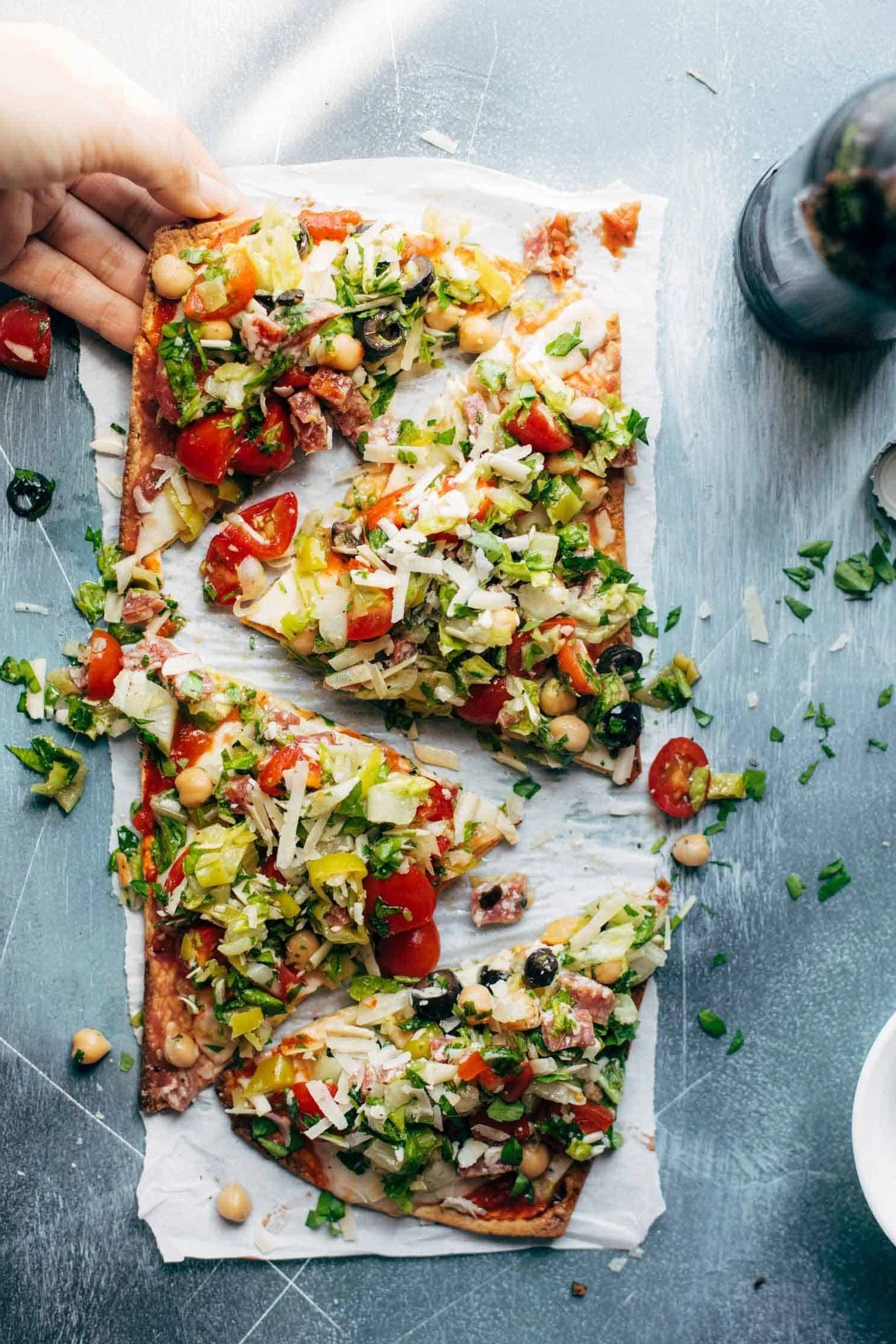
- Visual Appeal: The bright colors of the chopped salad pop against the golden crust, making it Instagram‑ready without any extra effort.
- Crowd Reaction: Guests often claim they’ve never had pizza this “light” yet “satisfying,” and they’ll ask for the recipe twice.
- Ingredient Quality: Using high‑quality olive oil and fresh herbs elevates the dish from ordinary to unforgettable.
- Cooking Method: A short, high‑heat bake locks in moisture while giving the crust that perfect puff and bite.
- Make‑Ahead Potential: The dough can be pre‑made and stored, and the salad topping can be pre‑chopped for a quick assembly on busy nights.
Alright, let's break down exactly what goes into this masterpiece...
Inside the Ingredient List
The Flavor Base
All‑purpose flour (2 cups): This is the backbone of your crust, providing structure and that characteristic chew. If you swap it for whole‑wheat flour, you’ll get a nuttier flavor but a denser texture. For the best result, sift the flour to aerate it before mixing.
Instant yeast (1 tsp): The tiny powerhouses that turn dough into a fluffy masterpiece. Forget about “proofing” it; instant yeast works straight into the flour, saving you precious minutes. If you’re out of instant yeast, active dry works fine—just dissolve it in the warm water first.
Warm water (¾ cup): The temperature matters: aim for 105°F‑110°F. Too hot and you’ll kill the yeast; too cold and the dough won’t rise properly. A quick tip: heat the water in the microwave for about 20 seconds, then check with a kitchen thermometer.
The Texture Crew
Olive oil (1 tbsp + 2 tbsp for dressing): The first tablespoon goes into the dough, giving it elasticity and a subtle richness. The extra two tablespoons become the heart of the lemon‑garlic dressing that glazes the salad. Use extra‑virgin olive oil for the most vibrant flavor.
Salt (1 tsp): Not just for seasoning—salt tightens the gluten network, helping the crust develop that perfect bite. If you have flaky sea salt, sprinkle a pinch on top before baking for a delicate crunch.
Shredded mozzarella (1 cup): This cheese melts beautifully, creating those golden bubbles and a gooey interior. For a sharper flavor, blend half mozzarella with a bit of provolone.
The Unexpected Star
Lemon juice (1 tbsp): The acidity lifts the heavy cheese and balances the olive oil, preventing the topping from feeling greasy. Freshly squeezed juice makes a world of difference—bottled lemon can taste flat.
Garlic, minced (1 clove): A tiny amount delivers a fragrant punch that lingers on the palate. If you love garlic, double it, but remember it can become bitter if over‑cooked.
Dried oregano (1 tsp): This herb adds an earthy, slightly floral note that ties the pizza and salad together. Fresh oregano can be used, but it’s more delicate; add it after baking.
The Final Flourish
Chopped lettuce (1 cup): Provides that fresh crunch you expect from a salad. Choose Romaine or butter lettuce for the best texture; iceberg can get soggy if over‑dressed.
Diced cucumber (½ cup): Adds a cooling, watery bite that cuts through the cheese. Peel the cucumber if the skin is thick, but leave it on for extra nutrients.
Halved cherry tomatoes (½ cup): Their burst of sweetness caramelizes slightly in the oven, adding a juicy pop.
Thinly sliced red onion (¼ cup): Gives a mild sharpness that mellows as it bakes, turning sweet and fragrant.
Crumbled feta (¼ cup): A salty, tangy counterpoint to the mozzarella, creating a layered cheese experience.
Sliced black olives (¼ cup): Their briny depth adds complexity; use Kalamata for a richer flavor.
Salt and pepper to taste: These final seasonings bring everything together. If you’re watching sodium, use a light hand on the salt and let the feta do the heavy lifting.
Everything's prepped? Good. Let's get into the real action...
The Method — Step by Step
Start by activating the dough. In a large mixing bowl, combine the flour, instant yeast, and salt. Make a well in the center, drizzle in the tablespoon of olive oil, and gradually pour in the warm water while stirring with a wooden spoon. When the mixture begins to form a shaggy dough, turn it onto a lightly floured surface and knead for about 8‑10 minutes until it’s smooth, elastic, and springs back when pressed. This is the moment of truth—if the dough feels too sticky, sprinkle a pinch more flour; if it’s too dry, add a splash of water.
Place the kneaded dough into a lightly oiled bowl, cover with a damp kitchen towel, and let it rise in a warm spot for 45 minutes to an hour, or until it has doubled in size. While you wait, pre‑heat your oven to 475°F (245°C) with a pizza stone or an inverted baking sheet inside. Power transition: This high heat will give your crust that coveted “pizzeria” snap.
After the dough has risen, gently punch it down to release excess air. Transfer it onto a parchment‑lined baking sheet and use your fingertips to stretch it into a 12‑inch circle, leaving a slightly thicker rim for the crust. Drizzle a thin layer of olive oil over the surface and use a fork to prick the dough all over—this prevents bubbling and ensures an even bake. Watch Out: Over‑stretching can tear the dough; if it starts to rip, let it rest for a couple of minutes and then reshape.
While the crust is waiting for the oven, whisk together the extra‑virgin olive oil, lemon juice, minced garlic, dried oregano, and a pinch of salt and pepper. This dressing will act as a light “sauce” that keeps the salad fresh but not soggy. Set it aside; the aroma of garlic mingling with lemon is already making my mouth water.
Slide the prepared crust onto the pre‑heated stone or sheet and bake for 6‑8 minutes, just until the edges start to turn a light golden brown and the surface looks set but not fully crisp. You’re looking for that “just‑right” stage where the crust is firm enough to hold toppings without collapsing.
While the crust is in the oven, toss the chopped lettuce, cucumber, cherry tomatoes, red onion, feta, and olives in a large bowl. Drizzle the lemon‑garlic dressing over the salad and toss gently until every piece is lightly coated. This step ensures the veggies stay bright and crisp, and the dressing doesn’t soak the crust later.
When the crust reaches that perfect light‑golden hue, remove it from the oven and immediately sprinkle the shredded mozzarella evenly across the surface. Return the pizza to the oven for another 2‑3 minutes, just until the cheese melts and starts to bubble. This next part? Pure magic. The cheese should melt into a silky blanket without browning too much.
Now comes the fun part: spread the dressed chopped salad over the melted cheese, distributing it evenly. The heat from the crust will slightly wilt the lettuce, giving it a subtle warmth while preserving its crunch. Finish with a final drizzle of any leftover dressing, a sprinkle of fresh oregano if you have it, and a light dusting of cracked black pepper.
Let the pizza rest for 2‑3 minutes before slicing. This short pause lets the cheese set just enough to hold the salad together, and it also allows the flavors to meld. Grab a sharp pizza cutter, slice, and serve immediately while the crust is still warm and the salad is refreshing. Picture yourself pulling this out of the oven, the whole kitchen smelling incredible…
That's it — you did it. But hold on, I've got a few more tricks that'll take this to another level...
Insider Tricks for Flawless Results
The Temperature Rule Nobody Follows
Most home cooks bake pizza at 425°F, but the secret to a truly crisp crust is blasting it at 475°F–500°F. The high heat creates rapid steam inside the dough, puffing it up while keeping the bottom crunchy. If your oven struggles to hit that temperature, use the broiler for the last minute to add that extra burst of heat. Kitchen Hack: Place a cast‑iron skillet on the lower rack while preheating; the extra thermal mass helps stabilize the oven temperature.
Why Your Nose Knows Best
Never rely solely on a timer. The moment the crust starts to emit a nutty, toasty aroma, you’re close to perfection. If you smell a faint burnt scent, pull it out immediately—over‑baking turns the edges into brittle shards. Trust your senses; they’re the most reliable gauge.
The 5‑Minute Rest That Changes Everything
Allowing the pizza to rest after baking isn’t just for aesthetics. This pause lets the cheese firm up just enough to support the salad without sliding off. It also lets the dressing settle, so the flavors don’t separate. Skip this step and you’ll end up with a soggy mess that slides off the plate.
Cold Water for Crisp Lettuce
After chopping the lettuce, submerge it in a bowl of ice water for 5 minutes, then spin dry in a salad spinner. The cold shock keeps the leaves crisp, even after they sit on a warm crust for a few minutes. This trick is a game‑changer for any warm‑topped salad.
Cheese Layering Secrets
Instead of just mozzarella, try a 70/30 blend of mozzarella and provolone. The provolone adds a subtle smokiness while the mozzarella provides meltiness. This layered approach creates a depth of flavor that plain mozzarella can’t achieve.
Creative Twists and Variations
This recipe is a playground. Here are some of my favorite ways to switch things up:
Spicy Sriracha Drizzle
Swap half the lemon juice for sriracha and add a pinch of smoked paprika to the dressing. The heat pairs beautifully with the cool cucumber, and the smoky notes deepen the overall flavor. Perfect for anyone who likes a little kick.
Mediterranean Delight
Replace the feta with crumbled goat cheese, add sliced sun‑dried tomatoes, and sprinkle a handful of pine nuts over the top before serving. The extra richness and nutty crunch elevate the dish to a gourmet level.
Vegan Version
Use a plant‑based mozzarella alternative, omit the feta, and substitute the olive oil dressing with a tahini‑lemon sauce. The texture remains satisfying, and the flavors stay bright.
Whole‑Grain Crust
Swap half of the all‑purpose flour for whole‑wheat flour and add a tablespoon of honey to the dough. The crust gains a subtle sweetness and a nuttier bite, making it heartier for a lunch‑time meal.
Breakfast Twist
Top the pizza with a soft‑boiled egg after baking, and drizzle a little hot sauce over the yolk. The runny egg adds richness that works surprisingly well with the fresh salad.
Asian Fusion
Replace the oregano with toasted sesame seeds, add shredded carrots, and use a soy‑ginger vinaigrette instead of the lemon‑garlic dressing. The umami notes create a fresh, unexpected flavor profile.
Storing and Bringing It Back to Life
Fridge Storage
Place any leftovers in an airtight container lined with a paper towel to absorb excess moisture. Store for up to 2 days. When ready to eat, reheat the crust portion in a pre‑heated 425°F oven for 5‑7 minutes to regain crispness.
Freezer Friendly
Freeze the baked crust (without toppings) wrapped tightly in foil, then place in a freezer bag. It will keep for up to 1 month. When you’re ready, bake the crust from frozen for 8‑10 minutes, then add fresh salad and cheese.
Best Reheating Method
To revive the pizza, sprinkle a tiny splash of water over the crust, cover loosely with foil, and bake at 350°F for 5 minutes. The steam restores moisture without making the crust soggy, and the cheese melts back into a glossy finish.