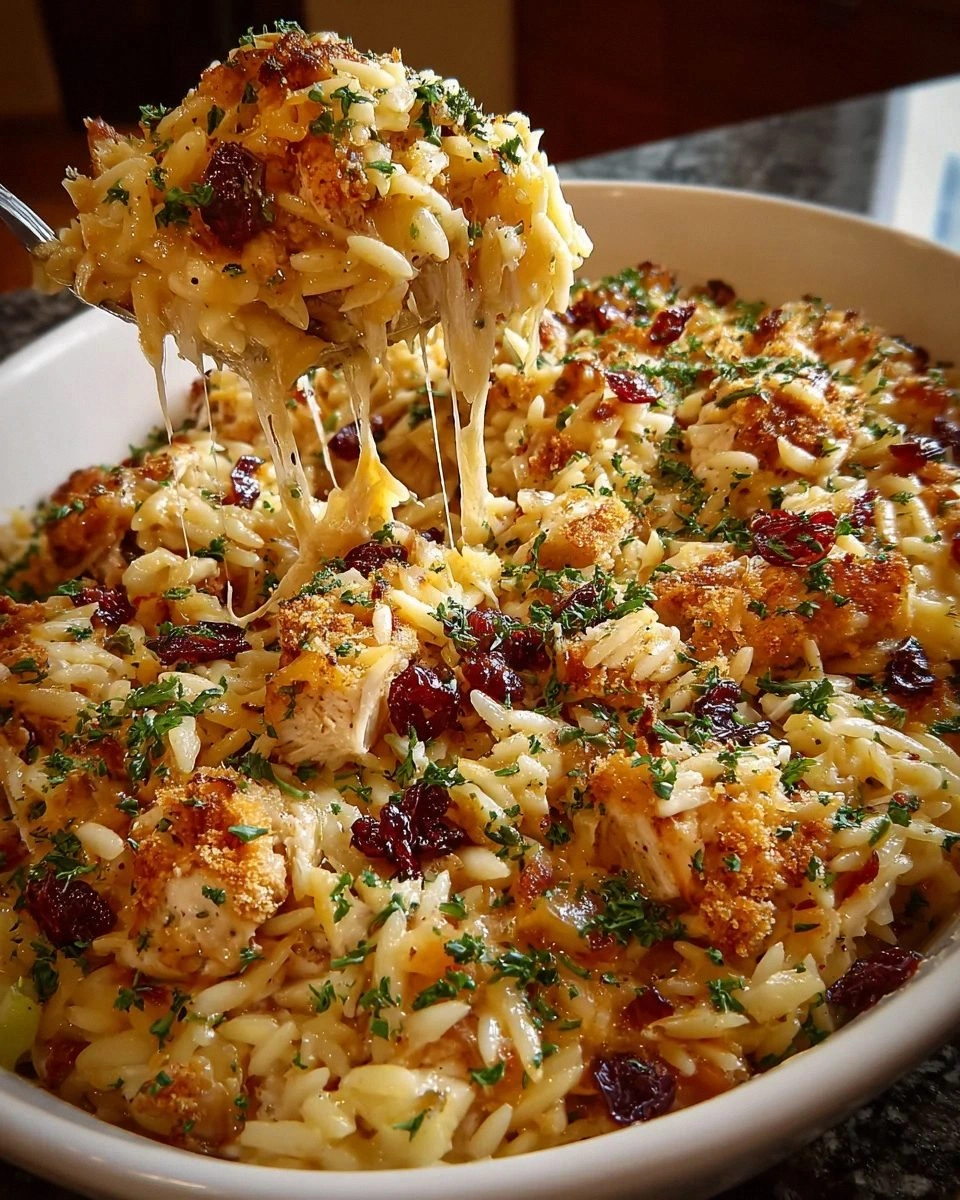
I’ll be honest — the first time I tried to mash together Thanksgiving leftovers into a casserole, I ended up with a soggy, sad mess that looked like a turkey‑scented swamp. I stared at the pan, heard the faint hiss of disappointment, and swore I’d never attempt a “leftover hack” again. Then a daring friend tossed me a challenge: “Make something that will make everyone forget the dry turkey and claim you’ve invented a new holiday tradition.” I accepted, and what followed was a chaotic, flavor‑packed experiment that turned my kitchen into a battlefield of aromas, textures, and a whole lot of bravado. That night, the oven door opened to reveal a golden‑brown masterpiece that crackled like fireworks and smelled like a Thanksgiving parade marching through a Tuscan kitchen.
Picture this: the buttery sizzle of onions and carrots hitting a hot pan, the earthy perfume of thyme and sage weaving through the steam, and the sweet tang of cranberry sauce bubbling just enough to tease your nostrils. The orzo, tiny as pearls, swirls in a broth that coats each grain like velvet, while shredded turkey folds in like a seasoned guest at a reunion. When the cheese melts, it forms a glossy, gooey blanket that stretches like a warm hug, and the breadcrumb topping crisps up with a crunch that shatters like thin ice under a footstep. Every bite delivers a symphony—sweet, savory, nutty, and just a hint of tang—that makes you want to shout, “I dare you to taste this and not go back for seconds!”
Most recipes get this completely wrong. They either drown the turkey in a watery sauce or drown the whole dish in a mountain of cheese that masks every nuance. I’ve stripped away the excess, kept the heart of the holiday, and added a few game‑changing tricks that turn a humble casserole into the star of the table. The secret? A strategic layering of flavors, a precise timing that lets the orzo soak up just enough broth, and a topping that balances buttery richness with a bright, herbaceous finish. The result is hands down the best version you’ll ever make at home, and it will have your guests asking for the recipe before the first fork even hits the plate.
Let me walk you through every single step — by the end, you’ll wonder how you ever made it any other way. Okay, ready for the game‑changer? This next part? Pure magic. Stay with me here — this is worth it.
What Makes This Version Stand Out
- Flavor Fusion: The combination of turkey, sage, and cranberry creates a sweet‑savory dance that feels both nostalgic and fresh, making each bite unforgettable.
- Texture Trio: Orzo provides a creamy bite, the breadcrumb topping adds a crisp contrast, and the shredded turkey offers a tender chew that ties everything together.
- Simplicity Meets Sophistication: You only need a handful of pantry staples, yet the result feels like a dish crafted by a seasoned chef.
- Unique Ingredient Twist: Adding a splash of low‑sodium broth at the end prevents dryness while letting the orzo absorb every aromatic note.
- Crowd‑Pleaser Factor: Even the pickiest eaters can’t resist the melty cheese and crunchy topping; it’s a guaranteed applause‑worthy centerpiece.
- Make‑Ahead Magic: Assemble the casserole a day ahead, refrigerate, and bake just before serving for stress‑free holiday hosting.
- Ingredient Quality: Using freshly shredded turkey (or a high‑quality rotisserie chicken) and real butter elevates the dish from “leftover” to “luxury”.
- Cooking Method: The stovetop sauté followed by a brief oven finish locks in moisture and creates that coveted golden crust.
Inside the Ingredient List
The Flavor Base
The yellow onion, diced celery, and medium carrots form the aromatic trio that builds the backbone of this casserole. When sautéed in butter, they release a sweet, earthy perfume that fills the kitchen like a warm hug. If you skip the onion, you lose that subtle sweetness; if you omit the celery, the dish loses its bright, refreshing crunch. A great tip: use a mix of yellow and red onion for a hint of color and a more complex flavor profile.
The Texture Crew
Dry orzo pasta is the star of the texture crew. Its tiny, rice‑shaped grains absorb the broth without turning mushy, giving each spoonful a satisfying bite. For a gluten‑free twist, swap it for quinoa; just remember quinoa has a slightly nuttier taste and a different cooking time. The panko breadcrumbs, brushed with melted butter, create a crunchy crown that shatters like thin ice when you dig in. Skipping the panko means missing out on that delightful contrast that makes the dish feel restaurant‑quality.
The Unexpected Star
Cranberry sauce is the surprise guest that turns this casserole into a holiday hero. Its bright acidity cuts through the richness of the cheese and butter, preventing the dish from feeling heavy. If you’re feeling adventurous, try a whole‑berry sauce with a splash of orange zest for an extra zing. Using a store‑bought version works fine, but a quick homemade batch (cranberries, orange juice, a pinch of sugar) will elevate the flavor tenfold.
The Final Flourish
Shredded mozzarella or Gruyère provides that melty, stretchy cheese pull we all crave, while grated Parmesan adds a nutty depth that rounds out the flavor. Fresh parsley, added just before serving, brightens the plate with a pop of green and a hint of herbaceous freshness. If you’re out of parsley, a sprinkle of chopped chives or a drizzle of truffle oil can give a luxurious finish. Remember, the cheese blend is flexible: a 50/50 mix of mozzarella and Gruyère creates a perfect balance of melt and flavor.
Everything's prepped? Good. Let's get into the real action…
The Method — Step by Step
-
Heat a large, heavy‑bottomed skillet over medium heat and melt 2 tablespoons of unsalted butter. Once the butter foams, add the diced onion, celery, and carrots. Sauté for 5‑7 minutes, stirring occasionally, until the vegetables turn translucent and start to caramelize. That sizzle when it hits the pan? Absolute perfection.
Kitchen Hack: Add a pinch of sugar with the veggies; it accelerates caramelization and deepens the flavor. -
Stir in the minced garlic, dried thyme, and dried sage, letting the aromatics perfume the pan for about 30 seconds. Be careful not to burn the garlic; you want it golden, not bitter. This is the moment of truth – if the kitchen smells like a forest after a rainstorm, you’re on the right track.
-
Add the dry orzo to the skillet, tossing it to coat each grain with butter and veggies. Toast the orzo for 2 minutes, watching it turn a light golden hue. This step builds a nutty foundation that prevents the pasta from becoming mushy later.
Kitchen Hack: If the orzo starts to stick, deglaze with a splash of broth and keep stirring – it’ll release the browned bits (fond) and add flavor. -
Pour in 2 cups of low‑sodium chicken or turkey broth, stirring gently. Bring the mixture to a gentle boil, then reduce heat to a simmer and cover. Let it cook for 10‑12 minutes, or until the orzo is al dente and most of the liquid is absorbed. The broth should be mostly gone, leaving the orzo plump and glossy.
-
Fold in the shredded turkey, prepared stuffing, and cranberry sauce. Mix until everything is evenly distributed; the stuffing should break up slightly, creating pockets of savory crumb throughout the casserole. Season with black pepper and salt to taste, remembering that the stuffing may already contain salt.
Watch Out: Over‑mixing can turn the stuffing mushy; gently fold to keep its texture intact. -
Transfer the mixture to a greased 9×13‑inch baking dish. Sprinkle the shredded mozzarella (or Gruyère) evenly over the top, followed by the grated Parmesan. The cheese should blanket the surface, creating a gooey, golden layer once baked.
-
In a small bowl, combine the panko breadcrumbs with 2 tablespoons of melted butter. Toss until the crumbs are glossy and coated. Evenly scatter the buttery panko over the cheese layer; this will become the crisp crown that defines the dish.
Watch Out: If you use too much butter, the topping can become soggy; just enough to moisten the crumbs. -
Preheat your oven to 375°F (190°C). Slide the casserole into the oven and bake for 20‑25 minutes, or until the top is golden brown and the edges are bubbling. When you see the cheese pulling away from the sides and the panko turning a deep amber, you’ve nailed the perfect crust.
Remove from the oven and let it rest for 5 minutes; this allows the flavors to meld and the casserole to set, making slicing easier.
That’s it — you did it. But hold on, I’ve got a few more tricks that'll take this to another level…
Insider Tricks for Flawless Results
The Temperature Rule Nobody Follows
Never bake a casserole straight from the fridge at a high temperature; the sudden heat shock can cause the crust to burn before the interior is hot enough. Instead, let the assembled dish sit at room temperature for 15‑20 minutes while the oven preheats. This small pause ensures even cooking and a uniformly golden top. A friend tried skipping this step once — the result was a burnt breadcrumb disaster that no amount of cheese could rescue.
Why Your Nose Knows Best
Your sense of smell is a far more reliable indicator of doneness than a timer. When the cheese starts to turn a deep amber and the panko releases a toasty, nutty aroma, you’re at the perfect finish line. Trust that nose cue; if the scent is still faint, give the casserole an extra 2‑3 minutes. The aroma will guide you to that magical moment when the dish is both crisp on top and creamy inside.
The 5‑Minute Rest That Changes Everything
After you pull the casserole from the oven, resist the urge to dive in immediately. Let it rest, uncovered, for exactly five minutes. This short cooling period lets the juices redistribute, the cheese settle, and the crumb topping firm up, making each slice neat and tidy. Skipping this rest often leads to a sloppy plate where the topping slides off like a bad hair day.
Seasoning Layers, Not a Dump
Season in stages: first in the sauté pan with the veggies, then a final pinch after adding the turkey and stuffing. This layered approach builds depth without overwhelming any single component. If you’re using store‑bought stuffing, taste it first; many brands already contain salt, so you may only need a light dusting of pepper.
Cheese Placement Strategy
Spread the shredded mozzarella (or Gruyère) in an even layer before adding the Parmesan. The mozzarella melts smoothly, creating that stretchy pull, while the Parmesan stays on the surface to brown and add a nutty edge. Mixing them together can lead to uneven browning and a less appealing texture.
Creative Twists and Variations
This recipe is a playground. Here are some of my favorite ways to switch things up:
Spicy Southwest Spin
Swap the sage for a teaspoon of smoked paprika and add a diced jalapeño with the veggies. Replace the cranberry sauce with a spoonful of chipotle salsa for a smoky heat that pairs surprisingly well with turkey.
Mediterranean Medley
Use sun‑dried tomatoes, kalamata olives, and a handful of baby spinach in place of the stuffing. Swap mozzarella for feta and finish with a drizzle of extra‑virgin olive oil and a sprinkle of oregano.
Creamy Mushroom Delight
Add a cup of sliced cremini mushrooms to the sauté step, and stir in a splash of half‑and‑half before adding the broth. This creates a richer, silkier sauce that makes the casserole feel indulgent.
Vegan Victory
Replace the turkey with roasted chickpeas, use vegetable broth, swap butter for olive oil, and choose dairy‑free cheese and panko. The texture changes, but the comforting heartiness remains.
Herb‑Infused Elegance
Add fresh rosemary and a handful of chopped sage leaves at the end of the sauté. Finish with a drizzle of herb‑infused olive oil and a garnish of lemon zest for a bright, aromatic lift.
Storing and Bringing It Back to Life
Fridge Storage
Cool the casserole to room temperature, then cover tightly with foil or a reusable lid. It will keep fresh for up to 4 days. When reheating, place a splash of low‑sodium broth or water on the surface, cover with foil, and bake at 350°F (175°C) for 15‑20 minutes, then uncover for the last 5 minutes to re‑crisp the topping.
Freezer Friendly
Portion the casserole into freezer‑safe containers or wrap the entire dish in heavy‑duty aluminum foil. It freezes well for up to 3 months. To reheat, thaw overnight in the fridge, then follow the same reheating method as the fridge version, adding a bit more broth if the casserole looks dry.
Best Reheating Method
For ultimate crispness, reheat on the stovetop in a skillet: add a thin layer of broth, cover, and let steam for 5 minutes, then uncover and let the bottom crisp up for another 3‑4 minutes. This technique restores the original texture better than a microwave ever could.