Picture this: a midnight craving for something that screams “restaurant quality” but you only have a few minutes and a pantry that’s seen better days. I was halfway through a chaotic dinner prep, juggling a simmering sauce, a pot of pasta, and a stubborn skillet that refused to heat evenly. I stared at the clock, the clock ticking like a metronome of disappointment, and thought, “What if I could create a dish that’s both lightning‑fast and unforgettable?” That thought turned into a mission, and what emerged was a butter garlic shrimp that feels like a culinary cheat code.
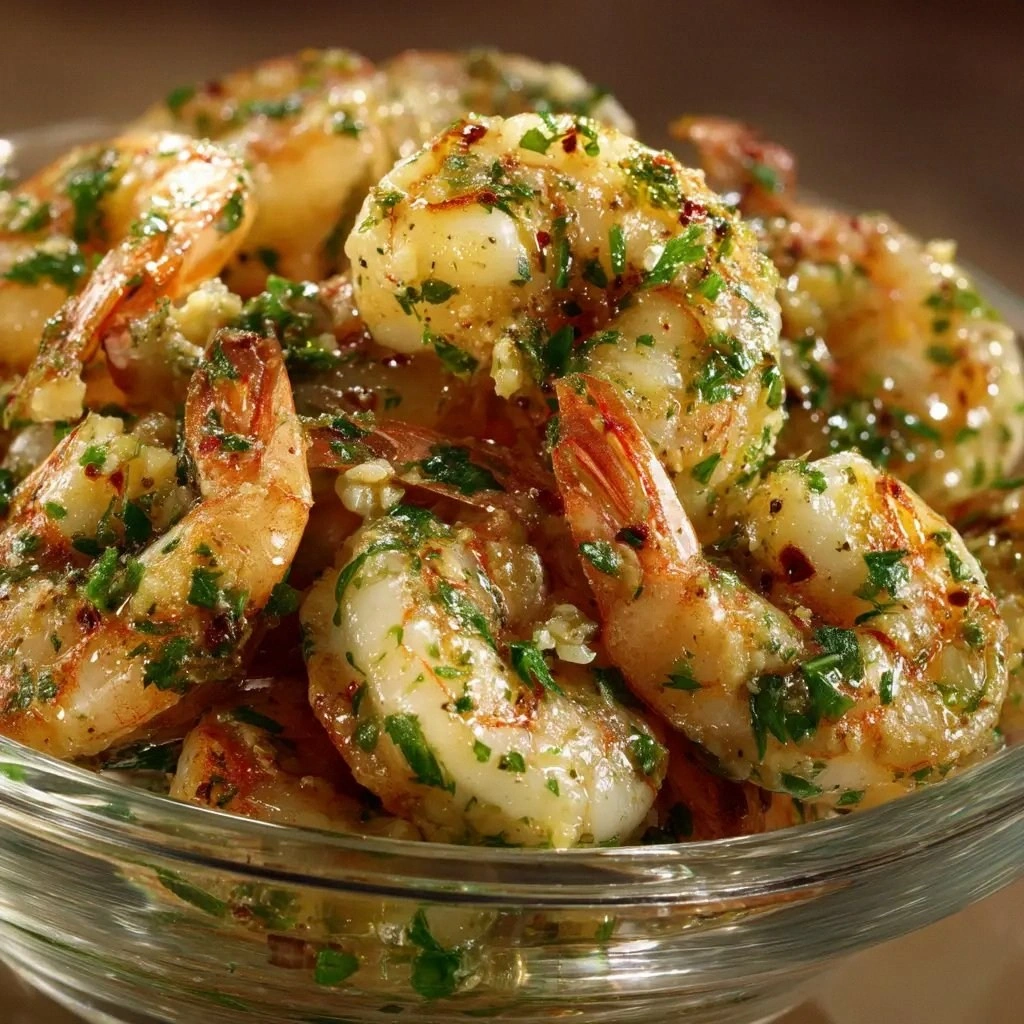
When the first shrimp hit the pan, the sizzling sound was a promise of flavor, a crackle that sent a little perfume of garlic dancing through the air. The aroma of browned butter mingled with the sharp, sweet scent of fresh garlic, creating a heady bouquet that made my eyes water in the most delightful way. The visual cue of shrimp turning from pale to rosy pink was a cue that time was ticking, but also that the transformation was happening. My fingers tingled from the heat, a tactile reminder that I was about to serve something that would melt in the mouth. The taste was a crescendo of buttery richness, a subtle citrus lift from lemon, and a whisper of heat from red pepper flakes that kept the dish from being flat.
What sets this version apart from the countless shrimp recipes on the internet is the meticulous balance of flavors and the strategic use of timing. Instead of overcooking the shrimp, I let them cook just until they’re opaque, ensuring each bite is juicy and tender. The butter isn’t just a fat; it’s a flavor carrier that coats every surface, turning the shrimp into a silky, glossy masterpiece. I also added a splash of dry white wine early on to deglaze the pan and lift the garlic’s aromatics, a subtle step that most recipes skip. This small tweak turns a simple sauté into a dish that feels like a Michelin‑star experience.
And the kicker? I discovered that the key to this recipe’s magic lies in the order of adding ingredients. The garlic is sautéed first to release its oils, then the shrimp are introduced, followed by the wine to deglaze, and finally the butter is folded in at the very end to finish the sauce. This sequence locks in flavor and keeps the shrimp from drying out. The result is a dish that’s so cohesive, you’ll swear it was simmered for hours. If you think you’ve tasted the best shrimp dish you’ve ever had, I dare you to taste this and not go back for seconds.
Now, let’s dive deeper into the layers that make this dish a standout. We’ll explore the unique flavor profile, the texture that keeps your palate engaged, the simplicity that saves you time, and the crowd‑pleasing factor that will have guests begging for the recipe. I’ll also share a secret ingredient that most people overlook but makes all the difference. By the end, you’ll understand why this is hands down the best version you’ll ever make at home.
First, let’s talk about the butter. It’s not just a fat; it’s the glue that holds the entire dish together. The butter’s high smoke point allows it to caramelize the garlic without burning, creating a nutty undertone that complements the shrimp’s natural sweetness. When you swirl the butter in at the end, it coats the shrimp, giving each piece a glossy sheen that’s as pleasing to the eye as it is to the taste buds. The butter also carries the lemon juice, ensuring that the acidity is evenly distributed and doesn’t just sit on the surface. This synergy is what turns a simple sauté into a luxurious experience.
Next, consider the garlic. Fresh garlic is the backbone of this dish, providing a pungent, slightly sweet flavor that cuts through the richness of butter. Sautéing it until it’s golden but not burnt releases its essential oils, which infuse the butter and shrimp. If you were to use pre‑minced or frozen garlic, you’d lose that depth and texture. The aroma alone can elevate a meal from ordinary to extraordinary. It’s the first thing that tells you you’re in for something special.
The white wine is the unsung hero that adds acidity and depth. A dry white wine, like a Sauvignon Blanc or Pinot Grigio, deglazes the pan, lifting the browned bits of garlic and shrimp. These bits, called fond, are packed with flavor; when you dissolve them in wine, you create a sauce that’s richer and more complex. The alcohol evaporates quickly, leaving behind a subtle fruity note that balances the buttery base. Skipping this step results in a flat sauce that feels like a missed opportunity.
Lemon juice is the bright counterpoint that cuts through the richness. A half‑lemon provides enough acidity to brighten the dish without overpowering the shrimp. The citrus notes also help to balance the saltiness of the shrimp and the richness of the butter. If you’re feeling adventurous, a squeeze of lime can add a slightly different citrus profile that still works beautifully. The lemon’s zest can also be added at the end for an extra burst of freshness.
Red pepper flakes are the subtle heat that keeps the dish from feeling too sweet or too bland. A quarter teaspoon is enough to give a gentle kick that lingers on the palate. The heat is not overpowering but adds a layer of complexity that makes each bite more interesting. If you’re a heat lover, you can increase the amount slightly, but be careful not to drown out the other flavors. The pepper flakes also add a tiny crunch if you leave them whole.
Salt is the flavor enhancer that brings everything together. A half teaspoon is sufficient to season the shrimp and balance the acidity of the lemon and wine. Over‑salting can make the dish taste flat, while under‑salting can leave it underwhelming. The key is to season at the end of cooking, after you’ve tasted the sauce, so you can adjust as needed. This small adjustment can transform the dish from good to great.
Black pepper adds a subtle warmth and depth that complements the citrus and garlic. A quarter teaspoon is enough to give a gentle bite without dominating the dish. Freshly ground pepper is preferable, as it has a more robust flavor compared to pre‑ground. Pepper also helps to balance the sweetness of the shrimp and the richness of the butter, creating a harmonious flavor profile.
Now that you’re familiar with each component, let’s explore the structure of the recipe itself. The ingredients are divided into four distinct groups: the Flavor Base, the Texture Crew, the Unexpected Star, and the Final Flourish. Each group plays a pivotal role in ensuring the dish’s success. Understanding the purpose of each ingredient will help you tweak the recipe to your taste or dietary needs. Let’s break it down.
The Flavor Base
This group includes butter, garlic, white wine, and lemon. These ingredients form the heart of the sauce, delivering richness, acidity, and aromatic depth. Butter provides the silky texture, while garlic adds pungency. White wine deglazes the pan, lifting fond and adding subtle fruitiness. Lemon juice brightens the dish and balances the butter’s richness. Together, they create a sauce that coats the shrimp like velvet.
The Texture Crew
Here we have the shrimp themselves. Shrimp are the star of the show, offering a firm yet tender bite that holds up against the buttery sauce. Choosing high‑quality, fresh shrimp ensures a clean, briny flavor that won’t be overpowered by the sauce. If you’re using frozen shrimp, thaw them in cold water and pat dry before cooking to avoid excess moisture. Proper handling keeps the texture light and prevents a soggy outcome.
The Unexpected Star
Red pepper flakes are the secret weapon that adds a subtle heat. They’re often overlooked in shrimp recipes but provide a layer of complexity that elevates the dish. The flakes also add a slight crunch if you leave them whole, giving a textural contrast to the tender shrimp. This small addition is what turns a simple sauté into a memorable experience.
The Final Flourish
Fresh parsley, salt, and black pepper are the finishing touches that bring balance and color. Parsley adds a fresh, herbal note and a pop of green that makes the dish look as good as it tastes. Salt and pepper are essential for seasoning, but they’re added at the end to fine‑tune the flavor profile. Adjusting these seasonings after the sauce has finished cooking ensures a perfect balance.
Everything’s prepped? Good. Let’s get into the real action. The method is straightforward, but each step is crucial to achieving that restaurant‑quality finish. The timing is tight, so stay focused and follow each instruction carefully. The shrimp should be cooked just until they’re opaque, no more, no less. The sauce should be silky, not thick, and the final dish should look like a glossy, fragrant bowl of happiness.
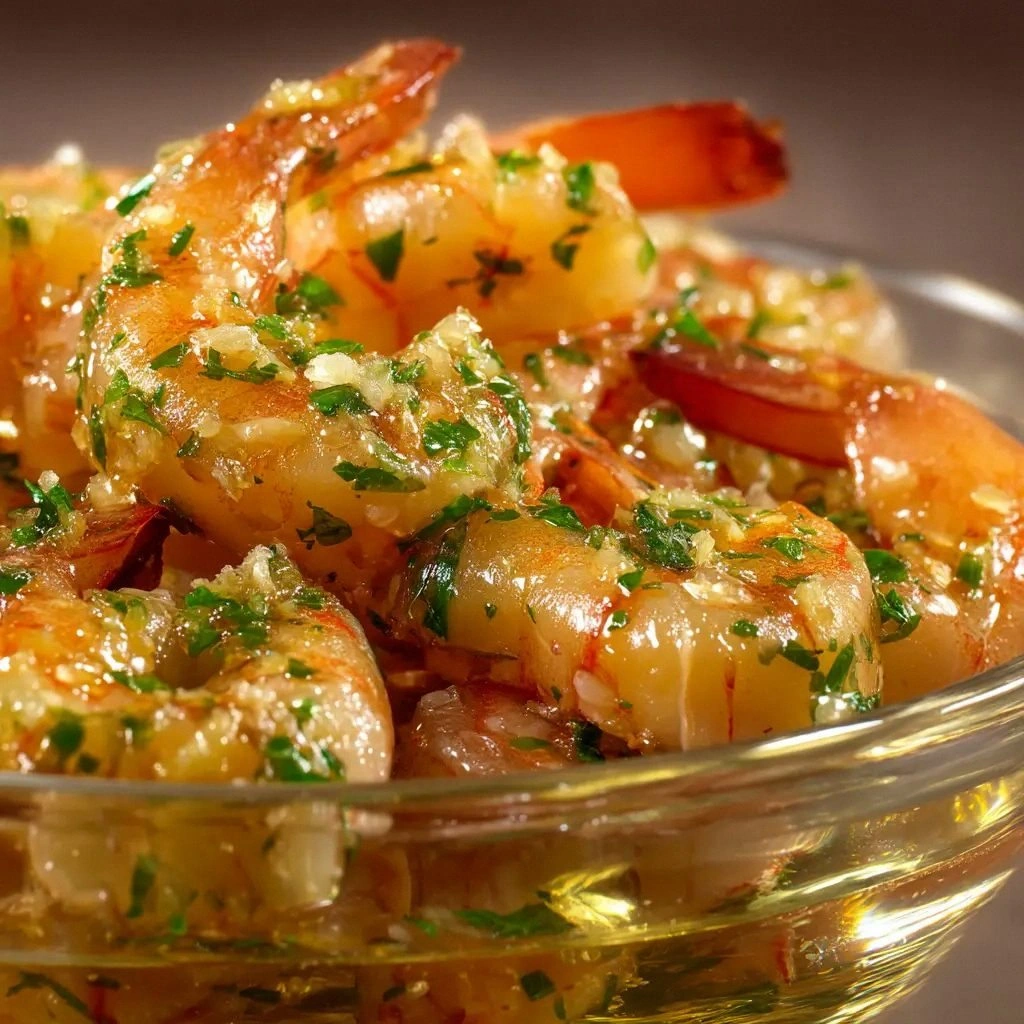
1. Heat a large skillet over medium‑high heat until it’s shimmering hot. Add the butter and let it melt, swirling the pan so the butter coats the surface. The butter should start to bubble gently, but avoid letting it brown too much. This ensures a clean, buttery base without a burnt flavor. Watch the butter as it turns a golden hue; that’s the signal that it’s ready for the next step.
2. Add the minced garlic to the pan and sauté for 30 seconds, just until it’s fragrant and translucent. Be careful not to let it brown, as that will create a bitter taste. The garlic should release its oils, creating a fragrant cloud that fills the kitchen. This step is essential for building the sauce’s depth. Stir constantly to prevent sticking.
3. Add the shrimp to the skillet in a single layer, ensuring they’re not overcrowded. Cook for 2 minutes on one side until the edges start to turn pink. Flip the shrimp and cook for another 1–2 minutes until they’re fully opaque. The shrimp should be firm but tender, not rubbery. This short cooking time preserves their juicy texture.
4. Pour the dry white wine into the skillet, allowing it to deglaze the pan. Scrape the bottom of the skillet with a wooden spoon to lift any browned bits. The wine should reduce by half, concentrating its flavor. This reduction adds a subtle fruitiness that balances the butter and garlic. Let the mixture simmer for 1–2 minutes until it’s slightly thickened.
5. Reduce the heat to medium and add the lemon juice. Stir to combine, allowing the acidity to meld with the sauce. The lemon will brighten the dish and cut through the richness. Keep the heat low to prevent the sauce from separating. The aroma at this point should be a harmonious blend of citrus and garlic.
6. Sprinkle the red pepper flakes over the shrimp. Stir to distribute the heat evenly. The pepper flakes should not overpower the dish; they’re there to add a subtle kick. Taste the sauce and adjust the heat if desired. The pepper flakes also add a slight texture if you leave them whole.
7. Season with salt and black pepper. Add the salt first, then pepper, tasting as you go. The seasoning should enhance the shrimp’s natural flavor without masking it. If you prefer a milder dish, reduce the salt slightly. The pepper adds a warm finish that ties the flavors together.
8. Finish the sauce by stirring in the remaining butter, a tablespoon at a time. The butter should melt into the sauce, creating a glossy coating on each shrimp. This final step adds richness and a silky texture. The shrimp should be coated and glossy, ready to be plated.
9. Sprinkle fresh parsley over the top for a burst of color and herbaceous freshness. The parsley adds a bright, slightly peppery note that contrasts the buttery sauce. It also gives the dish a professional look. Toss gently to distribute the parsley evenly.
10. Plate the shrimp immediately, spooning the sauce over each piece. Serve with crusty bread or a side of sautéed greens to soak up the sauce. The dish should look glossy and inviting, with a fragrant aroma that makes you want to dig in right away. Enjoy the moment of triumph—your kitchen just served a Michelin‑star worthy shrimp dish.
That’s it—you did it. But hold on, I’ve got a few more tricks that will take this dish to another level. These insider tips will help you avoid common pitfalls and elevate your shrimp from good to unforgettable. I’ve tried them myself, and they’re the difference between a decent sauté and a showstopper.
The Temperature Rule Nobody Follows
Maintaining the right heat is crucial. Too high, and the shrimp will overcook; too low, and the sauce will be watery. The sweet spot is medium‑high for the initial sauté, then medium for the sauce reduction. I’ve found that a thermometer that reads 150–155°F for the shrimp is the sweet spot for tenderness. Keep the pan moving to avoid hot spots that could burn the butter.
Why Your Nose Knows Best
The aroma is your best friend. When the garlic is golden and the butter is slightly browned, the scent will signal that the base is ready. If you smell a sharp, metallic note, the butter might be overheating. Trust your nose; it’s the ultimate taste tester before you even taste the dish.
The 5-Minute Rest That Changes Everything
After cooking, let the skillet sit for 5 minutes off the heat. This brief rest allows the flavors to meld and the shrimp to finish cooking in residual heat. It also gives the sauce a chance to thicken slightly. Don’t rush this step; the rest is where the magic happens.
Use Fresh Shrimp, Not Frozen
Fresh shrimp hold their shape better and have a cleaner flavor. Frozen shrimp can release excess moisture, making the sauce watery. If you must use frozen, thaw them in cold water and pat dry thoroughly. This hack ensures a firm, succulent bite.
Serve Immediately for Maximum Flavor
Unlike pasta, shrimp don’t benefit from resting. Serve them immediately to keep the texture crisp and the sauce at its peak. If you need to hold for a few minutes, keep them warm in a low‑heat oven or on a warm plate to preserve moisture.
Adjust the Heat to Your Taste
Red pepper flakes are a great starting point, but you can tailor the heat to your preference. A pinch of cayenne or a dash of hot sauce can give a different heat profile. Just remember that the heat should complement, not overpower, the buttery sauce.
This recipe is a playground. Here are some of my favorite ways to switch things up: each variation will bring a new flavor dimension while keeping the core of the dish intact. Experiment, and you’ll find endless possibilities.
Spicy Cajun Shrimp
Swap the red pepper flakes for a Cajun spice blend and add a dash of cayenne. The result is a smoky, spicy shrimp that pairs well with rice or a light salad. The Cajun seasoning brings a bold, peppery depth that elevates the dish. This version is perfect for a weekend brunch or a quick weeknight dinner.
Herb‑Infused Shrimp
Add a handful of fresh thyme and oregano to the garlic stage. The herbs will infuse the butter with earthy flavors. The final dish will have a Mediterranean feel, ideal for pairing with crusty bread and a glass of white wine. It’s a simple swap that adds complexity.
Asian‑Inspired Shrimp
Replace the lemon with lime and add a splash of soy sauce and a drizzle of sesame oil at the end. The shrimp will have a bright, umami‑rich finish. Sprinkle toasted sesame seeds over the top for added crunch. This variation works wonderfully with steamed rice or noodles.
Cheesy Shrimp
After the shrimp are cooked, stir in a handful of grated Parmesan or a dollop of cream cheese. The cheese will melt into the sauce, creating a creamy, indulgent coating. The dish will feel like a decadent comfort meal, perfect for a cozy night in.
Vegan Shrimp Substitute
Use large, firm tofu or seitan strips shaped like shrimp. Marinate them in garlic, lemon, and spices before sautéing. The texture will mimic shrimp, and the flavor will remain intact. This option is great for those who want a plant‑based version.
Grilled Shrimp Twist
After sautéing, transfer the shrimp to a preheated grill for a few minutes on each side. The grill marks will add a smoky char. Finish with a squeeze of fresh lemon and a sprinkle of parsley. This version is ideal for a summer cookout.
Storing and Bringing It Back to Life
Fridge Storage
Cool the shrimp completely before refrigerating. Store in an airtight container for up to 2 days. The buttery sauce may thicken, so reheat gently. A splash of water can help re‑loosen the sauce for a silky finish.
Freezer Friendly
Separate the shrimp from the sauce to avoid sogginess. Freeze the shrimp in a single layer, then transfer to a freezer bag. They’ll keep for up to 3 months. Reheat in a skillet with a splash of water or broth to restore moisture.
Best Reheating Method
Reheat in a non‑stick skillet over low heat, adding a tablespoon of water or broth. Stir gently until the shrimp are heated through. The water prevents the sauce from drying out, keeping the shrimp juicy and flavorful. Serve immediately for the best experience.