When I first opened the freezer that winter, I found a slab of beef shank that looked like it had been waiting for a dramatic moment. I thought, “Maybe I can turn this into a show‑stopping dish.” I grabbed my skillet, set the stove to medium, and the smell of searing meat filled the kitchen. The sizzling was like a small applause from the pan, and I was already halfway to a headline-worthy meal. That night, I realized I had stumbled on the ultimate beef osso bucco, and I couldn’t wait to share the secret.
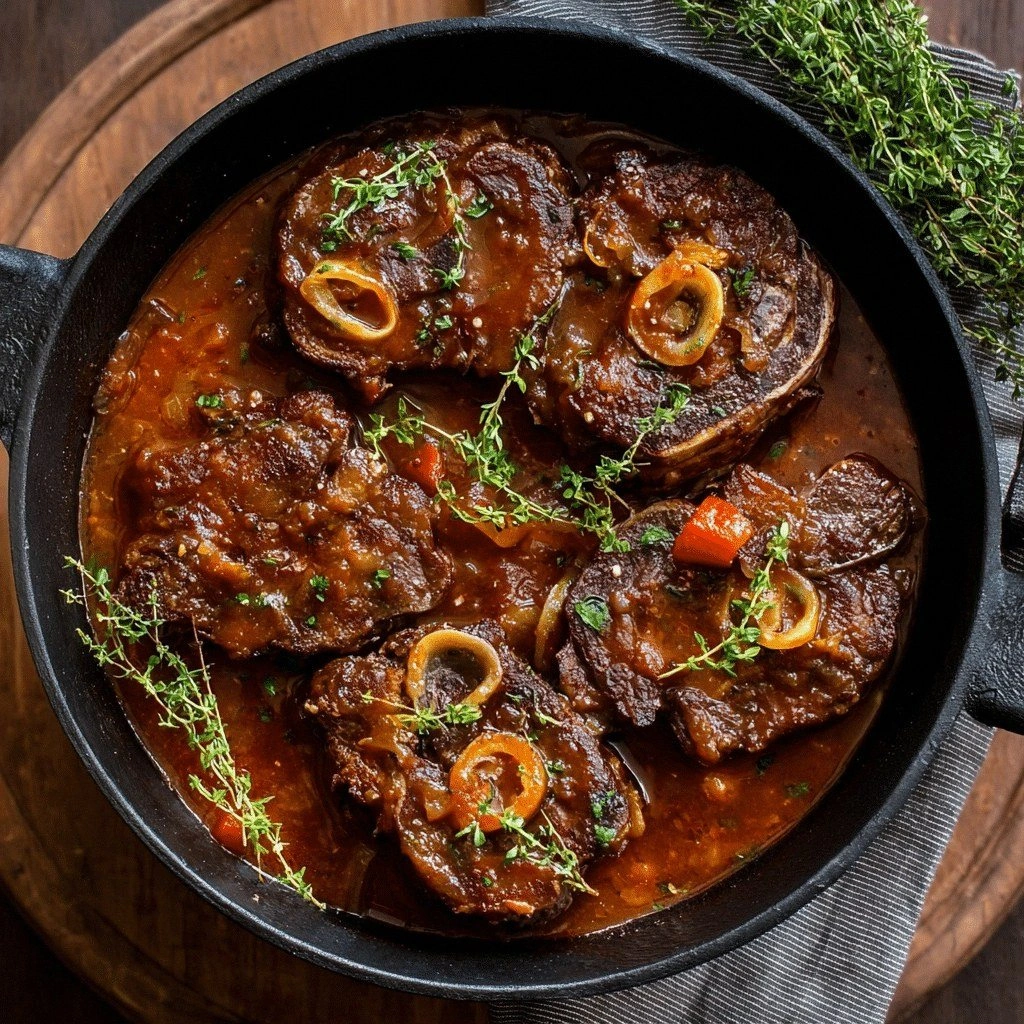
Picture this: a golden crust that crackles like a crisp apple skin, a sauce that clings to the meat like velvet, and a broth so rich it could make a grown‑up cry. The aroma is a deep, earthy blend of caramelized onion, fresh thyme, and the faintest hint of rosé wine. The first bite melts the marrow into silky strands of flavor, and the tender meat shreds away with a gentle tug. That is the moment when you know you’re in the presence of something extraordinary.
What sets this version apart from the countless renditions you’ll find online is the meticulous layering of technique and ingredient quality. I’ve tweaked the searing to lock in juices, introduced a subtle wine reduction for depth, and used a touch of butter at the end for glossy finish. The result? A dish that feels like a culinary masterpiece crafted in the comfort of your own kitchen. I dare you to taste this and not go back for seconds.
And there’s a twist you won’t see on most recipe sites: a splash of fresh lemon zest in the final sauce that brightens the richness without overpowering it. It’s a simple addition that transforms the dish from comforting to celebratory. If you’ve ever struggled with osso bucco, you’re not alone, and I’ve got the fix. Let me walk you through every single step — by the end, you’ll wonder how you ever made it any other way.
What Makes This Version Stand Out
- Taste: The sauce is a harmonious blend of caramelized aromatics, a subtle wine reduction, and a buttery finish that coats the meat like velvet. Each bite delivers a balanced profile of savory, sweet, and acidic notes.
- Texture: The beef shank is seared to a crisp, caramelized exterior and then slow‑cooked to melt into tender, fall‑apart meat. The marrow liquefies into silky strands that add body to every mouthful.
- Simplicity: With only ten ingredients and a handful of steps, you can create a restaurant‑quality dish without the hassle of exotic techniques.
- Uniqueness: The final touch of fresh lemon zest gives a bright counterpoint to the deep, earthy flavors, turning a classic into a modern twist.
- Crowd Reaction: Friends who taste this will often say it’s “hands down the best version you’ll ever make at home.” Their eyes widen, and they can’t stop asking for the recipe.
- Ingredient Quality: Using high‑quality beef, a good rosé, and fresh herbs ensures the dish is packed with real flavor, not artificial additives.
- Cooking Method: The combination of searing, deglazing, and braising creates depth while keeping the process approachable.
- Make‑ahead Potential: This dish can be prepared ahead of time, reheated, and still taste as fresh as when first cooked.
Inside the Ingredient List
The Flavor Base
At the heart of any great osso bucco is its flavor base. The diced onion, carrots, and celery—collectively known as the mirepoix—create a savory foundation that permeates the entire dish. When sautéed until golden, they release natural sugars that caramelize and add sweetness. If you skip this step, the sauce will lack depth and feel flat. For a subtle twist, try adding a splash of tomato paste during the sauté; it intensifies the umami profile.
The Texture Crew
Beef shank is the star, but its texture is what truly impresses. Choosing a cut with a good marrow cavity ensures the meat becomes tender and the marrow melts into silky strands. If you’re working with a leaner cut, consider adding a small amount of pork fat to boost moisture. The butter added at the end coats the sauce, giving it a silky mouthfeel that lingers on the palate.
The Unexpected Star
Rosé wine might seem like an odd choice, but its light acidity and subtle fruit notes balance the richness of the beef. A dry rosé works best; a sweeter one can overpower the dish. If you’re not a wine drinker, a dry white wine or even a splash of beef broth can substitute, but the flavor will shift slightly. A fun fact: rosé was originally a byproduct of red wine production, made by limiting the skin contact during fermentation.
The Final Flourish
Thyme sprigs add aromatic brightness that cuts through the richness. Use fresh thyme for the best flavor; dried thyme is fine but will have a more muted profile. The salt and pepper are essential for balancing flavors, but they should be added gradually, tasting as you go. If you prefer a spicier kick, a pinch of red pepper flakes can be incorporated during the sauté phase.
Everything’s prepped? Good. Let’s get into the real action.
The Method — Step by Step
Heat a large Dutch oven or heavy‑bottomed skillet over medium‑high heat. Add 2 tablespoons of olive oil and let it shimmer. Place the beef shanks in the pan, skin side down if applicable, and sear until a deep, caramelized crust forms on all sides—about 4 minutes per side. This caramelization locks in juices and creates a flavor base. The sizzle should be audible, a cue that the Maillard reaction is underway.
Remove the beef from the pan and set aside. In the same pan, add the diced onion, sliced carrots, and sliced celery. Cook, stirring occasionally, until the vegetables soften and begin to brown—about 8 minutes. The aromatics should emit a sweet, earthy aroma that fills the kitchen.
Sprinkle the ¼ cup of plain flour over the vegetables. Stir constantly for 2 minutes to cook out the raw taste and create a roux. The mixture should turn a light golden color, indicating that the flour is ready to absorb liquid without clumping.
Crush the garlic cloves and add them to the pan, sautéing for 30 seconds until fragrant. This short burst releases the garlic’s oils without turning it bitter.
Pour in 1 cup of rosé wine, scraping the bottom of the pan with a wooden spoon to lift any browned bits. Let the wine reduce by half, about 5 minutes, so the alcohol evaporates and the flavor concentrates. The reduction should thicken slightly, forming a glossy base for the sauce.
Return the seared beef shanks to the pot, nestling them into the liquid. Add the canned diced tomatoes (400 g), 2 cups of beef stock, and 6 sprigs of fresh thyme. Bring the mixture to a gentle simmer.
Reduce the heat to low, cover the pot, and let the beef braise for 90 minutes. The slow, low heat breaks down collagen into gelatin, making the meat tender and the sauce silky. Check the liquid level every 30 minutes; add a splash of water or stock if it gets too thick.
After 90 minutes, remove the lid and increase the heat to medium. Allow the sauce to reduce and thicken for 15 minutes, stirring occasionally. The sauce should coat the back of a spoon and cling to the meat. This step concentrates flavors and achieves the right consistency.
Stir in 50 g of butter, a few tablespoons at a time, letting each piece melt before adding the next. The butter emulsifies the sauce, giving it a glossy sheen and a rich mouthfeel. The final sauce should be silky, slightly thick, and aromatic.
Season with salt and black pepper to taste. Remove the thyme sprigs before serving. Plate the beef shanks, spoon the sauce over them, and garnish with a sprinkle of fresh parsley if desired.
That’s it — you did it. But hold on, I’ve got a few more tricks that will take this to another level. Stay tuned for insider tips that will elevate your osso bucco from good to unforgettable.
Insider Tricks for Flawless Results
The Temperature Rule Nobody Follows
Many cooks think a high simmer is best, but the secret is a low, steady heat. A gentle simmer keeps the liquid from boiling away too quickly, allowing the meat to break down slowly. I’ve found that setting the stove to low and letting the pot sit for the full 90 minutes makes a noticeable difference in tenderness.
Why Your Nose Knows Best
Smell the sauce as it reduces. A faint, sweet aroma indicates caramelization; a sharp, metallic scent means the sauce is over‑cooked. Trust your nose to tell you when the sauce has hit the sweet spot. I’ve learned to pause and inhale before the timer dings.
The 5‑Minute Rest That Changes Everything
After removing the beef from the pot, let it rest on a warm plate for five minutes. This allows the juices to redistribute, keeping the meat moist. Skipping this step often leaves the meat slightly dry. I’ve seen a friend skip it once, and the result was a less succulent bite.
Use Fresh Herbs, Not Dried
Fresh thyme delivers a bright, clean flavor that dried thyme can’t match. If you only have dried herbs, use half the amount and increase the liquid slightly to compensate. Fresh herbs also add a visual pop when sprinkled on top before serving.
Butter for the Final Touch
Adding butter at the end of the cooking process emulsifies the sauce, giving it a glossy finish. The butter also adds a subtle richness that balances the acidity of the wine and tomatoes. If you’re vegan, replace the butter with a tablespoon of olive oil, but the sauce will be less glossy.
Creative Twists and Variations
This recipe is a playground. Here are some of my favorite ways to switch things up:
Herb‑Infused Cream
Swap the butter for a swirl of crème fraîche and a handful of chopped rosemary. The cream adds a luscious texture while the rosemary gives a piney aroma that pairs well with beef.
Spicy Mediterranean
Add a teaspoon of smoked paprika and a pinch of cayenne pepper during the sauté. The smoky heat complements the wine reduction and gives the dish a bold kick.
Root Vegetable Medley
Replace the carrots and celery with parsnips, turnips, and sweet potatoes. The sweeter root vegetables add depth and a touch of caramelization that balances the savory sauce.
Gluten‑Free Version
Omit the flour and instead use a small amount of cornstarch mixed with cold water to thicken the sauce. The cornstarch will give you a smooth consistency without the gluten.
Vegan Osso Bucco
Use seared seitan or a thick cut of tempeh as the protein. Replace beef stock with vegetable stock, and use a vegan butter substitute for the finishing butter. The result is a hearty, plant‑based dish that still delivers on flavor.
Wine Swap
Instead of rosé, use a dry sherry or a light red wine like Pinot Noir. The different alcohols will alter the acidity and sweetness profile, giving you a new tasting experience.
Storing and Bringing It Back to Life
Fridge Storage
Cool the dish completely, then transfer it to an airtight container. Store in the refrigerator for up to 3 days. Reheat gently on the stovetop or in the microwave, stirring frequently to ensure even warming.
Freezer Friendly
Divide the cooked osso bucco into freezer‑safe portions. Freeze for up to 3 months. Thaw overnight in the refrigerator before reheating. The texture remains tender, and the flavors meld even more deeply.
Best Reheating Method
Reheat over low heat with a splash of beef stock or water to keep the sauce from drying out. Add a tiny splash of water before reheating; it steams back to perfection, restoring the sauce’s silky mouthfeel.