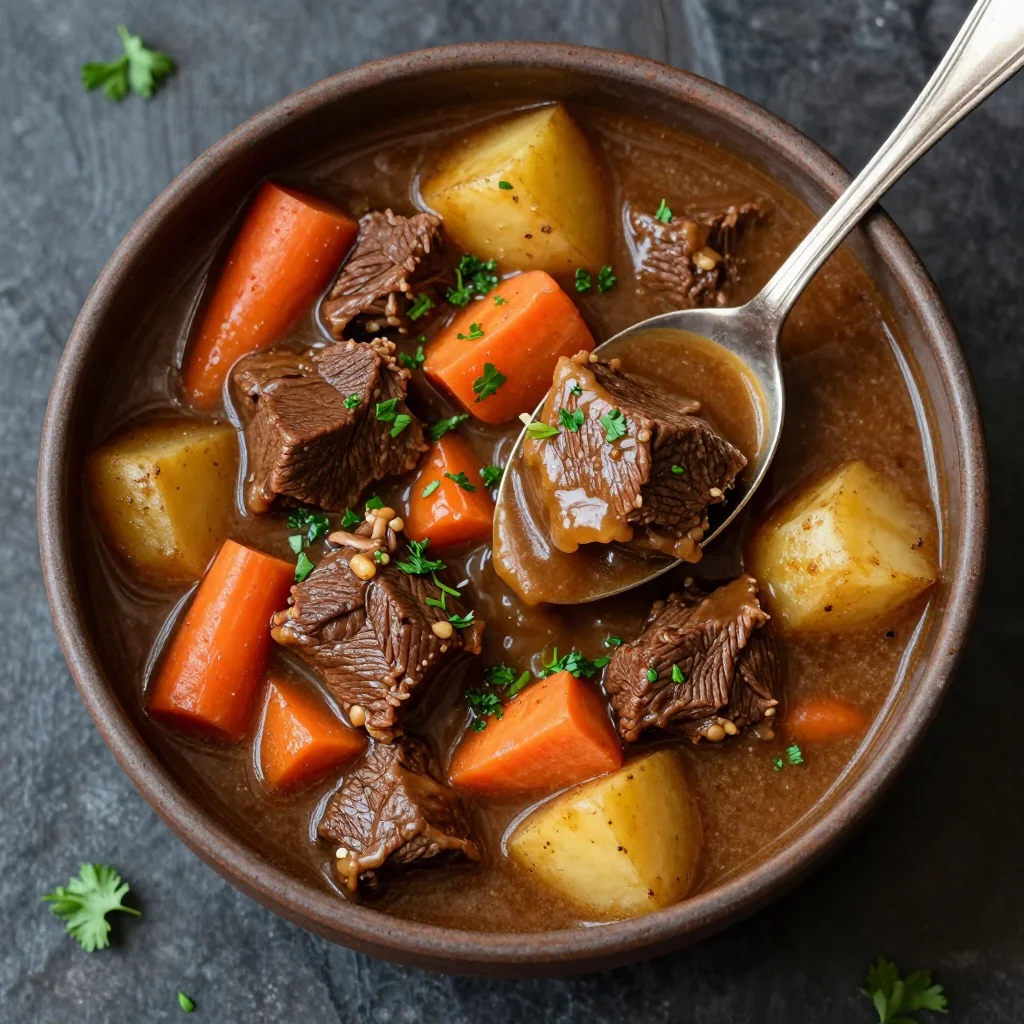
Love this? Pin it for later! 📌
Batch-Cooking Friendly Slow Cooker Beef & Vegetable Stew with Root Veggies
There’s a certain kind of magic that happens when you walk through the front door after a long day and the air is thick with the scent of slow-cooked beef, rosemary, and sweet parsnips. It’s the aroma of winter weekends at my grandmother’s farmhouse—where the stew pot seemed permanently stationed on the back burner and the only rule was “the longer it simmers, the better it tastes.” This slow-cooker version captures that same nostalgia, but it’s engineered for the realities of modern life: batch cooking, freezer storage, and zero babysitting. I make a triple batch every November, stash half in quart containers, and gift the rest to new parents who need dinner but don’t have hands free to cook. If you’ve got 20 minutes in the morning, you’ll come home to six nights of hearty, nutrient-dense comfort food that tastes like you spent the day tending a hearth instead of a laptop.
Why This Recipe Works
- Hands-off convenience: Dump, set, forget—dinner is ready when you are.
- Batch-cook genius: One pot yields 10–12 generous servings; scale up and fill the freezer.
- Budget-friendly luxury: Chuck roast turns fork-tender for a fraction of the cost of premium cuts.
- Root-veggie powerhouse: Carrots, parsnips, and rutabaga hold their shape after 8 hours—no mushy vegetables.
- Gluten-free & dairy-free: Naturally allergen-friendly and Whole30 compliant.
- Layered flavor: A quick stovetop sear and tomato paste caramelization step adds restaurant depth without extra slow-cooker time.
Ingredients You'll Need
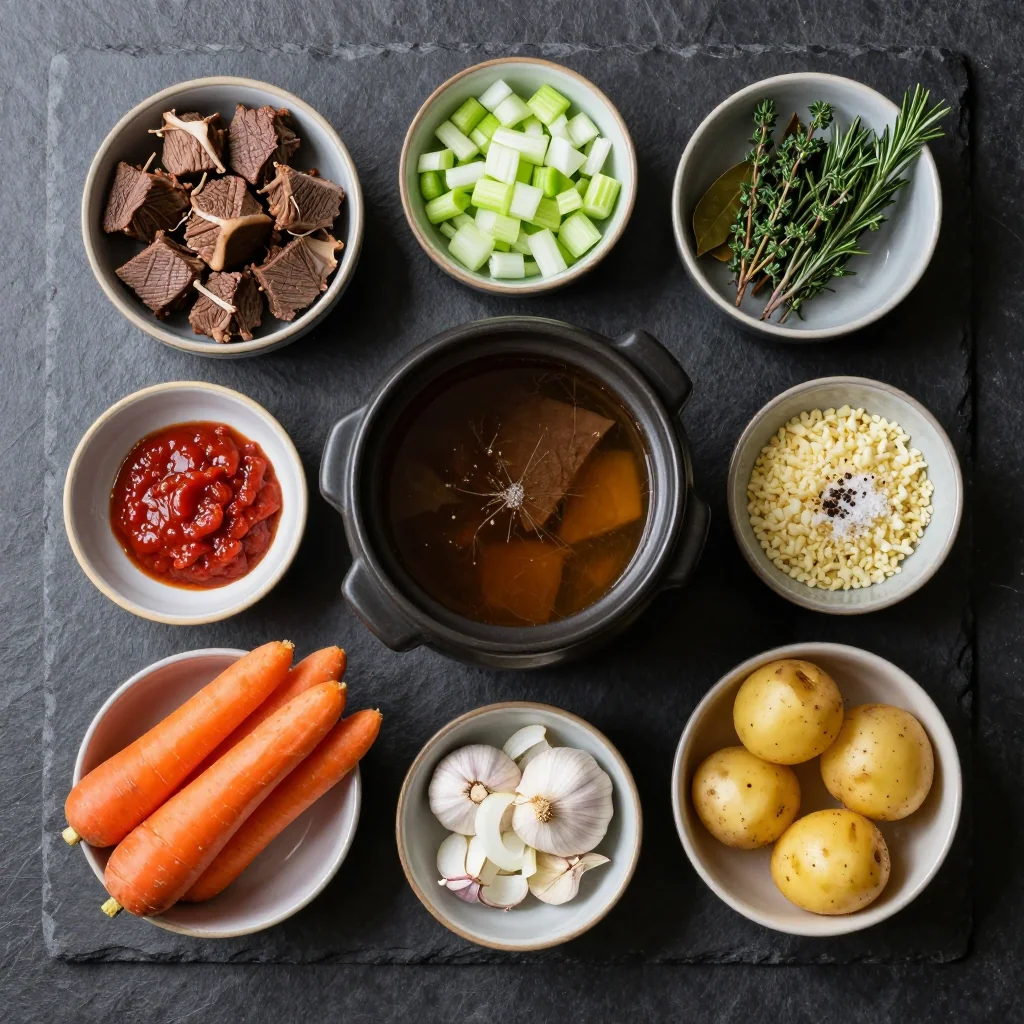
Great stew starts with the right beef. Look for chuck roast that’s well-marbled with white flecks—those pockets of collagen melt into silky richness. Skip pre-cut “stew meat” which can be a grab-bag of trimmings; cutting your own ensures uniform 1.5-inch cubes that cook evenly. For depth, I blend tomato paste with smoked paprika and a whisper of cinnamon; the combo amplifies the beefiness without shouting “tomato.” Root vegetables are the workhorses here: parsnips lend subtle sweetness, rutabaga adds earthy body, and carrots bring color. If parsnips are out of season, swap in sweet potatoes but add them only for the last 2 hours so they don’t dissolve. Baby Yukon Golds hold their shape better than Russets; leave the skins on for extra minerals and a rustic look. Low-sodium beef broth lets you control salt—especially important when you’re batch cooking and reducing liquid later.
How to Make Batch-Cooking Friendly Slow Cooker Beef and Vegetable Stew with Root Veggies
Sear the beef for maximum flavor
Pat 3 lb chuck roast cubes dry with paper towels—moisture is the enemy of browning. Heat 2 Tbsp avocado oil in a heavy skillet over medium-high until shimmering. Working in two batches, sear beef 2 minutes per side until a deep mahogany crust forms. Transfer to a 6- or 8-quart slow cooker. Deglaze the skillet with ½ cup beef broth, scraping the browned bits; pour into the slow cooker.
Bloom the aromatics
In the same skillet, reduce heat to medium. Add 1 diced onion and cook 3 minutes until translucent. Stir in 3 cloves minced garlic, 2 Tbsp tomato paste, 1 Tbsp smoked paprika, 1 tsp dried thyme, ½ tsp cinnamon, and 2 bay leaves. Cook 2 minutes until the paste darkens to brick red—this caramelization step removes raw tomato tang and builds umami.
Layer the vegetables strategically
Root vegetables go in first—they need the most heat. Add 4 medium carrots (1-inch chunks), 2 parsnips (1-inch chunks), 1 small rutabaga (¾-inch cubes), and 1 lb baby Yukon Gold potatoes (halved). Top with seared beef. This layering prevents delicate vegetables from overcooking and ensures every bite has a balanced ratio of meat to veg.
Add liquid and seasoning
Pour 3 cups low-sodium beef broth and 1 cup dry red wine (or additional broth) over everything. Sprinkle 1 Tbsp Worcestershire sauce, 1 tsp salt, and ½ tsp cracked black pepper. Resist the urge to stir—keeping layers intact prevents potatoes from leaching starch and clouding the broth.
Slow cook low and slow
Cover and cook on LOW 8–9 hours or HIGH 5–6 hours. The beef is ready when it yields easily to a fork but still holds its shape. If you plan to freeze portions, stop the cook time at 8 hours on LOW—slightly underdone beef reheats tender without turning stringy.
Thicken and brighten
In a small bowl, whisk 2 Tbsp arrowroot starch (or cornstarch) with ¼ cup cold water. Stir into the slow cooker, cover, and cook on HIGH 15 minutes until the broth is glossy. Remove bay leaves. Finish with 1 cup frozen peas (they thaw instantly) and 2 Tbsp chopped parsley for a pop of color and freshness.
Portion for batch cooking
Ladle stew into 2-cup glass containers, leaving ½ inch headspace for expansion. Cool completely, then refrigerate up to 4 days or freeze up to 3 months. Label with blue painter’s tape—include date and “add 2 Tbsp broth when reheating” to restore just-cooked texture.
Expert Tips
Overnight Prep
Sear beef and sauté aromatics the night before; refrigerate in the crock insert. In the morning, add vegetables and broth—total active time under 5 minutes.
Flash Freeze
Spread cooled stew on a rimmed baking sheet; freeze 1 hour, then break into chunks and store in a zip bag. This “instant” stew reheats in 10 minutes straight from frozen.
De-fatting Trick
Refrigerate portions overnight; lift off the solidified fat before reheating for a lighter stew that still tastes rich.
Double-Thicken Option
For gravy lovers, ladle 2 cups stew liquid into a saucepan and reduce by half; stir back into the slow cooker for an extra-luxurious texture.
Vegetable Swap
Turnips can replace rutabaga for a peppery bite; celery root adds subtle licorice notes—perfect if you’re cooking for adventurous eaters.
Speed-Thaw Hack
Place frozen stew (container removed) in a sealed zip bag; submerge in cold water for 30 minutes, changing water every 10 minutes—safer and faster than microwave defrost.
Variations to Try
-
Tex-Mex Stew
Swap paprika for ancho chile powder, add 1 cup frozen corn and 1 can black beans. Finish with cilantro and a squeeze of lime.
-
Irish Guinness Stew
Replace wine with 1 cup Guinness stout and add 2 tsp Dijon mustard. Stir in sautéed cabbage ribbons before serving.
-
Mediterranean Sunshine
Omit cinnamon; add 1 tsp oregano, 1 can diced tomatoes, ½ cup kalamata olives, and a handful of spinach at the end.
-
Spicy Korean-Inspired
Stir 1 Tbsp gochujang into the tomato paste step and finish with sliced scallions and toasted sesame seeds.
Storage Tips
Refrigerate: Cool stew to 70°F within 2 hours; transfer to shallow containers. Refrigerate up to 4 days. Reheat single portions in a saucepan with 2 Tbsp broth over medium-low, stirring occasionally, 8–10 minutes. Microwave works too—cover with a vented lid and heat 2 minutes, stir, then 1–2 minutes more.
Freeze: Ladle into BPA-free quart bags, press out excess air, and lay flat on a sheet pan until solid. Frozen “bricks” stack neatly and thaw faster than round containers. Label with recipe name, date, and reheating instructions. For best texture, use within 3 months; stew remains safe indefinitely at 0°F but flavors dull over time.
Batch Reheat for a Crowd: Transfer frozen stew to the slow-cooker insert the night before; refrigerate to thaw partially. Cook on LOW 2–3 hours, stirring once, until piping hot. If stew seems thick, loosen with warm broth or red wine.
Frequently Asked Questions
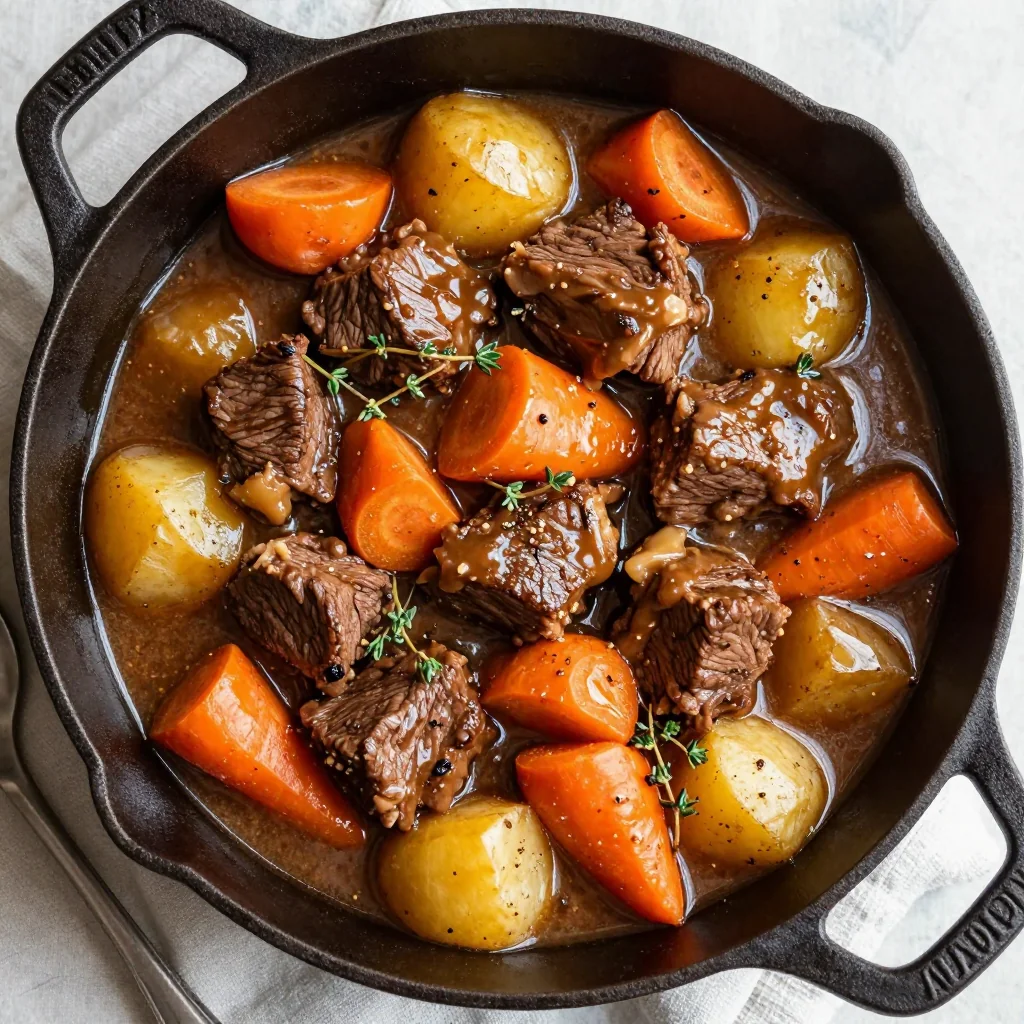
Batch-Cooking Friendly Slow Cooker Beef & Vegetable Stew with Root Veggies
Ingredients
Instructions
- Sear the beef: Pat meat dry; heat oil in skillet over medium-high. Brown beef in two batches, 2 min per side. Transfer to slow cooker.
- Bloom aromatics: In same skillet, cook onion 3 min. Add garlic, tomato paste, paprika, thyme, cinnamon, and bay leaves; cook 2 min. Scrape into slow cooker.
- Layer vegetables: Add carrots, parsnips, rutabaga, and potatoes. Top with seared beef. Pour broth and wine around sides; add Worcestershire, salt, and pepper.
- Slow cook: Cover and cook LOW 8–9 hr or HIGH 5–6 hr, until beef shreds easily.
- Thicken: Whisk arrowroot with ¼ cup cold water; stir into stew. Cover and cook HIGH 15 min until glossy.
- Finish: Discard bay leaves; stir in peas and parsley. Adjust salt and serve, or cool and portion for batch storage.
Recipe Notes
For freezer prep, cool stew completely before ladling into 2-cup containers. Leave ½ inch headspace, seal, and freeze up to 3 months. Reheat with 2 Tbsp broth for a just-cooked texture.